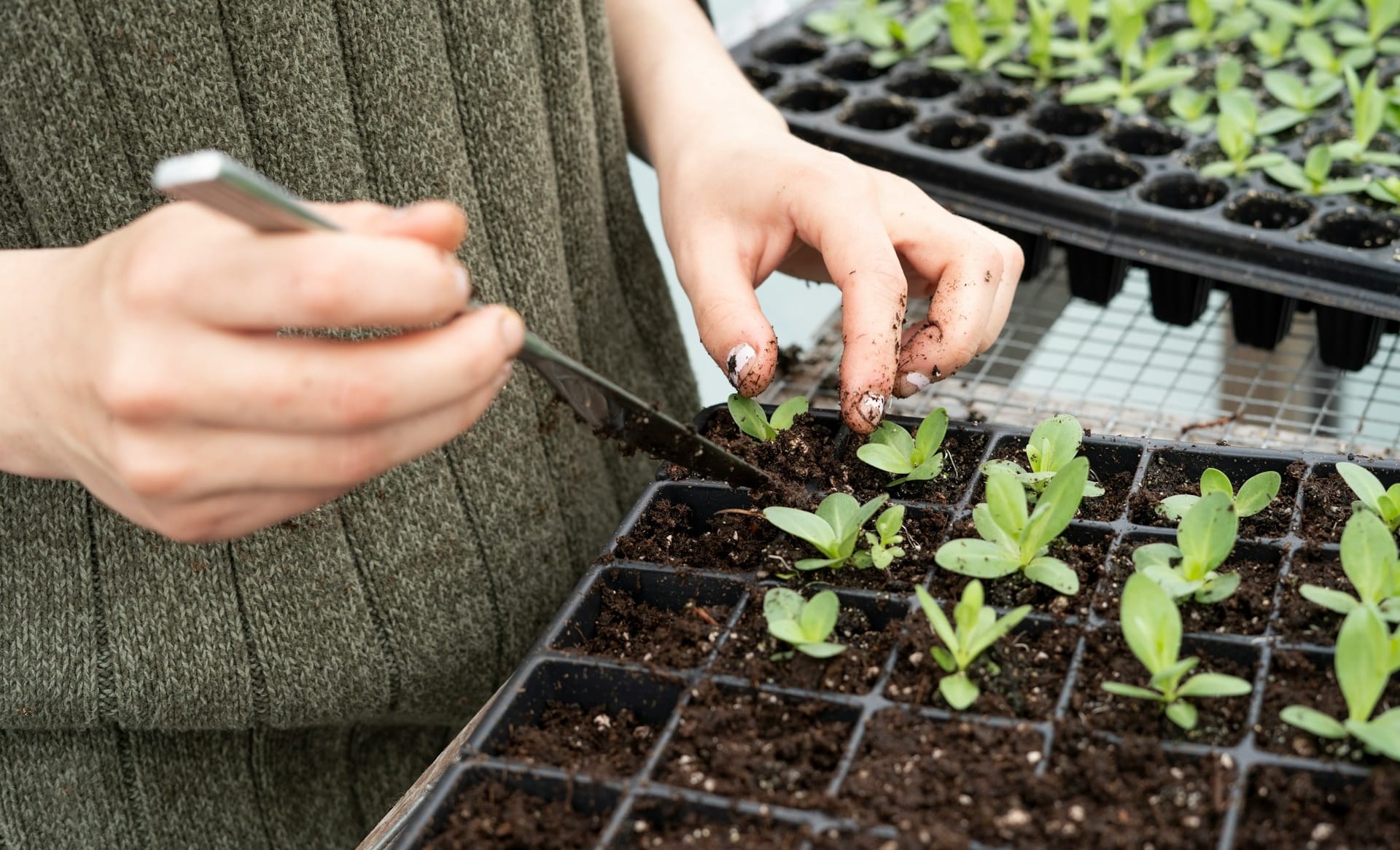
Gardening can be as simple as growing a few herbs in containers or as involved as maintaining vegetable beds, fruit trees, houseplants, lawns, and ornamental plants. You do not need a large yard or years of experience to begin.
This complete gardening guide brings the fundamentals together in one place. It covers garden planning, location, sunlight, climate, soil, watering, containers, raised beds, plant selection, pruning, fertilization, composting, pest management, tools, seasonal planning, and troubleshooting.
It also connects these fundamentals to the detailed Gardening resources available on Money For My Beer, including soil health, vegetables, herbs, tropical fruit trees, indoor plants, specialty plants, lawn care, and gardening equipment.
For the wider collection, browse the Money For My Beer Gardening category.
Last reviewed: October 6, 2026
Quick Answer: How do you start a garden?
Start by deciding what you want to grow and where you can grow it successfully.

Check sunlight, drainage, water access, climate, and available space. Prepare the soil or an appropriate container growing medium, choose plants suited to your conditions, and water according to the needs of the plant and growing medium. Start small, observe your plants regularly, and expand as you learn what works.
What do you need to start gardening?
A beginner garden does not require a large collection of equipment. The essentials are suitable growing conditions, appropriate plants, and a manageable routine for caring for them.
- A suitable location: Consider sunlight, drainage, water access, wind, and available space.
- A suitable growing environment: Plants need appropriate light, water, air, nutrients, and root space.
- Plants suited to your conditions: Climate, temperature, rainfall, soil, and sunlight all affect plant selection.
- Basic tools: A trowel, pruning shears, watering equipment, gloves, and other task-specific tools are enough for many small gardens.
- A manageable plan: Starting with a few plants makes it easier to learn what works in your conditions.
You can add more equipment and more plants as the garden grows. There is little benefit in buying tools or supplies you rarely use.
1. Decide what you want to grow
Start with your goal rather than with a random list of plants.

- Vegetable garden: Grow food that you regularly eat and that fits your climate.
- Herb garden: Grow culinary or fragrant herbs in beds or containers.
- Fruit garden: Plant fruit trees only when you have enough space for their mature size.
- Indoor garden: Choose plants based on the actual light, temperature, humidity, and space available indoors.
- Container garden: Use pots, buckets, planters, and other suitable containers when ground space is limited.
- Ornamental garden: Combine flowers, shrubs, trees, foliage plants, lawn, or groundcovers according to the site.
Your goal affects nearly every decision that follows, including location, soil preparation, plant selection, watering, tools, and maintenance.
2. Choose the right garden location
Location is one of the most important decisions in gardening.
For many vegetables, at least six hours of full sun per day is a useful starting point, although individual crops can have different requirements. The University of Maryland Extension recommends at least six hours of full sun for a vegetable garden. See the University of Maryland Extension vegetable-garden guide.
Observe the area throughout the day. A space that appears sunny in the morning may be shaded later by buildings, walls, trees, or other structures.
Check sunlight
Group plants according to their light requirements. Full-sun vegetables generally need more direct light than plants adapted to lower-light conditions.
Check drainage
Many plants perform poorly when their roots remain in saturated soil for long periods. Watch how water behaves after rainfall and irrigation.
If water consistently pools in an area, consider whether the site needs better drainage, a raised bed, a different planting method, or plants adapted to wetter conditions.
Check access
A garden should be practical to maintain. Think about how you will carry water, move soil and compost, prune plants, inspect leaves, harvest crops, and remove garden waste.
3. Understand your climate
There is no universal planting calendar or watering schedule that works everywhere.
Temperature, rainfall, humidity, wind, daylight, frost, and seasonal patterns influence which plants perform well and when they should be planted.
A crop that thrives in one region can struggle in another even when the same instructions are followed.
This is particularly important for tropical gardeners. In the Philippines, local rainfall and temperature patterns can be more useful for planning than the spring and autumn calendars commonly used in temperate regions. PAGASA notes that the country has rainy and dry seasons as well as four distinct climate types based on rainfall distribution, so growing conditions can vary substantially between locations. See PAGASA’s climate information for the Philippines.
Our guide to common crops grown in the Philippines provides additional context on major Philippine crops and their growing areas.
4. Prepare and understand your soil
Healthy soil gives plant roots physical support while providing an environment where water, air, nutrients, and biological activity can interact.
Soil health is broader than fertilizer levels alone. Structure, organic matter, drainage, compaction, pH, and biological activity all matter.
Our detailed guide to improving soil health explains practical approaches to improving the growing environment. The companion soil health indicators guide looks at physical, chemical, and biological signs that can help you evaluate soil condition.
What is a soil amendment?
A soil amendment is a material added to soil to change or improve a property such as structure, organic matter, drainage, water-holding capacity, or nutrient availability.
Compost is one example, but there is no single amendment that fixes every soil problem.
Our guide to organic soil solutions explains why different amendments should be matched to the actual problem you are trying to address.
Test soil before making major changes
Soil testing can help you make better decisions about pH and nutrients before adding large quantities of fertilizer or other amendments.
For Philippine gardeners and growers, the DA-BSWM National Soil Health Program is a useful authoritative reference for soil health, soil testing, fertilizer management, and sustainable soil management.
What soil pH is best for gardening?
Many garden plants perform well in mildly acidic to near-neutral soil. A useful general range for many plants is around pH 6.0 to 7.0, although the ideal range varies by species.
Oregon State University Extension notes that soil pH of 6.0 to 7.0 is a useful range for many plants and that pH affects nutrient availability. Read the OSU Extension soil pH guide.
Do not change soil pH automatically. Test first when practical and choose amendments according to the crop and the actual soil condition.
5. Add organic matter appropriately
Finished compost and other suitable organic materials can contribute organic matter and improve aspects of soil structure and water management.
However, more organic material is not automatically better. Excessive applications can contribute to nutrient accumulation or imbalance.
The U.S. Environmental Protection Agency provides home composting guidance and describes finished compost as a useful soil amendment. See the EPA guide to composting at home.
Use mature compost appropriately and consider the condition of the existing soil before repeatedly adding more products.
Our compost tea guide compares several compost-tea methods and discusses practical application and safety considerations. Treat compost tea as a supplementary practice rather than a substitute for sound soil management.
6. Protect the soil surface
Mulch can help protect soil from direct rainfall, reduce evaporation, suppress some weeds, and moderate soil-surface temperatures. University of Minnesota Extension notes that properly selected mulch can also improve moisture regulation and reduce erosion. Keep mulch away from plant stems and tree trunks. See the UMN Extension guide to mulching.
Suitable mulch materials depend on the garden. Organic mulch can include leaves, straw, bark, or other appropriate plant material.
Avoid piling mulch directly against plant stems and tree trunks.
7. Avoid unnecessary soil compaction
Compacted soil can restrict root growth and interfere with the movement of air and water through the root zone.
Repeatedly walking across planting beds can contribute to compaction. Permanent paths and clearly defined growing areas can make this easier to avoid.
Good garden design should make it possible to maintain the soil without repeatedly disturbing active root zones.
8. Water plants according to their needs
There is no universal watering schedule that works for every plant.
Watering needs depend on plant species, plant size, soil, container size, temperature, sunlight, wind, humidity, rainfall, and drainage.
Instead of automatically watering every plant every day, check the growing medium and observe how quickly it dries in your conditions.
Basic watering practices
- Water the root zone or soil surface when practical.
- Water thoroughly when needed rather than relying only on shallow surface wetting.
- Do not keep most garden soils permanently saturated.
- Check container plants more frequently during hot or windy conditions.
- Adjust watering after significant rainfall.
RHS guidance similarly recommends watering containers according to conditions rather than following a fixed schedule. Read the RHS container-watering guide.
9. Understand container gardening
Container gardening makes it possible to grow plants on balconies, patios, rooftops, windowsills, and other small spaces.

Containers should have adequate drainage, and the growing medium should be appropriate for container growing. Garden soil is not automatically the best choice for pots.
RHS guidance notes that containers are suitable for many types of plants but require attention to drainage, growing media, watering, and container size. See the RHS guide to growing plants in containers.
Our gardening bucket guide also looks at practical uses for buckets in gardening and container-based projects.
Choose container size carefully
A small herb may be comfortable in a modest pot while a mature shrub or tree requires substantially more root volume.
Think about the plant’s eventual size rather than choosing a container based only on the size of the plant when you buy it.
Remember that containers dry out differently
Containers have limited growing-medium volume and can dry out faster than garden beds, particularly in hot or windy conditions. Check them regularly and adjust watering as conditions change.
10. Raised beds and small-space gardening
Raised beds can provide greater control over growing media, drainage, paths, and planting layout. They can also make gardening more accessible for some people.
Small spaces can use vertical structures, trellises, shelves, hanging containers, and other space-efficient approaches.
The best system depends on what you are growing. There is no requirement to use a raised bed simply because it is popular online.
11. Choose plants suited to your conditions
Plant selection should follow your available conditions.
Consider climate, sunlight, soil, water availability, container size, mature plant size, maintenance requirements, and the reason you want the plant.
For food gardens, prioritize crops you actually eat. For ornamental gardens, prioritize plants that fit the site’s light and climate. For fruit trees, consider mature size and long-term maintenance before planting.
12. Vegetable and kitchen gardening
A kitchen garden can be as small as a few pots of useful herbs or as large as a backyard vegetable plot.
Start with a manageable number of crops and learn how they respond to your local conditions before expanding.
Money For My Beer’s vegetable and edible-plant resources include:
- Kangkong, a leafy vegetable widely grown in tropical regions.
- Ampalaya, or bitter melon, a climbing tropical crop.
- Taro, a root crop that requires proper preparation for food use.
- Okra, a productive warm-season vegetable covered in a dedicated growing guide.
- Green onions and chives, two related culinary plants with different growth habits and uses.
- Katuray, a tropical tree valued partly for its edible flowers.
When individual articles discuss nutrition or traditional uses, those subjects should be interpreted separately from basic horticultural advice. A plant being edible does not automatically make every part of it safe to consume in every preparation.
13. Herbs, shrubs, and other useful plants
Many herbs and useful plants can work well in home gardens, particularly when the plant is matched to the available climate, light, moisture, and space.
Money For My Beer’s plant library includes:
- Lemongrass or tanglad
- Basil
- Dandelion
- Yerba buena
- Pansit-pansitan
- Sambong
- Akapulko
- Makabuhay
- Banaba
- Alagaw
- Pandan Lalaki and Pandan Mabango
- Moringa
- Roselle
- Malvarosa
- Tsaang Gubat
Some of these plants are traditionally associated with herbal remedies. Traditional use should not be presented as proof that a plant can prevent, cure, or treat a medical condition.
14. Grow tropical and Philippine fruit trees
Fruit trees require more long-term planning than annual vegetables. Think about mature size, sunlight, drainage, root space, pruning access, nearby structures, and eventual harvesting before planting.
Our fruit and tropical-plant resources include:
- Tiesa or canistel
- Sineguelas
- Strawberry apple
- Persimmon
- Coconut
- Apple mango in the Philippines
- Atis or sugar apple
- Kaong or sugar palm fruit
- Katmon
- Aratiles
15. Trees, timber, and long-lived plants
Some gardening projects involve trees that are important for landscaping, timber, ecology, culture, or other uses.
Tree selection deserves particular care because a tree can remain in the same location for decades.
Check mature size, local suitability, conservation status where relevant, and possible conflicts with buildings, paths, utility lines, and neighboring plants.
16. Indoor plants and houseplant care
Indoor gardening is largely about matching a plant to its environment.
Important factors include light, watering, humidity, temperature, drainage, growing medium, and available space.
Money For My Beer’s indoor-plant resources cover:
- Calathea
- Peperomia
- Indoor palm plants
- Tall indoor plants
- Blue butterfly pea flower
- Cactus and succulent care for beginners
17. Pruning and routine plant maintenance
Pruning is not simply about making a plant look tidy.
The correct technique and timing depend on the species and the reason for pruning.
Extension guidance recommends pruning with a specific objective, using appropriate tools, and avoiding practices that damage natural tree structure. See the University of Minnesota Extension pruning guide.
Common reasons include removing dead or damaged material, maintaining structure, managing plant size, and improving access where appropriate.
Use clean, suitable tools and learn the requirements of the specific plant.
Our pruning shears guide explains the different types of hand pruners and the factors to consider when choosing them.
18. Fertilize based on plant and soil needs
Plants need nutrients, but adding fertilizer is not a universal solution to poor growth.
Weak growth can also result from insufficient light, overwatering, poor drainage, root problems, temperature stress, pests, disease, or an unsuitable growing environment.
When fertilizer is appropriate, consider the crop, existing soil fertility, growth stage, and the product label.
Soil testing can help determine whether nutrients or pH adjustments are actually needed before significant fertilizer applications are made. See the OSU Extension guide to garden soil testing.
19. Compost at home
Composting is a managed biological process that turns suitable organic materials into finished compost.
The EPA describes home composting as an aerobic process and provides guidance on appropriate organic materials, moisture, aeration, and finished compost. Read the EPA composting guide.
A basic composting system needs suitable carbon-rich and nitrogen-rich materials, moisture, and oxygen.
Finished compost can then be used as a soil amendment or mulch where appropriate.
20. Manage pests with identification and prevention
Pests are a normal part of gardening. The goal is usually to identify the problem and use a proportionate response rather than attempting to eliminate every insect.
Useful practices include:
- Choose plants suited to local conditions.
- Inspect leaves and new growth regularly.
- Remove heavily damaged material when appropriate.
- Use physical barriers when practical.
- Maintain reasonable garden hygiene.
- Encourage beneficial organisms.
- Use pesticides only when necessary and according to the label.
Do not assume that a substance is harmless because it is described as natural or organic. Pesticides can affect non-target organisms when used improperly.
These practices are consistent with integrated pest management (IPM), which emphasizes correctly identifying the pest, using preventive and nonchemical methods where practical, and reserving pesticides for situations where they are actually needed.
UC IPM also recommends selecting the least-toxic effective option and following pesticide labels carefully. Learn more about integrated pest management from UC IPM.
21. Gardening tools and equipment
A small garden does not require a huge collection of tools.
The right tools depend on the type of gardening you do. Pruning, lawn care, container gardening, fencing, planting, and soil preparation all require different equipment.
Technology can help with observation and monitoring, but it works best as a supplement to understanding your plants rather than a replacement for basic gardening knowledge.
22. Lawns, turf, and groundcovers
Gardening is not limited to edible plants.
Lawn grasses and groundcovers can be useful for defining outdoor spaces, protecting soil, managing foot traffic, or creating areas for recreation.
Our guide to Carabao grass examines Paspalum conjugatum, a tropical grass commonly encountered in the Philippines and other tropical regions.
Choose turf or groundcover according to sunlight, drainage, foot traffic, mowing requirements, climate, and maintenance needs.
23. Specialty and lesser-known plants
Not every interesting plant fits neatly into a conventional vegetable, herb, houseplant, or fruit-tree category.
Money For My Beer’s Gardening collection also includes plant references that are useful for understanding traditional uses, growing characteristics, cultural context, unusual applications, and the relationship between home gardening and food choices.
These plants can have very different environmental requirements, so do not assume that information about one species applies to another or that a plant is suitable for every climate.
24. Avocado and other useful plant parts
Some garden plants are valuable for more than their primary harvest. Leaves, flowers, bark, or other plant parts may have culinary, cultural, ornamental, or traditional uses.
Our article on avocado leaves looks specifically at the leaves of Persea americana.
When using or consuming a plant part, verify that the specific species and preparation are appropriate. Not every part of every edible plant is necessarily edible or safe in the same way.
25. Gardening and food choices
A productive garden can supply ingredients for everyday meals, from leafy vegetables and herbs to fruit and other edible crops.
Our article on plant-based garden foods for gut health approaches gardening from a food and nutrition perspective. It should be read as a general nutrition article rather than as medical advice or a substitute for individualized healthcare guidance.
For gardeners, the practical lesson is straightforward: grow foods you enjoy eating, diversify what you plant when practical, and handle harvested produce safely.
26. Plan around the growing season
Your planting schedule should reflect your local climate rather than a generic calendar copied from another region.
In temperate regions, frost dates can be critical. In tropical regions, temperature, rainfall, humidity, and wet and dry seasons can be more useful for planning.
For each crop, consider:
- Temperature
- Rainfall
- Sunlight
- Days to maturity
- Water requirements
- Mature plant size
- Local pests and diseases
This approach is more useful than assuming that a particular month automatically means the same growing conditions everywhere.
27. Troubleshoot plants systematically
When a plant starts struggling, avoid immediately adding fertilizer, pesticides, or another product.
Yellow leaves
Yellowing can have many causes, including watering problems, nutrient issues, root stress, disease, aging leaves, and environmental stress. Look at the whole plant and its growing conditions.
Wilting
Wilting can result from insufficient water, excessive heat, root damage, disease, or other stresses. Check the growing medium and root environment rather than assuming the plant simply needs more water.
Slow growth
Check light, temperature, root space, watering, drainage, soil or growing medium, nutrients, pests, and disease.
Chewed leaves
Inspect closely for caterpillars, beetles, snails, slugs, or other pests before choosing a treatment.
Persistent wet soil
Check drainage, watering frequency, container holes, soil structure, and whether the plant itself is suited to the location.
Keep a garden notebook
A simple record can become one of the most useful gardening tools you own.
Record planting dates, plant varieties, locations, sunlight, watering observations, pest problems, weather conditions, pruning, and harvests.
After several growing cycles, your own records can show you what actually works in your garden.
Gardening for the Philippine climate
Money For My Beer’s Gardening library includes many plants and crops relevant to Philippine gardeners. Conditions can still vary substantially between locations.
Consider local temperature, rainfall, elevation, soil, drainage, sunlight, and access to irrigation before applying a general recommendation.
The DA-BSWM National Soil Health Program is a useful reference for Filipino growers who want authoritative information about soil health and soil management.
Common gardening mistakes to avoid
Overwatering
More water is not automatically better. Water according to plant and soil conditions.
Ignoring sunlight
Trying to compensate for inadequate light with more fertilizer or water rarely fixes the underlying problem.
Ignoring drainage
Containers and beds need a sensible way for excess water to escape.
Adding too many soil products
Compost, fertilizer, lime, sulfur, manure, and other amendments should have a reason for being applied. More products do not necessarily mean healthier soil.
Planting too closely
Crowded plants can be harder to water, prune, inspect, harvest, and protect from pests and disease.
Ignoring mature size
A small nursery plant can become a large tree, shrub, or vine. Plan for the mature plant.
Following another climate’s planting calendar
A planting schedule designed for another region may not match your temperatures, rainfall, or growing season.
Starting too big
A manageable garden is usually easier to learn from than an oversized garden that quickly becomes difficult to maintain.
How to start your first garden
- Choose your goal. Decide whether you want vegetables, herbs, fruit, indoor plants, ornamentals, or a combination.
- Choose the location. Check sunlight, drainage, climate, access to water, and available space.
- Select a few suitable plants. Choose species that fit the conditions you can provide.
- Prepare the growing environment. Improve soil where needed or use a suitable container growing medium.
- Plant carefully. Follow the requirements for planting depth, spacing, transplanting, and support.
- Water appropriately. Check the plant and growing medium instead of relying on a universal schedule.
- Observe regularly. Look for new growth, pests, disease symptoms, drainage problems, and signs of stress.
- Keep learning. Use your results to decide what to change and what to plant next.
Frequently asked gardening questions
How much space do I need to start gardening?
Very little. A single container, balcony, patio, windowsill, raised bed, or small patch of ground can be enough to begin.
What are the easiest plants for beginners?
There is no universal list because climate matters. The easiest plants are generally those that match your available sunlight, temperature, water, soil, and space.
How often should I water my garden?
It depends on the plant, soil, container, weather, temperature, and rainfall. Check the growing medium and the plant’s needs instead of following one fixed schedule.
What is the best soil for a garden?
There is no single perfect soil recipe. The appropriate growing medium depends on the crop, drainage, texture, organic matter, nutrients, pH, and local conditions.
Is compost good for garden soil?
Finished compost can be a useful soil amendment and source of organic matter. Use it appropriately rather than assuming that more is always better.
Can I garden without a backyard?
Yes. Containers can work on balconies, patios, windowsills, rooftops, and other suitable spaces when plants receive appropriate growing conditions.
Should I fertilize every time I water?
No universal feeding schedule works for every plant. Follow the needs of the crop and the directions for the fertilizer being used.
Why are my plants not growing?
Check sunlight, watering, drainage, temperature, root space, soil or growing medium, nutrients, pests, and disease before assuming fertilizer is the problem.
How do I deal with garden pests?
Identify the pest first. Then use prevention and targeted control methods appropriate to the plant and the problem. Follow pesticide labels and local requirements when chemical controls are necessary.
About this gardening guide
Money For My Beer publishes gardening content covering home gardening, vegetables, herbs, indoor plants, soil, watering, tools, landscaping, tropical crops, and individual plant guides.
The goal of this guide is to provide practical general gardening information while pointing readers toward more detailed articles when a subject deserves deeper treatment.
When researching our gardening articles, we aim to use reliable and relevant sources, verify important claims where practical, and distinguish established information from opinions, traditional uses, and areas where evidence is limited.
Learn more about Money For My Beer and its editorial approach.
Editorial note: Gardening advice can vary according to climate, plant variety, soil, weather, and local conditions. Information about medicinal plants, edible plant parts, pesticides, or other safety-sensitive topics should not replace professional or authoritative advice specific to your circumstances.
Start small and keep learning
You do not need to know everything before planting your first seed.
Choose a manageable project, provide suitable growing conditions, observe what happens, and learn from each growing cycle. As your experience grows, you can add more crops, larger containers, raised beds, fruit trees, indoor plants, lawn areas, or specialized equipment.
The best garden is not necessarily the largest or most complicated one. It is the one that suits your space, climate, goals, and the amount of time you can realistically maintain.
Sources and references
This guide draws on established horticultural, agricultural, environmental, and government resources. The sources below support the general gardening principles discussed in this article. Individual Money For My Beer plant guides may use additional species-specific references.
- University of Maryland Extension: How to Start a Vegetable Garden, for garden location, sunlight, access, and basic garden planning.
- DOST-PAGASA: Climate of the Philippines, for Philippine climate, rainfall, seasons, and climate variation.
- DA-BSWM National Soil Health Program, for Philippine soil health, soil testing, and soil management resources.
- Oregon State University Extension: How Do I Test My Garden Soil?, for soil testing, pH, nutrients, and amendment decisions.
- University of Minnesota Extension: Mulching for Soil and Garden Health, for mulch, moisture management, weeds, erosion, and soil protection.
- U.S. Environmental Protection Agency: Composting at Home, for home composting, compost materials, and finished compost.
- Royal Horticultural Society: How to Water Containers, for container watering practices.
- Royal Horticultural Society: Growing Plants in Containers, for container selection, drainage, and growing media.
- University of Minnesota Extension: Pruning Trees and Shrubs, for pruning objectives, tools, timing, and technique.
- UC Statewide Integrated Pest Management Program: What Is IPM?, for pest identification, prevention, and integrated pest management.
Well, what do you think about the article?
Did you enjoy reading “Complete Gardening Guide: How to Start, Grow, and Care for a Home Garden“? We really hope that you have enjoyed this gardening 101.
If you have any thoughts or comments about this post, please feel free to share them in the comment section below. We appreciate your feedback and would be glad to hear from you.
To see more content like this check the gardening section of Money For My Beer.

Chief Editor and Website Owner.
Hi, I’m Ryan. I write and edit everything on this site, which means I’m the last set of eyes on every post before it goes live. By day I’m a technical architect. I design and build enterprise systems, apps, websites, and the occasional game.
This site started because I wanted one place where money advice for regular people doesn’t read like it was written by a finance robot. My goal is simple: every article should be genuinely useful, actually tested against what real people are searching for, and written in plain English. No jargon, no “get rich quick,” no advice I wouldn’t follow myself.
You’ll see a lot of topics here that lean on my engineering background: software reviews, tools, and tech-adjacent money stuff. Where a topic needs real financial expertise, I say so plainly and point you to qualified sources rather than pretending.