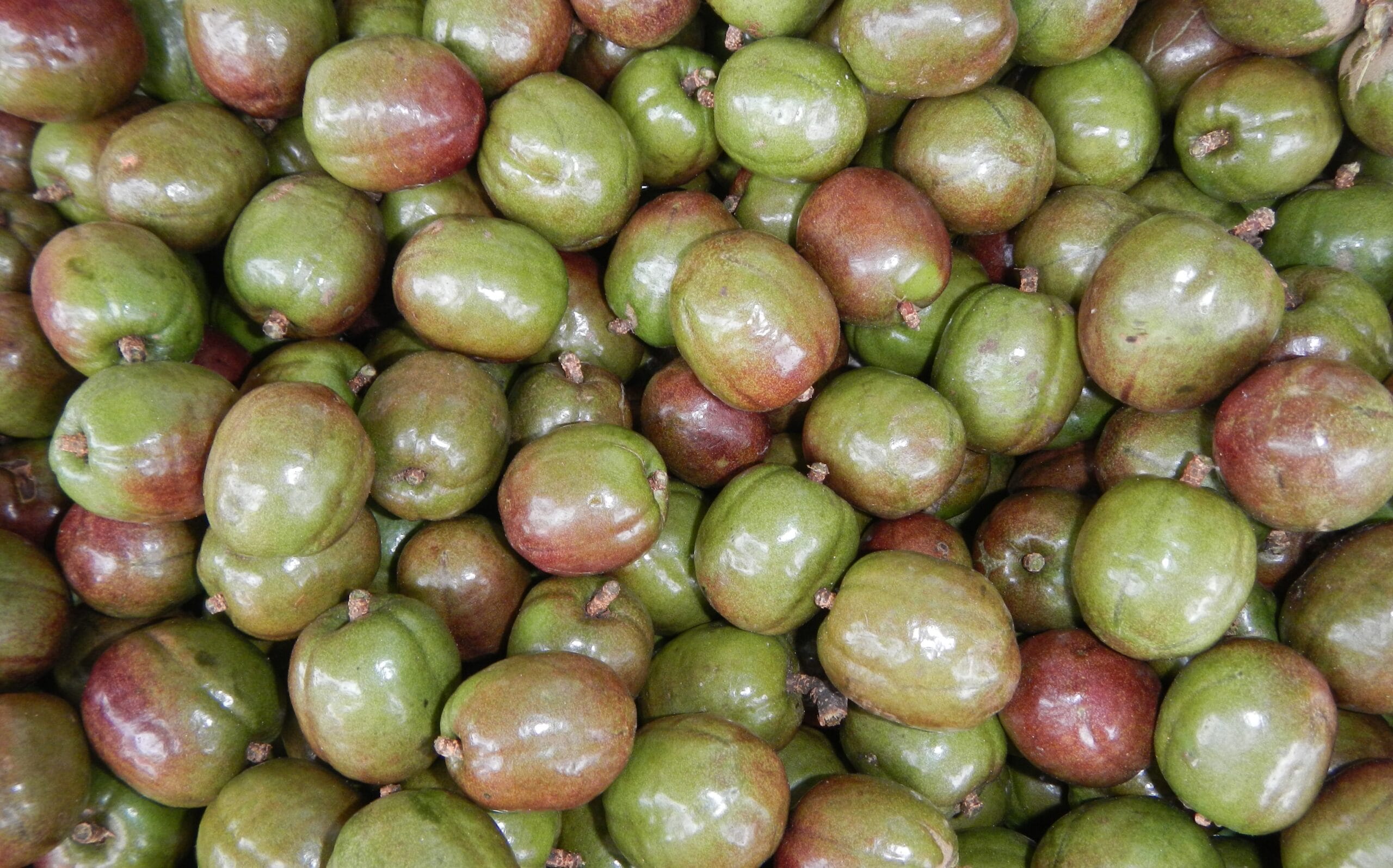
Welcome to the Gardening section of Money For My Beer, where we explore practical ways to grow plants, vegetables, herbs, flowers, trees, and other useful plants at home.
Whether you’re starting your first container garden, growing vegetables in a backyard, caring for indoor plants, improving your soil, or simply learning more about different plants, you’ll find practical gardening guides designed to make growing things easier to understand.
Our gardening content covers home gardening, vegetable gardening, herbs, indoor plants, soil and watering, gardening tools, containers, landscaping, pest management, seasonal growing, and different types of plants and crops.
Start With Our Complete Gardening Guide
If you’re new to gardening or want one comprehensive resource to work from, start with our Complete Gardening Guide.
It covers the fundamentals of starting a garden, including choosing a location, preparing soil and growing media, selecting plants, watering, mulching, containers, raised beds, seasonal planting, pest control, and common gardening mistakes.
The guide also explores different herbs, vegetables, fruit trees, indoor plants, ornamentals, lawn and groundcover plants, gardening tools, and lesser-known crops.
Home and Beginner Gardening
You don’t need a large backyard to start gardening.
A few containers on a balcony, patio, windowsill, or other suitable space can be enough to grow herbs, vegetables, flowers, or ornamental plants.
Beginner gardening usually comes down to a few fundamentals:
Choose the right plant. Consider your climate, available space, sunlight, and how much maintenance you’re prepared to provide.
Give plants suitable growing conditions. Soil, drainage, sunlight, temperature, and water all affect plant growth.
Start small. Managing a few healthy plants is often more useful than starting with a large garden that becomes difficult to maintain.
Pay attention. Plants can tell you a lot through changes in leaves, growth, soil moisture, and overall appearance.
As you gain experience, you can gradually experiment with more plants, larger containers, raised beds, and more advanced techniques.
Vegetable and Kitchen Gardening
Growing food at home can be both practical and rewarding.
Vegetable gardening can include everything from fast-growing leafy greens and herbs to tomatoes, peppers, root crops, climbing vegetables, and fruiting plants.
The best choices depend heavily on your climate and growing conditions. A vegetable that performs well in one region may struggle somewhere with a different temperature, rainfall pattern, or growing season.
Our gardening articles explore different food crops and practical considerations for growing them, including planting conditions, care, harvesting, and common uses.
Herbs and Useful Plants
Herbs can be particularly useful for home gardeners because many can be grown in relatively small spaces.
Culinary herbs can provide fresh ingredients for cooking, while ornamental and fragrant plants can add variety to a garden.
Our gardening content also covers a range of plants traditionally used for food, gardening, landscaping, and other purposes.
When reading about plants used for traditional or medicinal purposes, keep in mind that traditional use does not automatically establish that a plant is medically effective or suitable for treating a health condition.
Indoor Plants and Small-Space Gardening
Gardening doesn’t have to happen outdoors.
Indoor plants can add greenery to homes, offices, balconies, and other small spaces. The main challenge is matching a plant to its environment.
Important factors include:
Light: Different plants have different light requirements, from bright direct light to lower-light conditions.
Water: Overwatering is one of the most common problems with indoor plants.
Humidity: Some tropical plants may benefit from more humid conditions.
Container and drainage: Pots need appropriate drainage and a suitable growing medium.
Space: Consider the plant’s mature size rather than choosing only based on how it looks when purchased.
Our guides cover different indoor plants and help explain the characteristics to consider when choosing and caring for them.
Soil, Watering and Plant Care
Healthy plants begin with suitable growing conditions.
Soil provides support, water, air, and nutrients to plant roots. Drainage is also important because constantly waterlogged soil can create problems for many plants.
Watering needs vary according to the plant, container size, soil, temperature, humidity, and weather.
Instead of following a single watering schedule for every plant, learn to consider the condition of the soil and the needs of the particular plant.
Other important areas of basic plant care include:
- sunlight and shade
- soil fertility
- drainage
- mulching
- pruning
- transplanting
- fertilizing
- pest management
- protecting plants from extreme weather
Understanding these fundamentals makes it easier to troubleshoot problems as your garden grows.
Gardening Tools and Supplies
The right tools can make gardening easier, safer, and more efficient.
Depending on the type of garden you maintain, useful equipment can include pruning shears, watering tools, containers, soil-mixing equipment, garden fencing, lawn equipment, gloves, and other basic supplies.
You don’t need every gardening tool available.
For a small garden, a few reliable tools that match the work you’re actually doing are usually more useful than buying equipment you rarely use.
Our gardening guides also explore different tools and supplies, including their uses, features, maintenance, and practical considerations.
Container Gardening and Small Spaces
Container gardening can be a practical option when you don’t have access to a traditional garden.
Containers can be used on balconies, patios, rooftops, windowsills, and other suitable spaces.
When growing in containers, pay particular attention to:
Drainage: Containers should allow excess water to escape.
Container size: Roots need enough space for the mature plant.
Growing medium: Garden soil is not always suitable for containers.
Watering: Containers can dry out faster than garden beds, particularly in hot weather.
Sunlight: Position containers according to the requirements of the plants you’re growing.
With thoughtful plant selection, even a small space can become a productive garden.
Gardening, Climate and Seasons
Gardening is closely connected to climate.
Temperature, rainfall, humidity, daylight, frost, and seasonal changes all influence what can be grown and when it should be planted.
A planting calendar that works in one country or climate may be inappropriate somewhere else.
When planning a garden, consider your local growing conditions rather than relying on a generic calendar.
This is especially important for gardeners in tropical, subtropical, temperate, and arid regions, where planting schedules and suitable crops can differ significantly.
Natural Pest Management
Pests are part of gardening, but prevention and early identification can often reduce problems.
Regularly inspect plants for damaged leaves, unusual growth, insects, discoloration, and other signs of stress.
Useful approaches can include:
- maintaining healthy growing conditions
- removing badly affected plant material
- using physical barriers
- encouraging beneficial insects
- improving garden hygiene
- choosing plants suited to local conditions
When using any pesticide, insecticide, fungicide, or other treatment, follow the product label and local requirements carefully.
Gardening for Different Goals
People garden for many different reasons.
You might want to:
Grow food: Produce herbs, vegetables, fruits, or other edible crops.
Create a greener home: Add indoor plants, ornamental plants, or landscaping.
Save space: Use containers, vertical gardening, or raised beds.
Learn a new skill: Start with a few easy plants and gradually expand.
Create a relaxing hobby: Gardening can provide a hands-on activity away from screens and everyday routines.
Improve an outdoor space: Lawns, groundcovers, flowering plants, shrubs, and trees can all play different roles in a landscape.
There isn’t one correct way to garden. The best approach depends on your space, climate, goals, time, and experience.
Latest Gardening Articles
Below this guide you’ll find the latest articles published in the Gardening section.
As the collection grows, we’ll continue adding guides about plants, vegetables, herbs, indoor gardening, soil, watering, tools, landscaping, pest management, seasonal growing, and other practical gardening topics.
The category is designed to grow over time, so new gardening articles can be added without requiring this evergreen guide to be rewritten whenever another post is published.
For a broader look at the site and how we research and write our content, visit the About Money For My Beer page.
Whether you’re planting your first herb, growing vegetables, caring for houseplants, or building a larger garden, explore the latest Gardening articles below and find something useful for your next growing project.
Plant Growing Basics: Light, Water, Soil, and Nutrients
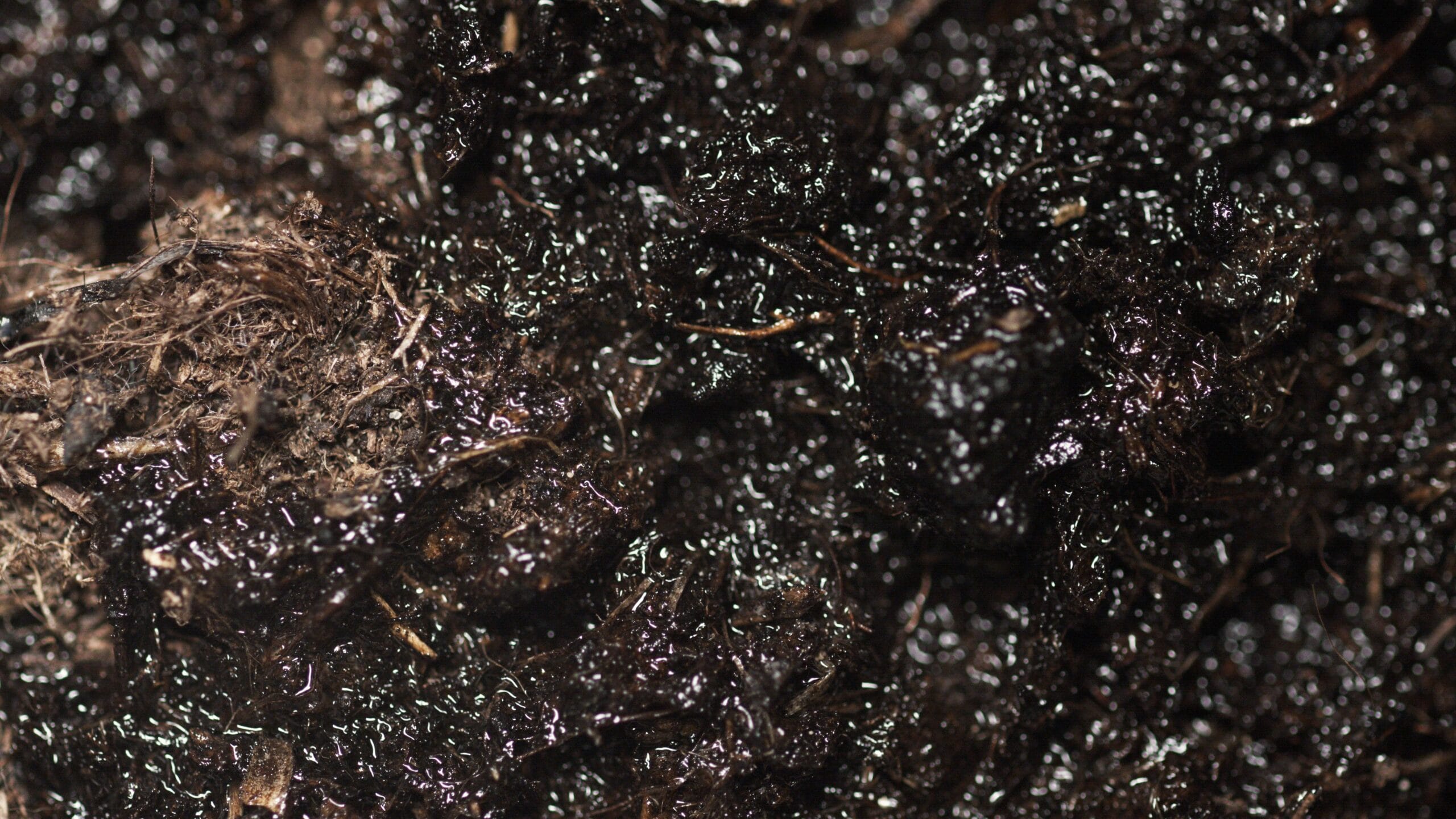
How to Improve Soil Health: 10 Practical Ways for a Healthier Garden
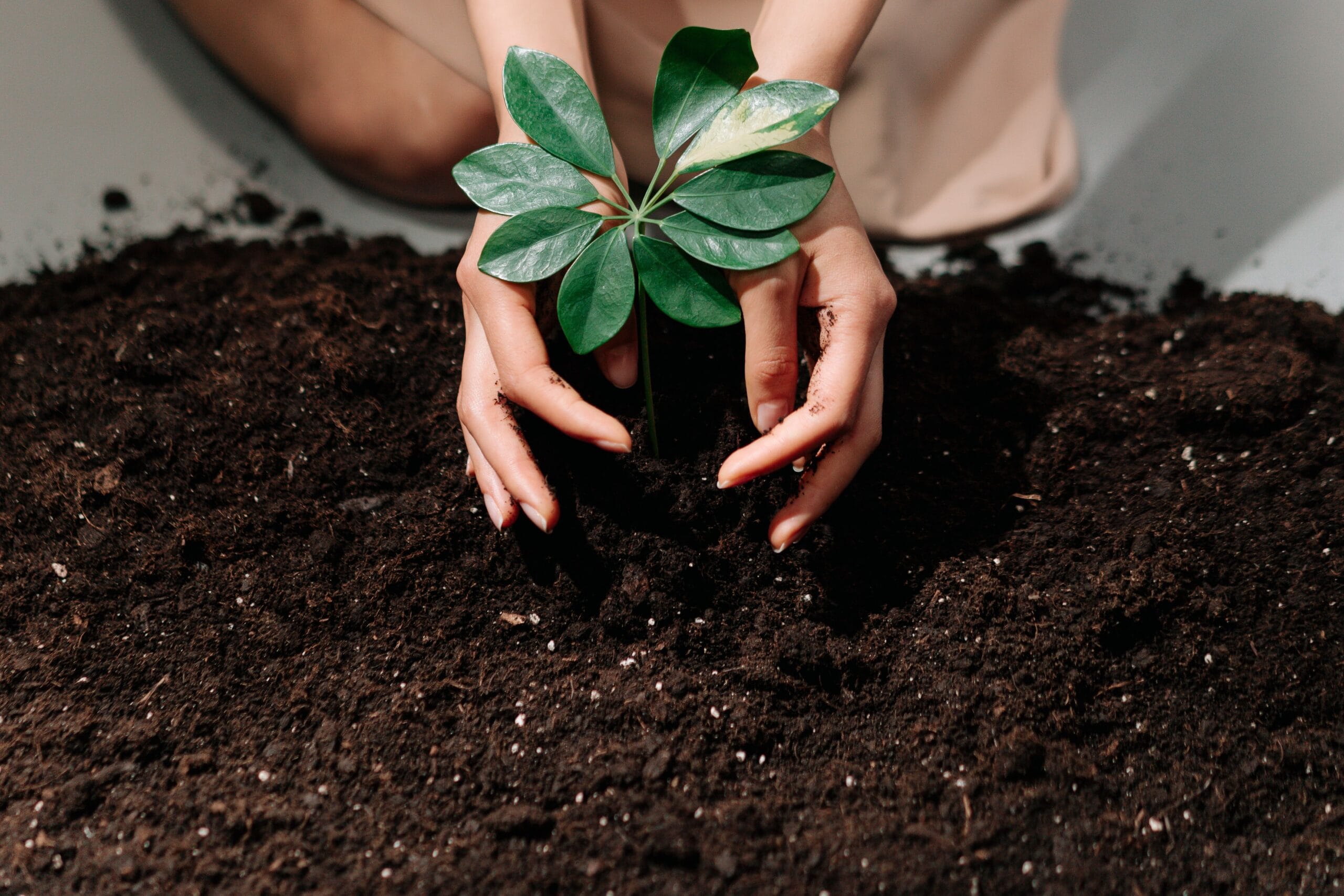
Soil Health Indicators: 9 Ways to Measure Healthy Soil
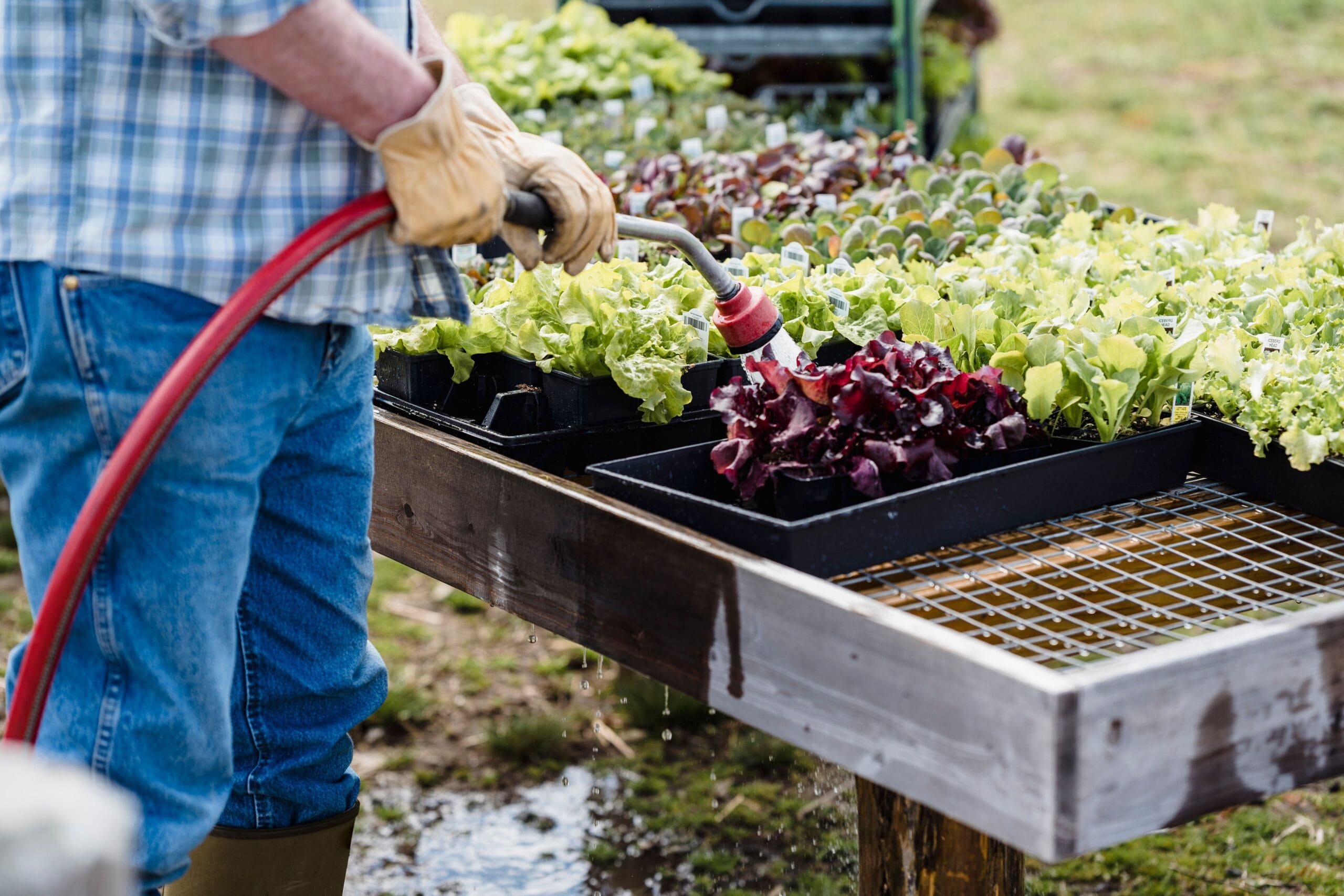
Organic Soil Solutions: 7 Amendments for Healthier Garden Soil
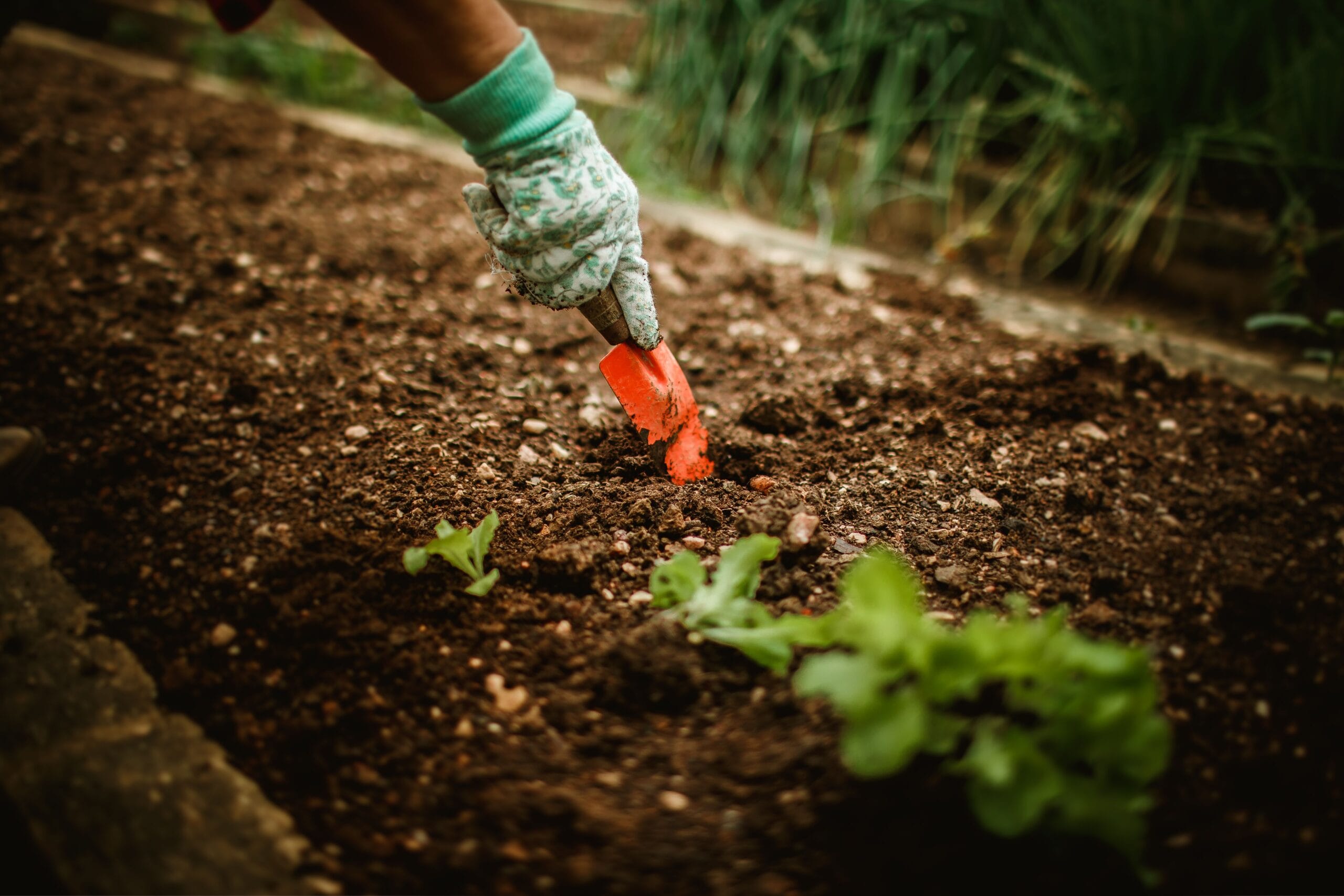
Compost Tea Recipes: 3 Easy Methods for Your Garden
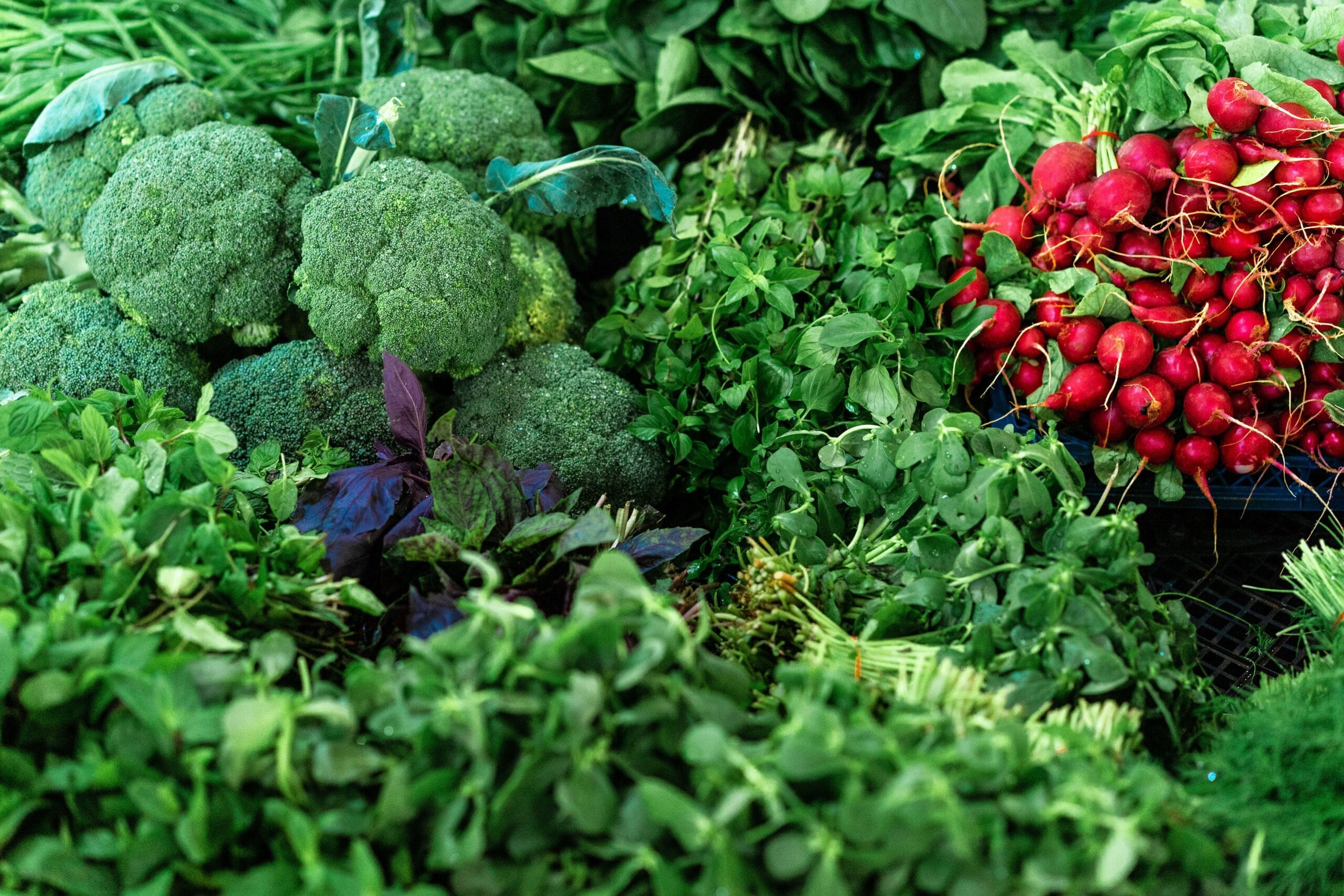
7 Gut-Healthy Foods You Can Grow in a Home Garden
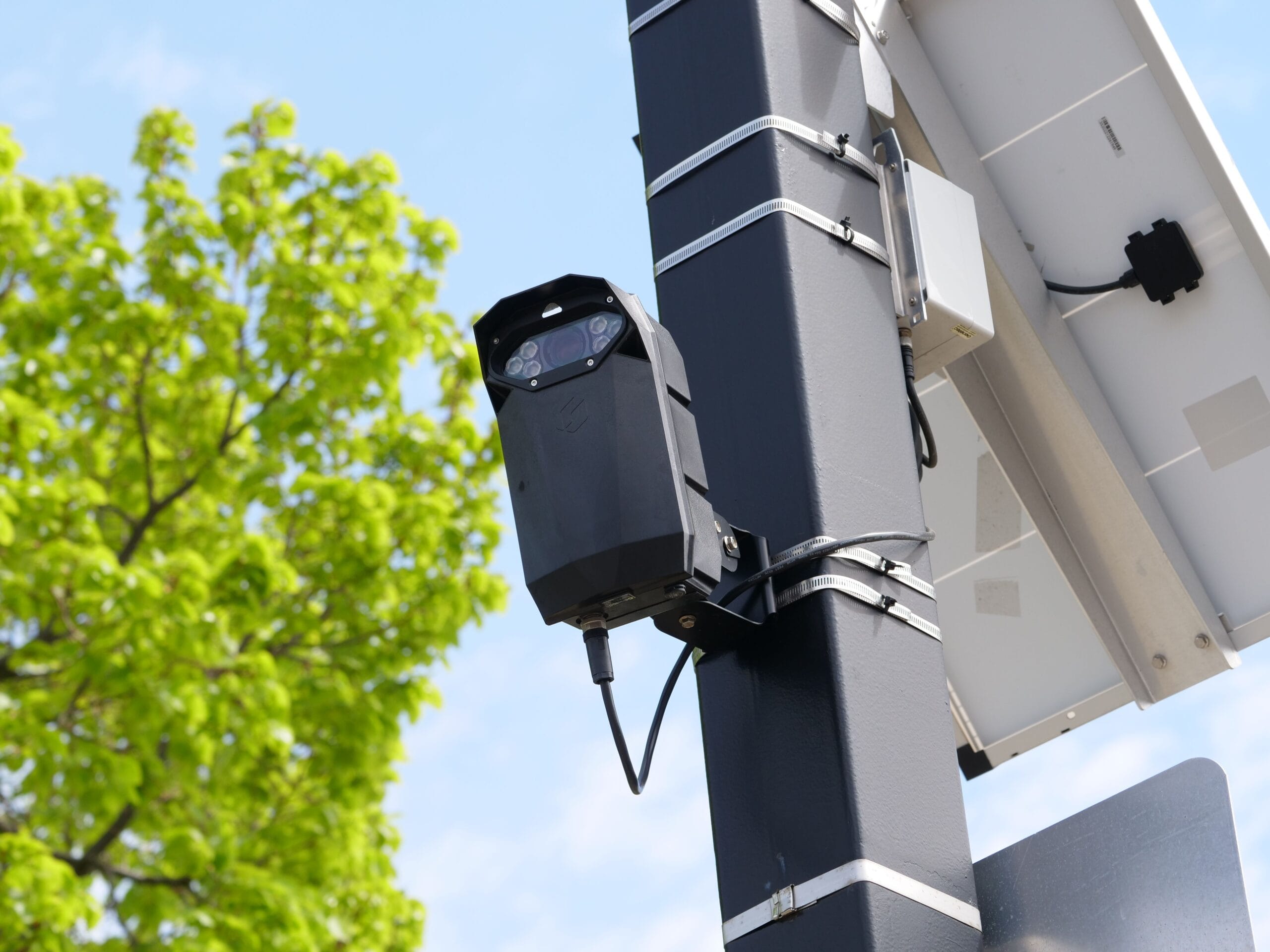
Smart Garden Sensors: Types, Benefits, Setup & Buying Guide
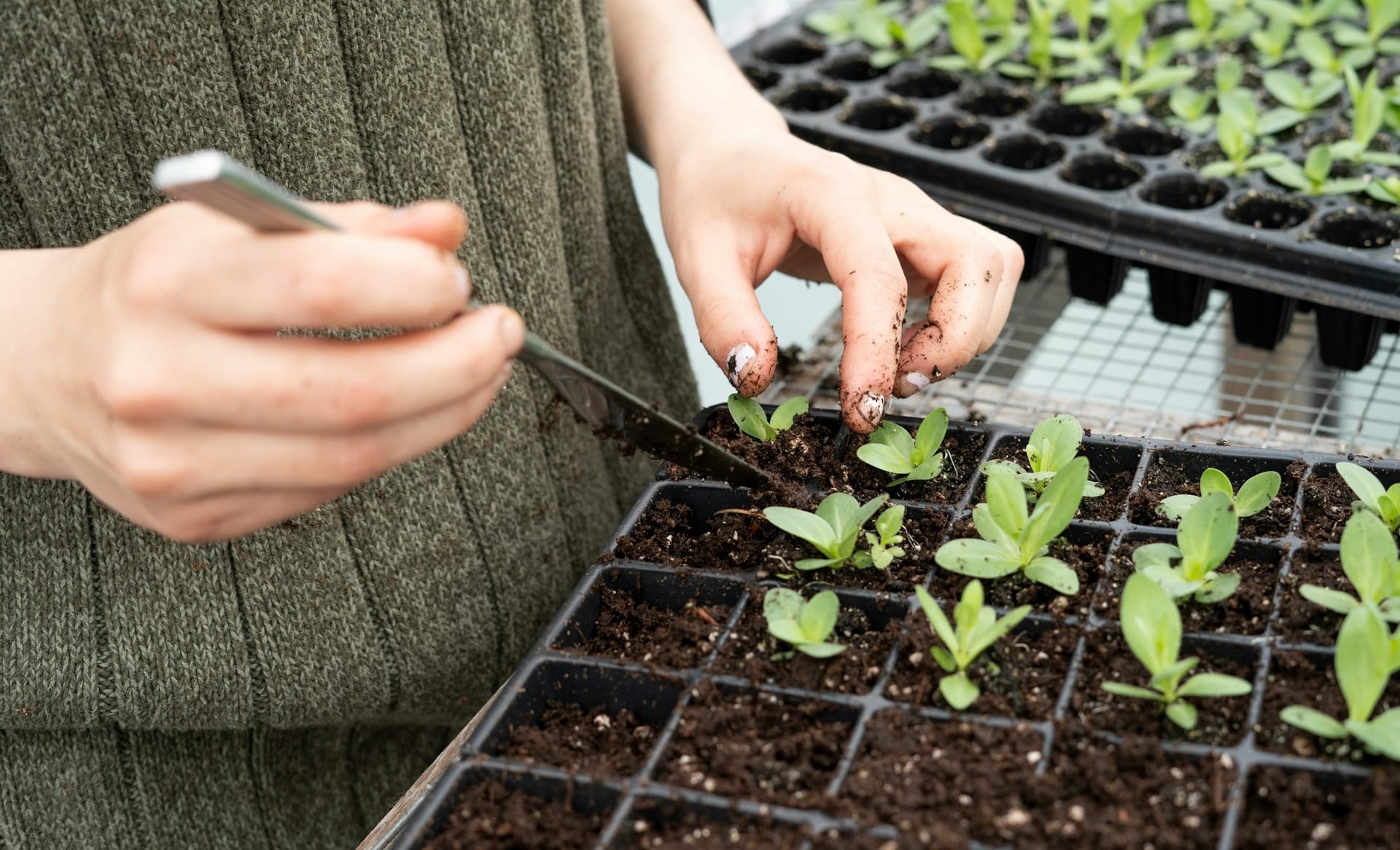
Complete Gardening Guide: How to Start, Grow, and Care for a Home Garden
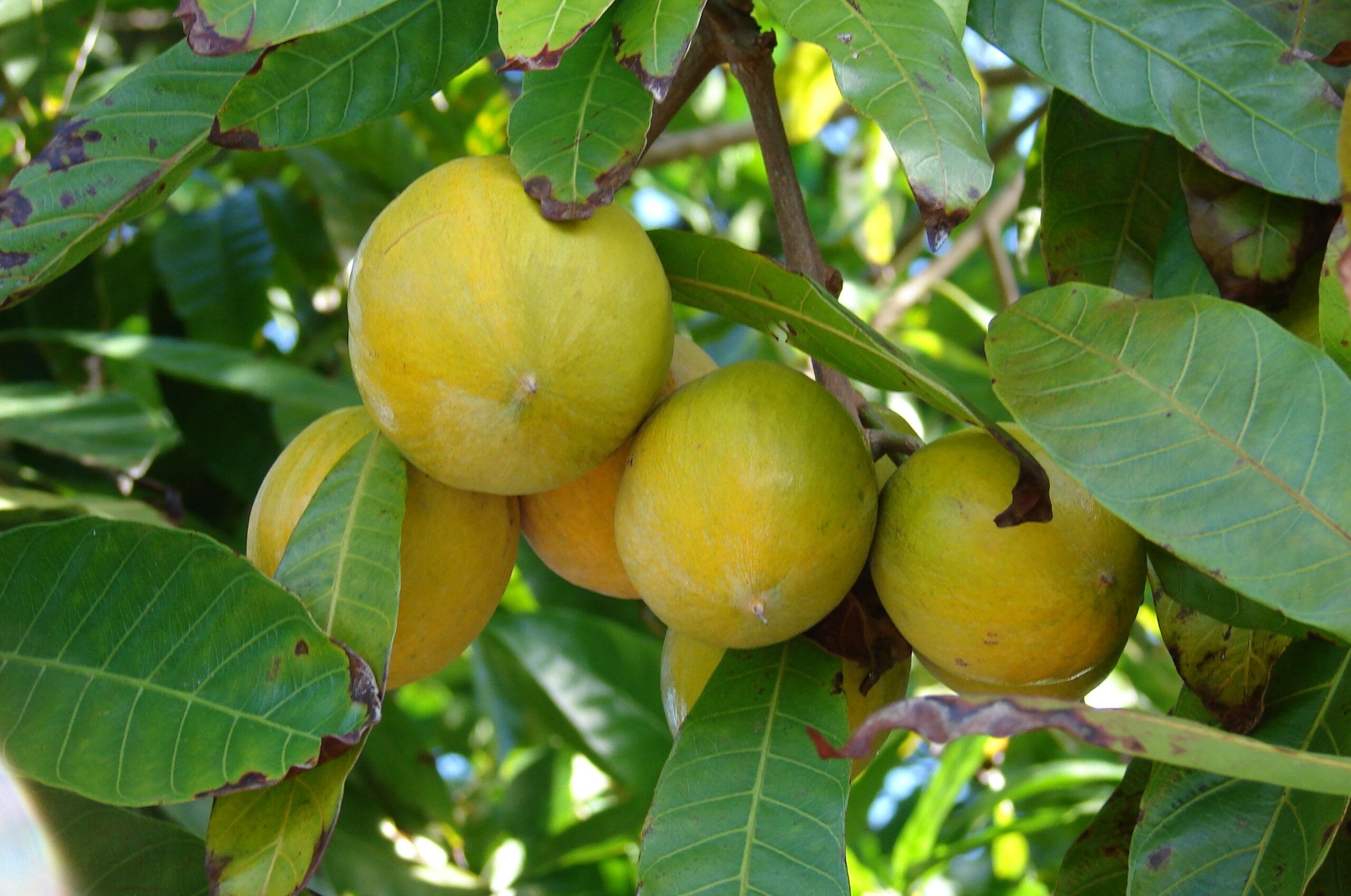
Tiesa (Canistel) Benefits, Nutrition, Uses and Safety