Welcome to the Cryptocurrency section of Money For My Beer, where we explore digital assets, blockchain-based platforms, crypto earning opportunities, trading concepts, security, and practical ways to understand the cryptocurrency world.
Cryptocurrency can be complicated, especially when prices, fees, exchanges, wallets, regulations, and new technologies are constantly changing.
Our goal is to make these topics easier to understand through practical guides, explainers, research, and real-world examples.
You’ll find articles covering topics such as Bitcoin, Ethereum, cryptocurrency faucets, exchanges, wallets, transaction fees, crypto earning opportunities, trading concepts, security, scams, and the practical considerations that come with using digital assets.
What Is Cryptocurrency?
Cryptocurrency is a form of digital asset that uses cryptographic technology and blockchain-based systems to record and verify transactions.
Bitcoin was the first widely known cryptocurrency, while Ethereum introduced a broader platform for decentralized applications and programmable transactions.
Today, the cryptocurrency ecosystem includes thousands of different assets and a wide range of services and applications.
That variety is one reason crypto can be difficult to understand. Different cryptocurrencies, networks, wallets, exchanges, and applications can work in very different ways.
Our guides focus on explaining these differences in practical language.
Bitcoin and Other Cryptocurrencies
Bitcoin remains the most widely recognized cryptocurrency, but it is only one part of the broader digital-asset ecosystem.
Other cryptocurrencies can differ in their purpose, technology, transaction model, supply, network design, and use cases.
Some are designed primarily as digital assets, while others are associated with smart-contract platforms, applications, stablecoins, payments, or other blockchain-based systems.
When researching a cryptocurrency, it is useful to look beyond its price and understand what the asset and network are actually designed to do.
Ethereum and Smart-Contract Networks
Ethereum is more than a cryptocurrency.
The Ethereum network supports smart contracts and decentralized applications, which has helped create an ecosystem involving tokens, decentralized finance, NFTs, and other blockchain-based applications.
However, using a blockchain network can involve transaction fees, confirmation times, network congestion, and other technical considerations.
Our Ethereum micro-trading guide explores one example of how transaction fees can affect very small trades and why the numbers matter when considering whether a strategy is practical.
Ways People Earn Cryptocurrency
Some websites and applications offer cryptocurrency rewards in exchange for completing tasks, playing games, participating in promotions, or using specific services.
One example is the cryptocurrency faucet model, where users can receive small amounts of cryptocurrency for completing simple activities.
Our guide to legitimate cryptocurrency faucets looks at how these platforms work and what to consider before spending your time on them.
However, earning cryptocurrency is not the same as earning guaranteed income.
Reward amounts can change, platforms can close or change their rules, withdrawal requirements can vary, and the value of a cryptocurrency can fluctuate significantly.
Always evaluate the time required, withdrawal conditions, fees, and risks before participating.
Buying and Using Cryptocurrency
People can acquire cryptocurrency through exchanges, wallets, payment services, and other platforms.
The exact process depends on the country, service provider, cryptocurrency, and applicable regulations.
For example, our article covering the Binance situation in the Philippines explores the local exchange landscape and alternatives discussed in that context.
Because cryptocurrency services and regulations can change, readers should verify current availability, licensing, fees, and requirements directly with the relevant provider before using a platform.
Crypto Wallets and Security
Owning cryptocurrency means paying attention to security.
A wallet may control the keys needed to access digital assets, while exchanges and other services may hold assets on a user’s behalf.
Important security concepts include:
Private keys: These can provide control over crypto assets and should be protected carefully.
Seed phrases: A recovery phrase can provide access to a wallet and should never be shared with someone claiming to need it.
Passwords and authentication: Strong, unique credentials and appropriate multi-factor authentication can reduce account-security risks.
Phishing: Fake websites, messages, support accounts, and applications can be designed to steal login details or wallet information.
Transactions: Blockchain transactions are often difficult or impossible to reverse once confirmed, so addresses and transaction details should be checked carefully before sending funds.
Security should be treated as part of using cryptocurrency, not as something to think about only after a problem occurs.
Crypto Scams and Common Risks
Cryptocurrency scams can take many forms.
Examples include fake investment platforms, phishing attempts, fraudulent giveaways, impersonation, fake support accounts, malicious wallet applications, unrealistic profit claims, and schemes that require users to send cryptocurrency before receiving a promised reward.
Be especially cautious when someone promises:
- guaranteed profits
- unusually high returns
- completely risk-free crypto earnings
- urgent opportunities that require immediate payment
- free cryptocurrency in exchange for sensitive account information
- recovery of lost cryptocurrency in exchange for an upfront fee
A legitimate-looking website or social-media account is not enough to establish that an opportunity is trustworthy.
Check the provider, verify the official website, read the current terms, and avoid sending funds simply because someone claims that you will receive more in return.
Understanding Crypto Fees
Transaction fees are an important part of using cryptocurrency.
Depending on the network, you may encounter network fees, exchange fees, withdrawal fees, trading fees, or currency-conversion costs.
These costs can have a particularly large effect on small transactions.
A strategy that appears profitable before fees may no longer be profitable after accounting for the full transaction cost.
When evaluating a cryptocurrency opportunity, consider the total cost of the transaction, not just the advertised reward or potential gain.
Cryptocurrency Changes Quickly
Cryptocurrency is an evolving industry.
Prices, exchange policies, network fees, regulations, supported assets, product features, and platform availability can all change over time.
An article that was accurate several years ago may contain information that is no longer current.
For that reason, our crypto content should be treated as a starting point for research rather than a substitute for checking current information directly with exchanges, blockchain networks, regulators, and other authoritative sources.
Where appropriate, we aim to identify dates, assumptions, and sources so readers can better understand how current a particular piece of information is.
Understanding Risk Before Using Crypto
Cryptocurrency can involve substantial financial and technical risks.
Prices can be highly volatile. Platforms can fail or become unavailable. Transactions can be irreversible. Accounts can be compromised. Rules and regulations can change.
There is also a difference between understanding how a cryptocurrency or strategy works and deciding whether it is suitable for you financially.
Our goal is to explain the subject, examine how different systems work, and highlight important considerations rather than promise returns or guarantee that a particular opportunity will be profitable.
Latest Cryptocurrency Articles
Below this guide you’ll find the latest articles published in the Cryptocurrency section.
As the category grows, we’ll continue covering topics such as Bitcoin, Ethereum, cryptocurrency earning opportunities, wallets, exchanges, blockchain networks, transaction fees, security, scams, and practical crypto guides.
The archive is designed to grow over time, so new cryptocurrency articles can be added without requiring this evergreen introduction to be rewritten whenever another article is published.
For more information about how Money For My Beer researches and presents financial and technology-related topics, visit the About Money For My Beer page.
Whether you’re trying to understand Bitcoin, learning how Ethereum works, researching a crypto platform, or simply trying to avoid common cryptocurrency mistakes, explore the latest articles below and use the information as a starting point for your own research.

Cryptocurrency: A Practical Guide for Beginners

Ethereum Micro-Trading: Is It Profitable After Fees?
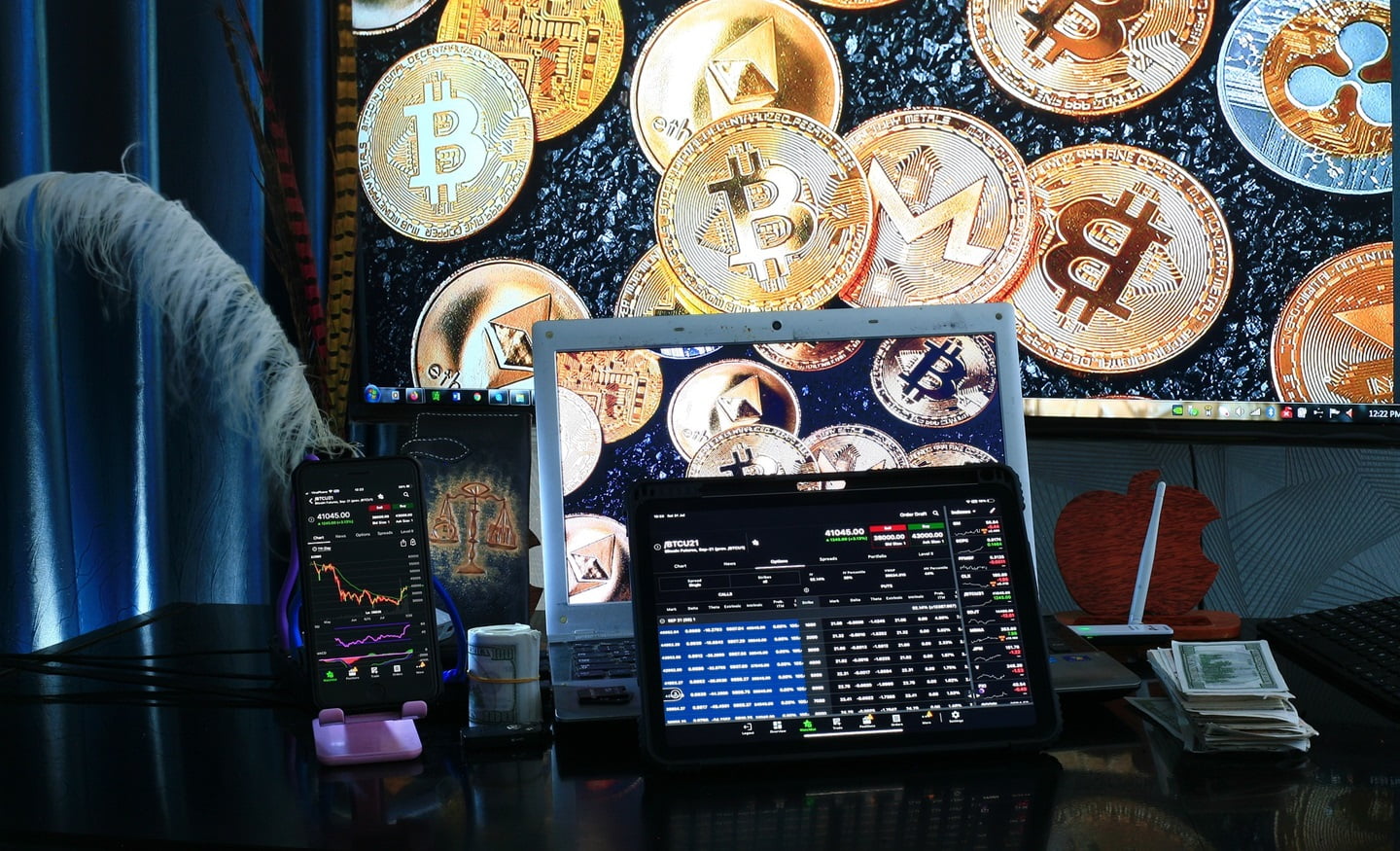
How To Safeguard Your Cryptocurrency Holdings: A Beginner’s Guide

Binance Ban In The Philippines Confirmed: SEC Proceeds Blocking Binance

Radiant Capital For Beginners: An Omnichain Money Market

Binance Lending: Lend Crypto And Earn Passive Cash

7 Most Common Cryptocurrency Scams (And How To Avoid Them)

Best Legit Cryptocurrency Faucets You Can Trust