Can you turn your weekly craft beer habit into a profitable side hustle? Yes – by collecting and redeeming empty cans and bottles you can earn cash, reduce waste, and even fund your next brew run. In most states you’ll get between 5 cents and 10 cents per aluminum can[EPA], and up to 10 cents per glass bottle[NRDC] where a deposit law exists, so a few dozen cans a week quickly add up. This is a perfect example of how to start a side hustle that aligns with your love of beer.
It’s a great way to generate extra income for beer lovers who want to turn their passion into cash while supporting sustainability.
Updated October 2026 with the latest recycling rates.
How a Can Recycling Side Hustle Actually Works for Beer Enthusiasts

The math behind aluminum cans vs. glass bottles starts with weight. An empty aluminum can weighs about 14 grams[Aluminum Association], while a standard 12‑oz glass bottle is roughly 170 grams[BottleShop]. Because scrap yards pay by the pound, a single pound of cans contains about 70 cans[Aluminum Association], whereas a pound of bottles holds only 10 or so[BottleShop]. This means you’ll earn more per pound from cans, but many states add a 5‑cent deposit to each bottle, which can tip the balance in favor of glass if you’re near a redemption center.
Setting up your backyard staging area is the next step. Choose a dry, level spot near your trash bin and lay down a sturdy plastic sheet or a metal tray. Use a small hand‑crank baler or a simple cardboard box to keep cans upright and prevent them from rolling away. Label separate bins for cans and bottles – this makes sorting at the redemption center faster and reduces the chance of mixing materials, which can lower your payout.
Finding the Best Bottle Redemption Centers Near Me for Your Can Recycling Side Hustle
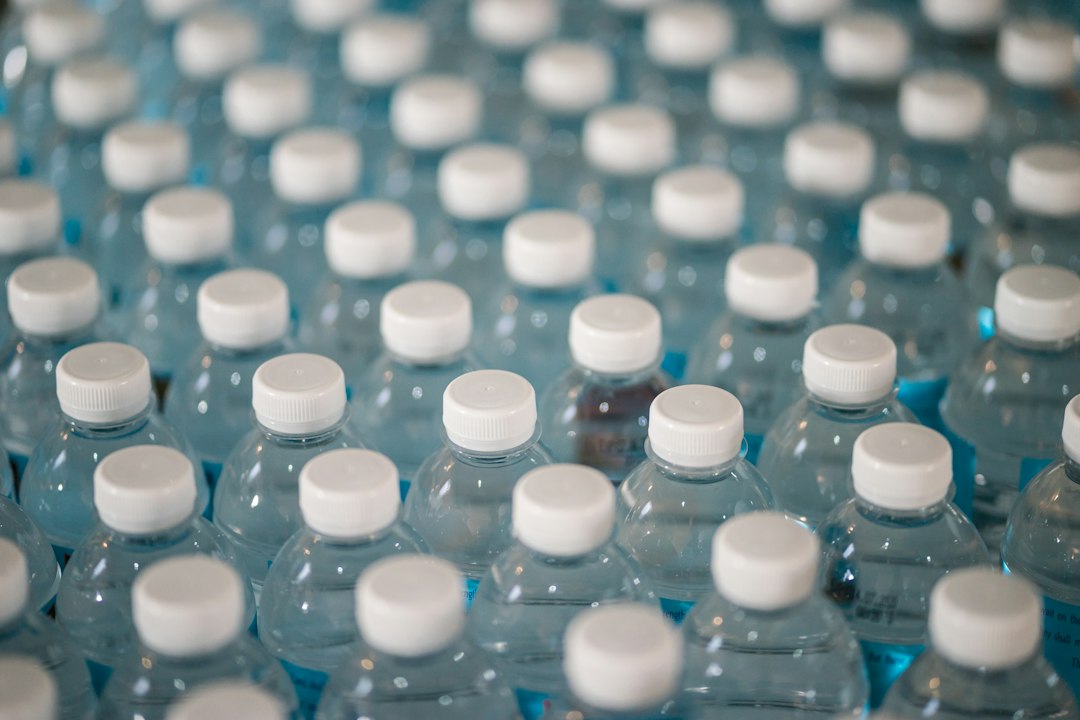
Bottle bill states vs. non‑bottle‑bill states determine whether you receive a deposit on glass. Several U.S. states and the District of Columbia have container‑return laws that pay 5 cents per bottle[NRDC]. If you live outside those areas, focus on scrap metal yards that pay by weight. Check each facility’s website or call ahead to confirm current rates, because prices can swing up to 15 percent based on market demand for aluminum[Metal Bulletin].
Scrap metal yards vs. dedicated redemption centers often differ in speed and payout structure. Scrap yards typically accept bulk cans and pay a flat rate per pound, while redemption centers may require you to bring bottles in batches and issue cash or vouchers on the spot. If you’re collecting large volumes, a scrap yard will usually give a higher total payout, but a redemption center can be more convenient for quick trips.
Maximizing Profits in Your Can Recycling Side Hustle While Making Money Recycling Aluminum

Should you crush your cans? Crushing reduces volume by up to 80 percent, letting you fit more cans into a single bag or container. Most redemption centers accept crushed cans, but a few pay a higher rate for whole cans because they require less processing. Test both methods: weigh a bag of whole cans, then crush the same cans and re‑weigh. If the weight loss is under 5 percent, crushing is worth the effort.
Sorting by grade and material purity can add extra dollars. Aluminum cans are classified as “#310” grade, but some centers pay a premium for “clean” cans free of paint, stickers, or food residue. Rinse cans quickly with a garden hose and let them dry before storing. If you encounter mixed metals (e.g., steel cans), separate them – steel usually fetches a lower price, and mixing can lower the overall grade of your load.
Sourcing Extra Inventory Beyond Your Own Fridge

Partnering with local pubs and breweries turns a casual conversation into a steady supply line. Offer to drop off a sealed bin weekly and split the redemption cash 50/50 – the venue stays tidy, and you get bulk cans without extra effort. Many craft breweries are eager to promote sustainability, so mention that you’re supporting a “green” initiative.
Case study: Jane, a craft‑beer enthusiast in Portland, started collecting cans from three nearby taprooms. By scheduling weekly pickups and crushing cans on‑site, she amassed 2,500 cans per month. At a local scrap yard paying $0.55 per pound, she earned roughly $70 monthly, which she reinvested in home‑brewing equipment. Her success illustrates how consistent sourcing and efficient processing can turn a modest hobby into a steady stream of extra income.
Scouting tailgates and community events is another gold mine. Large gatherings generate dozens of cans in a short time. Bring a sturdy tote, ask the organizer for permission to collect, and promise a quick clean‑up. You’ll often find that event hosts are happy to let you help, especially if you leave the area cleaner than you found it.
Using free apps such as RecycleNow or iRecycle helps you locate the highest‑paying redemption centers and track daily market prices. Many apps also let you set price alerts, so you’re notified when aluminum scrap rates climb, ensuring you time your trips for maximum profit.
Executing a Smooth Beer Bottle Cash Out

Timing your trips for peak scrap prices can boost earnings by 10‑15 percent[Metal Bulletin]. Aluminum prices typically rise in late summer and early fall when beverage manufacturers increase production[US Metal Markets]. Follow the U.S. Metal Markets Report or set Google Alerts for “aluminum scrap price” to catch spikes, then schedule your drop‑off accordingly.
Avoiding common weight and scale scams saves you from losing cash at the last minute. Some centers use overloaded bins that exceed the scale’s capacity, causing an inaccurate low reading. Bring a portable digital scale (e.g., a kitchen scale that measures up to 5 kg) to double‑check the weight before the clerk records it. If the numbers differ, politely ask for a re‑weigh.
For those who prefer cash‑less options, many redemption centers now issue prepaid cards or digital vouchers. These can be convenient if you’re tracking expenses for a side‑hustle budget. daily‑pay side hustles
Overcoming the Common Pitfalls of a Can Recycling Side Hustle
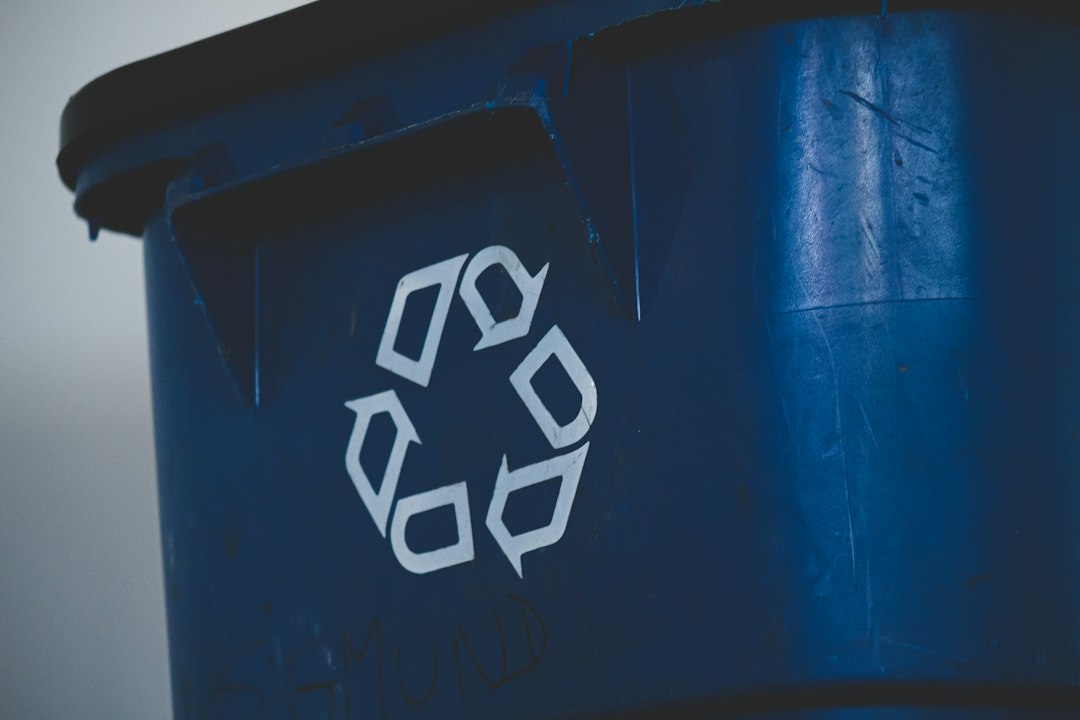
Managing pests and sticky residue is essential when you store thousands of cans. Food residue attracts ants and flies, while moisture can cause rust. Rinse cans promptly, let them air‑dry, and store them in sealed, ventilated containers. Adding a few dryer sheets to the bin can deter insects without contaminating the metal.
Vehicle wear and tear from heavy loads can eat into profits. Many full‑size sedans can handle around 300 pounds, but it’s wise to check your vehicle’s load capacity[Consumer Reports]. If you plan to haul more than 500 pounds weekly, consider renting a small cargo van or using a utility trailer. The rental cost often pays for itself after a few weeks of higher payouts.
Don’t forget to protect yourself while lifting. Use a dolly or hand truck, bend at the knees, and keep the load close to your body. Over‑exertion is a hidden cost that can turn a profitable side hustle into a medical bill.
Secure your operations with basic website security tips if you ever set up an online marketplace for bulk can sales. website security tips
FAQ
How much money can you realistically make with a can recycling side hustle?
Most collectors earn between $0.05 and $0.10 per can. If you gather 200 cans a week, that’s roughly $10 to $20 weekly, or $40‑$80 monthly. Adding glass bottles with a deposit can increase earnings by another $5‑$15 per week, depending on local laws.
Do bottle redemption centers near me pay cash or issue vouchers?
Both options are common. Many centers hand out cash on the spot, while larger chains often provide prepaid cards or digital vouchers that can be used at grocery stores. Choose the method that best fits your budgeting style.
Is it better to crush aluminum cans when making money recycling aluminum?
Crushing saves space and lets you transport more cans per trip. Most redemption centers accept crushed cans, but a few pay a premium for whole cans. Test both methods with a small batch to see which yields a higher net payout after accounting for volume.
What are the best tips for scoring free cans for a scrap metal side hustle?
Build relationships with local bars, breweries, and event organizers. Offer to take their empty cans for free in exchange for a tidy space. Attend community festivals, tailgates, and sports games where large crowds generate bulk waste, and always bring a sealed bin to keep the collection organized.
How should I store thousands of cans without annoying my neighbors?
Use airtight, stackable containers with a lid to contain odor and prevent insects. Keep the storage area on a raised platform or concrete slab to avoid moisture buildup. If you’re in an apartment, consider a portable trash can with a lockable lid and schedule weekly pickups to keep the volume low.
Also Read: Beer Basics: A Practical Guide
Well, what do you think about the article?
Did you enjoy reading “Turn Empty Bottles into Extra Cash: The Ultimate Can Recycling Side Hustle”? We really hope that you have enjoyed.
If you have any thoughts or comments about this post, please feel free to share them in the comment section below. We appreciate your feedback and would be glad to hear from you.
To see more content like this check the Beermoney section of Money For My Beer.

Chief Editor and Website Owner.
Hi, I’m Ryan. I write and edit everything on this site, which means I’m the last set of eyes on every post before it goes live. By day I’m a technical architect. I design and build enterprise systems, apps, websites, and the occasional game.
This site started because I wanted one place where money advice for regular people doesn’t read like it was written by a finance robot. My goal is simple: every article should be genuinely useful, actually tested against what real people are searching for, and written in plain English. No jargon, no “get rich quick,” no advice I wouldn’t follow myself.
You’ll see a lot of topics here that lean on my engineering background: software reviews, tools, and tech-adjacent money stuff. Where a topic needs real financial expertise, I say so plainly and point you to qualified sources rather than pretending.