
Hosting a Super Bowl watch party can be a way to earn extra money through ticket sales, food packages, and sponsorships. However, a successful event takes more than inviting guests and charging admission. You need to estimate expenses, attract enough paying attendees, and understand the rules that apply to your event.
The key is to plan around your actual costs rather than assume a watch party will generate a particular profit. Food, serving supplies, equipment, payment fees, and other expenses can add up quickly. A small gathering may simply help cover costs, while a larger or better-planned event may have more room to generate a surplus.
If you are comparing this idea with other ways to earn extra income, see our guide to 10 ways to make money in your spare time.
As of October 2026, Super Bowl LXI is scheduled for Sunday, February 14, 2027. Check the NFL’s official schedule before committing to event arrangements.
This guide focuses primarily on U.S. readers. Laws and requirements vary by location, so confirm the rules that apply to your venue and business arrangement before accepting paid bookings.
Last reviewed: October 27, 2026
Quick Facts About Making Money Hosting a Super Bowl Watch Party
- Potential income sources: Admission fees, permitted food sales, sponsorships, and partnerships with vendors.
- Main expenses: Food, nonalcoholic drinks, serving supplies, equipment, cleaning, marketing, payment fees, and any applicable permits or insurance.
- Best way to set prices: Estimate your costs, calculate break-even attendance, and compare your proposed experience with local alternatives.
- Biggest risks: Low attendance, overspending, food waste, and overlooking legal or insurance requirements.
- Profit expectations: No single profit estimate applies to every event. Actual results depend on revenue, expenses, attendance, and the value of your time.
How Can a Super Bowl Watch Party Make Money?
There are several ways to generate revenue from a watch party, but the best approach depends on your venue, intended audience, budget, and local requirements.
1. Charge Admission for a Planned Experience
Charging admission can make your revenue easier to estimate before the event. Guests pay for a defined experience, such as comfortable seating, a suitable viewing setup, snacks, nonalcoholic drinks, and organized activities.

Before setting a ticket price, decide exactly what admission includes. A simple gathering with snacks has a different cost structure from an event offering catered food, reserved seating, or a premium hospitality experience.
Estimate your expenses first, then check comparable events in your area to see whether the proposed price makes sense for your audience.
Do not assume that collecting an admission fee makes every additional activity legal. Alcohol service, commercial screenings, and public events can involve separate rules.
2. Offer Food and Nonalcoholic Drink Packages
Food packages can simplify ordering and help you manage portions. Depending on local requirements, you could offer a small selection of game-day favorites, such as:
- Chips, salsa, and dips.
- Wings or other finger foods.
- Nachos or mini sandwiches.
- Popcorn and other simple snacks.
- Water, soda, and other nonalcoholic beverages.
Keep the menu manageable. A few well-planned options can be easier to prepare and budget for than a large menu with many ingredients.
Do not rely on generic claims about how much each serving costs or how much you can mark it up. Ingredient prices, portion sizes, preparation time, and local customer expectations vary. Obtain current supplier prices and calculate your actual cost per serving.
Include condiments, cooking ingredients, serving materials, delivery charges, and expected waste in your calculations. If you prepare or sell food to paying guests, verify whether food-service permits or other requirements apply.
3. Approach Local Businesses About Sponsorships
Sponsorships can provide additional revenue or reduce some of your event costs. Potential partners could include local restaurants, food businesses, beverage brands, and breweries that want to reach a relevant audience.
Prepare a short proposal explaining:
- The event date, format, and intended audience.
- Your realistic estimate of attendance.
- The promotional exposure you can offer, such as signage or social media mentions.
- Whether you are requesting cash, products, or another form of support.
- What the sponsor will receive in return.
Be realistic about the value of your event. If this is your first watch party, you may not have attendance figures or promotional results from previous events to demonstrate. Explain your plans clearly rather than promising guaranteed exposure or sales.
Do not build a budget around a sponsorship until the arrangement is confirmed. Free products can reduce expenses, but they are not equivalent to cash that can pay outstanding bills.
If you are interested in earning money from brewery promotions outside your own event, see our guide to brewery brand ambassador jobs and how to apply.
4. Partner With Established Food or Beverage Vendors
Another option is to work with a caterer, food truck, or appropriately licensed beverage business. A vendor may handle its own sales while you agree on a suitable arrangement for providing the venue, organizing the event, or promoting the experience.
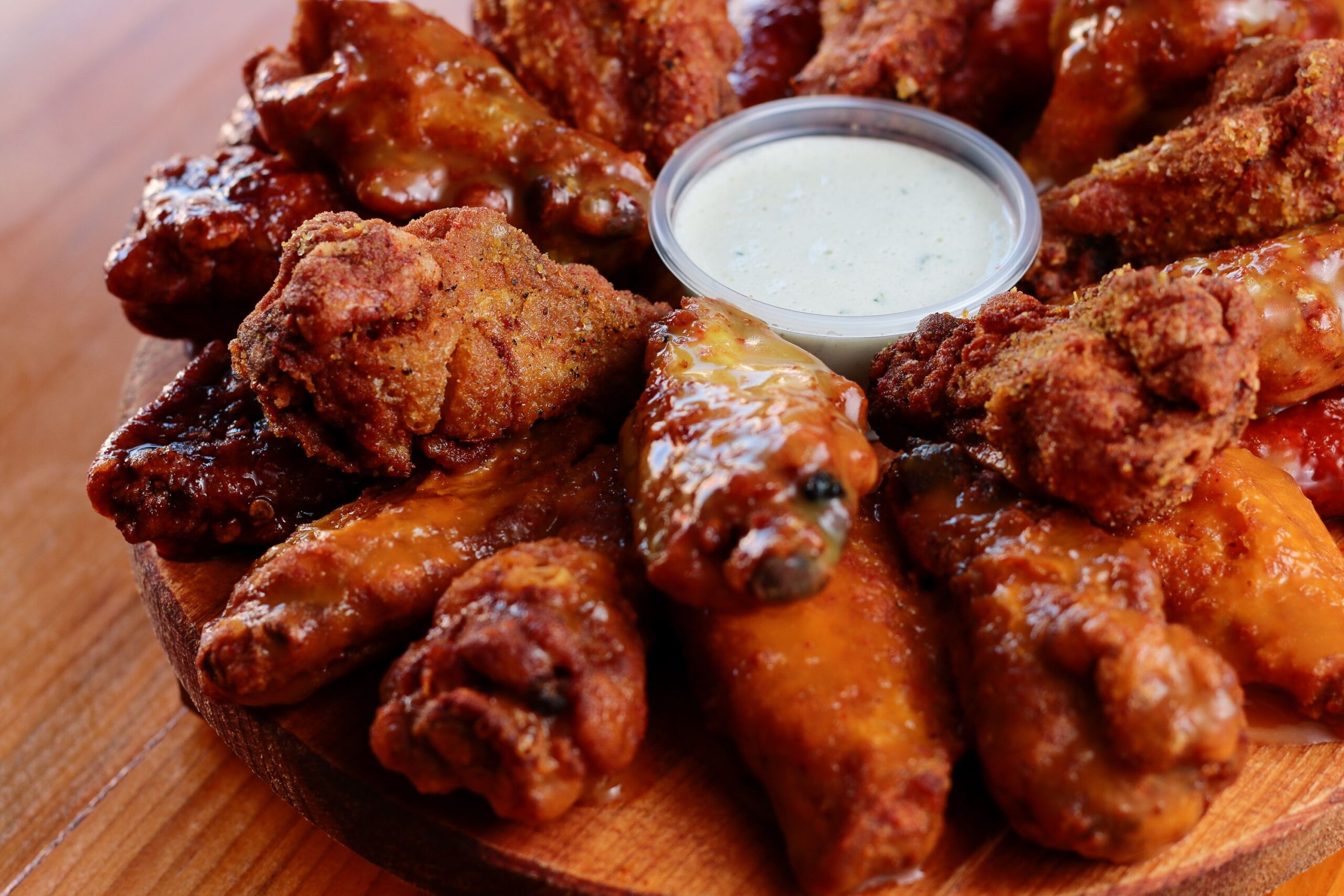
Before making an agreement, clarify who is responsible for purchasing supplies, handling payments, serving customers, managing refunds, and meeting applicable legal requirements.
Put the responsibilities and compensation in writing. Working with a licensed vendor can be useful, but it does not automatically remove every legal obligation that may apply to the event organizer.
If your event includes a beer-themed experience, you could also offer educational information about beer styles or food pairings, provided the activity complies with applicable rules. Our guide to beer styles and tasting basics is a useful starting point for understanding the differences between common styles.
For a game-day beverage idea, see our guide to making a Michelada beer cocktail. If you plan to sell or include alcohol at a paid event, confirm the rules that apply to your arrangement first.
How to Price Your Super Bowl Watch Party
There is no universal ticket price that guarantees a profit. The right price depends on the expected turnout, the experience you provide, your expenses, and what your intended audience is willing to pay.
Start with this calculation:
Operating surplus = Total revenue − Total event expenses
Total revenue can include admission fees and confirmed sponsorship contributions. Expenses can include food, beverages, serving supplies, equipment, cleaning, marketing, booking fees, and any applicable venue, permit, or insurance costs.
Consider this hypothetical example for an event with 30 paying guests:
| Item | Illustrative amount |
|---|---|
| Ticket revenue: 30 guests × $20 | $600 |
| Food and nonalcoholic drinks | $240 |
| Serving supplies | $60 |
| Equipment, setup, and cleanup | $75 |
| Promotion and booking costs | $30 |
| Other event-specific expenses | $45 |
| Total expenses | $450 |
| Amount remaining | $150 |
These figures are examples to demonstrate the calculation, not typical event costs or an earnings forecast. The $45 allowance is a hypothetical placeholder, not an estimate of actual permit or insurance prices. Replace every figure with your own quotes and budget.
The $150 remaining is before accounting for the organizer’s time, taxes, and any overlooked costs. Actual results could be lower or negative, particularly if attendance falls short or additional expenses arise.
Calculate Your Break-Even Attendance
Break-even attendance tells you how many paying guests you need to cover your estimated costs.
Break-even attendance = Fixed costs ÷ (Ticket price per guest − Variable cost per guest)
Using the example above, suppose fixed costs are $150, each ticket costs $20, and food and serving supplies cost $10 per guest.
Each guest contributes $10 toward fixed costs after those per-person expenses. Dividing $150 by $10 means you need 15 paying guests to break even under these assumptions.
For an actual event, account for transaction fees and other expenses that change with ticket sales. If required permits, insurance, or venue costs are higher than expected, you will need more paying guests or a different pricing structure.
Use the calculation to decide whether the event is financially worthwhile before committing to purchases.
How to Keep Watch Party Costs Under Control
Confirm Demand Before Buying Supplies
Estimate attendance using confirmed bookings rather than relying entirely on informal expressions of interest.
If your budget depends on a minimum number of guests, set a deadline for deciding whether the event will proceed. Explain your cancellation and refund policy before accepting payments.
Keep the Menu and Setup Simple
Choose a menu that fits your budget, preparation time, and available storage. Check whether you already have suitable equipment before purchasing new items.
Estimate portions using the number of confirmed guests and account for dietary requirements. A smaller, well-managed menu may be more practical than buying a large variety of ingredients that could go unused.
Plan how food will be cooked, stored, served, and cleaned up. The official game-day food safety guidance from FoodSafety.gov recommends keeping hot food at 140°F or above and cold food at 40°F or below. Perishable food should not be left at room temperature for more than two hours, or one hour when the temperature is above 90°F.
Track Every Expense
Keep receipts for food, supplies, equipment, promotion, and other event-related purchases. Record all ticket revenue and sponsorship contributions as well.
After the event, compare actual results with your original budget. Note how many guests attended, which expenses were higher than expected, how much food remained, and how much time you spent preparing and cleaning up.
This information will help you decide whether another event is worthwhile and make your next budget more accurate.
Legal and Insurance Considerations Before Charging Guests
A paid watch party can involve more than ordinary party planning. Requirements depend on the venue, what you charge for, how you advertise the event, and whether you provide food, alcohol, or access to a commercial screening.
Check Alcohol Sales and Service Rules
Do not assume that you can sell beer at home simply because the event is private, or that a cover charge makes an alcohol arrangement legal.

For U.S. readers, the Alcohol and Tobacco Tax and Trade Bureau’s alcohol FAQs explain that state governments generally regulate retail alcohol sales and service. The agency also notes that alcohol consistently included with a paid service, or advertised as complimentary to paying customers, can result in the organizer being treated as a retail liquor dealer.
Bundling beer into a ticket or calling it free is therefore not a dependable workaround for licensing requirements. Before selling or including alcohol in a paid package, check the precise arrangement with the relevant state and local authorities.
The official directory of alcohol beverage authorities can help U.S. readers identify the appropriate regulator. If the rules are unclear, obtain qualified legal advice before proceeding.
Check Broadcast and Streaming Restrictions
A private gathering in a home is not necessarily subject to the same requirements as a paid public screening at a commercial venue.
In the United States, copyright law sets conditions for receiving copyrighted broadcasts in public establishments. A direct charge to watch a transmission or retransmitting it to the public can affect which exemptions apply.
Do not assume that an ordinary home television or streaming subscription automatically authorizes a paid commercial screening. Before advertising a public event, confirm what your broadcast provider and relevant rights holders permit. For more context, see Chapter 1 of Title 17 of the U.S. Copyright Act.
Similarly, do not stream the game to paying online viewers or retransmit its footage or audio without the necessary rights. A virtual watch-along must not be treated as permission to redistribute the game itself.
Be Careful With NFL and Team Branding
When advertising your event, do not imply that it is officially affiliated with the NFL or a team. Avoid using NFL or team logos, official artwork, and other protected materials without the necessary authorization.
For additional information, review the NFL’s official terms and conditions. If your commercial use of names or marks is unclear, seek appropriate legal advice.
Verify Permits, Insurance, and Venue Requirements
Check with the relevant local authorities about business registration, temporary-event requirements, food-service rules, occupancy limits, fire safety, zoning, and other requirements that could apply.

Also contact your homeowner’s insurer before hosting a paid gathering at home. Ask whether the policy covers paying guests and whether business activity, alcohol, or a larger event affects your coverage.
Do not assume your existing policy protects you against every claim, or purchase insurance based only on a generic price estimate. Compare actual policy terms, exclusions, and quotes for your circumstances.
Remember Tax and Recordkeeping Responsibilities
Income from a paid event can have tax implications. Keep records of your revenue and expenses, including any sponsorship or noncash contributions that may need to be accounted for.
For U.S. readers, the Internal Revenue Service’s guide to managing gig-work taxes explains income reporting and recordkeeping responsibilities. Tax treatment depends on your circumstances, so check the rules that apply to your activity.
Common Mistakes That Can Reduce Your Profit

- Setting prices without calculating costs: Work out your expenses and break-even attendance before announcing tickets.
- Overbuying food and supplies: Use confirmed bookings and realistic portions to reduce waste.
- Treating all revenue as profit: Include payment fees, equipment, cleanup, permits where applicable, and the value of your time.
- Relying on unconfirmed sponsors: Make sure the event budget is viable without sponsorship money that has not been agreed upon.
- Assuming a cover charge makes alcohol sales legal: Confirm the applicable licensing requirements before offering alcohol as part of a paid event.
- Ignoring screening and venue rules: Check broadcast rights, capacity limits, local permits, and insurance before advertising.
- Failing to review the results: Compare actual income and expenses with your budget before deciding whether to host another event.
Frequently Asked Questions
Can I really make money hosting a Super Bowl watch party?
Yes, it is possible, but there is no reliable profit figure that applies to every host. Your results depend on paid attendance, ticket prices, expenses, sponsorships, and the time you invest. Calculate your break-even point before spending money on the event.
How much should I charge for a Super Bowl watch party?
There is no universal price. Calculate your costs, estimate realistic attendance, and determine what guests will receive. Compare similar permitted events in your area and make sure your price can cover expenses without exceeding what your intended audience is willing to pay.
Can I sell beer at a Super Bowl party at home?
Do not assume that selling beer is permitted simply because the party takes place in a home or admission includes drinks. In the United States, state and local alcohol rules can apply to paid events and bundled offerings. Confirm the rules with the relevant licensing authority before selling or including alcoholic beverages.
Do I need a permit or business license to host a paid watch party?
That depends on the location, venue, event size, and activities involved. Food service, alcohol, public screenings, occupancy limits, and temporary-event requirements may be governed by different rules. Contact the relevant authorities instead of assuming that a one-time event is exempt.
Can I charge people to attend a virtual Super Bowl watch party?
Do not charge viewers for an unauthorized stream of the game or retransmit its video or audio without the necessary rights. If you are planning a paid online event, confirm what your broadcast provider, platform, and rights holders permit before accepting payments.
How can I find sponsors for a Super Bowl watch party?
Approach local businesses that have a genuine reason to reach your intended audience. Prepare a concise proposal covering the event format, realistic attendance, promotional opportunities, and the contribution you are requesting. Be clear about what the sponsor receives, and do not promise results you cannot substantiate.
Sources and Further Reading
- Alcohol and Tobacco Tax and Trade Bureau: Alcohol FAQs. Information about alcohol sales and service, including how certain paid offerings may be treated.
- Alcohol Beverage Authorities Directory. Contact information for relevant regulators.
- U.S. Copyright Office: Title 17, Chapter 1. Statutory background on copyright and the reception of copyrighted broadcasts.
- FoodSafety.gov: Game Day Food Safety Tips. Guidance on preparing, storing, and serving food safely.
- Internal Revenue Service: Manage Taxes for Your Gig Work. Guidance on income reporting and recordkeeping for U.S. gig workers.
- NFL Official Terms and Conditions. Information about NFL content and intellectual property restrictions.
- NFL Important Dates. Official schedule information to check when planning a future event.
Also Read: How to Make Money Selling Craft Beer Merch Online
Well, what do you think about the article?
Did you enjoy reading “How to Make Money Hosting a Super Bowl Watch Party”? We really hope that you have enjoyed.
If you have any thoughts or comments about this post, please feel free to share them in the comment section below. We appreciate your feedback and would be glad to hear from you.
To see more content like this check the Beermoney section of Money For My Beer.

Chief Editor and Website Owner.
Hi, I’m Ryan. I write and edit everything on this site, which means I’m the last set of eyes on every post before it goes live. By day I’m a technical architect. I design and build enterprise systems, apps, websites, and the occasional game.
This site started because I wanted one place where money advice for regular people doesn’t read like it was written by a finance robot. My goal is simple: every article should be genuinely useful, actually tested against what real people are searching for, and written in plain English. No jargon, no “get rich quick,” no advice I wouldn’t follow myself.
You’ll see a lot of topics here that lean on my engineering background: software reviews, tools, and tech-adjacent money stuff. Where a topic needs real financial expertise, I say so plainly and point you to qualified sources rather than pretending.