Mastering core beer tips begins with controlling storage temperatures between 45°F and 55°F, using clean style-specific glassware, and shielding liquid from ultraviolet light. For aspiring entrepreneurs, these fundamental handling rules form the basis for reviewing products, building online brewing guides, and recommending specialized equipment. By pairing quality serving practices with digital publishing strategies, enthusiasts can easily turn craft knowledge into a profitable web venture.
Essential Beer Tips for Better Taste and Storage
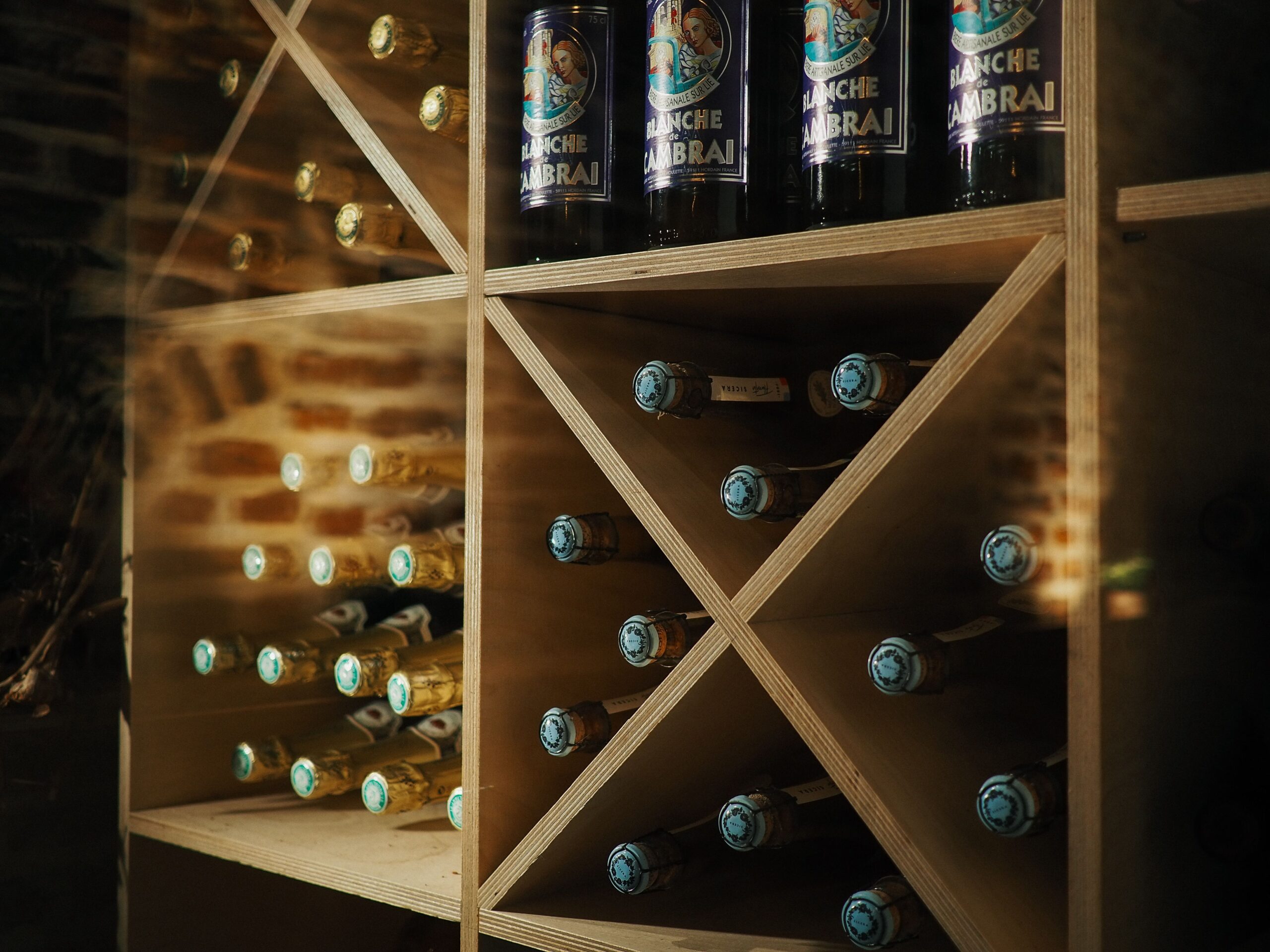
Proper storage directly dictates whether a craft beer pour delivers intended aromatics or tastes like cardboard. Light exposure triggers a chemical reaction between riboflavin and hop compounds, creating an unpleasant skunky sulfur profile in minutes. Keeping bottles inside enclosed cardboard boxes or dark cooling units provides reliable light strike prevention.
Upright orientation represents another mandatory handling rule for preserving flavor integrity. Storing bottles on their sides causes the liquid to contact crown caps directly, which increases the likelihood of metallic off-flavors over time. Upright placement also minimizes surface area oxidation, ensuring your craft beer freshness remains stable during extended cellar storage.
Temperature Control Guidelines
Serving temperature radically alters how human taste buds register bitterness, sweetness, and carbonation. Standard macro lagers display optimal crispness at 38°F to 42°F, where icy temperatures mute excess sweetness. Conversely, robust stouts and barleywines reveal their complex malt profiles best between 50°F and 55°F, demonstrating why temperature control rules matter for every pour.
Sudden thermal fluctuations accelerate oxidation faster than steady warm storage. Moving cold cans into warm rooms repeatedly degrades volatile hop oils, creating lifeless aromatics within weeks. Maintaining a stable environment using a dedicated secondary refrigerator safeguards delicate alpha acids and protects your investment in premium beverages.
Proper Glassware Selection
Pouring a brew into a clean glass does more than display head retention; it releases carbon dioxide and concentrates aromatic vapors. Straight-sided shaker pints fail to capture delicate esters because their wide openings allow aromas to dissipate instantly. Switching to tulip glasses or snifters traps volatile esters under an inward-curving rim, improving sensory aroma capture dramatically.
Residual dish soap and oils represent the primary enemy of dense foam stability. Using specialized non-fat cleaners ensures your vessel meets true beer-clean standards without killing carbonation bubbles. If you study diverse beverage categories, comparing various types of beer quickly reveals why a Bavarian hefeweizen demands a tall vase while a double IPA thrives inside a narrow-rimmed snifter.
Freshness and Shelf Life Factors
Hop-forward recipes like hazy IPAs start losing their bright tropical character within thirty days of canning. These volatile essential oils degrade rapidly into dull vegetable notes, making package dates critical buying criteria. Checking the bottom of aluminum cans for stamped dates prevents you from purchasing stale stock that delivers subpar hop flavor retention.
High-alcohol offerings behave quite differently under proper cellar conditions. Beers containing over 8% alcohol by volume often benefit from controlled cellaring, developing subtle dried fruit and sherry notes over twelve to twenty-four months. However, wild ales and sour varieties must maintain stable yeast cultures to avoid secondary infections from ruining balanced acidity levels.
Top Beer Tips for Launching a Homebrewing Side Hustle
Transforming kitchen brewing hobby hours into a viable digital hustle requires treating recipes as structured digital content. Many creators attempt to produce and bottle physical liquid for retail sale, quickly running into extreme capital hurdles. The smarter route focuses on monetizing your practical know-how through instructional downloads, live brew-along streams, and high-value equipment walkthroughs that share homebrewing beer tips.
Publishing detailed brewing documentation online enables enthusiasts to build an engaged audience without needing expensive commercial brewery permits. You can run batch tests on modest equipment, log every hydrometer reading, and produce authentic tutorials that help other beginners troubleshoot their setup. Documenting the learning curve positions you as an approachable resource in the digital publishing space.

Equipment Costs vs. ROI
Starting with an entry-level five-gallon extract setup requires a modest investment between $100 and $180. This basic tier includes a fermenting bucket, carboy, auto-siphon, sanitizing solution, and a basic stainless steel brew pot. Instead of upgrading to thousands of dollars in electric all-in-one systems immediately, maximize your equipment return on investment by testing foundational processes first.
Calculate your digital content returns based on production output rather than finished liquid volume. A single $150 kit provides material for three comprehensive video tutorials, two equipment setup guides, and five downloadable recipe PDFs. Monetizing those digital assets across video platforms and paid newsletters generates ongoing revenue without requiring recurring physical equipment overhead.
Sourcing Quality Ingredients
Base malt constitutes up to 90% of a classic grain bill, making direct bulk purchasing essential for cost efficiency. Purchasing two-row or Pilsner malt by fifty-pound sacks drops your per-pound grain expense by nearly half compared to retail recipe kits. This disciplined approach builds steady ingredient cost control into your testing pipeline.
Hops demand vacuum-sealed storage inside dedicated sub-zero freezers to preserve fragile humulone compounds. Ordering pelletized varieties directly from regional growers in four-ounce or one-pound bags reduces shipping waste while securing current-crop freshness. Fresh ingredients yield clean fermentation profiles that produce trustworthy tasting reviews for your followers.
Scaling Small Batches
One-gallon pilot batches represent the most cost-effective method for refining experimental recipes quickly. These smaller volumes use only two pounds of grain and fractions of a hop ounce, making recipe development rapid and affordable. Running small-scale runs helps you master pilot batch formulation before recommending recipes publicly.
Scaling up to standard five-gallon or ten-gallon batches requires linear adjustments to base malts, but specialty grains require nuanced reduction. Color-producing grains like Black Patent or roasted barley extract higher bitter tannins at larger volumes. Documenting these specific ratio calculations provides exceptional utility for readers seeking reliable operational guidance.
Advanced Beer Tips for Crafting Unique Flavor Profiles
Distinguishing your recipes from standard commercial fare requires manipulating regional water chemistry and controlled yeast stress points. Adjusting sulfate-to-chloride ratios directly impacts whether finished beer emphasizes aggressive hop bitterness or rounded malt richness. Applying rigorous advanced brewing tips guarantees predictable batch character every time you fire up the kettle.
Fermentation temperature profiling represents another lever that separates mediocre attempts from medal-winning craft brews. Allowing yeast to freely generate runaway heat during the first 48 hours produces harsh fusel alcohols and solvent off-tastes. Controlled cooling curves protect ester balance and yield smooth, professional drinkability across every pour.
Experimenting with Hops and Malts
Dry-hopping during active high krausen initiates biotransformation, where yeast enzymes chemically alter hop terpenes into intensely fruity aromatics. Utilizing contemporary varieties like Citra, Mosaic, or Galaxy under closed-vessel conditions retains bright volatile oils that boil-off completely during kettle additions. Mastering this technique guarantees exceptional biotransformation hop flavor in modern pale ales.
Layering specialty malts requires restrained restraint to avoid overwhelming the foundational profile of the brew. Incorporating small percentages of crystal or melanoidin malts adds body, head retention, and delicate caramel notes without cloying sweetness. Balancing rich grain selections with measured hop bitterness produces a harmonious, drinkable pint that keeps readers brewing your recipes.
Adding Fruit and Spices
Adding raw fruit directly into the primary boil vessel destroys delicate aromatic compounds through intense heat exposure. Fruit purées and sanitized zest perform best when introduced toward the tail end of secondary fermentation. This timing avoids boiling off volatile flavors while maintaining strict secondary fruit infusion sanitation.
Tinctures made with high-proof neutral grain spirits offer the safest delivery mechanism for dense spices like vanilla beans, cinnamon, and cacao nibs. Soaking spices in alcohol for two weeks extracts potent flavor oils while simultaneously eliminating wild bacteria. Adding this liquid dropwise into the packaging bucket gives you precise control over balance without risking infected batches.
Troubleshooting Off-Flavors
Encountering an off-flavor like buttery diacetyl points directly to premature yeast separation or cold crashing. Providing yeast with an extra two days at slightly elevated temperatures allows the cells to reabsorb this compound naturally. Recognizing these distinct chemical markers sharpens your brewing off-flavor diagnosis skills quickly.
Acetaldehyde presents as sharp green apple skin aroma, signaling incomplete conditioning or exposure to ambient air during transfer. Ensuring airtight, oxygen-purged keg transfers halts oxidation pathways before they dull crisp malt flavors. Documenting these specific sensory fixes provides high-utility solutions for community troubleshooting posts.
Common Pitfalls to Avoid with Beer Tips and Online Ventures
Entering the craft beverage niche without understanding statutory boundaries can trigger immediate operational failure. Many creators assume they can bottle and sell specialty homebrew batches directly to consumers through standard social media pages. Bypassing strict legal frameworks undermines your long-term online venture sustainability and creates severe financial liability.
Avoiding these critical traps requires separating digital educational publishing from commercial physical manufacturing. While manufacturing alcohol for public retail requires licensed premises, posting educational reviews, sharing recipes, and recommending brewing supplies remains entirely unrestricted. Structuring your business correctly ensures compliance while protecting your income streams.
Selling homemade alcohol without federal, state, or municipal permits is illegal across nearly all global jurisdictions. Commercial sales require bonded premises, rigorous health inspections, excise tax filings, and specialized licensing. Operating as an educational digital publisher avoids these barriers, providing a clean path to alcohol regulatory compliance. For official guidance see the U.S. Alcohol and Tobacco Tax and Trade Bureau.
Digital channels must also respect age verification standards when reviewing alcoholic beverages or monetizing adult content. Platforms require clear disclaimers, proper age gates, and strict adherence to regional consumer protection rules. Keeping your content strictly informational keeps your advertising accounts and domain names safe from punitive suspensions.
Overspending on Niche Gear
Purchasing top-tier commercial equipment before establishing a consistent audience is a classic beginner misstep. Shiny automated electric brewing rigs that cost thousands of dollars do not accelerate your search engine traffic or guarantee viewer retention. Practicing disciplined bootstrapped capital allocation preserves financial runway while your readership expands.
Prioritize your spending on items that directly improve production quality: clean audio equipment, adequate digital lighting, and reliable hosting. A crisp review video shot on a budget brewing setup delivers vastly more audience value than an unedited clip showcasing a commercial system. Upgrade brewing hardware incrementally only as your affiliate commissions generate cash reserves.
Ignoring Target Audience Analytics
Creating content based solely on personal preference often leads to writing articles that generate zero online search volume. If you brew an obscure historical ale that nobody searches for, your detailed recipe will struggle to attract visitors. Relying on verified search query tools guarantees your production matches real target audience demand.
Review your search console analytics weekly to identify which brewing tutorials drive impressions without securing click-throughs. Refining titles, clarifying introductory summaries, and updating outdated recommendations can rescue underperforming articles quickly. Listening closely to community comments guides your future content calendar toward high-interest questions.
Frequently Asked Questions
What are the best beer tips for beginners starting a homebrew?
The most important practice is maintaining absolute sanitization on every tool that contacts wort after the boiling phase. Beginners should begin with single-gallon extract recipe kits to understand primary fermentation without investing heavily in complex all-grain equipment. Controlling fermentation temperatures between 64°F and 70°F prevents common solvent off-flavors from forming.
How can I make money online using beer tips and affiliate marketing?
You can launch a niche content website or video channel dedicated to testing brewing equipment, ingredients, and storage setups. By joining affiliate programs through specialized homebrew retailers and subscription clubs, you earn commissions when readers purchase recommended gear through your tracked links. Pairing product teardowns with actionable troubleshooting tutorials attracts buyers ready to purchase.
How long does craft beer stay fresh after bottling?
Hop-forward styles like double IPAs and pale ales should be consumed within thirty to ninety days of bottling to enjoy their peak aromatics. Dark, malty styles like imperial stouts, barleywines, and barrel-aged sours can cellar successfully for twelve to twenty-four months when kept upright in a cool, dark space. Higher alcohol percentages and low residual oxygen levels safeguard aged bottles against rapid staling.
What equipment do I need to start brewing beer at home?
A basic starter kit requires a five-gallon fermenting bucket with an airtight lid and airlock, a digital thermometer, a siphon, sanitizing wash, and a bottling wand. You will also need a stainless steel stockpot holding at least four gallons of liquid to execute your wort boil safely on an indoor stove. As you expand, investing in glass carboys, hydrometers, and counterflow chillers streamlines brew day workflow.
Are there legal restrictions on selling homebrewed beer online?
Yes, producing and selling homemade alcoholic beverages directly to the public without federal and local brewery licensing is strictly illegal. However, sharing educational brewing tutorials, selling digital recipe formulate guides, and earning affiliate marketing commissions through brewing supply links is completely legal. Savvy creators monetize their brewing expertise through informational publishing rather than retail alcohol sales.
About this guide
This guide provides practical brewing advice and does not constitute financial or legal counsel. The monetization strategies discussed are for informational purposes only and should not be taken as guaranteed income or professional advice.
Monetizing Your Passion: Affiliate Marketing Beer Tips (Optional Add‑on)
Content creators generate dependable income by linking quality brewing accessories to audiences hungry for gear recommendations. Instead of selling physical pints, an informational website provides educational reviews that direct readers toward verified merchant catalogs. Applying tested beer tips to your digital marketing converts casual reading traffic into consistent affiliate commissions.
Diversifying your online monetization prevents reliance on a single retail partner or advertising network. You can explore broader strategies like earning beermoney online through micro‑tasks, digital product testing, and specialty affiliate programs. Pairing brewing advice with straightforward income projects broadens your reader base substantially.
Choosing High‑Paying Affiliate Programs
Specialty homebrew retail networks often provide competitive commission structures compared to generic mega‑retailers. Many programs offer tiered payouts and performance bonuses. For details on program terms, see the homebrew affiliate program overview.
Subscription beer clubs and curated monthly box memberships offer recurring affiliate models that compound earnings monthly. These programs frequently issue flat‑rate bounty bonuses for each converted subscriber, providing a steady revenue stream alongside product reviews.
Creating Engaging Product Reviews
High‑converting product teardowns avoid generic sales jargon and focus strictly on functional mechanics and minor flaws. Readers value knowing how easily a magnetic drive pump disassembles for sanitizing, or whether a hydrometer case survives a wet brew table. Highlighting honest product trade‑offs establishes editorial review integrity that keeps visitors returning.
Incorporate exact performance data points within every written evaluation to prove hands‑on analysis. Record how many minutes an immersion chiller takes to drop boiling wort down to 68°F pitch temp. Concrete operational data establishes clear authority that outranks superficial roundups across search engine rankings.
Driving Organic Traffic to Your Offers
Targeting low‑competition, high‑intent search queries yields the most profitable visitor demographic for affiliate sales. Instead of trying to rank for broad phrases like homebrew, construct guides answering precise troubleshooting queries like fixing stuck fermentations. Capturing searchers at critical decision moments improves your organic search conversion metrics.
Complementing search‑optimized blog posts with vertical short‑form video snippets accelerates distribution on social platforms. Filming quick thirty‑second process demos that highlight specific tools drives referral clicks to deep‑dive website tutorials. Readers seeking alternative revenue paths can also discover how to make money selling craft beer merch online to expand physical retail offerings alongside affiliate links.
Also Read: How to Make Money Selling Craft Beer Merch Online
Well, what do you think about the article?
Did you enjoy reading “Beer Tips: What You Need to Know”? We really hope that you have enjoyed.
If you have any thoughts or comments about this post, please feel free to share them in the comment section below. We appreciate your feedback and would be glad to hear from you.
To see more content like this check the Beermoney section of Money For My Beer.

Chief Editor and Website Owner.
Hi, I’m Ryan. I write and edit everything on this site, which means I’m the last set of eyes on every post before it goes live. By day I’m a technical architect. I design and build enterprise systems, apps, websites, and the occasional game.
This site started because I wanted one place where money advice for regular people doesn’t read like it was written by a finance robot. My goal is simple: every article should be genuinely useful, actually tested against what real people are searching for, and written in plain English. No jargon, no “get rich quick,” no advice I wouldn’t follow myself.
You’ll see a lot of topics here that lean on my engineering background: software reviews, tools, and tech-adjacent money stuff. Where a topic needs real financial expertise, I say so plainly and point you to qualified sources rather than pretending.