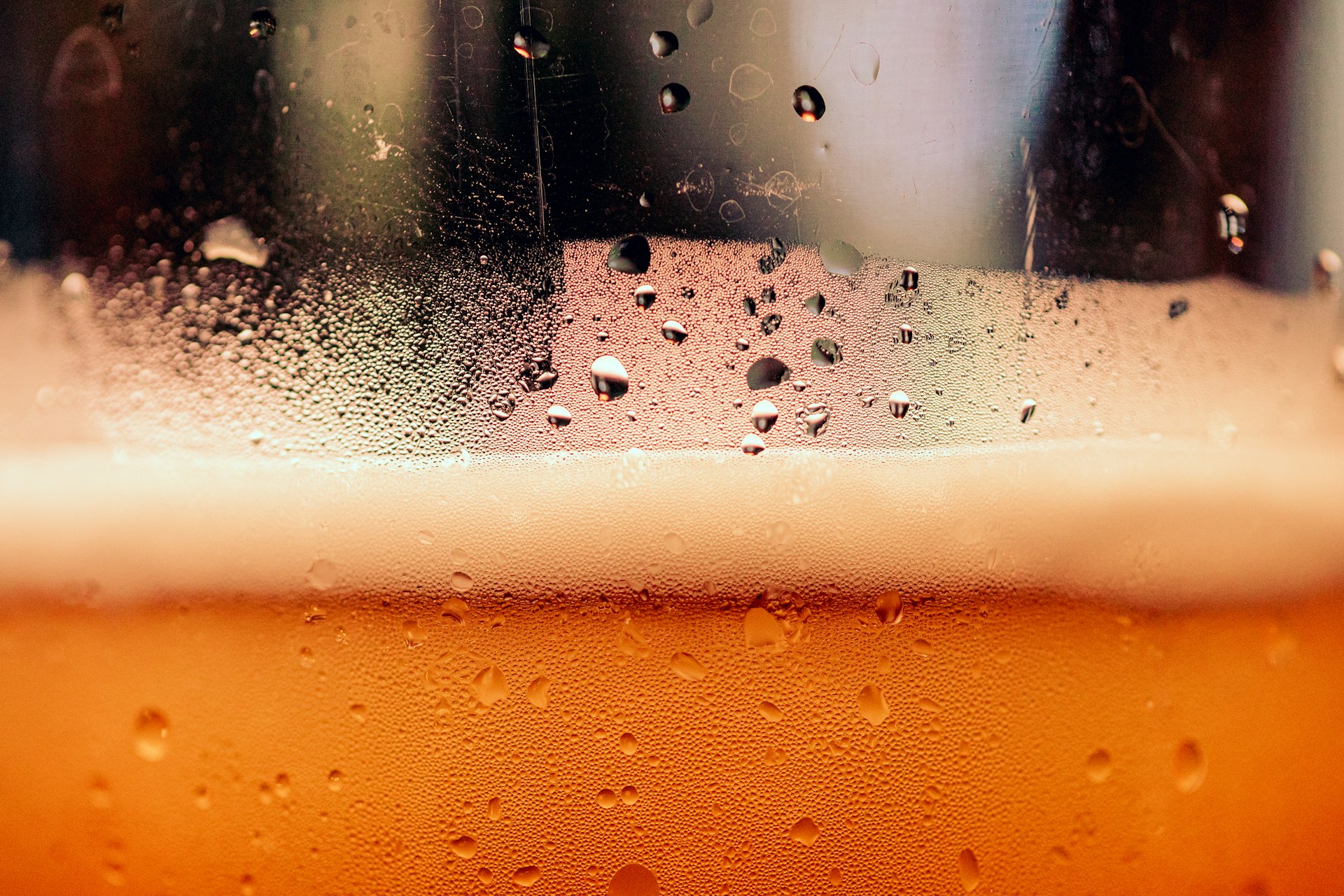
Beer is made by extracting sugars from malted grain, boiling the resulting liquid, fermenting it with yeast, and conditioning the beer before packaging. Each stage influences the finished beer’s flavor, aroma, color, body, and alcohol content.
The process typically involves malting, milling, mashing, lautering, boiling, cooling, fermentation, conditioning, and packaging. Although these stages are common in conventional brewing, the precise methods vary by brewery and beer style.
Here is how each stage works, why it matters, and how brewing choices shape the beer people drink.
Last reviewed: October 24, 2026
Quick Facts About How Beer Is Made
| Question | Answer |
|---|---|
| What is beer made from? | Water, malted grain, hops, and yeast are the four traditional core ingredients. Some recipes also use other grains, sugars, fruits, spices, or additional ingredients. |
| What is wort? | Wort is the sugar-containing liquid extracted from grain before fermentation. |
| How does beer become alcoholic? | Yeast converts fermentable sugars into alcohol and carbon dioxide during fermentation. |
| What do hops do? | Hops contribute bitterness, flavor, and aroma. |
| How long does it take to make beer? | Brewhouse operations generally take several hours, while fermentation, conditioning, and finishing can require days or weeks, sometimes longer. |
| Is every beer filtered or pasteurized? | No. These processes depend on the beer and the brewery’s production methods. |
What Is Beer Made Of?
Most traditional beer recipes use four main ingredients. Their characteristics and proportions help determine the beer’s flavor, aroma, appearance, and texture.
Malted Grain
Malted barley is the main grain used in many beers, although wheat and other cereals can also be used. Malting prepares grain for brewing by allowing it to begin germinating before drying it under controlled conditions.
The process develops enzymes that help convert starches into sugars during mashing. Malt also contributes flavor and color, ranging from light, bread-like notes to caramel, toast, chocolate, and roasted flavors.
Water
Water makes up most of the finished beer. Its mineral composition can influence brewing chemistry and the way certain flavors are perceived. Brewers may treat their water to suit a particular recipe or production process.
Hops
Hops are the flowers of the hop plant. They contribute bitterness that can balance malt sweetness, along with aromas and flavors that may be citrusy, floral, herbal, piney, or tropical.
The hop variety, quantity, and timing of addition all affect the result.
Yeast
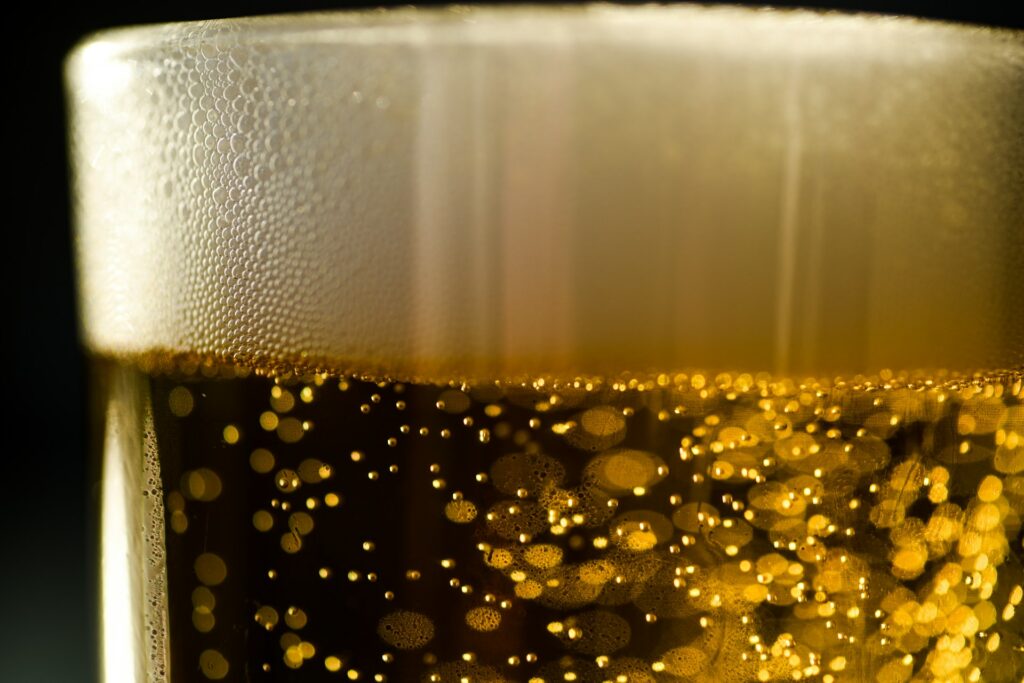
Yeast is responsible for alcoholic fermentation in conventional beer. It consumes fermentable sugars and produces ethanol and carbon dioxide, along with other compounds that influence aroma and flavor.
Different yeast strains and fermentation conditions can produce different results, even when two beers use similar grains and hops.
Some recipes also use ingredients such as corn, rice, oats, additional sugars, fruit, or spices. These can influence flavor, body, color, and fermentability.
For a broader introduction to beer ingredients and how they contribute to different styles, see our guide to beer for beginners.
How Beer Is Made: The Brewing Process Step by Step
The following stages describe a common brewing process. Some steps may be combined, performed differently, or adjusted according to the recipe and equipment.
1. Malting: Preparing the Grain
Beer production often begins with malting, although many breweries purchase malt that has already been prepared by a specialist maltster.
During malting, grain is soaked in water, allowed to germinate under controlled conditions, and then dried in a kiln. Germination develops enzymes that make the grain’s starches more accessible during brewing.
The drying process also helps develop the malt’s flavor and color. Lightly kilned malts generally contribute lighter colors and milder flavors, while more intensely kilned specialty malts can add deeper colors and roasted or caramel-like notes.
The finished malt is then ready for the brewery.
2. Milling: Crushing the Malt
Before brewing, the malt is crushed to expose the grain’s interior and make its contents accessible to water.
The aim is to break open the grain while retaining enough of the outer husks to help separate the liquid from the solids later. The degree of milling affects extraction efficiency and how easily the grain bed drains during lautering.
3. Mashing: Extracting Sugars From the Grain
During mashing, crushed malt is mixed with water at controlled temperatures. Enzymes in the malt break down starches into fermentable sugars and other soluble compounds.
The mixture is called the mash. Its temperature and duration influence the conversion process and the composition of the resulting liquid.
The main goal is to produce wort containing sugars that yeast can ferment. The proportions of fermentable and less-fermentable compounds also influence the beer’s eventual alcohol level and body.
4. Lautering: Separating Wort From the Grain
After mashing, the brewer separates the liquid from the spent grain. This stage is called lautering.
The extracted liquid is known as wort. It contains sugars and other compounds from the malt that contribute to the beer’s flavor, color, and fermentation.
Some brewing methods include sparging, which involves passing additional water through the grain bed to recover more soluble material. Once the wort has been collected, the spent grain is separated before the next stage.
5. Boiling: Adding Hops and Developing Flavor
The wort is typically brought to a boil in a brewing kettle. Boiling helps control unwanted microorganisms and promotes chemical changes that influence the final beer.
Brewers often add hops at different points during the boil. Earlier additions generally contribute more bitterness, while later additions can preserve more hop aroma and flavor. The result depends on the hop variety, amount, timing, and brewing conditions.
Some beers also receive hop additions after the boil. Dry hopping, for example, involves adding hops during a later stage to enhance hop aroma.
Hops are not added simply to make beer bitter. Brewers choose their varieties and timings to create a balance suited to the intended recipe.
6. Cooling: Preparing the Wort for Fermentation
After boiling, breweries commonly separate hop material and coagulated proteins from the wort, sometimes using a whirlpool or similar process.
The wort is then cooled to a temperature suitable for the chosen yeast. Brewers manage this transition carefully because the temperature and condition of the wort affect the subsequent fermentation.
Depending on the process, the wort may also receive oxygen before yeast is introduced. This helps support yeast growth during the early stages of fermentation.
7. Fermentation: Turning Wort Into Beer
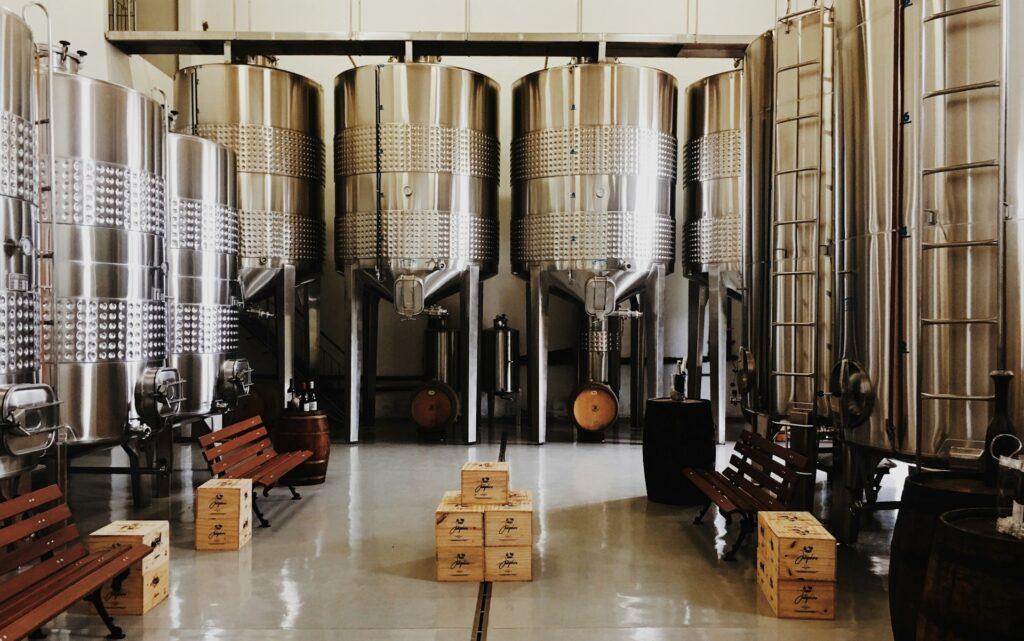
Once the wort has cooled, it is transferred to a fermentation vessel and yeast is added. Fermentation is the stage in which yeast converts fermentable sugars into ethanol and carbon dioxide.
Yeast also produces compounds that contribute to the beer’s aroma and flavor. Depending on the strain and fermentation conditions, these compounds can contribute fruity, spicy, or other characteristics.
Temperature control is important because different yeast strains perform best under different conditions. Fermentation temperature can influence both how quickly fermentation progresses and the characteristics of the finished beer.
Ales and lagers commonly use different yeast strains and fermentation approaches. However, fermentation is only part of what distinguishes beer styles. The grain, hops, recipe, and conditioning process also contribute to the final result.
Our guide to the different types of beer in India explains how styles such as lager, IPA, wheat beer, and stout differ in their characteristics.
8. Conditioning: Developing the Finished Beer
After the main fermentation, beer may undergo conditioning or maturation. This can take place in the original fermentation vessel or in a separate tank or container.
During conditioning, suspended material may settle, flavors can develop, and the beer can reach the characteristics intended by the brewer. Some processes also involve additional fermentation or adjustments to carbonation.
The time required varies substantially. Some beers are prepared for packaging relatively quickly, while others benefit from longer conditioning or aging. Certain specialty beers may be aged in barrels or undergo additional fermentation.
Longer conditioning does not automatically make every beer better. The appropriate schedule depends on the beer, its condition, and the producer’s objectives.
9. Finishing: Filtration, Carbonation, and Stabilization
Before packaging, the beer may undergo additional processing to achieve its intended clarity, carbonation, and stability.
- Clarification: Suspended particles can settle or be removed to achieve the desired appearance.
- Filtration: Some breweries filter beer to remove particles or yeast. Others intentionally leave their beer unfiltered.
- Carbonation: Beer may retain carbon dioxide from fermentation or receive additional carbon dioxide to reach the desired level.
- Stabilization: Suitable processes can help maintain quality and consistency during storage.
- Pasteurization: Some beers undergo heat treatment to reduce microorganisms. This is not a universal step in beer production.
These processes depend on the beer and the brewery’s production approach. For example, a brewery may prioritize a clear, stable product, while another may retain yeast or use a different finishing method.
10. Packaging: Bottles, Cans, and Kegs
Once the beer meets the brewery’s quality requirements, it is packaged into bottles, cans, kegs, or other suitable containers.
Packaging helps protect the beer from contamination and unwanted exposure to oxygen. Excessive oxygen exposure can cause flavor changes during storage, so breweries take care when transferring and filling the beer.
The packaging material, closure, filling process, and storage conditions can all affect how well beer retains its intended characteristics.
After packaging, handling still matters. Our guide to storing, serving, and keeping beer fresh explains why light, heat, and other storage conditions can affect beer quality.
How Does the Brewing Process Affect Beer Taste?
The brewing process does more than create alcohol. Each stage gives brewers opportunities to influence the finished beer’s flavor, aroma, color, bitterness, body, and overall balance.
| Brewing factor | How it can affect beer |
|---|---|
| Malt and other grains | Can contribute bread-like, biscuit, caramel, toasted, chocolate, or roasted flavors, along with color and body. |
| Hop variety and timing | Influence bitterness, aroma, and flavors such as citrus, herbs, flowers, pine, or tropical fruit. |
| Yeast strain | Influences fermentation and the compounds that contribute to aroma and flavor. |
| Fermentation conditions | Can affect fermentation progress and the resulting flavor profile. |
| Conditioning and maturation | Can influence clarity, carbonation, flavor development, and product stability. |
These factors work together. A beer’s character cannot always be explained by one ingredient or one brewing stage alone.
Color and alcohol strength are also different characteristics. A dark beer is not automatically stronger than a pale beer, and beers within the same broad style can have different alcohol levels.
Do All Beers Follow the Same Brewing Process?
No. The stages described above provide a general overview, but brewing varies according to the style, recipe, equipment, and production methods.
- Ingredients: Brewers may use barley malt alone or combine it with wheat, oats, rice, corn, and other ingredients.
- Mashing: Temperature schedules and extraction methods vary, and some brewing methods use malt extract rather than conducting a full mash.
- Hop additions: Hops can be added at different stages, including during boiling and later in the process.
- Fermentation: Yeast strains, temperatures, and fermentation schedules differ between beers.
- Conditioning: Some beers require longer maturation, additional fermentation, or specialized aging.
- Finishing: Filtering, pasteurization, and carbonation methods depend on the product.
Non-alcoholic beer can follow a different production route. Some producers ferment the beer and then remove alcohol, while others use processes designed to limit alcohol formation. The method can affect the product’s flavor and composition.
For product comparisons and labeling details, see our guide to non-alcoholic beer in India.
How Long Does It Take to Make Beer?
There is no single timeline that applies to every beer.
The main brewhouse operations, such as mashing, lautering, boiling, and cooling, generally take several hours. Fermentation then requires additional time, often days or weeks depending on the beer and the production conditions.
Conditioning, quality checks, carbonation, and packaging can add further time. Some beers are designed for relatively quick production, while others need extended maturation or aging before they are ready.
It is also useful to distinguish the brewing timeline from the full production timeline. Malting may take place at a separate facility before the grain reaches the brewery, and finished beer must meet the producer’s quality requirements before distribution.
Frequently Asked Questions About Beer Production
What are the four main ingredients in beer?
The four traditional core ingredients are water, malted grain, hops, and yeast. Many recipes use malted barley as the main grain, but other grains and additional ingredients can also be used.
How does yeast make alcohol in beer?
Yeast converts fermentable sugars in wort into ethanol and carbon dioxide during fermentation. The amount of alcohol produced depends on factors such as the available fermentable sugars, yeast performance, and the brewing process.
Why are hops added to beer?
Hops contribute bitterness, flavor, and aroma. Earlier additions during the boil generally contribute more bitterness, while later additions can preserve more aroma. The result depends on the hop variety, quantity, and timing.
Is beer brewed or distilled?
Beer is brewed and fermented, not distilled. Fermentation produces alcohol from sugars. Distillation is a separate process used to concentrate alcohol in spirits.
Does every beer use barley?
No. Barley malt is common, but brewers may use wheat and other cereals or combine several grains in one recipe. The ingredients depend on the beer and the intended result.
Is every beer filtered and pasteurized?
No. Some beers undergo filtration, pasteurization, or other stabilization processes, while others are packaged without those particular treatments. The method varies by brewery and product.
How is non-alcoholic beer made?
Methods vary. Some producers remove alcohol from fermented beer, while others use processes intended to limit alcohol formation. Check the product label for its stated alcohol content. Our non-alcoholic beer guide covers products available in India and explains key labeling distinctions.
Sources and Further Reading
This article describes common beer-production methods, not one universal recipe. Individual breweries use different ingredients, equipment, fermentation conditions, and finishing processes. The following educational references support the general explanations in this guide.
- Cicerone Certification Program: How Is Beer Made? The Basics. Explains the four traditional ingredients and the roles of mashing, boiling, and fermentation.
- American Homebrewers Association: How to Make Beer. Provides educational material on brewing ingredients, equipment, and techniques.
- Penn State Extension: Beer, Hard Cider, and Distilled Spirits Production. Covers the fundamentals of beverage production and fermentation.
- University of Michigan: Beer Production. Explains the principal processing stages involved in large-scale brewing.
For more guides on beer styles, brands, pricing, alcohol strength, recipes, and food pairing, explore the Money For My Beer Beer collection.
Also Read: Types of Beer in India: Lager, Ale, IPA, Wheat Beer & More
Well, what do you think about the article?
Did you enjoy reading “How Beer Is Made: The Brewing Process, Step by Step”? We really hope that you have enjoyed.
If you have any thoughts or comments about this post, please feel free to share them in the comment section below. We appreciate your feedback and would be glad to hear from you.
To see more content like this check the Beer section of Money For My Beer.

Chief Editor and Website Owner.
Hi, I’m Ryan. I write and edit everything on this site, which means I’m the last set of eyes on every post before it goes live. By day I’m a technical architect. I design and build enterprise systems, apps, websites, and the occasional game.
This site started because I wanted one place where money advice for regular people doesn’t read like it was written by a finance robot. My goal is simple: every article should be genuinely useful, actually tested against what real people are searching for, and written in plain English. No jargon, no “get rich quick,” no advice I wouldn’t follow myself.
You’ll see a lot of topics here that lean on my engineering background: software reviews, tools, and tech-adjacent money stuff. Where a topic needs real financial expertise, I say so plainly and point you to qualified sources rather than pretending.