
Knowing how to improve soil is only part of successful gardening. You also need to know whether your soil is functioning well and whether your management practices are producing meaningful improvements.
Soil health indicators are measurable or observable properties and processes that provide clues about how well soil is functioning. They can tell you about soil structure, water movement, compaction, organic matter, nutrient availability, roots, and biological activity.
There is no single test that can define healthy soil. The most useful approach combines physical, chemical, and biological indicators and looks at how they change over time.
For home gardeners, some indicators are easy to observe without specialized equipment. You can inspect soil structure, roots, soil cover, compaction, water infiltration, and visible organisms. Laboratory testing is still important for properties such as pH, nutrient levels, electrical conductivity, and organic matter.
Quick Answer: What Are Soil Health Indicators?
The most useful soil health indicators include soil organic matter, soil structure, aggregate stability, water infiltration, compaction, pH and nutrient levels, soil cover, root growth, earthworms and other soil organisms, and microbial activity.
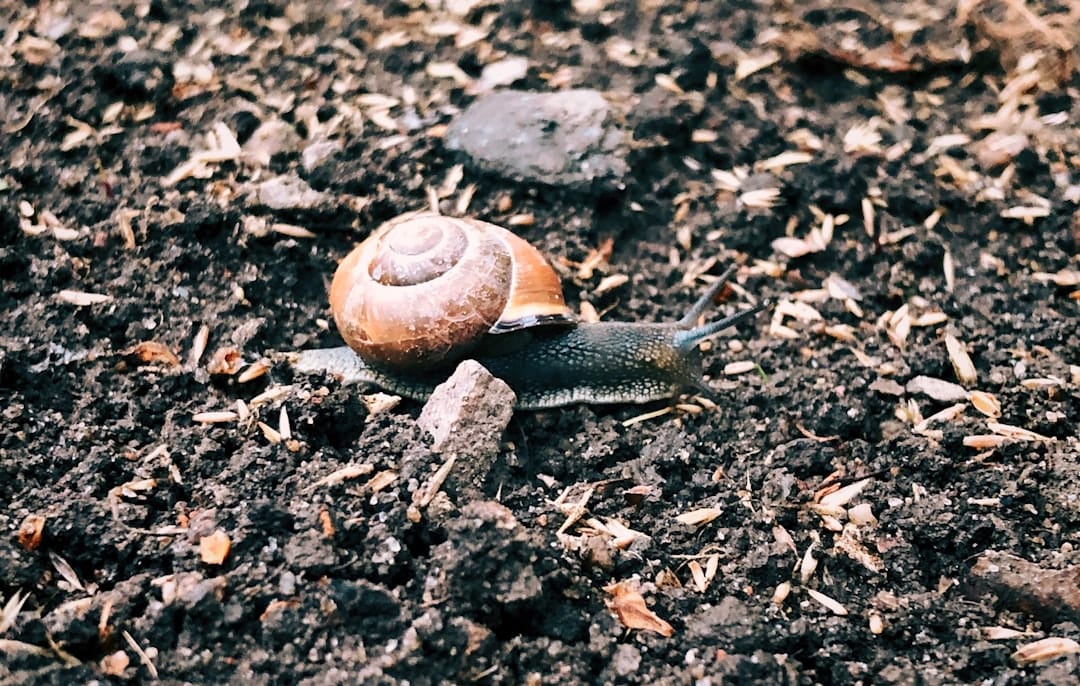
The USDA Natural Resources Conservation Service groups soil-health indicators into physical, chemical, and biological categories. Useful indicators should provide information about soil functions, be measurable, and be sensitive enough to show changes caused by climate or management.
Because soils naturally differ, there is no universal number that makes every garden soil “healthy.” Interpretation depends on the soil, climate, plants, and intended use.
Soil Health Indicators at a Glance
| Indicator | What It Tells You | How to Check It |
|---|---|---|
| Organic matter | Supports structure, nutrient cycling, water-related properties, and soil biology | Laboratory soil test |
| Soil structure | Aggregation, pore space, and root environment | Dig and examine the soil |
| Aggregate stability | How well soil aggregates resist breaking apart in water | Simple slake observation or laboratory test |
| Water infiltration | How readily water enters the soil | Simple infiltration test |
| Compaction | Physical resistance affecting roots, air, and water movement | Probe, digging, or penetrometer |
| pH and nutrients | Chemical conditions and nutrient availability | Laboratory soil test |
| Soil cover | Protection from erosion, runoff, and excessive exposure | Visual inspection |
| Roots | Rooting depth, distribution, and physical soil limitations | Dig and inspect |
| Earthworms and soil organisms | Evidence of biological activity and soil habitat | Field observation |
What Makes a Good Soil Health Indicator?
A useful indicator should tell you something meaningful about how the soil functions. It should also be possible to measure or observe it consistently.
The USDA NRCS identifies useful indicators as measurable properties or characteristics that provide clues about soil function. Indicators can be assessed qualitatively or quantitatively.
That distinction matters for home gardeners. A visual observation can be useful for detecting a problem or comparing two areas, but it may not provide the precision of a laboratory measurement.
For example, seeing earthworms tells you something about biological conditions, but it does not tell you the soil’s pH or phosphorus level. Likewise, a soil that looks crumbly may still have a nutrient deficiency.
Soil Health vs. Soil Fertility
Soil fertility refers mainly to the soil’s ability to supply essential nutrients to plants.
Soil health is broader. It includes physical, chemical, and biological characteristics and the soil’s ability to perform important functions.
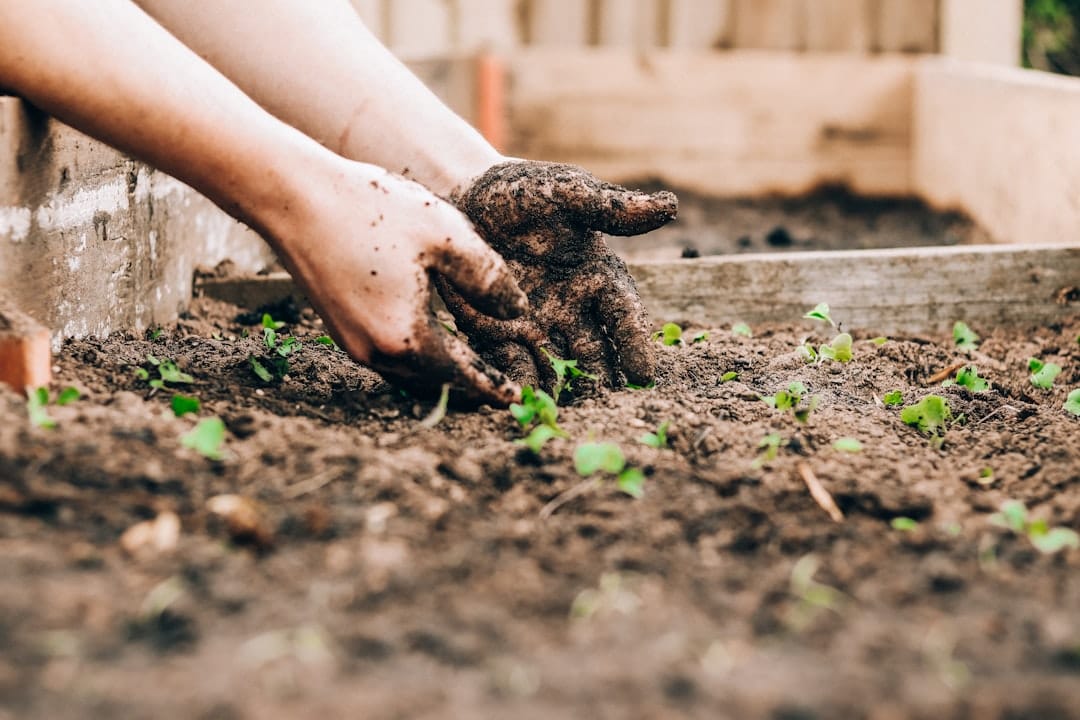
A soil can contain adequate nutrients but still have poor health if it is badly compacted, poorly drained, or highly vulnerable to erosion.
This is why soil-health assessment should not be reduced to a fertilizer test.
The FAO describes soil-health assessment using physical, chemical, and biological indicators and notes that assessment should be interpreted in relation to the soil’s actual use.
1. Soil Organic Matter
Soil organic matter is one of the most useful indicators for monitoring long-term changes in soil condition.
Organic matter is made up of decomposing and partially decomposed plant, animal, and microbial material as well as more stable organic compounds. It influences several important soil properties, including aggregation, nutrient cycling, water-related properties, and biological activity.
How to Measure Soil Organic Matter
The most reliable way to monitor soil organic matter is through laboratory soil testing.
There are multiple laboratory methods for estimating soil organic matter or soil organic carbon. Results from different methods are not necessarily interchangeable.
That means a useful monitoring strategy is to sample from the same type of area, use a consistent sampling procedure, and, when possible, use the same laboratory and analytical method for comparisons.
What Is a Good Soil Organic Matter Level?
There is no universal ideal percentage that applies to every garden.
Soil texture, climate, drainage, land use, and management history all influence appropriate organic-matter levels. Rather than chasing a generic target, use a soil test to establish a baseline and look for meaningful trends.
Organic matter also changes relatively slowly. Good management may improve soil organic matter over several years rather than producing a dramatic change after one application of compost. OSU Extension notes that improvements can take three to five years to become measurable.
For practical ways to improve soil condition, see our guide on how to improve soil health.
2. Soil Structure and Aggregation
Soil structure describes how soil particles are organized into aggregates and pore spaces.
Good structure creates a balance of larger pores that allow air and water to move and smaller pores that can hold water. Poor structure can contribute to surface crusting, restricted roots, reduced infiltration, and runoff.
How to Check Soil Structure
Dig a section of soil when it is moist but not saturated and examine the natural aggregates.
Ask whether the soil breaks into smaller aggregates relatively easily or instead forms hard blocks, massive layers, or very loose powder.
Do not judge soil structure from appearance alone. Compare different parts of the garden and repeat the observation under similar conditions.
3. Aggregate Stability
Aggregate stability measures how well soil aggregates resist breaking apart when exposed to water.
This is important because unstable aggregates can break down during heavy rain, leading to surface crusting, reduced infiltration, runoff, and erosion.
USDA NRCS and Penn State both recognize aggregate stability as an important physical soil-health indicator. USDA NRCS soil-health indicators include aggregate stability, while Penn State Extension explains its role in maintaining soil pores and resisting erosion.
Simple Slake Test
A simple home observation can help you compare aggregate stability between two areas.
- Collect several naturally formed soil aggregates.
- Use soil that is reasonably moist and structurally intact.
- Place an aggregate gently in a clear container of water.
- Observe how quickly it breaks apart.
- Repeat the test with several aggregates.
- Compare results over time or between different management areas.
This is a qualitative comparison, not a laboratory measurement. Soil type, aggregate size, initial moisture, and other conditions affect the result.
4. Water Infiltration
Infiltration is the rate at which water enters the soil.
Good infiltration allows rainfall and irrigation to enter the soil rather than immediately becoming surface runoff.
Infiltration is recognized by USDA NRCS as a useful physical soil-health indicator because it provides information about the soil’s pore system and water movement.
Simple Infiltration Test
You can perform a basic comparison using a straight-sided ring or open-bottom container.
- Choose an area with representative soil conditions.
- Press the ring slightly into the soil to reduce leakage underneath.
- Add a known amount of water.
- Record how long the water takes to infiltrate.
- Repeat the measurement in other areas.
The exact infiltration time that is considered desirable varies with soil texture, structure, moisture, slope, and land use. Do not use one universal number as a definition of healthy soil.
For meaningful comparisons, test under similar conditions each time.
5. Soil Compaction
Soil compaction occurs when soil particles are compressed and pore space is reduced.
Compaction can limit root growth and interfere with the movement of air and water.
USDA NRCS uses measurements such as bulk density and penetration resistance as physical soil-health indicators.
How to Check for Compaction
Dig into the soil and compare resistance at different depths. You can also use a simple probe to compare how easily it penetrates different areas.
The University of Maryland Extension describes using a wire flag to compare resistance in the field.
For more quantitative assessment, laboratories and soil professionals can use bulk-density measurements or specialized penetration equipment.
Signs of Possible Compaction
- Roots stop at a hard layer.
- Water remains on the surface or infiltrates unusually slowly.
- The soil becomes difficult to dig.
- Plants develop unusually shallow root systems.
- Soil crusting is persistent after rain.
These symptoms can have several causes, so treat them as clues rather than a diagnosis.
6. Soil pH and Nutrient Levels
Soil pH is an important chemical indicator because it influences nutrient availability and several biological and chemical processes.
Many commonly grown vegetables perform well in mildly acidic to neutral soil, but crops have different preferences. The correct pH target therefore depends on the plants being grown.
Nutrient levels are equally important. Deficiencies can restrict growth, but excessive nutrient concentrations can also create problems.
How to Test Soil pH and Nutrients
A laboratory soil test is the best choice when making significant fertility or pH decisions.
Depending on the laboratory, a soil report may include pH, phosphorus, potassium, organic matter, electrical conductivity, and other measurements.
Do not automatically add lime, sulfur, fertilizer, or mineral amendments just because a gardening article recommends them. Use soil-test results and crop requirements to guide those decisions.
For Philippine growers, the Department of Agriculture Bureau of Soils and Water Management National Soil Health Program provides local soil-health resources and supports soil analysis and fertilizer guidance.
7. Soil Cover
Soil cover is an important practical indicator because exposed soil is more vulnerable to erosion, runoff, evaporation, and surface degradation.
Cover can come from living plants, mulch, crop residues, leaves, or other appropriate organic materials.
How to Evaluate Soil Cover
Look at the garden after planting and after major rainfall events.
Ask:
- How much of the soil surface is exposed?
- Does rainfall create visible runoff?
- Does the surface develop a crust?
- Does mulch or plant residue remain in place?
- Are living plants or roots present between crops where practical?
Soil cover is partly a management indicator, but it is useful because it strongly affects the conditions at the soil surface.
8. Roots and Visible Soil Life
Roots provide valuable information about the environment plants experience underground.
When possible, examine root depth, distribution, branching, and whether roots encounter a hard layer or prolonged wetness.
What to Look for in Roots
- Roots extend through the available soil rather than stopping at a hard layer.
- Fine roots are distributed throughout the available root zone.
- Roots are not unusually shallow because of compaction or waterlogging.
- The root zone has suitable moisture without remaining saturated for excessive periods.
Are Earthworms a Soil Health Indicator?
Yes, but earthworms should be treated as one biological indicator among many.
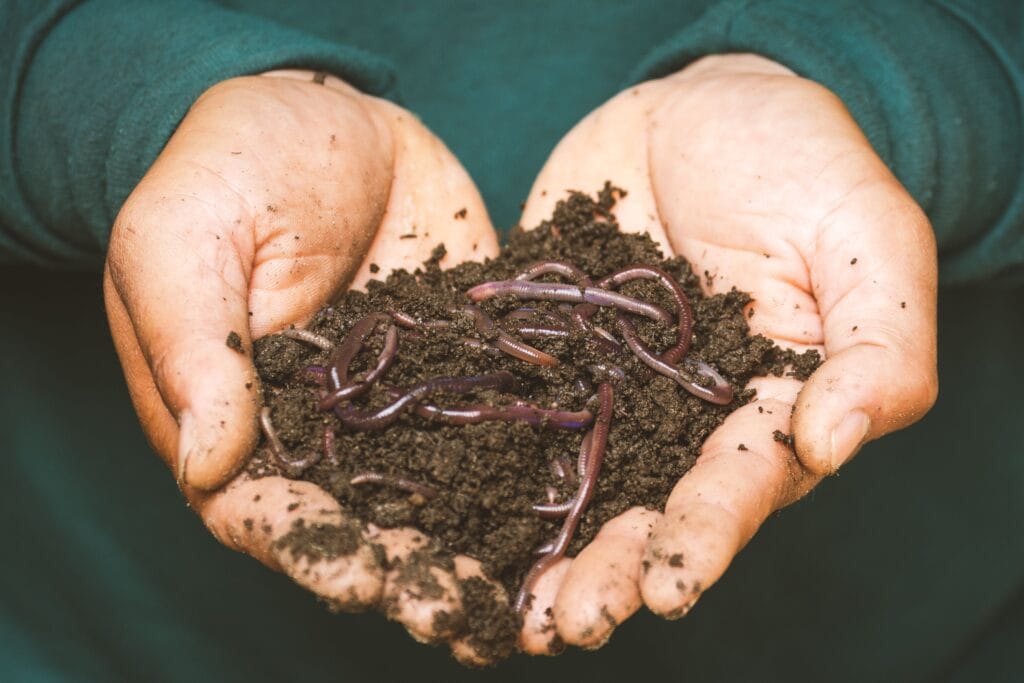
Earthworms can create channels through soil and influence aggregation, drainage, nutrient cycling, and root growth. Penn State Extension describes several ways earthworm activity can affect soil structure and water movement.
However, there is no universal earthworm count that defines healthy soil. Populations vary naturally with climate, soil type, organic matter, moisture, species, and management.
Do not use an arbitrary number such as five or ten worms per square foot as a pass-or-fail standard.
9. Soil Biological Activity
Soil is home to bacteria, fungi, protozoa, nematodes, earthworms, arthropods, and many other organisms.

These organisms participate in decomposition and nutrient cycling and can influence aggregation and other soil functions.
How Is Biological Activity Measured?
More detailed soil-health assessments can measure properties such as:
- Soil respiration
- Microbial biomass carbon and nitrogen
- Potentially mineralizable nitrogen
- Soil enzyme activity
- Particulate organic matter
- Total organic carbon
These are among the biological indicators listed by USDA NRCS. See the USDA NRCS soil-health assessment framework.
What Can Gardeners Observe?
Home gardeners can look for roots, earthworms, decomposing residues, fungal structures, and other visible organisms.
These observations can provide useful clues, but they should not be treated as direct measurements of microbial activity.
For example, an earthy smell can be pleasant and common in healthy soils, but soil smell alone cannot quantify microbial activity. Similarly, rapid decomposition does not automatically prove that the entire soil ecosystem is healthy.
Physical, Chemical, and Biological Soil Health Indicators
A useful way to organize soil-health indicators is by the type of soil property being evaluated.
Physical Indicators
Physical indicators describe the soil’s structure and movement of water and air. Examples include:
- Aggregate stability
- Soil structure
- Infiltration
- Bulk density
- Penetration resistance
- Available water capacity
- Soil depth
Chemical Indicators
Chemical indicators describe nutrient and chemical conditions. Examples include:
- Soil pH
- Electrical conductivity
- Soil nitrate
- Extractable phosphorus
- Extractable potassium
- Organic matter or soil carbon
Biological Indicators
Biological indicators describe organisms and biological processes in soil. Examples include:
- Earthworms
- Microbial biomass
- Soil respiration
- Soil enzymes
- Potentially mineralizable nitrogen
- Particulate organic matter
The USDA NRCS soil-health framework uses these categories because soil function depends on interactions between physical, chemical, and biological properties.
Simple Soil Health Tests You Can Do at Home
You do not need laboratory equipment for every soil-health observation.
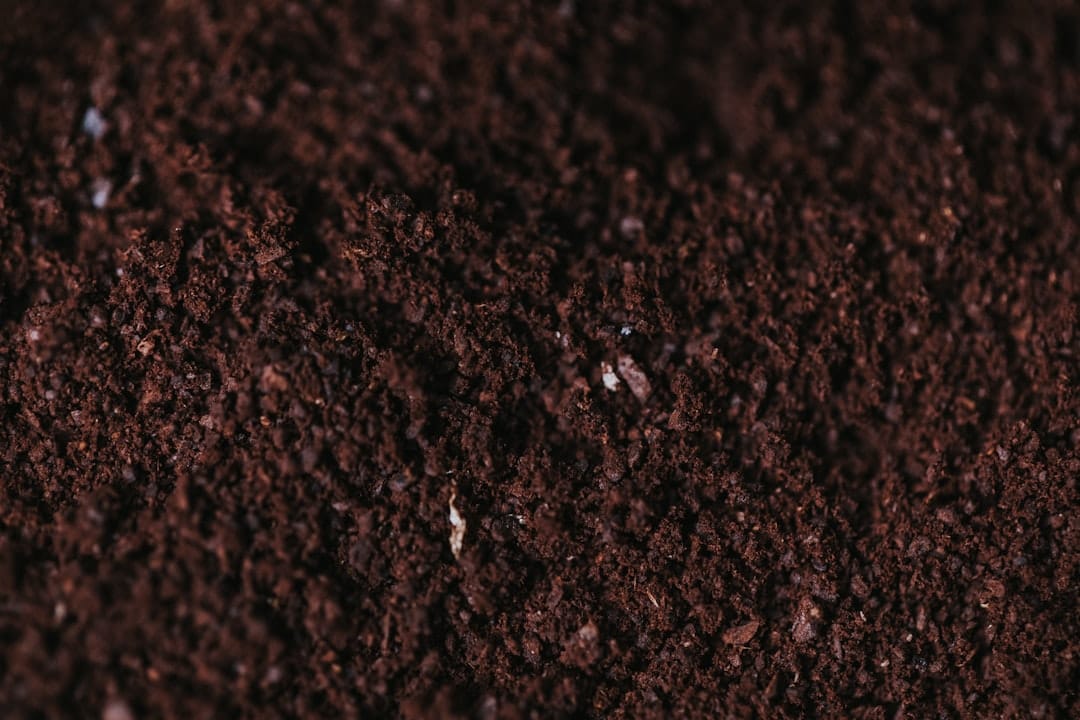
Dig-and-Look Test
Dig a representative section of soil and inspect its structure, roots, moisture, organisms, and any hard layers.
This is especially useful when comparing two areas that have been managed differently.
Slake Test
Place a soil aggregate in water and observe how well it holds together.
Use the result to compare locations or changes over time rather than assigning a universal score.
Infiltration Test
Use a small ring and a measured amount of water to compare how quickly water enters the soil.
Repeat under similar conditions so that changes in soil moisture do not distort the comparison.
Compaction Test
Use a probe or dig downward and note where the soil becomes significantly harder.
Earthworm Observation
Dig a small section of moist soil and look for earthworms and other visible organisms.
Use the observation as supporting evidence rather than a standalone soil-health score.
Laboratory Soil Testing vs. Home Soil Checks
Home observations are useful for identifying physical and biological clues, but they cannot replace laboratory analysis for many important properties.
| What You Want to Know | Best Approach |
|---|---|
| Soil structure | Field observation |
| Compaction | Field observation or professional measurement |
| Water infiltration | Field infiltration test |
| Earthworm presence | Field observation |
| pH | Laboratory soil test |
| Phosphorus and potassium | Laboratory soil test |
| Organic matter | Laboratory soil test |
| Electrical conductivity or salinity | Laboratory soil test |
| Microbial biomass or respiration | Specialized laboratory soil-health testing |
A useful monitoring program often combines both approaches.
How Often Should You Measure Soil Health?
There is no single schedule for every indicator.
Some observations, such as soil cover, standing water, erosion, and compaction, can be checked during the growing season.
Laboratory measurements such as pH and nutrients can be repeated according to your crops, management system, and local recommendations.
Organic matter generally changes much more slowly, so testing it too frequently can make normal analytical variation appear more significant than it really is.
The goal is to establish a useful baseline and collect comparable measurements often enough to identify meaningful trends.
How Do You Know If Soil Health Is Improving?
Look for trends across several indicators rather than relying on one observation.
Potential signs of improvement may include:
- More stable soil aggregates
- Better water infiltration
- Less surface crusting and runoff
- Reduced compaction
- Deeper and more evenly distributed roots
- More consistent soil cover
- Stable or increasing organic matter over an appropriate time period
- Soil pH and nutrient levels appropriate for your crops
- Continued biological activity under suitable conditions
A single positive result does not prove that the entire soil system has improved. The strongest evidence comes from several indicators moving in a favorable direction.
FAO emphasizes that soil-health monitoring is especially useful when measurements are tracked over time and used to guide management decisions. See the FAO soil-health assessment and monitoring framework.
Signs Your Soil May Need Attention
Some observations can indicate that further investigation is worthwhile:
- Water repeatedly pools on the surface.
- Rainwater runs across the soil instead of infiltrating.
- A hard layer prevents roots from moving deeper.
- The soil develops persistent surface crusting.
- Roots remain unusually shallow.
- Plants repeatedly show possible nutrient-deficiency symptoms.
- Soil-test results show a problematic pH or nutrient imbalance.
- Large areas remain bare and exposed to erosion.
- The soil is unusually difficult to dig when moisture conditions are suitable.
These are warning signs, not diagnoses. Several different problems can produce similar symptoms.
What Is Not a Reliable Soil Health Indicator by Itself?
Some popular gardening tests are useful observations in limited situations but are often presented as more precise than they really are.
Soil Color
Soil color can provide clues about organic matter and drainage, but it should not be used by itself to determine soil health.
Soils naturally differ in color because of organic matter, minerals, moisture, drainage, and other characteristics.
Earthworm Counts Alone
Earthworms are useful biological indicators, but there is no universal number that defines healthy garden soil.
Counts vary naturally by environment and management.
Brix Readings
A refractometer measures soluble solids, commonly expressed as degrees Brix, in plant juice or other solutions.
Brix is not a standard soil-health indicator.
A Brix reading should not be presented as proof that soil is healthy or that crops automatically contain superior concentrations of vitamins, minerals, antioxidants, or other nutrients.
Soil Smell
A pleasant earthy smell can be a useful observation, but it is not a quantitative measurement of microbial activity.
Odor can also be influenced by moisture, oxygen availability, organic material, and other conditions.
One Home Soil Test
A squeeze test, slake test, infiltration test, or earthworm observation can each provide useful information. None is sufficient to assess the complete health of a soil.
How Soil Health Indicators Guide What You Do Next
Indicators are valuable because they can help connect observation with management.
For example, poor infiltration combined with surface crusting may point toward a structural problem. Shallow roots and high soil resistance may suggest compaction. Low organic matter may support a decision to increase appropriate organic inputs.
For practical ways to improve your soil based on what you observe, see our guide on how to improve soil health.
For a specific optional practice, you can also read our guide to compost tea recipes.
Soil Health Indicators for Tropical and Philippine Gardens
Gardeners in tropical climates such as the Philippines can use the same basic soil-health framework while paying particular attention to rainfall, drainage, heat, evaporation, erosion, and seasonal moisture changes.
Heavy rainfall can expose weak aggregation and create runoff or erosion. Intense heat can increase moisture loss and plant stress.
Useful field observations in these conditions include:
- Water infiltration after heavy rain
- Surface runoff and erosion
- Soil cover and mulch persistence
- Compaction and root depth
- Drainage and standing water
- Organic matter
- Soil pH and nutrient levels
The Philippine DA-BSWM National Soil Health Program provides a particularly relevant local resource because it focuses on soil-health assessment, soil analysis, fertilizer guidance, and sustainable soil management in Philippine agricultural systems.
DA-BSWM also operates soil-information and testing initiatives that use measurements such as pH, organic matter, phosphorus, and potassium to support site-specific recommendations.
A Simple Soil Health Monitoring Plan
You can monitor your garden without turning it into a complicated scientific project.
At Planting
Record the crop, location, soil condition, visible compaction, surface cover, and recent weather conditions.
During the Growing Season
Observe infiltration, surface crusting, runoff, drainage, root growth when accessible, and visible soil organisms.
After Heavy Rain
Look for ponding, runoff, erosion, surface crusting, and changes in soil structure.
Periodically
Repeat the same field observations in the same locations. Consistency makes trends easier to recognize.
When Needed
Use laboratory testing to evaluate pH, nutrients, organic matter, salinity, or other properties that cannot be measured reliably by visual inspection.
Keep your results in a simple garden notebook. Record dates, locations, weather, crops, amendments, and test results so you can relate changes in soil indicators to changes in management.
How to Compare Soil Health Between Two Garden Areas
Comparing two areas can sometimes be more informative than trying to assign an absolute score.
For example, compare an area that has been mulched and planted continuously with an area that has remained bare or heavily disturbed.
Under similar conditions, compare:
- Soil aggregation
- Infiltration
- Compaction
- Root distribution
- Soil cover
- Visible soil organisms
- Laboratory soil-test results
The USDA NRCS notes that soil-health indicators can be evaluated by comparing measurements taken at a different time or in another field or management area. See the USDA assessment guidance.
Frequently Asked Questions About Soil Health Indicators
What are the main soil health indicators?
The main categories are physical, chemical, and biological indicators. Examples include soil structure, aggregate stability, infiltration, bulk density, organic matter, pH, nutrients, earthworms, microbial activity, roots, and soil cover.
What is the most important soil health indicator?
There is no single most important indicator for every soil. Soil health involves multiple interacting properties, so a combination of indicators gives a more useful assessment.
How do I test soil health at home?
You can examine soil structure, roots, compaction, soil cover, earthworms, aggregate stability, and infiltration. For pH, nutrients, organic matter, and other chemical properties, use laboratory testing.
How can I tell if my soil is healthy?
Look for suitable aggregation, good water infiltration and drainage, healthy roots, limited compaction, appropriate soil cover, suitable pH and nutrient levels, and evidence of biological activity. Consider several indicators together.
Are earthworms a sign of healthy soil?
Earthworms can be a positive sign of favorable soil conditions and contribute to aggregation, porosity, and nutrient cycling. Their presence alone, however, does not prove that soil is healthy.
Does dark soil mean healthy soil?
Dark color can be associated with organic matter in some soils, but color is influenced by other characteristics as well. It is not a sufficient soil-health assessment by itself.
Is Brix a soil health indicator?
No. Brix measures soluble solids in a liquid or plant juice. It is not a standard indicator of soil health.
How often should I test my soil?
The appropriate frequency depends on what you are measuring. Soil cover, compaction, runoff, and other field conditions can be observed regularly. Laboratory testing for pH and nutrients should follow the needs of your crops and management system. Organic matter changes more slowly and may require several years to show a meaningful trend.
Can soil smell tell me if it is healthy?
A pleasant earthy smell can be a useful observation, but smell alone cannot measure soil microbial activity or overall soil health.
What is a good soil organic matter percentage?
There is no universal ideal percentage for every soil and climate. Establish a baseline with laboratory testing and compare results over time using consistent testing methods.
What is aggregate stability?
Aggregate stability is the ability of soil aggregates to resist breaking apart when exposed to water. Stable aggregates can help maintain pore spaces, support infiltration, and reduce surface crusting and erosion.
What does poor soil health look like?
Possible warning signs include severe compaction, poor infiltration, persistent crusting, excessive runoff, shallow roots, nutrient imbalances, poor drainage, or very low organic matter. These symptoms can have multiple causes, so further investigation may be necessary.
The Bottom Line
There is no single test that can tell you whether garden soil is healthy.

The most reliable approach is to combine physical, chemical, and biological soil health indicators and monitor meaningful changes over time.
For home gardeners, start with simple observations. Inspect soil structure, check for compaction, observe how water infiltrates, look at roots, watch for earthworms and other organisms, and keep the soil covered.
Then use laboratory soil testing when you need reliable information about pH, nutrients, organic matter, salinity, or other chemical properties.
Most importantly, use the information to guide management. If you want to improve the conditions you are measuring, see our guide on how to improve soil health.
For another related soil-management topic, see our practical guide to compost tea recipes. You can also explore our complete gardening guide for broader gardening advice.
Sources and Further Reading
This article was reviewed against government agricultural guidance, university Extension resources, and established soil-health research. Because soils vary naturally, indicator results should always be interpreted in the context of the soil, climate, crop, and management system being evaluated.
- USDA NRCS: Soil Health Assessment
- USDA NRCS: Role of Organic Matter
- FAO: Global Soil Health Indicators and Assessment
- FAO: Soil Health Assessment and Monitoring
- University of Maryland Extension: Soil Health
- University of Maryland Extension: Soil Health, Drainage, and Improving Soil
- Penn State Extension: Managing Soil Health
- Penn State Extension: Earthworms
- Oregon State University Extension: Soil Organic Matter as a Soil Health Indicator
- Oregon State University Extension: Soil Test Interpretation Guide
- Philippine DA-BSWM: National Soil Health Program
- DA-BSWM: Soil Health Assessment and National Soil Sampling and Testing
Editorial note: Soil-health indicators are most useful when interpreted together and in the context of your soil, climate, crop, and management practices. For significant nutrient, pH, salinity, drainage, or contamination concerns, use appropriate laboratory testing and local agricultural guidance.
Also Read: 7 Organic Ways to Improve Soil for Healthier Plants
Well, what do you think about the article?
Did you enjoy reading “Soil Health Indicators: 9 Ways to Measure Healthy Soil”? We really hope that you have enjoyed.
If you have any thoughts or comments about this post, please feel free to share them in the comment section below. We appreciate your feedback and would be glad to hear from you.
To see more content like this check the Gardening section of Money For My Beer.

Chief Editor and Website Owner.
Hi, I’m Ryan. I write and edit everything on this site, which means I’m the last set of eyes on every post before it goes live. By day I’m a technical architect. I design and build enterprise systems, apps, websites, and the occasional game.
This site started because I wanted one place where money advice for regular people doesn’t read like it was written by a finance robot. My goal is simple: every article should be genuinely useful, actually tested against what real people are searching for, and written in plain English. No jargon, no “get rich quick,” no advice I wouldn’t follow myself.
You’ll see a lot of topics here that lean on my engineering background: software reviews, tools, and tech-adjacent money stuff. Where a topic needs real financial expertise, I say so plainly and point you to qualified sources rather than pretending.