Beer for beginners is all about finding a friendly entry point into the world of malt, hops, and yeast. Start with a light, approachable style, pay attention to serving temperature, and you’ll quickly discover what flavors you enjoy. From there, you can explore more complex brews or even turn your new hobby into a side hustle.
What Is Beer for Beginners and Where Should You Start?

Understanding the basic ingredients is the first step. Beer is built from four core components: water, malted grains, hops, and yeast. Water makes up about 90 % of the brew, while malt provides the sugar that becomes alcohol. Hops add bitterness and aroma, and yeast transforms sugar into alcohol and carbon dioxide. Knowing these elements helps you read labels and ask informed questions at the taproom.
Barley is the most common grain, but wheat, rye, and oats appear in specialty styles. Hops come in varieties like Cascade (citrusy) or Saaz (spicy), each influencing flavor. Yeast strains are split into two families: ale yeast, which works at warmer temperatures, and lager yeast, which ferments cold. When you can identify these parts, you’ll spot patterns across different beers.
Lagers versus ales: the great divide is a useful classification for newcomers. Lagers ferment at 45‑55 °F (7‑13 °C) with bottom‑settling yeast, producing clean, crisp profiles. Ales ferment warmer, 60‑70 °F (15‑21 °C), using top‑settling yeast that often leaves fruitier or spicier notes. As a rule of thumb, start with a lager if you prefer subtle flavors, and try an ale when you’re ready for more complexity.
When you walk into a bar, ask the bartender for a pilsner or a blonde ale as a safe bet. Both are widely available, budget‑friendly, and showcase the clean finish of lagers and the gentle malt sweetness of light ales. This simple choice lets you focus on taste without being overwhelmed by high‑ABV or heavily hopped brews.
Exploring Essential Beer Styles for Beginners
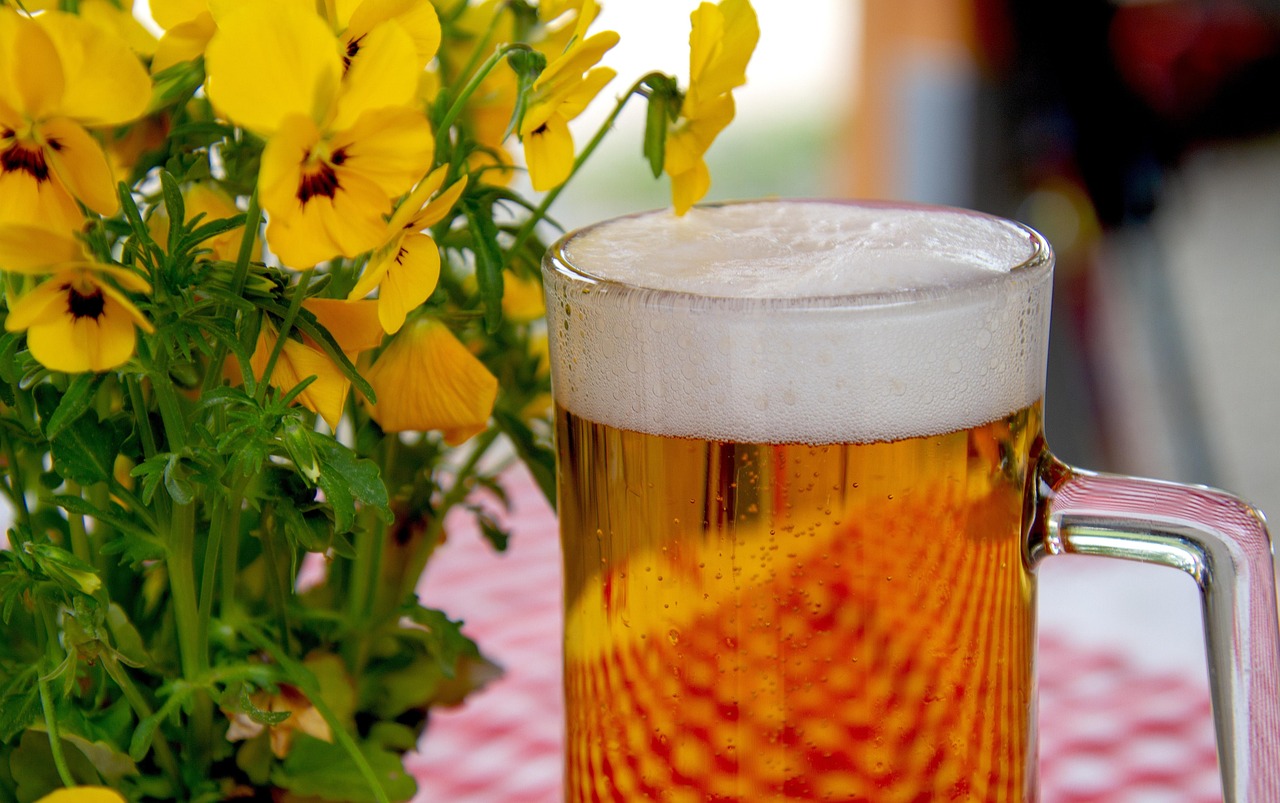
Crisp and clean: pilsners and blonde ales are perfect for first‑time drinkers. Pilsners, originating from the Czech city of Pilsen, feature a bright straw color, mild malt backbone, and a clean hop bite from Saaz hops. Blonde ales, popular in the United States, share a light body but often add a subtle corn or rice sweetness, making them easy on the palate.
Try a Czech Pilsner like Pilsner Urquell or a domestic blonde such as Coors Light. Serve both at 38‑45 °F (3‑7 °C) to preserve their refreshing character. If you notice a gentle bitterness followed by a dry finish, you’re experiencing the classic lager profile that many beginners enjoy.
Malty and smooth: amber ales and brown ales introduce a richer caramel flavor without overwhelming bitterness. Amber ales showcase toasted malt, giving notes of toffee and light nuts, while brown ales add a deeper chocolate or coffee nuance. Both styles sit in the 4.5‑6 % ABV range, making them approachable for longer tasting sessions.
Popular choices include New Belgium Fat Tire (amber) and Samuel Smith’s Nut Brown (brown). Serve these at 45‑50 °F (7‑10 °C) to let the malt sweetness shine while keeping the carbonation lively. Pair them with grilled chicken or a cheese board for a balanced experience.
Subtle and sweet: wheat beers bring a soft, bready texture and often feature banana or clove aromas from the yeast. German Hefeweizens and Belgian Witbiers fall into this category. Their lower bitterness makes them ideal for those who shy away from hop‑forward beers.
Sample a classic Hoegaarden Wit or a German Weihenstephaner Hefeweissbier. Serve at 42‑48 °F (6‑9 °C) and watch the foam rise high—a sign of good carbonation. The subtle fruitiness will introduce you to the role of yeast‑derived flavors without the sting of hops.
How to Taste and Evaluate Beer Like a Pro
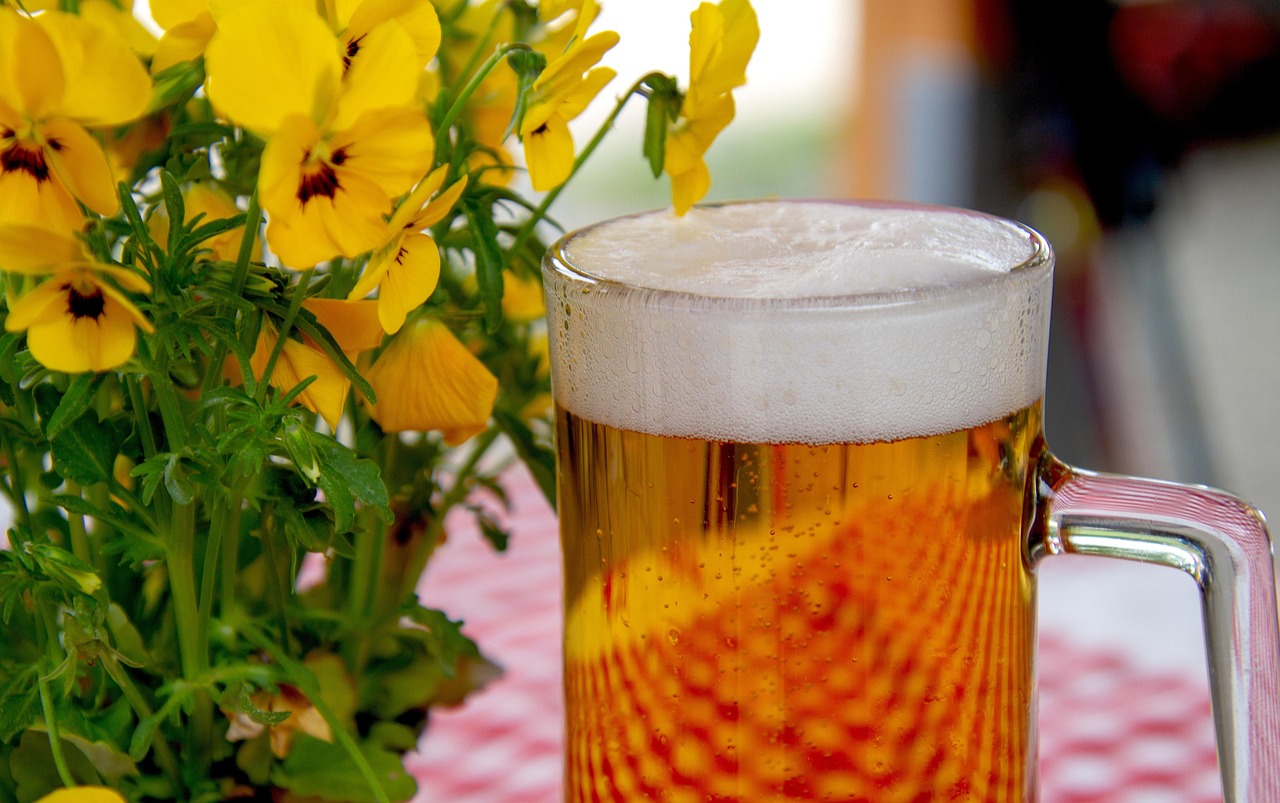
The four‑step tasting method gives you a repeatable framework: look, swirl, sniff, sip. First, observe the color and clarity; a hazy appearance often signals wheat or unfiltered ales. Next, gently swirl the glass to release volatile aromatics. Then, inhale deeply, noting fruit, spice, or floral notes. Finally, take a small sip, letting the liquid coat your palate before swallowing.
During the sip, separate the mouthfeel (body, carbonation, temperature) from the flavor profile (sweet, bitter, sour). Ask yourself: Is the malt sweetness balanced by hop bitterness? Does the finish linger or fade quickly? Recording these observations in a simple notebook helps you track preferences over time.
Aroma versus flavor can be surprising for beginners. A beer may smell citrusy yet taste more earthy due to hop bitterness masking fruit flavors. Practice by smelling the beer first, then tasting, and note any differences. This skill sharpens your ability to describe beers to friends or reviewers.
When you encounter a new brew, use a quick rating scale—1 to 5 for aroma, flavor, and overall enjoyment. A score of 4 or higher in each category usually indicates a beer worth revisiting. Over time, patterns emerge, guiding you toward the styles you’ll love most.
Common Pitfalls to Avoid When Exploring Beer for Beginners
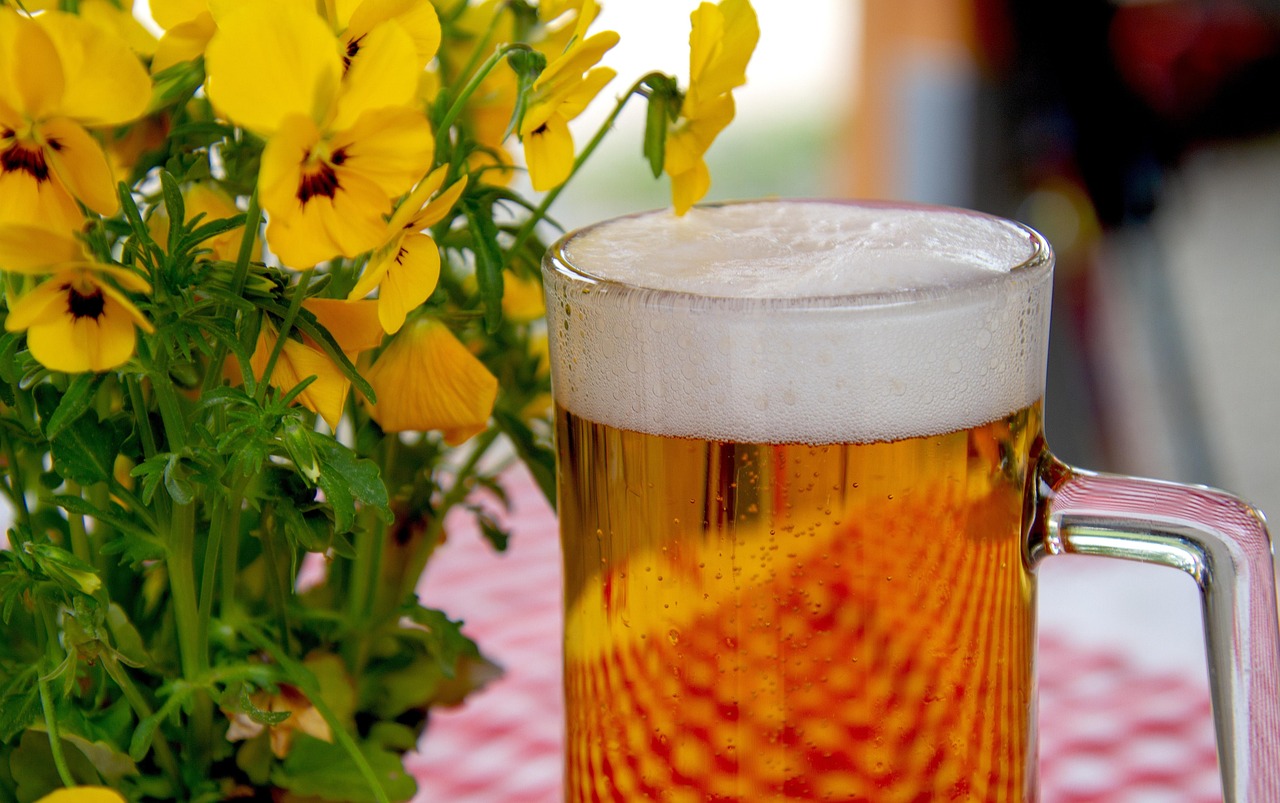
Judging a beer solely by its label can lead to disappointment. Labels often highlight marketing themes rather than flavor facts. Instead, read the style name, ABV, and IBU (International Bitterness Units) if listed. A low‑IBU lager will be smoother than a high‑IBU IPA, regardless of the artwork.
For example, a craft “amber” may actually be a dark, heavily hopped brew if the brewer emphasizes hop aroma over malt. Cross‑reference the style description on reliable sites like BeerAdvocate or the BJCP guidelines before purchasing.
Skipping temperature guidelines robs you of the intended taste experience. Warm beer can amplify bitterness and mute subtle aromas, while overly cold beer suppresses flavor and dulls aroma. As a rule, serve lagers at 38‑45 °F (3‑7 °C), ales at 45‑55 °F (7‑13 °C), and wheat beers at 42‑48 °F (6‑9 °C).
Invest in a simple beer thermometer or use a smartphone app that reads temperature via the camera. Adjust the fridge or use an ice bucket to hit the target range, and you’ll notice a clearer expression of the brew’s character.
Turning Your Passion Into Profit: Beer Side Hustles and Apps
Using receipt‑scanning apps for beer purchases can generate cash back and rewards while you explore new brands. Apps like Ibotta or regional equivalents let you upload a photo of your receipt, then award points based on the items scanned. Many breweries partner with these platforms, offering exclusive promotions on limited‑edition releases.
To maximize earnings, create a dedicated folder for beer receipts, scan them promptly, and verify that the app recognized each SKU. Some apps also provide data on your most‑purchased styles, which can guide future tasting adventures.
Writing paid reviews and content turns your tasting notes into income. Websites and newsletters often pay contributors for honest, detailed reviews, especially when you can include high‑quality photos and a structured rating system. Start by drafting a concise 300‑word review using the four‑step method, then submit it to platforms like BeerAdvocate’s paid contributor program or niche blogs that accept freelance pieces.
When pitching, highlight your unique angle—perhaps you focus on budget-friendly options or on beers that pair well with home‑grown vegetables, linking back to the Beer Brewing Basics guide. Consistency and clear, objective language increase your acceptance rate.
Another avenue is to join online tasting panels that pay for your sensory feedback. The
Finally, consider selling craft‑beer merchandise—t‑shirts, glassware, or custom coasters—through platforms like Etsy or a personal Shopify store. Use your growing audience from reviews to drive traffic, and reference the
FAQ
What is the best beer for beginners to try first?
A crisp pilsner or a light blonde ale is often recommended because they showcase clean malt and mild hop bitterness without overwhelming the palate. These styles are widely available and serve at cooler temperatures, which helps highlight their subtle flavors.
How should I start learning about beer for beginners?
Begin by mastering the four‑step tasting method: look, swirl, sniff, and sip. Pair this practice with a simple notebook to record aroma, flavor, and overall rating. Over time, you’ll recognize patterns across styles and develop a personal preference profile.
Can you make money from beer reviews and side hustles?
Yes. Receipt‑scanning apps reward purchases, paid review sites compensate detailed tasting notes, and online panels pay for sensory feedback. Combining these streams can turn a hobby into a modest side income.
Why do craft beers taste so different from standard lagers?
Craft brewers experiment with a wider range of hops, malt varieties, and yeast strains, often fermenting at higher temperatures or using unique adjuncts. This results in stronger hop bitterness, richer malt sweetness, and distinctive aromatic profiles compared with mass‑produced lagers.
What is the proper temperature for serving craft beer?
Lagers should be served at 38‑45 °F (3‑7 °C), ales at 45‑55 °F (7‑13 °C), and wheat beers at 42‑48 °F (6‑9 °C). Keeping beers within these ranges ensures the intended balance of flavor, aroma, and carbonation.
Also Read: Beer Tips: What You Need to Know
Well, what do you think about the article?
Did you enjoy reading “Beer For Beginners: A Practical Guide”? We really hope that you have enjoyed.
If you have any thoughts or comments about this post, please feel free to share them in the comment section below. We appreciate your feedback and would be glad to hear from you.
To see more content like this check the Beermoney section of Money For My Beer.

Chief Editor and Website Owner.
Hi, I’m Ryan. I write and edit everything on this site, which means I’m the last set of eyes on every post before it goes live. By day I’m a technical architect. I design and build enterprise systems, apps, websites, and the occasional game.
This site started because I wanted one place where money advice for regular people doesn’t read like it was written by a finance robot. My goal is simple: every article should be genuinely useful, actually tested against what real people are searching for, and written in plain English. No jargon, no “get rich quick,” no advice I wouldn’t follow myself.
You’ll see a lot of topics here that lean on my engineering background: software reviews, tools, and tech-adjacent money stuff. Where a topic needs real financial expertise, I say so plainly and point you to qualified sources rather than pretending.