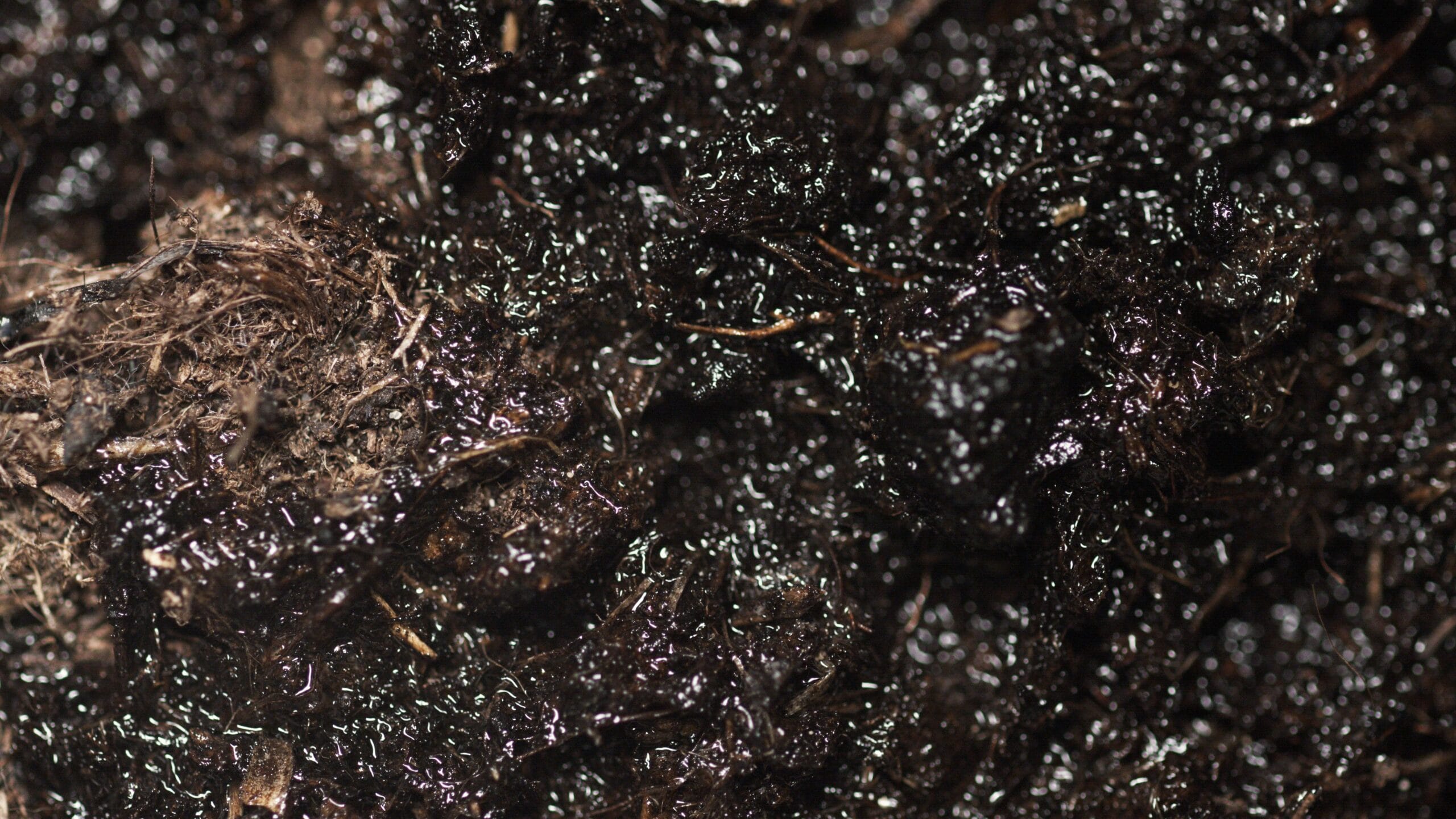
Healthy soil is the foundation of a productive garden. It provides roots with water, air, nutrients, and physical support while creating a habitat for bacteria, fungi, earthworms, and other soil organisms.
Learning how to improve soil health does not mean adding every fertilizer or soil amendment you can find. The better approach is to identify what your soil actually needs, then build good conditions over time.
For most home gardens, the most useful practices are testing the soil, adding appropriate organic matter, keeping the soil covered, preventing compaction, minimizing unnecessary disturbance, growing diverse plants, maintaining living roots, managing water and drainage, and fertilizing according to soil and crop needs.
Quick Answer: How Do You Improve Soil Health?
The best way to improve soil health is to start with a soil test and address the specific problems it identifies. Depending on your soil, this may involve adding finished compost or another suitable organic amendment, using mulch or cover crops, reducing unnecessary tilling, preventing compaction, improving drainage, rotating crops, maintaining living roots, and applying fertilizer only when needed.
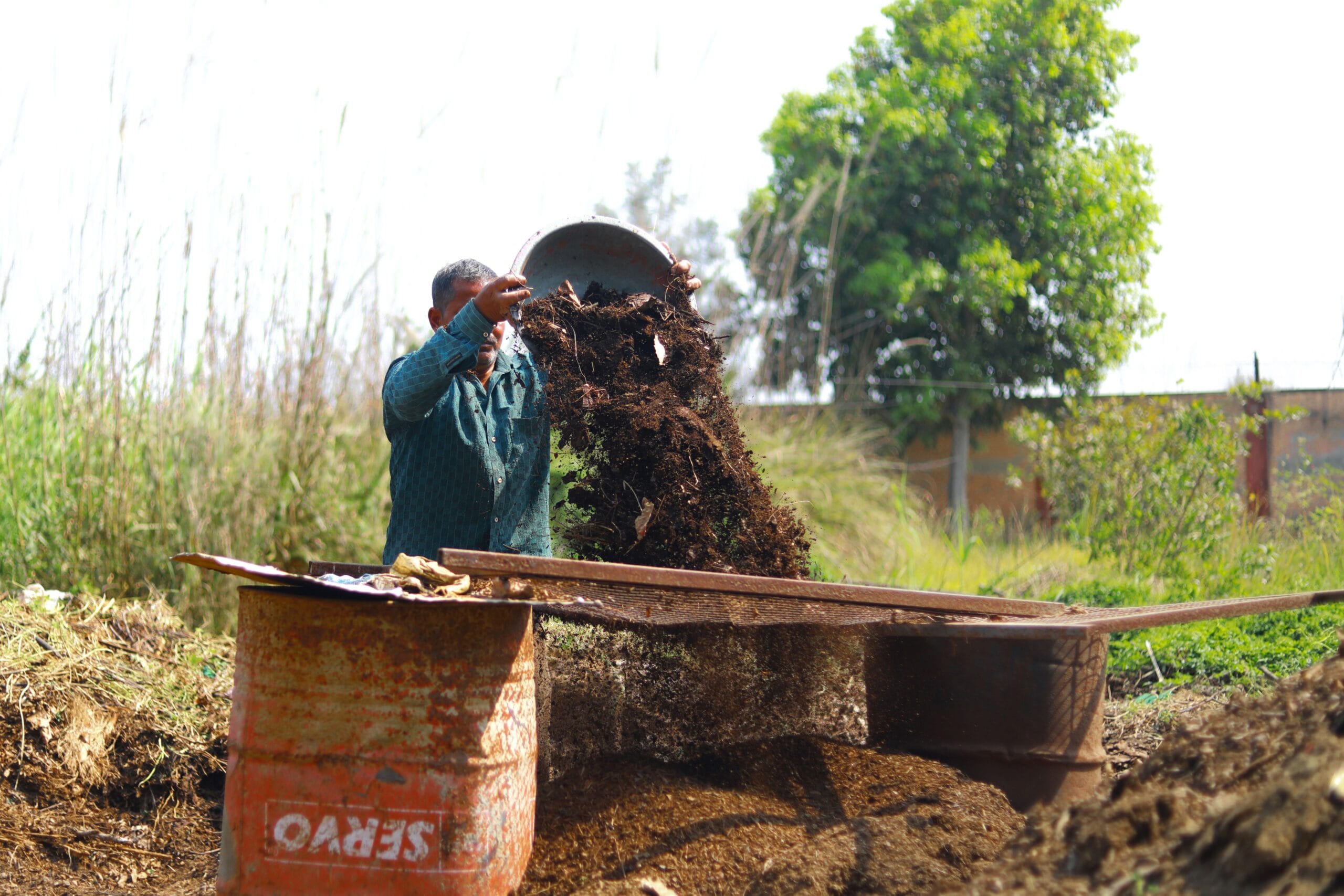
There is no single perfect soil amendment or universal soil recipe. The right approach depends on soil texture, pH, nutrient levels, organic matter, drainage, climate, and the plants you want to grow.
What Is Soil Health?
Soil health is the ability of soil to function as a living ecosystem that supports plants and other organisms. It involves the interaction of physical, chemical, and biological properties rather than one measurement such as pH or fertilizer level.
The USDA Natural Resources Conservation Service describes healthy soil as a living ecosystem that helps regulate water, cycle nutrients, support soil organisms, and promote plant growth.
For gardeners, healthy soil generally means a growing environment where roots can access enough air and water, nutrients are available in appropriate amounts, the soil can absorb rainfall or irrigation, and biological activity can continue without excessive disturbance.
Soil Health vs. Soil Fertility
Soil health and soil fertility are related, but they are not exactly the same thing.
Soil fertility focuses primarily on the soil’s ability to supply plants with essential nutrients. Soil health is broader. It also includes soil structure, water movement, biological activity, organic matter, and the soil’s overall ability to perform important functions.
A garden can have plenty of nutrients and still have poor soil health if the soil is severely compacted, poorly drained, or continually disturbed.
That is why adding more fertilizer is not always the answer when a plant is struggling.
Why Is Healthy Soil Important?
Healthy soil affects how plants access water and nutrients and how well roots can grow. Soil structure determines how pore spaces are arranged, which influences the movement of air and water.
Organic matter also plays an important role. The USDA NRCS explains that increasing soil organic matter can improve soil structure, water infiltration, nutrient cycling, and biological activity.
Soil organisms are part of this system. According to the FAO Soil Biodiversity Portal, microorganisms and soil fauna contribute to nutrient cycling, organic matter dynamics, soil structure, water processes, and plant nutrient acquisition.
In practical gardening terms, improving soil health creates a better environment for roots and can make the garden more resilient to problems such as erosion, compaction, poor water movement, and nutrient imbalance.
10 Ways to Improve Soil Health
1. Test Your Soil Before Making Major Changes
Soil testing should be the starting point for major soil improvements.
A soil test can provide information about characteristics such as pH, organic matter, phosphorus, potassium, and other nutrients. The exact tests available vary by laboratory.
Home test kits can be useful for basic observations, particularly pH, but laboratory testing generally provides more dependable information for making significant amendments.
Testing is especially important before adding materials designed to change soil pH or supplying nutrients that may already be abundant.
For gardeners and growers in the Philippines, the Department of Agriculture Bureau of Soils and Water Management’s National Soil Health Program provides soil-health and soil-analysis initiatives across the country.
Best practice: Do not add lime, sulfur, large amounts of fertilizer, manure, or other nutrient-rich amendments simply because they are popular gardening products. Test first whenever practical.
2. Add Finished Compost or Other Appropriate Organic Matter
Organic matter is one of the most practical ways to improve many garden soils.
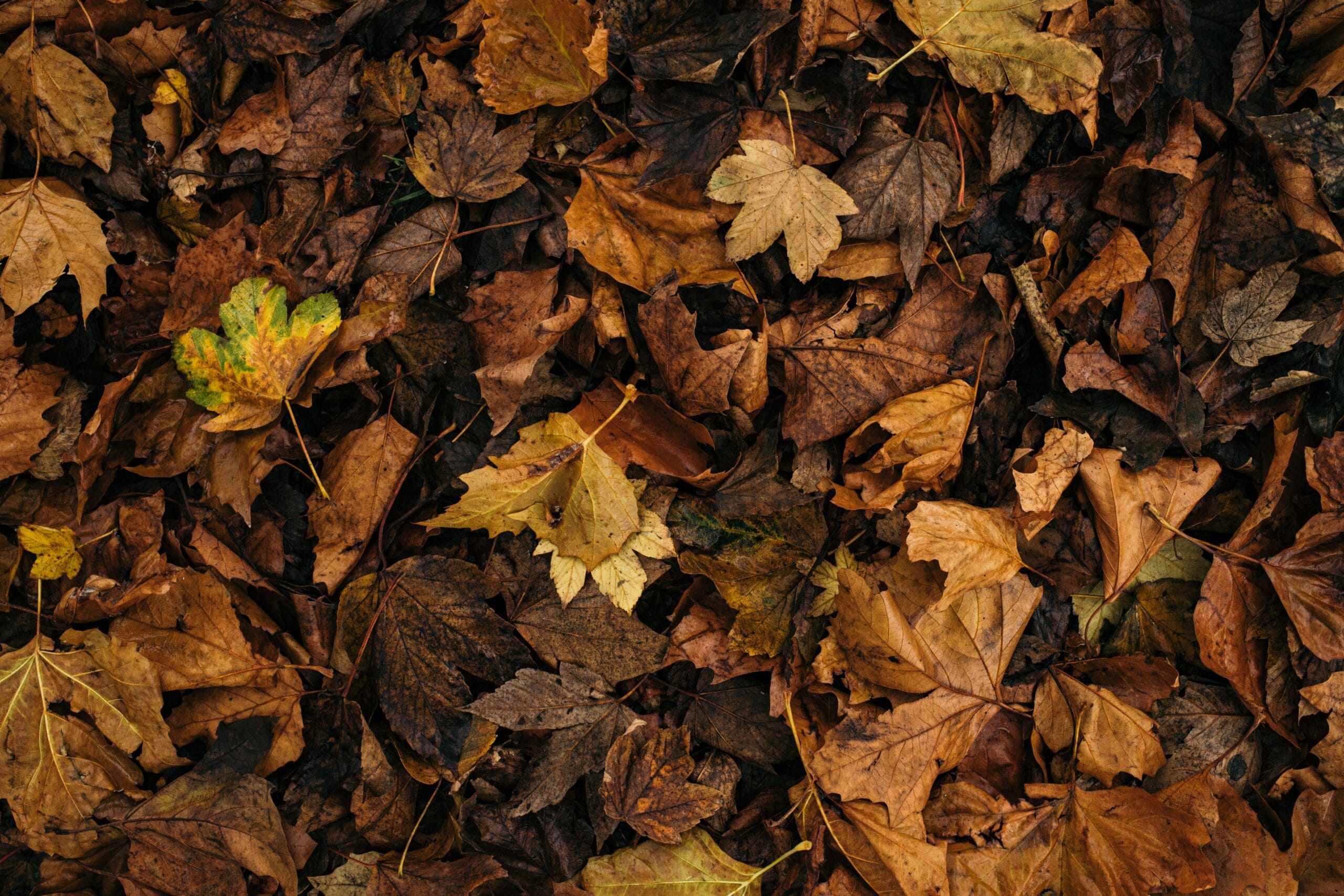
Finished compost can contribute organic matter and nutrients while improving soil structure. It can be particularly useful when soil has low organic matter or poor physical condition.
However, more compost is not necessarily better.
That is especially important when using manure-based compost, which can contain substantial amounts of phosphorus and other nutrients.
Use finished or mature compost rather than fresh, incompletely decomposed material. Compost should generally be well decomposed and stable before being used around plants.
For a new garden bed, some Extension recommendations use a relatively shallow layer of compost incorporated into the growing soil. The appropriate amount still depends on the soil, compost, crop, and site, so avoid applying a rigid ratio as a universal rule.
3. Keep the Soil Covered With Mulch or Living Plants
Bare soil is exposed to rainfall, wind, evaporation, and temperature changes. Keeping the soil covered protects the surface and helps maintain a more stable growing environment.
Organic mulch such as shredded leaves, straw, bark, wood chips, or suitable compost can help regulate moisture, suppress weeds, moderate soil temperature, and contribute organic matter as it decomposes.
Cover crops provide another way to protect the soil. Instead of leaving the surface bare between crops, a living cover can protect soil from erosion while maintaining living roots.
When using mulch around plants, leave a gap around stems and tree trunks rather than piling mulch directly against them.
4. Prevent Soil Compaction
Compacted soil has fewer functional pore spaces. This can make it harder for roots to penetrate the soil and can interfere with the movement of air and water.
Repeatedly walking on garden beds, using heavy equipment, or working wet soil can contribute to compaction.
A simple long-term solution is to create permanent walking paths and avoid stepping into planting areas whenever possible. Raised beds can also make it easier to separate growing soil from pathways.
When soil is compacted, focus on fixing the cause rather than repeatedly turning the soil. Adding appropriate organic matter and maintaining living roots can support gradual structural improvement, while excessive disturbance can work against that goal.
5. Minimize Unnecessary Tilling
Tilling can be useful when establishing or renovating a garden, but repeatedly disturbing soil is not always necessary.
The USDA NRCS identifies minimizing soil disturbance as a core soil-health practice.
Frequent physical disturbance can damage soil aggregates and disrupt the habitat where soil organisms live. For an established garden, use targeted cultivation when needed rather than automatically turning the entire bed every season.
This does not mean every garden must become completely no-till. The practical goal is to disturb the soil only as much as necessary.
6. Grow a Diversity of Plants
Plant diversity can contribute to a more diverse soil environment because different plants interact with soil organisms and root zones in different ways.
The USDA NRCS recommends increasing plant diversity as part of a broader soil-health management system.
In vegetable gardens, crop rotation can also help reduce repeated pressure from some pests and diseases and prevent the same crop family from occupying the same area continuously.
You do not need a complicated rotation plan for a small garden. Even a basic effort to alternate plant families from season to season can be useful where space allows.
7. Keep Living Roots in the Soil When Practical
Living roots are an important part of the soil ecosystem.
Plants release compounds into the root zone that interact with microorganisms. The USDA NRCS describes the rhizosphere, the area immediately surrounding roots, as one of the most biologically active parts of soil.
In larger gardens or agricultural systems, cover crops can keep living roots in the soil between main crops.
In a small home garden, simply keeping productive plants growing where practical and avoiding long periods of unnecessary bare soil can support the same general principle.
8. Manage Water and Drainage
Healthy soil needs both water and air. Constantly saturated soil can restrict oxygen available to roots, while excessively dry soil can limit plant growth and soil biological activity.
Pay attention to what happens after heavy rain or irrigation. If water remains standing for long periods, poor drainage may be part of the problem. If water quickly disappears and the soil dries rapidly, the soil may have low water-holding capacity or insufficient organic matter.
In poorly drained areas, garden-bed design, drainage infrastructure, planting location, and plant selection may be more important than simply adding more fertilizer.
9. Fertilize According to Soil and Crop Needs
Fertilizer supplies nutrients. It does not replace good soil structure, proper watering, sufficient sunlight, or healthy roots.
Use soil-test recommendations where available and follow the fertilizer label for application rates and timing.
This applies to both synthetic and organic fertilizers. Organic does not automatically mean impossible to overapply. Compost, manure, and organic fertilizers can all supply nutrients and salts that may accumulate when applied excessively.
The Philippine DA-BSWM’s National Soil Health Program also recognizes the role of balanced fertilization, including appropriate combinations of organic and inorganic fertilizers, rather than treating one type as universally superior.
When a plant looks unhealthy, do not automatically assume it needs more fertilizer. Poor growth can also result from water stress, compaction, root damage, pests, disease, insufficient light, or inappropriate growing conditions.
10. Use Specialty Amendments Only When They Address a Real Need
Products such as biochar, worm castings, mineral amendments, and microbial inoculants can have legitimate uses, but they are not substitutes for the fundamentals of soil management.
Biochar
Biochar is a carbon-rich material produced by heating biomass under limited oxygen. Research reviews have found potential benefits for some soils, but the results vary with the feedstock, production conditions, soil type, application rate, and other factors.
For home gardeners, that means biochar is best considered an optional soil amendment, not a universal requirement. Start with soil testing, organic matter, mulch, plant diversity, living roots, and compaction management before investing heavily in specialty products.
Worm Castings
Vermicompost can contribute organic matter and nutrients and can be useful in many garden systems. It should still be used as part of a balanced soil-management plan rather than as a replacement for soil testing or proper fertilization.
Microbial Inoculants
Soils already contain diverse microbial communities. Commercial microbial products may have specific uses, but they are not automatically necessary for a healthy garden.
Providing suitable organic matter, living roots, plant diversity, and appropriate moisture creates conditions that naturally support soil biology.
How to Improve Soil Naturally
For gardeners looking for natural or low-input ways to improve soil, the most useful practices are often surprisingly simple.
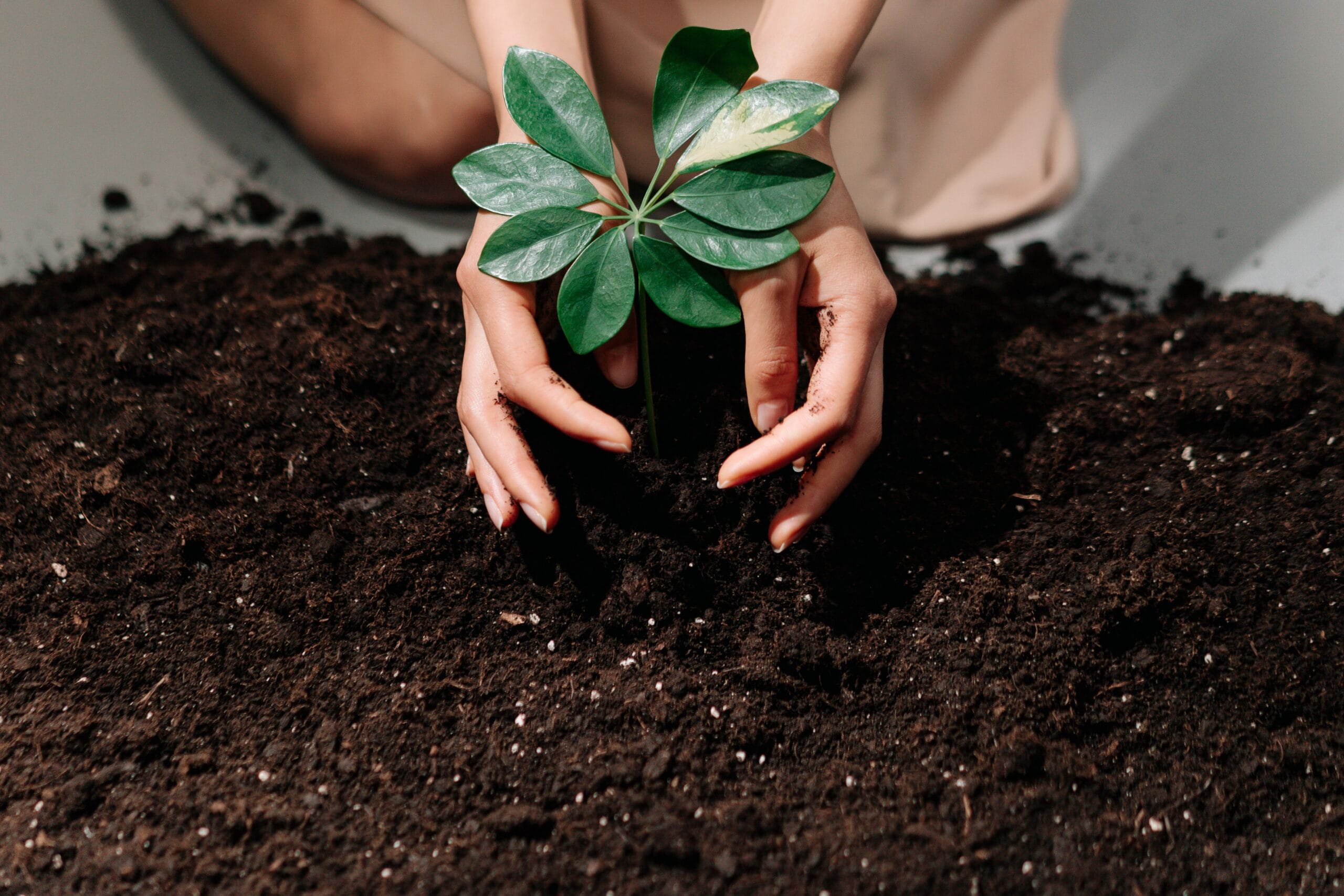
- Use finished compost when soil conditions indicate it is appropriate.
- Mulch exposed soil with suitable organic materials.
- Grow cover crops or maintain living roots where practical.
- Rotate crops and diversify plantings.
- Avoid unnecessary tilling.
- Prevent repeated foot traffic in planting beds.
- Use plant residues and leaves as appropriate sources of organic matter.
- Test soil before making major nutrient or pH adjustments.
These practices are generally more important than chasing specialized products.
How to Improve Sandy Soil
Sandy soil has relatively large particles and tends to drain quickly. It can also have difficulty retaining water and nutrients.
Adding appropriate organic matter can help improve water and nutrient retention. Mulching can further reduce evaporation from the soil surface.
Repeated additions of suitable organic matter, combined with good soil cover and thoughtful irrigation, are usually more useful than trying to change the soil texture completely.
How to Improve Clay Soil
Clay soils contain very small particles and can hold substantial amounts of water. They may become sticky when wet and hard when dry, and poor drainage can be a problem.
Organic matter can improve structure over time, while reducing compaction helps protect the pore spaces that roots need.
Avoid working saturated clay soil. Digging or cultivating it when excessively wet can damage soil structure.
Also be careful with the common advice to mix sand into heavy clay. Adding a relatively small amount of sand to a large amount of clay is not a reliable way to create ideal garden loam.
How to Improve Poor Garden Soil
If your soil is poor, do not immediately replace all of it or add large amounts of fertilizer.
First determine what “poor” means in your garden. The problem may be:
- Low organic matter
- Compaction
- Very high or low pH
- Nutrient deficiency
- Excess nutrients or salts
- Poor drainage
- Water stress
- Contamination
A soil test is particularly valuable because different problems require different solutions.
For example, adding fertilizer to soil that already contains sufficient nutrients may make the situation worse. Likewise, adding more compost will not automatically solve severe drainage problems.
What Is the Best pH for Garden Soil?
Many fruits and vegetables grow well in soil with a pH around 6.0 to 7.0, but some plants prefer more acidic or alkaline conditions.
The correct target therefore depends on what you are growing. The University of Minnesota Extension notes that many fruits and vegetables perform well around this range, with exceptions such as acid-loving blueberries.
Do not add lime simply because you have heard that garden soil should be alkaline enough, and do not add sulfur just because a plant looks unhealthy. Use a soil test and choose amendments according to the actual pH problem.
Should You Use Compost Tea?
Compost tea is popular among some organic gardeners, but it is not a required step for improving soil health. For readers interested in learning more about the practice, see our guide to compost tea recipes.
The stronger foundation is finished compost, soil cover, living roots, appropriate organic matter, sensible fertilization, and reduced disturbance.
Food safety also matters when biological materials are used around edible crops. Penn State Extension explains that agricultural teas and other biological soil amendments can pose food-safety risks depending on how they are produced and managed.
For that reason, gardeners growing vegetables or herbs for consumption should be especially careful about the materials used, preparation methods, hygiene, and application practices.
Do Coffee Grounds Improve Soil?
Used coffee grounds can be a useful source of organic material, particularly when added to compost.
However, coffee grounds are frequently promoted as a way to dramatically acidify garden soil. That is not a reliable use. The University of Minnesota Extension notes that used coffee grounds do not consistently lower soil pH.
Use coffee grounds in moderation rather than treating them as a complete fertilizer or a substitute for a soil test.
Are Eggshells and Epsom Salts Good for Soil?
Popular gardening remedies are not automatically effective.
Crushed eggshells decompose slowly and are not a reliable quick solution for calcium-related plant problems. Epsom salts should not be added routinely unless magnesium is actually deficient.
The broader lesson is simple: test first and amend for a reason.
How to Tell If Your Soil Is Getting Healthier
Soil health cannot be reduced to one visual characteristic. Dark or crumbly soil may look appealing, but appearance alone is not a soil test.
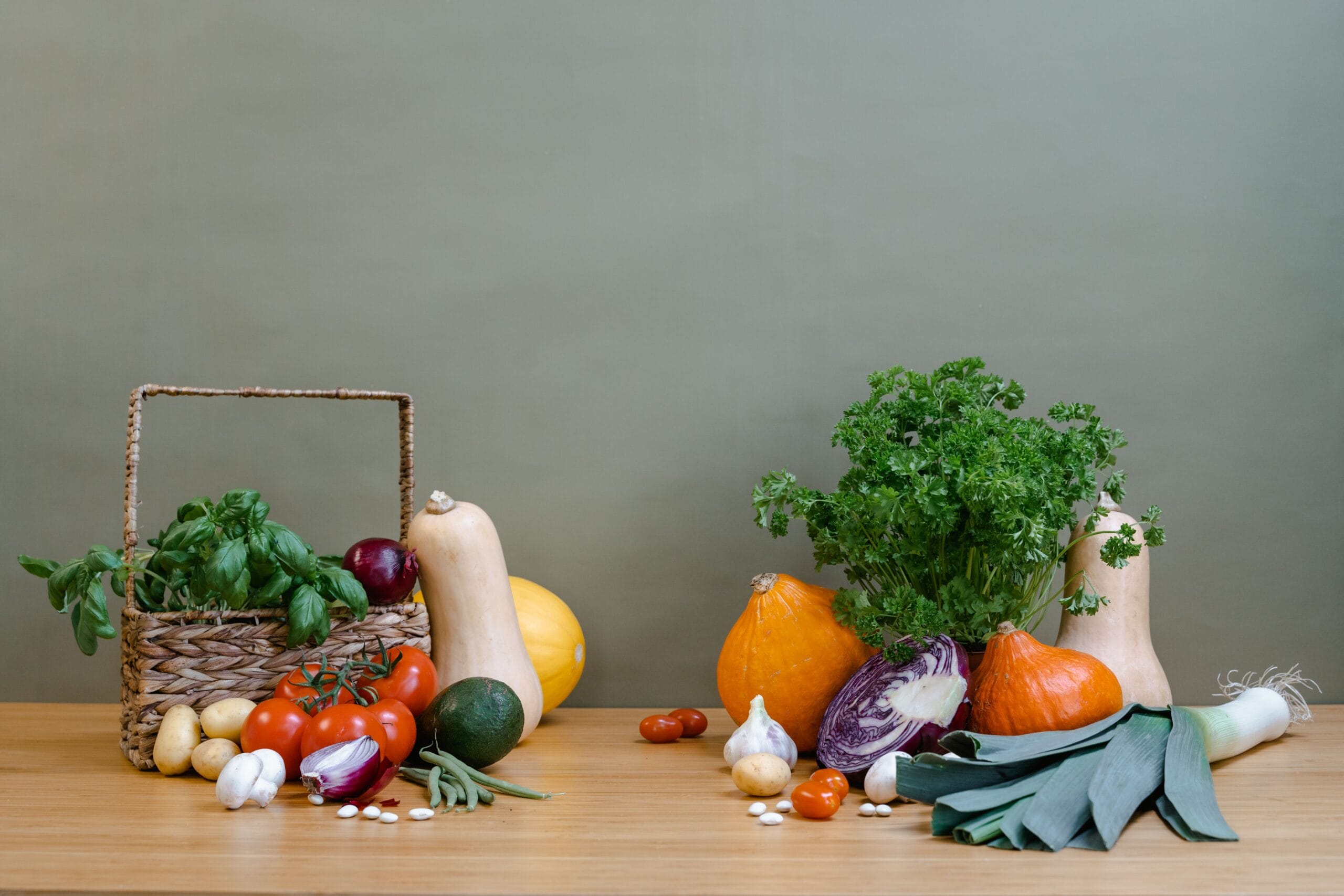
Instead, look for several indicators over time:
- Improved structure: Soil forms stable aggregates rather than becoming heavily crusted or compacted.
- Better water infiltration: Rain and irrigation enter the soil without excessive runoff.
- Appropriate drainage: Soil holds enough moisture without remaining saturated for too long.
- Healthy root growth: Roots can penetrate the growing area without encountering severe hard layers.
- Organic matter trends: Soil tests can help you track changes over time.
- Biological activity: Earthworms and other organisms may be present where conditions favor them, although their presence alone does not prove overall soil health.
- Consistent plant performance: Plants receive a more reliable supply of water, air, and nutrients when soil conditions improve.
For a deeper look at ways to evaluate soil condition, see our guide to soil health indicators.
Common Soil Health Mistakes to Avoid
Adding Too Much Compost
Compost is useful, but excessive applications can build up nutrients and soluble salts. This is one reason soil testing should be part of long-term soil management.
Fertilizing Without Testing or Reading the Label
Applying more fertilizer does not necessarily produce healthier plants. Excess nutrients can harm plants and contribute to environmental pollution.
Working Wet Soil
Digging or cultivating soil when it is saturated can damage its structure and contribute to compaction.
Leaving Soil Bare
Unprotected soil is more exposed to erosion, evaporation, and temperature extremes. Mulch, plant residues, or living plants can provide protection.
Trying to Fix Every Problem With One Amendment
Compost, lime, sulfur, biochar, manure, coffee grounds, and fertilizer all have different properties. None is a universal cure for poor soil.
Assuming Organic Automatically Means Better
Organic amendments can be extremely useful, but they still need to be used appropriately. Excessive nutrients, salts, or poorly prepared materials can cause problems regardless of whether the product is marketed as organic.
How to Improve Soil for Container Gardens
Container gardening has different soil-management requirements because pots have limited volume and drainage.
Use a quality growing medium formulated for containers rather than filling pots entirely with heavy garden soil.
Make sure containers have adequate drainage holes and avoid keeping the growing medium constantly saturated.
Organic matter can be useful in container systems, but containers also need appropriate fertility management because nutrients can be depleted or accumulate more quickly than they do in the ground.
For broader beginner guidance on soil, watering, raised beds, containers, and climate-specific gardening, see our complete gardening guide.
Improving Soil Health in Tropical and Philippine Gardens
Gardeners in tropical climates such as the Philippines may need to pay particular attention to heavy rainfall, runoff, heat, evaporation, and drainage.
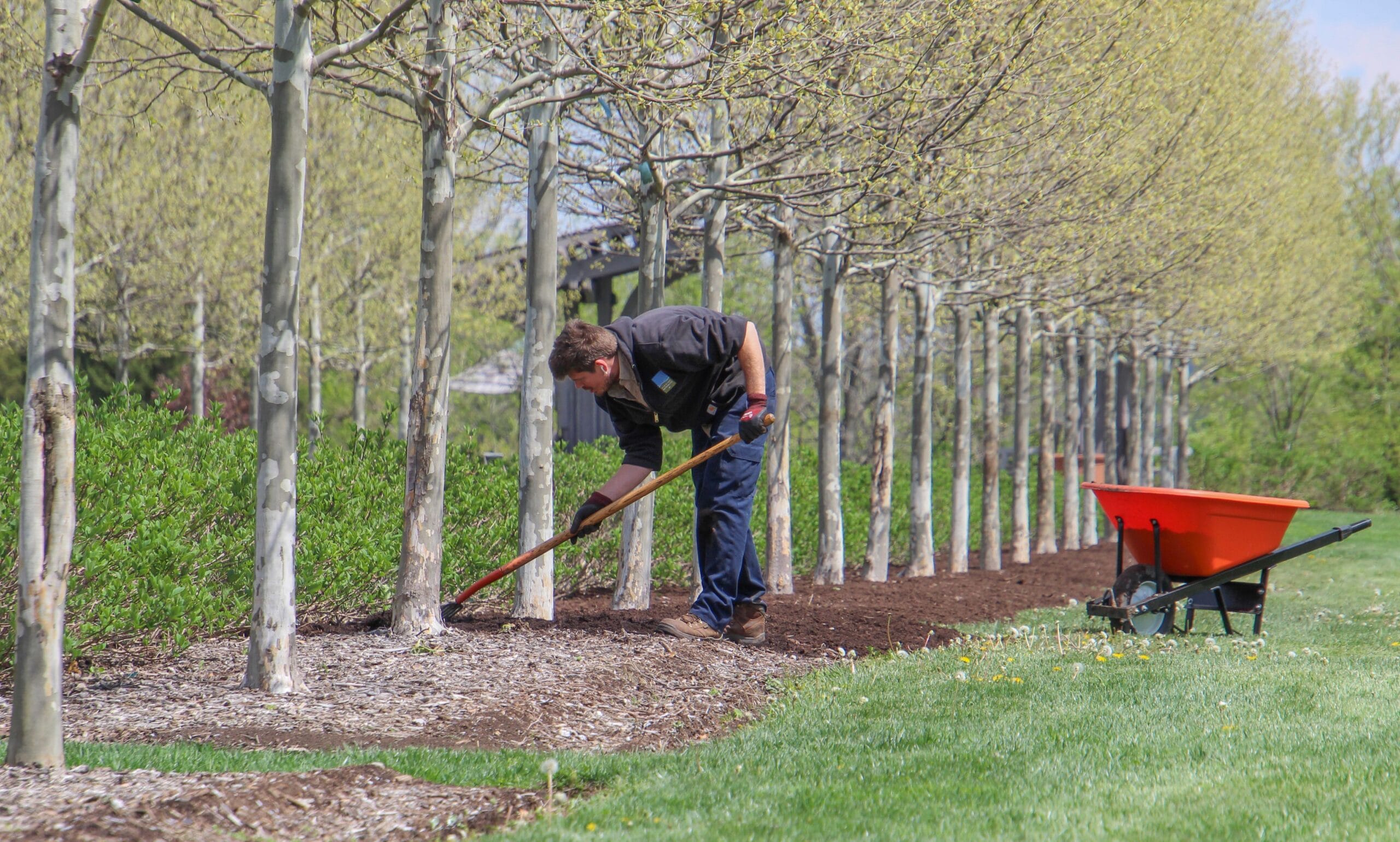
Keeping the soil covered can reduce the direct impact of heavy rain on exposed soil. Mulch can also help moderate soil moisture and temperature.
In areas that experience intense rainfall, raised beds, planting on suitable slopes or contours, drainage improvements, and appropriate plant selection may be more important than simply adding more fertilizer.
The Philippine DA-BSWM National Soil Health Program provides a useful local reference because it focuses specifically on sustainable soil management, soil analysis, and balanced fertilization in Philippine agricultural systems.
A Simple Soil Health Plan for Beginners
You do not need to overhaul your entire garden at once. A practical sequence is:
- Test the soil. Find out what you are working with.
- Identify the main problem. Look at pH, nutrients, organic matter, compaction, drainage, and water management.
- Make targeted improvements. Add appropriate compost or another amendment only when it addresses an identified need.
- Protect the soil. Use mulch, plant residues, or living plants.
- Reduce disturbance. Avoid unnecessary tilling and do not work saturated soil.
- Maintain living roots. Grow crops or cover crops where practical.
- Diversify. Use crop rotation and different plant families where possible.
- Monitor. Observe your plants and soil, then retest when appropriate.
This method is more reliable than repeatedly adding products without knowing whether they solve the actual problem.
How Long Does It Take to Improve Soil Health?
Some improvements can be noticeable relatively quickly. Mulch can immediately protect the soil surface and reduce evaporation, while a newly amended bed may become easier to work during the next growing season.
Other changes take much longer. Building organic matter, improving soil structure, and changing the broader biological condition of soil are ongoing processes.
Think of soil health as a long-term management goal rather than a one-time repair project. Consistent practices over several seasons are more important than one large amendment application.
Frequently Asked Questions About Soil Health
What is the fastest way to improve soil health?
There is no single fastest method for every soil. The quickest useful first step is usually a soil test, followed by targeted action based on the results. For many gardens, this means appropriate organic matter, soil cover, improved drainage or compaction management, and better nutrient management.
What is the best amendment for poor soil?
There is no universal best amendment. Finished compost can be very useful when organic matter is low, but lime, sulfur, fertilizer, drainage improvements, or other measures may be more appropriate depending on the actual problem.
Does compost improve soil health?
Yes. Finished compost can add organic matter and nutrients and can improve soil structure. The amount matters, however, because excessive compost can create nutrient and salt problems.
How often should I add compost?
There is no universal schedule. Established beds generally require less compost than newly created beds, and repeated applications should take soil test results and the compost’s nutrient content into account.
Can I improve soil without synthetic fertilizer?
Yes. Compost, crop residues, mulch, cover crops, living roots, crop rotation, and other organic nutrient sources can all contribute to soil health. However, organic inputs can also supply excess nutrients, so avoiding synthetic fertilizer does not remove the need for sensible soil testing and nutrient management.
Can coffee grounds improve soil?
Used coffee grounds can contribute organic material and work particularly well as a compost ingredient. They should not, however, be relied upon to lower soil pH or replace a balanced soil fertility program.
Is biochar necessary for healthy soil?
No. Biochar may be useful in some soil systems, but its effects depend on the material, soil type, application rate, and growing conditions. It is an optional amendment rather than a requirement for healthy garden soil.
Are earthworms proof that soil is healthy?
Earthworms can be a positive sign of suitable soil conditions, but their presence alone does not prove that soil is healthy. Soil structure, nutrient levels, pH, water movement, organic matter, roots, and biological activity should all be considered.
How can I improve compacted soil?
First address the cause of compaction. Avoid unnecessary foot traffic, do not work saturated soil, and reduce repeated tilling. Appropriate organic matter and living roots can help improve soil structure over time.
What is the best pH for vegetable garden soil?
Many vegetables grow well around pH 6.0 to 7.0, although individual crops can have different preferences. Test the soil before attempting to change its pH.
The Bottom Line
Improving soil health is less about finding a miracle product and more about creating the right conditions for soil to function well.
Test your soil, add organic matter when appropriate, keep the soil covered, prevent compaction, minimize unnecessary disturbance, maintain living roots, diversify plants, manage water carefully, and fertilize according to actual crop and soil needs.
These practices work together. Over time, they can create soil with better structure, more reliable water movement, healthier root conditions, and stronger nutrient cycling.
For more gardening fundamentals, visit our complete gardening guide. You can also explore our article on soil health indicators for additional ways to evaluate your garden soil.
Sources and Further Reading
This article is based primarily on guidance from government agricultural organizations, university Extension programs, and established scientific literature. Recommendations can vary by soil type, crop, climate, and local conditions.
- USDA NRCS: Soil Health
- USDA NRCS: Role of Organic Matter
- USDA NRCS: Soil Health Management
- University of Minnesota Extension: Soil Testing for Lawns and Gardens
- University of Minnesota Extension: Mulching for Soil and Garden Health
- University of Minnesota Extension: Problems Caused by Too Much Compost and Manure
- University of Minnesota Extension: Common Soil Health Home Remedies
- University of Maryland Extension: Soil Health, Drainage, and Improving Soil
- FAO: Soil Biodiversity
- Penn State Extension: Soil Amendments and Food Safety
- Journal of Environmental Management: Benefits and Limitations of Biochar Amendment in Agricultural Soils
- Philippine Department of Agriculture BSWM: National Soil Health Program
Editorial note: Soil-improvement recommendations should be adapted to local conditions. For significant pH, nutrient, salinity, contamination, or drainage concerns, use an appropriate soil test and seek advice from a qualified local agricultural or horticultural professional.
Also Read: 7 Organic Ways to Improve Soil for Healthier Plants
Well, what do you think about the article?
Did you enjoy reading “How to Improve Soil Health: 10 Practical Ways for a Healthier Garden”? We really hope that you have enjoyed.
If you have any thoughts or comments about this post, please feel free to share them in the comment section below. We appreciate your feedback and would be glad to hear from you.
To see more content like this check the Gardening section of Money For My Beer.

Chief Editor and Website Owner.
Hi, I’m Ryan. I write and edit everything on this site, which means I’m the last set of eyes on every post before it goes live. By day I’m a technical architect. I design and build enterprise systems, apps, websites, and the occasional game.
This site started because I wanted one place where money advice for regular people doesn’t read like it was written by a finance robot. My goal is simple: every article should be genuinely useful, actually tested against what real people are searching for, and written in plain English. No jargon, no “get rich quick,” no advice I wouldn’t follow myself.
You’ll see a lot of topics here that lean on my engineering background: software reviews, tools, and tech-adjacent money stuff. Where a topic needs real financial expertise, I say so plainly and point you to qualified sources rather than pretending.