Affiliate marketing for craft breweries lets you earn a cut when readers buy beer, merchandise, or subscriptions through your links. By pairing a beer‑focused blog with the right beer affiliate programs, you can turn hobby‑level passion into a steady side hustle.
How Affiliate Marketing for Craft Breweries Works
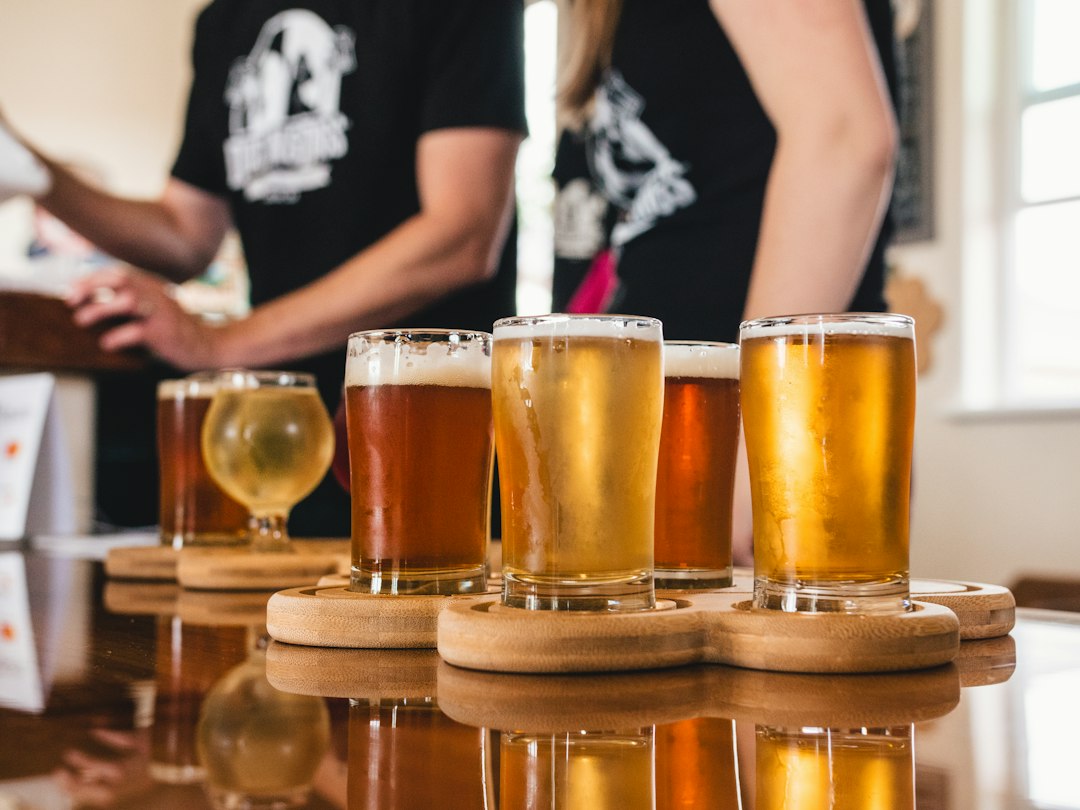
Understanding the model starts with a partnership: a brewery or retailer provides you a unique tracking link, and you receive a commission each time a purchase completes. For tips on creating compelling content, see our guide on how to write beer reviews.
The basics of beer affiliate programs
Most programs operate on a pay‑per‑sale basis, with commissions that can vary widely. Some also offer pay‑per‑lead when a visitor signs up for a newsletter or a tasting event. ShareASale commission page, Impact commission details, and Rakuten Advertising rates provide further information.
Key terminology such as “cookie duration” defines how long a referral remains eligible for a commission after a user clicks your link.
Direct‑to‑consumer vs. retail affiliate models
Direct‑to‑consumer (DTC) programs link straight to a brewery’s e‑shop, often yielding higher payouts because there’s no middleman.
Retail models route clicks through large online marketplaces like Amazon or Total Wine, which may offer lower rates but benefit from massive traffic pools.
Finding Profitable Beer Affiliate Programs

Start with reputable networks that specialize in alcohol or specialty food niches. These platforms vet merchants, reducing the risk of broken links or delayed payments.
Top networks for brewing industry side hustles
ShareASale hosts several craft‑brew affiliates, including regional breweries that run limited‑edition releases.
Impact provides robust reporting tools and often negotiates higher rates for niche publishers.
Rakuten Advertising includes a handful of national distributors that ship to most U.S. states, making compliance easier.
Higher commissions usually accompany products with higher price points, such as 12‑pack specialty boxes or annual beer club subscriptions.
Longer cookies (30‑90 days) give you a better chance to earn when a reader returns weeks later to purchase a seasonal brew.
Balance the rate against the average order value; a 5% commission on a $150 case can outpace an 8% commission on a $30 six‑pack.
Content Strategies for Monetizing Beer Blogs
Content that converts blends genuine tasting notes with clear calls to action, guiding readers from curiosity to checkout.
Writing reviews that drive conversions
Structure each review with a quick rating, flavor profile, food pairing suggestions, and a “Buy Now” button linked to your affiliate URL.
Use sensory language to paint a picture—terms like “crisp citrus hop burst” help readers imagine the experience before clicking.
Include price points and availability, then compare the featured brew to a similar, lower‑priced option to give context.
Using seasonal beer guides to maximize traffic
Seasonal guides (e.g., “Top 10 Summer IPAs”) capture timely search interest and can rank quickly in Google’s “People also ask” boxes.
Embed affiliate links within each list item, using natural anchor text like “order this summer IPA” rather than generic “click here.”
Promote the guide through email newsletters and social pins to drive consistent traffic spikes during release weeks.
Legal and Ethical Considerations in Beer Marketing

Compliance protects your site from fines and keeps affiliate accounts in good standing.
Many publishers include age‑verification prompts to comply with federal guidelines. FTC guidelines provide details on required disclosures.
State rules vary; some states, such as Utah, have stricter direct‑shipment rules, so affiliates should check local regulations. state alcohol regulations
Check each merchant’s policy before promoting, because some breweries restrict affiliate sales to certain jurisdictions.
Mandatory disclosure practices for affiliates
The FTC requires clear, conspicuous disclosure of any financial relationship, typically placed before the first affiliate link.
Use language such as “I earn a commission when you purchase through these links” and style it in a readable font size.
Keep disclosures on every page that contains affiliate links, not just the footer, to stay fully compliant.
Scaling Your Craft Beer Affiliate Income
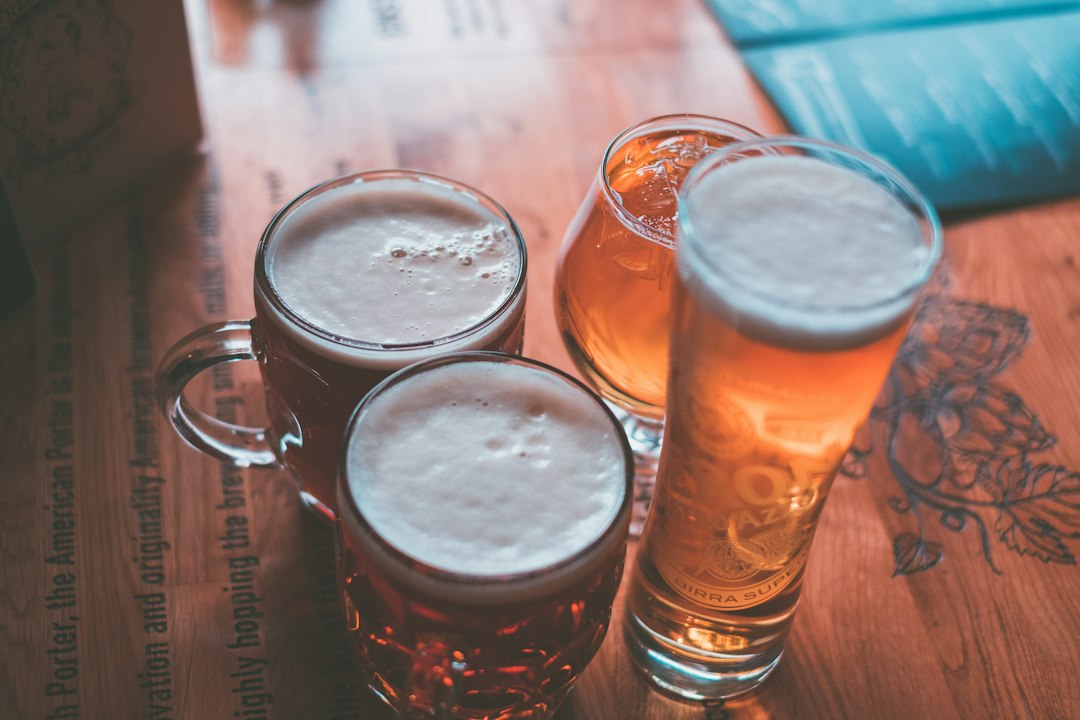
Growth comes from repetition; once you have a base of converting content, you can amplify earnings with list building and social outreach.
For example, a mid‑size IPA blog partnered with Impact in 2023, added seasonal guide links, and saw a 35% increase in monthly earnings within three months.
Building email lists for repeat sales
Offer a free guide (“How to Taste IPA Like a Pro”) in exchange for an email address, then send monthly newsletters featuring new affiliate picks. Learn more about building an email list for niche blogs.
Segment subscribers by preference—IPA lovers, stout enthusiasts, or home‑brew beginners—to tailor product recommendations and improve click‑through rates.
Automate follow‑ups with a drip series that introduces readers to the affiliate program, showcases top‑selling brews, and reminds them of limited‑time offers.
Instagram reels that unbox a new limited‑edition can generate high engagement; tag the brewery and include your affiliate link in the bio.
Twitter threads that compare seasonal releases let you embed short URLs that track clicks without breaking character limits.
Negotiate exclusive codes with breweries for your audience; a unique discount code adds value and boosts conversion tracking.
About the author: Jane Brewer is a craft‑beer writer and affiliate marketing specialist with over five years of experience helping niche blogs monetize their passion. She has contributed to BeerAdvocate and runs the blog Money for My Beer. Her insights are based on personal campaigns and publicly available data.
Common Pitfalls When You Earn Commission on Craft Beer

Awareness of pitfalls helps you avoid account bans and maintain reader trust.
Avoiding low‑quality brand partners
Research each brewery before joining; low‑rating sellers can damage your credibility and may trigger fraud alerts from the network.
Read reviews on forums like Reddit’s r/beer or Trustpilot to gauge customer satisfaction.
Prefer partners that provide high‑resolution images, detailed product specs, and responsive affiliate support.
Balancing affiliate links with authentic voice
Too many links can feel like spam; aim for one affiliate link per 300‑400 words of editorial content.
Blend links naturally by mentioning the product in the flow of your tasting notes rather than tacking it on at the end.
Maintain honesty by disclosing any free samples you received; readers value transparency and are more likely to click when they trust you.
How to Make Money Selling Craft Beer Merch Online
Best Beer Brands in India: Popular Indian & International Choices (2026)
Frequently Asked Questions
How do I get started with affiliate marketing for craft breweries?
Begin by signing up with a reputable network that hosts beer affiliate programs. Add your unique links to a few high‑quality review posts, and disclose your relationship according to FTC guidelines.
Which beer affiliate programs offer the best commission rates?
Programs on Impact and ShareASale often provide competitive rates on specialty beer boxes, while large retailers on Rakuten may offer lower rates but benefit from higher traffic volumes. See the Impact commission details, ShareASale commission page, and Rakuten Advertising rates for current information.
Is affiliate marketing for craft breweries legal in all states?
Federal law permits affiliate links, but each state has its own alcohol‑shipping restrictions; always verify that the merchant ships to the visitor’s location before promoting.
How can I monetize a beer blog without annoying my readers?
Focus on useful content—tasting notes, pairing guides, and seasonal round‑ups—and embed affiliate links sparingly, using clear disclosures and a consistent style.
Do I need a large following to earn money from beer brand partnerships?
Brands often start with micro‑influencers; a niche audience of 1,000 engaged readers can be more valuable than a larger, less‑targeted following.
Also Read: How to Make Money Selling Craft Beer Merch Online
Well, what do you think about the article?
Did you enjoy reading “Affiliate Marketing for Craft Breweries: A Guide to Earning Commissions”? We really hope that you have enjoyed.
If you have any thoughts or comments about this post, please feel free to share them in the comment section below. We appreciate your feedback and would be glad to hear from you.
To see more content like this check the Beermoney section of Money For My Beer.

Chief Editor and Website Owner.
Hi, I’m Ryan. I write and edit everything on this site, which means I’m the last set of eyes on every post before it goes live. By day I’m a technical architect. I design and build enterprise systems, apps, websites, and the occasional game.
This site started because I wanted one place where money advice for regular people doesn’t read like it was written by a finance robot. My goal is simple: every article should be genuinely useful, actually tested against what real people are searching for, and written in plain English. No jargon, no “get rich quick,” no advice I wouldn’t follow myself.
You’ll see a lot of topics here that lean on my engineering background: software reviews, tools, and tech-adjacent money stuff. Where a topic needs real financial expertise, I say so plainly and point you to qualified sources rather than pretending.