If you’re juggling a freelance gig, a small e‑commerce store, or a backyard garden, you probably have a few extra dollars each month that you’d love to see grow. Turning that side‑hustle cash into a solid stock portfolio can feel like a giant leap, especially when the tech world seems to change faster than a craft‑beer brew cycle. That’s why many budget‑savvy earners ask: is Intel (INTC) a good long‑term hold for side hustlers? In this intc stock analysis, we’ll break down the numbers, dividend prospects, and future outlook so you can decide whether Intel belongs in your passive‑income toolbox.
From Side Hustle Cash to Stock Portfolio: Why Intel?

First, let’s talk about the mindset of a side hustler who wants to invest. You’re likely looking for steady growth without needing to monitor the market 24/7. That’s where a well‑established tech giant like Intel can shine. Even if you’re not a computer engineer, you’ve probably heard of Intel’s processors powering everything from gaming rigs to data‑center servers.
Turning Extra Income into Long-Term Wealth
When you funnel a portion of your side‑hustle earnings into a dividend‑paying stock, you’re essentially setting up a passive income engine. Over time, the compounding effect of reinvested dividends can turn a modest $200 monthly contribution into a sizable nest egg. Intel’s history of paying dividends makes it an attractive candidate for this strategy.
Why Tech Stocks Catch Every Beginner’s Eye
Technology stocks dominate the headlines because they promise rapid innovation and high upside. For beginners, the allure of owning a piece of the future of computing is hard to resist. However, not every tech name delivers consistent returns. Intel offers a blend of stable cash flow and a clear roadmap, which can be reassuring for those who prefer a less volatile entry point.
Breaking Down the Numbers: A Deep Dive intc stock analysis

Let’s get into the nitty‑gritty of Intel’s financial performance. In the most recent fiscal year, Intel reported revenue of $63.1 billion, a modest dip from the previous year’s $67.9 billion. The decline was largely due to intense competition in the CPU market and supply‑chain constraints. Still, the company posted a net income of $13.9 billion, indicating that profitability remains robust.
Recent Market Struggles and Turnaround Plans
Intel’s market share in the PC processor segment slipped to about 15%, down from a peak of 55% two decades ago. The turnaround plan focuses on three pillars: accelerating the “IDM 2.0” manufacturing strategy, expanding the foundry business, and investing heavily in AI‑focused chips. If these initiatives succeed, Intel could reclaim lost ground and open new revenue streams.
Valuation: Is It Actually Cheap Right Now?
At a price‑to‑earnings (P/E) ratio of roughly 9×, Intel trades well below the industry average of 22×. This discount suggests the market may be undervaluing Intel’s future cash flows. Moreover, the price‑to‑book (P/B) ratio sits near 1.2, indicating the stock is priced close to its net asset value. For a side hustler with a modest budget, this valuation offers a margin of safety.
Can You Count on Cash? Exploring the intc dividend yield

Dividends are the lifeblood of many income‑focused portfolios. Intel currently offers a dividend yield of about 3.2%, which is higher than the S&P 500 average of 1.5%. The company has increased its dividend for 20 consecutive years, earning the coveted “Dividend Aristocrat” badge.
Current Payouts vs. Past Glory Days
In 2022, Intel paid $1.39 per share in quarterly dividends, up from $1.26 the year before. While the payout ratio hovers around 55% of earnings, it remains comfortably below the 70% threshold that typically signals risk. This balance allows Intel to retain enough capital for R&D while rewarding shareholders.
Dividend Safety: Will They Cut It Again?
Analysts monitor the intc dividend yield alongside free cash flow to gauge sustainability. Intel’s free cash flow has averaged $12 billion annually over the past three years, more than enough to cover dividend obligations. Unless a major disruption hits the semiconductor market, the likelihood of a dividend cut appears low.
Gazing Into the Crystal Ball: The Latest intel stock forecast
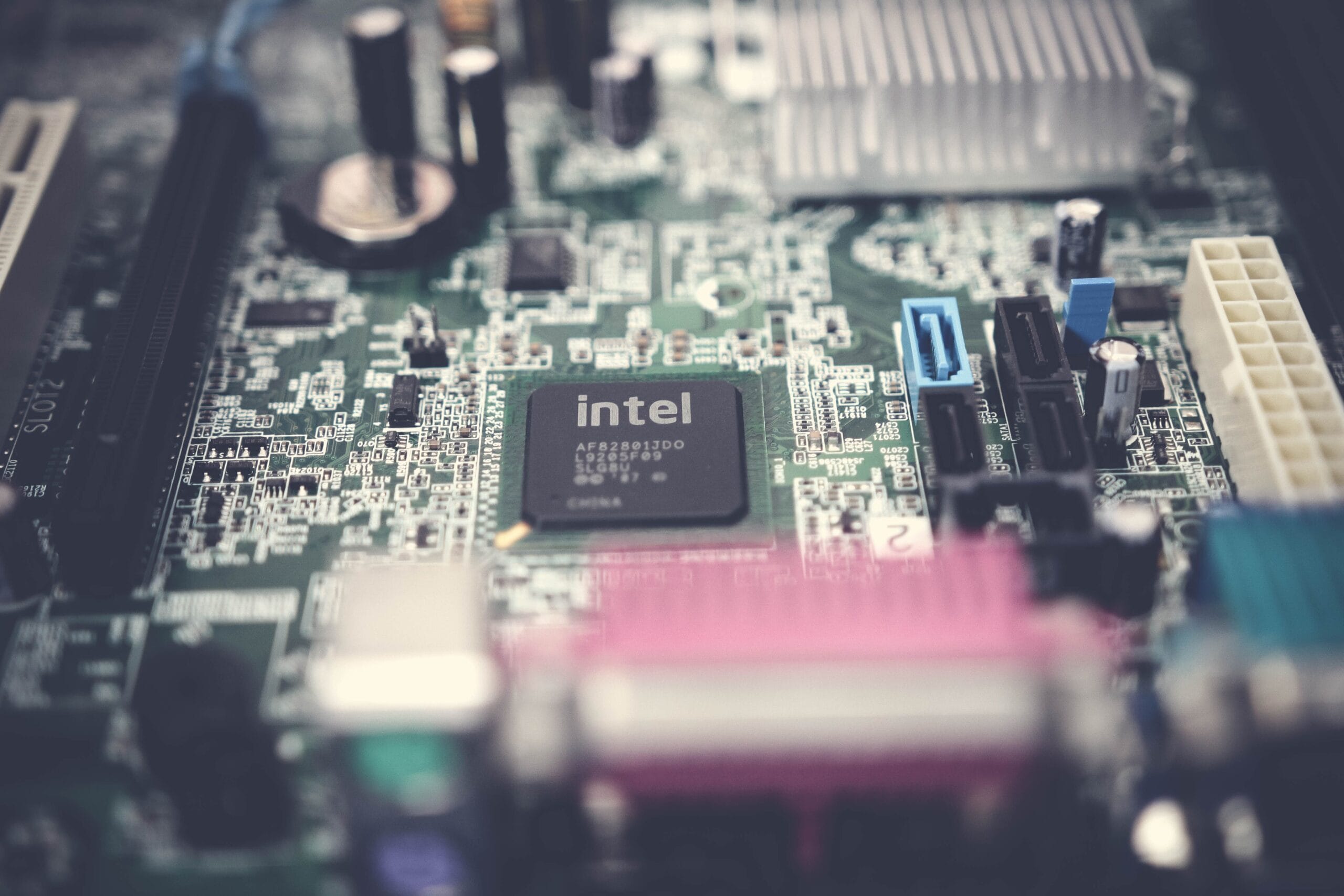
Looking ahead, Wall Street’s consensus target price for Intel is $55, representing a potential upside of roughly 15% from today’s levels. Analysts cite the company’s aggressive expansion into the foundry market and its upcoming “Meteor Lake” processors as key growth drivers.
The Foundry Business Gambit
Intel’s IDM 2.0 strategy aims to offer manufacturing services to third‑party chip designers, directly competing with TSMC and Samsung. Early contracts with companies like Apple and Google could translate into billions of dollars in revenue over the next decade, providing a fresh engine for earnings growth.
AI Chip Race: Are They Too Late?
Artificial intelligence has become the new frontier for semiconductor firms. While rivals such as Nvidia have surged ahead, Intel is betting on its upcoming “Gaudi” and “Habana” AI accelerators. If these chips deliver on performance promises, Intel could capture a slice of the $150 billion AI market.
Building a Portfolio: Where Does Intel Fit for Beginners?

For a side hustler just starting out, diversification is key. Intel can serve as a cornerstone in a tech‑focused allocation, complementing other “best tech stocks for beginners” such as Microsoft, Apple, and AMD. Its lower valuation and steady dividend make it a relatively defensive pick within the sector.
Intel vs. Other Tech Giants
- Microsoft (MSFT) – Higher growth but also higher price; dividend yield ~0.9%.
- Apple (AAPL) – Strong brand, modest dividend; P/E ~28×.
- AMD (AMD) – Aggressive upside potential; more volatile earnings.
- Intel (INTC) – Lower P/E, solid dividend, stable cash flow.
By allocating a modest portion—say 10‑15% of your investment budget—to Intel, you gain exposure to a stable tech player while keeping room for higher‑growth names. This balanced approach aligns with the risk tolerance of many budget‑conscious earners.
Risk Tolerance for Budget‑Conscious Earners
If you can tolerate short‑term price swings, you might increase your Intel position during market dips. However, if you prefer a smoother ride, consider pairing Intel with dividend‑focused ETFs like Vanguard High Dividend Yield ETF (VYM) to further cushion volatility.
Creating Real passive income from stocks on a Budget

Now that we’ve examined Intel’s fundamentals, let’s connect the dots to your side‑hustle lifestyle. The goal isn’t just to buy a stock; it’s to generate a stream of passive income that can fund your next project, whether that’s a home‑brew beer kit or a vegetable garden.
The Power of DRIP (Dividend Reinvestment Plans)
Intel participates in a DRIP program, allowing shareholders to automatically reinvest dividends into additional shares—often without commission fees. Over a 10‑year horizon, a $5,000 investment with a 3.2% dividend yield and a modest 5% annual stock appreciation can grow to over $9,000, largely thanks to compounding.
Scaling Your Side Hustle Earnings
Start by allocating a fixed percentage of each paycheck to your brokerage account. For example, if you earn $1,200 from a freelance design gig, consider directing $200 (about 17%) toward buying Intel shares each month. Over time, that disciplined approach builds a sizable position without feeling a pinch.
The Verdict: To Buy, Hold, or Pass on INTC

So, should side hustlers add Intel to their watchlist? The answer hinges on three core considerations: valuation, dividend reliability, and growth prospects. Intel’s low P/E, respectable dividend yield, and strategic pivot into AI and foundry services collectively paint a picture of a stock with upside potential and downside protection.
Pros and Cons Summary
- Pros: Attractive valuation, consistent dividend, solid cash flow, emerging growth avenues.
- Cons: Competitive pressures in CPUs, execution risk in AI and foundry segments, slower earnings growth compared to high‑flying tech peers.
Final Takeaway for Your Portfolio
If you’re looking for a stable, dividend‑paying tech stock that offers room for modest appreciation, Intel earns a solid place in a diversified portfolio. Pair it with a few higher‑growth picks, reinvest dividends, and you’ll be on track to turn side‑hustle cash into long‑term wealth.
FAQ
Is Intel’s dividend safe for long‑term investors?
Yes. Intel has increased its dividend for 20 straight years and maintains a payout ratio around 55%, supported by strong free cash flow, making the dividend relatively safe.
How does Intel compare to other tech stocks for beginners?
Intel offers a lower price‑to‑earnings ratio and a higher dividend yield than many peers like Microsoft or Apple, providing a more defensive entry point for new investors.
Can I invest in Intel with a small budget?
Absolutely. Many brokerages allow fractional share purchases, so you can start with as little as $10 and gradually build your position over time.
What is Intel’s biggest growth catalyst?
The most significant catalyst is Intel’s IDM 2.0 strategy, especially its expansion into the semiconductor foundry business and AI‑focused chips, which could unlock new revenue streams.
Should I use a DRIP program for Intel?
Using Intel’s DRIP can accelerate compounding by reinvesting dividends automatically, helping you grow your holdings faster without incurring additional transaction fees.
Also Read: Benefits Of Teak Tree (Tectona grandis): History, Benefits, Facts, Uses And Safety
Well, what do you think about the article?
Did you enjoy reading “INTC Stock Analysis: Is Intel Still a Strong Long-Term Buy?”? We really hope that you have enjoyed.
If you have any thoughts or comments about this post, please feel free to share them in the comment section below. We appreciate your feedback and would be glad to hear from you.
To see more content like this check the Business section of Money For My Beer.

Chief Editor and Website Owner.
Hi, I’m Ryan. I write and edit everything on this site, which means I’m the last set of eyes on every post before it goes live. By day I’m a technical architect. I design and build enterprise systems, apps, websites, and the occasional game.
This site started because I wanted one place where money advice for regular people doesn’t read like it was written by a finance robot. My goal is simple: every article should be genuinely useful, actually tested against what real people are searching for, and written in plain English. No jargon, no “get rich quick,” no advice I wouldn’t follow myself.
You’ll see a lot of topics here that lean on my engineering background: software reviews, tools, and tech-adjacent money stuff. Where a topic needs real financial expertise, I say so plainly and point you to qualified sources rather than pretending.