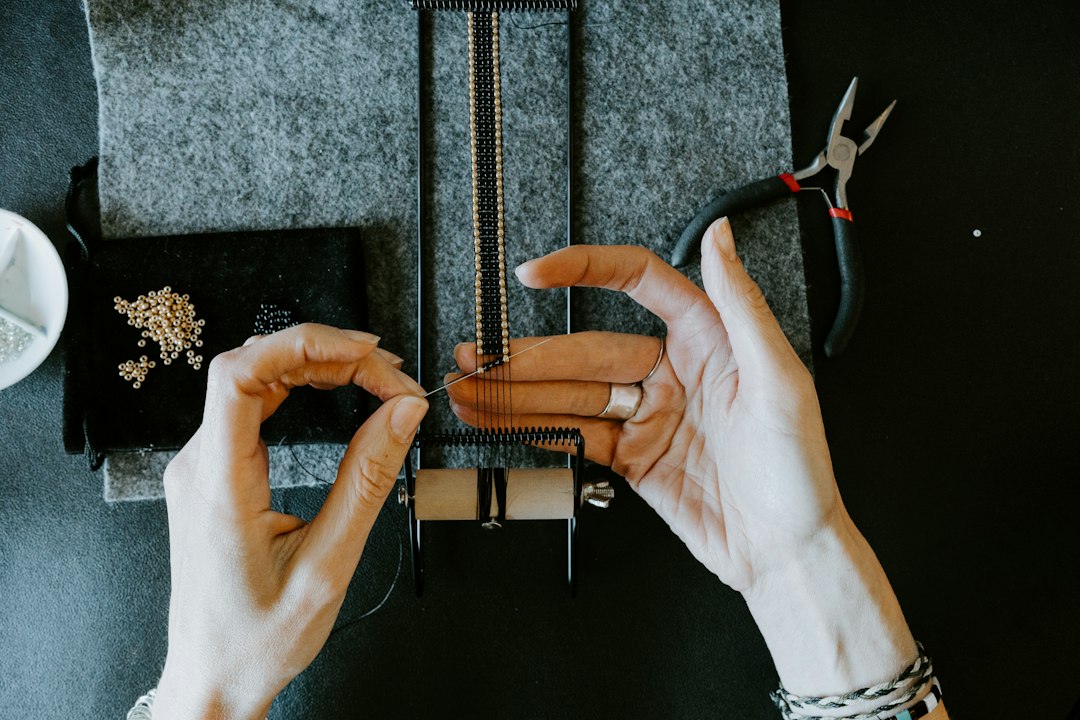
Selling handmade crafts online can turn a creative hobby into an additional source of income, but making products is only part of the process. You also need to find the right customers, choose a suitable selling platform, price your work properly, and make sure your products are presented in a way that encourages people to buy.
You do not necessarily need an expensive website or a large inventory to get started. Online marketplaces, social media, and independent ecommerce stores offer different ways to reach potential customers, depending on what you make and how you want to run your business.
Quick answer: To sell handmade crafts online, start by choosing products with potential customer demand, calculate their production costs, and select a suitable marketplace such as Etsy or Amazon Handmade. Create attractive product listings, set profitable prices, plan shipping, and promote your products through relevant online channels.
This guide covers where to sell handmade crafts online, what to consider before starting, how to price handmade products, and practical ways to attract customers and build a sustainable craft business.
Last reviewed: November 5, 2026
1. Choose Handmade Crafts That People Want to Buy
Before opening an online store, decide what you want to sell. Start with products you know how to make or can realistically learn to produce consistently.
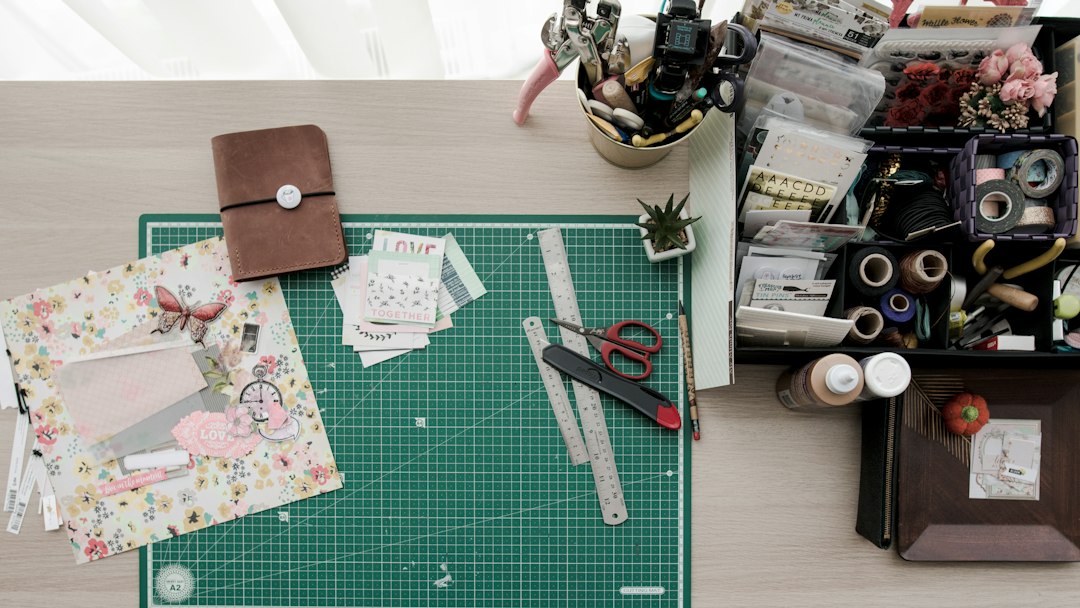
Some handmade product categories worth exploring include:
- Jewelry and accessories: Handmade earrings, bracelets, necklaces, hair accessories, and personalized jewelry.
- Home decorations: Decorative candles, pottery, planters, wall art, ornaments, and handmade decorations.
- Textile products: Knitted scarves, crocheted bags, embroidered clothing, cushions, and reusable fabric items.
- Personalized gifts: Engraved wooden products, customized stationery, gift boxes, photo frames, and personalized keepsakes.
- Paper crafts: Greeting cards, invitations, handmade journals, bookmarks, and scrapbook accessories.
- Wooden crafts: Carved decorations, small furniture, wooden toys, organizers, and customized household products.
- Artwork: Original illustrations, paintings, handcrafted prints, and decorative art.
These are potential product ideas, not guaranteed bestsellers. Demand and profitability depend on the target audience, product quality, production costs, competition, and selling price.
How to Find a Profitable Handmade Craft Niche
Rather than trying to sell everything, consider focusing on a particular type of product or customer.
For example, instead of selling general handmade accessories, you could focus on personalized gifts, minimalist jewelry, crocheted items, or accessories designed for a specific hobby.
A clearly defined niche can make it easier to understand your customers, develop related products, and create more focused marketing materials.
Before investing heavily in supplies, research your potential market.
- Check customer demand: Search marketplaces for similar products and examine customer reviews, questions, and available demand indicators.
- Study competitors: Compare product quality, materials, prices, customization options, and presentation.
- Identify opportunities: Look for products that could be improved through better designs, personalization, materials, or customer service.
- Calculate production time: Determine how long it takes to make each product and whether you can fulfill orders consistently.
- Consider material availability: Make sure you can obtain the materials you need at a reasonable and predictable cost.
- Evaluate shipping: Consider whether your products are easy to package, store, and deliver without excessive expenses.
Marketplace reviews can provide useful clues about what customers appreciate or dislike, but they are not proof of current sales volume or future demand. Look at several indicators rather than relying on review counts alone.
A practical way to test an idea is to create a small collection, publish a few listings, and observe actual customer inquiries and purchases before expanding your inventory.
2. Choose the Best Website to Sell Handmade Crafts Online
Once you have decided what to make, choose where you will sell it. The right platform can make a difference in how customers discover your products, how much you pay in fees, and how much control you have over your online store.
Some websites are established marketplaces with existing shoppers, while others provide tools for building your own ecommerce store.
Here are several options worth considering.
| Platform | Best For | Main Advantage | Main Consideration |
|---|---|---|---|
| Etsy | Unique and personalized handmade products | Marketplace focused on creative goods | Listing, transaction, and payment fees |
| Amazon Handmade | Eligible handcrafted products | Access to Amazon shoppers | Application and eligibility requirements |
| eBay | Crafts, collectibles, and one-of-a-kind products | Broad marketplace audience | Category-dependent selling fees |
| Shopify | Independent branded craft stores | Greater control over your storefront | Subscription costs and customer acquisition |
| Big Cartel | Artists and small creative businesses | Simple storefront with a free entry-level plan | Limited marketplace discovery |
| Social media | Product promotion and customer discovery | Visual content and audience building | Requires ongoing marketing |
Etsy
Etsy is one of the first marketplaces worth considering when you want to sell handmade crafts online.
Unlike general ecommerce marketplaces, Etsy focuses on unique, creative, personalized, and vintage products. Its audience includes shoppers looking for handmade accessories, custom gifts, home decorations, artwork, and other distinctive items.
You can create a shop, upload product listings, add photographs, set prices, and manage orders through the platform.
However, Etsy is not completely free to use. Its standard published seller fees include:
- Listing fee: $0.20 USD per listing.
- Transaction fee: 6.5% of the total order amount, including applicable shipping and gift-wrapping charges.
- Payment processing: An additional percentage and fixed fee that depend on the seller’s bank-account country.
- Other possible charges: A shop setup fee where applicable, advertising fees, currency conversion, and regulatory operating fees in certain countries.
These expenses can significantly affect your earnings, especially when selling lower-priced products.
For the complete breakdown, review Etsy’s official seller fees and taxes guide.
Also check whether Etsy Payments is available in your country. Seller eligibility, payment processing charges, and payout arrangements vary by location. You can consult Etsy’s list of eligible countries before opening a shop.
Etsy is particularly worth considering if you make original products that appeal to shoppers looking for something different from mass-produced retail items. Read its Creativity Standards to understand which products and selling arrangements are permitted.
Amazon Handmade
Amazon Handmade provides another selling option for artisans who want to offer eligible handcrafted products to Amazon shoppers.
Its product categories include accessories, artwork, home decorations, jewelry, clothing, stationery, kitchen products, and other creative goods.
Unlike simply opening a standard marketplace listing, sellers must complete Amazon Handmade’s application and meet its eligibility requirements.
For the Amazon.com US marketplace, Amazon’s published Handmade terms specify a referral fee of 15% or $0.30 per unit shipped, whichever is greater. The monthly Professional selling plan fee is waived for approved Handmade sellers who maintain the relevant eligibility requirements.
Additional expenses may apply depending on fulfillment arrangements and other services used. Fees and eligibility can also differ between Amazon marketplaces.
Read Amazon’s official Handmade selling guide and check the applicable marketplace terms before registering.
Amazon Handmade may be suitable for makers who can produce consistently, meet the program’s requirements, and handle customer orders reliably.
eBay
eBay is a general online marketplace where sellers can list products across numerous categories.
Although it is not exclusively designed for handmade goods, it can be useful for distinctive crafts, personalized products, collectibles, and one-of-a-kind creations.
Its broader product categories may help you reach customers who are not specifically searching on artisan-focused marketplaces.
However, selling fees depend on factors such as product category, seller location, account type, listing format, and optional services. Review the official eBay seller fees guide before calculating your expected earnings.
Shopify
Shopify is an ecommerce platform that allows you to build and manage your own branded online craft store.
Instead of listing products alongside other marketplace sellers, you can customize your storefront, organize product collections, manage inventory, and establish a consistent brand identity.
This gives you more control over your store’s appearance and customer experience. However, there is an important trade-off: you are responsible for bringing shoppers to your website.
You may need to invest time in search engine optimization, social media marketing, email marketing, partnerships, or paid advertising to attract visitors.
Shopify also charges subscription and payment-related fees. Pricing and payment options depend on your selected plan and country. Consult the official Shopify pricing page before signing up.
Shopify is worth considering if you already have customers, want to build a recognizable brand, or plan to grow beyond marketplace selling.
Big Cartel
Big Cartel is another option for artists, makers, and independent creative businesses.
It provides tools to create a simple online storefront without requiring the same level of setup as a more extensive ecommerce operation.
Its Gold plan currently allows sellers to list up to five products at no monthly charge. Big Cartel also does not charge its own transaction fee on orders, although the connected payment processor still charges payment processing fees.
This can make it worth exploring when you have a small product collection and want to establish an independent store without immediately committing to a larger subscription.
However, Big Cartel is not a dedicated handmade marketplace. You will still need to attract visitors through social media, search, referrals, or other marketing channels.
Check its official payment processing information and current plan features before creating your store.
Instagram, Facebook, and Pinterest
Social media can help handmade sellers showcase their products, demonstrate their creative process, and connect with potential customers.

Consider using these platforms for different purposes:
- Instagram: Share product photographs, short videos, new designs, and behind-the-scenes content.
- Facebook: Build a business page, communicate with potential buyers, and participate in relevant communities where promotion is permitted.
- Pinterest: Publish visually appealing product images that can help people discover craft ideas, home decorations, and personalized gifts.
Rather than depending entirely on social media for transactions, use these channels to direct interested shoppers to your marketplace or independent store. Shopping and checkout features vary by platform and country.
Which Platform Should Beginners Choose?
You do not need to register for every platform immediately. Managing several stores at once can become difficult, particularly when you are still learning how to produce and fulfill orders.
For many beginners, starting with one suitable marketplace and one social discovery channel is a more manageable approach.
- Choose Etsy if your products meet its rules and you want to reach shoppers interested in unique items.
- Consider Amazon Handmade if you qualify for its program and can handle consistent fulfillment.
- Choose Shopify if building your own brand and attracting your own audience are priorities.
- Consider Big Cartel if you want a relatively simple independent storefront.
- Use eBay if your products appeal to its broader marketplace audience.
The best selling platform is not necessarily the one with the biggest audience. It is the one that helps you reach suitable customers while leaving enough room to operate profitably.
3. Calculate Your Costs and Price Handmade Crafts for Profit
Pricing handmade products can be challenging, particularly when competing against mass-produced alternatives.
One common mistake is calculating prices using only the materials. Handmade products require time, effort, packaging, equipment, and other expenses that should be considered before deciding what to charge.
What Should You Include in Your Pricing?
Start by identifying the expenses involved in producing and selling each item.
- Materials: Fabric, yarn, beads, wood, paint, packaging components, and other supplies.
- Labor: Time spent designing, producing, finishing, and preparing each product for sale.
- Overhead: A reasonable share of utilities, workspace, tools, equipment maintenance, and recurring business expenses.
- Packaging: Boxes, protective materials, labels, wrapping, and inserts.
- Selling fees: Marketplace listing fees, transaction charges, and payment processing expenses.
- Shipping: Postage, shipping materials, and any portion of delivery costs you choose to absorb.
- Other operating costs: Returns, refunds, advertising, taxes, and administrative expenses where applicable.
Do not overlook labor. If a product takes several hours to make, the final price should reflect the time involved rather than simply covering the cost of the supplies.
A Practical Formula for Pricing Handmade Products
For a basic starting point, calculate the cost of producing one item:
Production cost = Materials + Labor + Packaging + Allocated overhead
To estimate a selling price that accounts for percentage-based selling fees and a desired profit margin, use:
Selling price = (Production cost + Fixed per-order costs + Shipping you absorb) ÷ (1 – Percentage fee rate – Desired profit margin)
Here is an illustrative example using USD:
| Expense | Amount |
|---|---|
| Materials | $8.00 |
| Labor | $12.00 |
| Packaging | $2.00 |
| Allocated overhead | $3.00 |
| Production cost | $25.00 |
Suppose you want a 30% profit margin after a hypothetical 8% percentage-based marketplace and payment fee.
$25 ÷ (1 – 0.08 – 0.30) = $40.32
At a selling price of approximately $40.32:
- Production cost: $25.00
- Hypothetical percentage-based selling fees: $3.23
- Amount remaining: $12.09
The remaining $12.09 represents approximately 30% of the selling price.
This simplified example assumes the percentage fee is calculated on the item price and excludes fixed per-order charges, seller-paid shipping, and taxes. Include those costs in the formula where applicable. If the platform calculates fees using the total order, including shipping, adjust the calculation to reflect the actual fee base.
For example, a marketplace may charge transaction fees on both the product price and shipping paid by the customer. This is why you should always review its fee schedule before setting your prices.
How to Price Handmade Crafts Competitively
Your production costs establish what you need to recover, but they do not automatically determine what customers are willing to pay.
Research comparable products and consider:
- Material quality and craftsmanship.
- Product size, design, and customization options.
- Prices charged by comparable sellers.
- Customer expectations and feedback.
- Shipping costs and delivery times.
- Whether your product offers something distinctive.
Avoid competing solely by offering the lowest price. Handmade products can provide personalization, original designs, careful craftsmanship, and a more individual buying experience.
Your listing should communicate why the product is worth its price.
For a broader explanation of business costs, pricing decisions, and profitability, see our small business guide.
4. Create Product Listings That Attract Customers
After choosing a marketplace and calculating your prices, create product listings that help potential customers understand exactly what you offer.
A good listing should answer the questions a buyer would normally ask before purchasing.
Write Clear, Search-Friendly Product Titles
Think about the words customers would actually use when searching for your product.
For example, instead of using a vague title such as:
Beautiful Handmade Creation
Use a more descriptive title:
Handmade Blue Ceramic Coffee Mug, 12 oz Stoneware
The improved title identifies the product and communicates useful details immediately.
For Etsy, its April 2026 listing-title guidance recommends clear, buyer-friendly titles rather than long strings of repeated keywords. Its search system also considers information such as listing tags, attributes, descriptions, photographs, and reviews.
Use relevant product information naturally throughout your listing instead of forcing every possible keyword into the title.
For more information, read Etsy’s updated listing-title guidance and its official listing SEO recommendations.
Write Helpful Product Descriptions
Your product description should explain the item clearly rather than simply repeat keywords.
Start by identifying what the product is and what makes it distinctive. Then provide the practical details buyers need to make an informed decision.
Depending on the product, include:
- Materials and construction methods.
- Dimensions, weight, and available sizes.
- Colors and product variations.
- Personalization and customization options.
- What is included in the purchase.
- Care and maintenance instructions.
- Production time for made-to-order items.
- Shipping arrangements and estimated dispatch times.
Be specific and accurate. If an item is made to order, explain how long it normally takes to prepare. If colors may appear slightly different depending on the screen, set that expectation.
Useful descriptions help customers make purchasing decisions and can reduce unnecessary questions and misunderstandings.
Take High-Quality Product Photographs
Product photographs are especially important when customers cannot physically inspect handmade items before purchasing.
You do not necessarily need professional photography equipment. A smartphone, suitable lighting, and a clean background can be enough to create useful product images.
Try to capture:
- Main product image: A clear photograph showing the complete item.
- Close-up images: Show textures, stitching, materials, patterns, and craftsmanship.
- Different angles: Help buyers understand the product’s shape and construction.
- Size reference: Show the item beside something familiar or include clear measurements.
- In-use photographs: Demonstrate how the product looks when worn, displayed, or used.
- Product variations: Show different colors, sizes, and customization options.
Use suitable lighting, avoid distracting backgrounds, and make sure the photographs accurately represent the item customers will receive.
For your own website, add descriptive image alt text that explains what each photograph shows. This improves accessibility and provides search engines with additional context about your images.
5. Set Up Your Online Store and Selling Policies
A professional-looking store should make it easy for shoppers to understand what you sell, how to place an order, and what to expect after purchasing.
Before promoting your products, review the following areas:
- Store name and branding: Choose a recognizable name and consistent visual style.
- Product categories: Organize related items so customers can browse easily.
- Product variations: Clearly explain available sizes, colors, materials, and customization choices.
- Payment options: Offer the payment methods supported by your platform and relevant to your customers.
- Processing times: Explain how long it normally takes to prepare and dispatch orders.
- Returns and refunds: Publish policies that comply with marketplace rules and applicable consumer protection laws.
- Contact information: Provide a reliable way for customers to ask questions about products and orders.
If you accept custom orders, explain what customers need to provide, how customization is approved, and what happens if they request changes after production begins.
Clear policies help set expectations and can prevent disputes later.
6. Plan Shipping and Order Fulfillment
A successful online craft business needs a reliable way to deliver products to customers.
Shipping mistakes can reduce profits, delay orders, and create avoidable customer service problems. Plan your fulfillment process before accepting a large number of orders.
Calculate Shipping Costs Before Listing Products
Measure and weigh the packaged product rather than estimating its shipping requirements using the item alone.
Check the available shipping services for your intended destinations and account for:
- Package weight and dimensions.
- Shipping distance and destination.
- Packaging and protective materials.
- Tracking and insurance where appropriate.
- International shipping and customs requirements.
Some carriers calculate shipping charges using dimensional weight, meaning the size of the package can matter as much as its actual weight.
Make sure the shipping amount customers pay covers the expected fulfillment expense. Otherwise, frequent orders could reduce your profit instead of increasing it.
Use Suitable Packaging
Packaging should protect the product while keeping shipping costs reasonable.

For example:
- Use protective wrapping for fragile ceramics and glass products.
- Prevent jewelry from becoming tangled or damaged during transit.
- Keep textiles clean, dry, and properly folded.
- Protect paper products from moisture and bending.
- Use appropriately sized boxes or mailers to avoid unnecessary shipping volume.
You can also include a small thank-you card or product care instructions to create a better customer experience. Keep these additions within your packaging budget.
Set Realistic Processing and Delivery Times
Do not promise delivery dates you cannot consistently meet.
If an item is made to order, distinguish the time required to create it from the shipping time. Explain this clearly in your listing and update customers when unexpected delays occur.
Establish a consistent process for checking orders, preparing products, packaging purchases, and confirming shipment.
7. Follow Marketplace Rules and Protect Your Business
Before accepting orders, make sure your products and business practices comply with your chosen selling platform’s rules and the laws that apply where you operate.
Understand Handmade Product Requirements
Different marketplaces have different definitions and requirements for handmade products.
For example, Etsy has rules covering items that are made or designed by sellers, as well as requirements for disclosing production partners in applicable situations.
Amazon Handmade also has its own eligibility and application process. Do not assume that a product qualifies simply because you describe it as handmade.
Review the relevant Etsy Creativity Standards or Amazon Handmade requirements before listing products.
Be Careful With Copyright and Trademarks
Do not assume you can commercially use popular characters, brand logos, sports team designs, movie artwork, or another person’s illustrations simply because you found them online.
Using protected intellectual property without appropriate permission can result in listing removals, account restrictions, or legal disputes.
Whenever possible, develop original designs, use properly licensed materials, and keep records of permissions when a design or component belongs to somebody else.
Copyright and trademark rules differ between countries. The World Intellectual Property Organization’s guide to copyright for small and medium-sized businesses provides a useful introduction to protecting creative work.
Check Business Registration and Tax Requirements
Requirements for selling handmade products depend on your country, business structure, products, and sales activities.
Some sellers may start with small-scale sales, while others operate a more formal home-based business. Do not assume there is a universal sales threshold below which registration or tax obligations do not apply.
Check your local government and tax authority for applicable requirements, including business registration, income reporting, sales taxes or VAT, consumer protection, and product-specific rules.
For sellers based in the United States, the US Small Business Administration’s business launch guide explains business structures, registration, licenses, and permits.
Additional requirements may apply to products such as cosmetics, children’s goods, and food. Check relevant product safety and labeling rules before offering these items for sale.
8. Promote Your Handmade Products and Find Customers
Publishing a product listing does not guarantee that people will discover it. You still need to attract potential customers and give them reasons to visit your shop.
Start with marketing activities that fit your products and available budget.
Use Social Media to Showcase Your Work
Handmade products are naturally suited to visual content because customers often want to see the materials, details, and process behind an item.
Consider sharing:
- Photographs of finished products.
- Short videos showing how items are made.
- Behind-the-scenes content from your workspace.
- Product customization examples.
- New designs and seasonal collections.
- Customer photographs and feedback, with permission.
Instead of constantly asking people to buy, show them something interesting about your products. Demonstrating how an item is created can help customers appreciate the time, skill, and care involved in handmade production.
Use Pinterest and Organic Search
Pinterest can be useful for visually searchable products, particularly home decorations, crafts, accessories, gifts, and creative inspiration.
Publish clear photographs with descriptive titles and links to the corresponding product listings or store pages.
If you have an independent website, search engine optimization can also help attract people looking for specific products.
Use descriptive product names, useful category pages, original descriptions, descriptive image alt text, and links between genuinely related pages. Avoid creating repetitive pages just to target slightly different keyword variations.
Build Relationships With Repeat Customers
A customer who has already purchased from you may be interested in another product, a new collection, or a personalized item.
Encourage repeat purchases by:
- Providing accurate product information and reliable service.
- Packaging items carefully.
- Responding to customer questions promptly.
- Keeping customers informed about order status.
- Offering relevant product updates to customers who have agreed to receive marketing emails.
- Making the buying experience straightforward and consistent.
Customer satisfaction is more valuable than a short-term marketing tactic that creates unrealistic expectations.
Consider Local Markets and Other Sales Channels
Selling online does not mean you have to ignore local customers.
Craft fairs, weekend markets, pop-up events, and partnerships with local gift shops can provide additional opportunities to introduce your products to potential buyers.
They can also help you collect feedback, test product prices, and understand which designs customers respond to.
Once you understand which products actually sell, you can consider expanding into additional online marketplaces or building an independent store.
Avoid expanding simply to increase the number of platforms you manage. Make sure each additional channel reaches suitable customers and that you can handle the extra orders.
9. Start Small and Track Your Craft Business Performance
You do not need to build a large online store before making your first sale. A small, carefully managed launch can help you learn what customers want without committing too much money upfront.
Use this checklist to organize your launch:
- Choose your products: Select a manageable collection based on your skills, materials, and customer research.
- Test production: Make samples and record the time and supplies required.
- Calculate prices: Include labor, overhead, packaging, selling fees, and shipping expenses.
- Select a platform: Compare marketplace fees, eligibility, payment availability, and customer reach.
- Prepare your listings: Create clear titles, helpful descriptions, and accurate photographs.
- Set shop policies: Explain processing times, shipping, returns, and customization arrangements.
- Promote your products: Choose one or two suitable channels to reach potential buyers.
- Review performance: Monitor orders, expenses, customer questions, and profitability.
Measure More Than Just Sales
A product generating many orders is not necessarily your most profitable product.
Track useful business measurements such as:
- Revenue: How much customers pay for your products.
- Gross profit: What remains after the relevant cost of producing and selling the goods, based on your accounting method.
- Net profit: What remains after accounting for all applicable business expenses.
- Conversion rate: How many visitors complete a purchase.
- Average order value: How much customers spend per order on average.
- Repeat purchases: Whether customers return to buy additional products.
For example, a listing receiving many visits but few purchases might need clearer photographs, a more competitive price, or better product information.
A product generating regular sales but little profit may require a pricing adjustment, a different production process, or lower operating expenses.
Use actual customer behavior and financial results to guide your decisions rather than focusing only on social media followers, likes, or the number of listings published.
If you are exploring handmade selling as a way to earn additional income, our guide to making money in your spare time covers other flexible income opportunities.
Frequently Asked Questions About Selling Handmade Crafts Online
What Is the Best Website to Sell Handmade Crafts Online?
Etsy is a strong option to consider because it is focused on unique, creative, and personalized products. Amazon Handmade is another option for eligible artisans. Shopify and Big Cartel are worth considering if you want to build your own branded storefront.
The best choice depends on your product category, location, budget, selling costs, and business goals.
What Handmade Crafts Are Most Profitable to Sell?
There is no universally most profitable handmade product. Profitability depends on customer demand, material costs, production time, competition, selling fees, and the price customers are willing to pay.
Jewelry, personalized gifts, home decorations, accessories, and textile products are examples of categories worth researching. However, you should evaluate each product individually rather than assuming an entire category is profitable.
Can I Sell Handmade Crafts Online Without a Website?
Yes. You can sell through established marketplaces such as Etsy, Amazon Handmade, and eBay without creating a separate website.
You can also use social media to showcase your products and direct customers to a marketplace listing. An independent website becomes more useful when you want greater control over your branding and customer experience.
How Much Does It Cost to Sell Handmade Crafts Online?
The initial cost depends on your products, equipment, available materials, and chosen platform.
You may need to budget for supplies, packaging, product photography, listing fees, payment processing, shipping, and marketing.
Some platforms offer free entry-level options, while others charge monthly subscriptions or per-sale fees. Compare the complete cost structure rather than looking only at the initial signup price.
How Do I Price Handmade Crafts?
Start by adding your material costs, labor, packaging, and allocated overhead. Then account for marketplace fees, payment processing, shipping expenses, and your desired profit margin.
Compare your proposed selling price with similar products, but do not ignore the value of your time. A product that sells frequently is not necessarily profitable if its price does not cover the cost of producing it.
Can I Start Selling Handmade Items With Little Money?
Yes. Starting with a small collection of products can help limit upfront expenses.
You can begin with materials and equipment you already own, create a few samples, and use an established marketplace rather than immediately paying for a complete independent website.
Remember that marketplaces can still charge listing, transaction, and payment fees, and you may need money for packaging and shipping.
Do I Need a Business License to Sell Handmade Crafts Online?
It depends on your country, location, business structure, product category, and selling activities.
Some jurisdictions have registration, tax, licensing, or product safety requirements that apply even to small home-based businesses. Check with your local business registration office and tax authority rather than relying on a universal sales threshold.
How Can I Promote Handmade Products Without Spending Money on Advertising?
Start with organic marketing. Share product photographs and creation videos, participate in relevant communities where promotion is allowed, optimize your marketplace listings, and encourage satisfied customers to share their experiences.
Pinterest and Instagram can be useful discovery channels for visually appealing products. You can also build an email list with customers’ permission to share new products and store updates.
Can I Sell Handmade Crafts Internationally?
Yes, some marketplaces support international selling, but availability and payment options depend on the seller’s country and the platform’s rules.
Before accepting international orders, consider shipping costs, customs documentation, import restrictions, delivery times, returns, and applicable taxes.
Start with destinations you can serve reliably and check the carrier and marketplace requirements before accepting an order.
Is Selling Handmade Crafts Online a Good Side Hustle?
It can be a worthwhile side hustle for people who enjoy making products and can find customers willing to pay a sustainable price.
However, it is not automatically passive income. You need to account for production time, customer service, marketing, packaging, shipping, and administrative work.
Starting small, validating demand, and tracking actual profit can help you decide whether selling handmade products is a suitable way to earn additional income.
Sources and Further Reading
Platform fees, eligibility requirements, and selling policies can change. These official resources can help you verify important information before starting or expanding a handmade craft business.
- Etsy: Fees and Taxes for Selling on Etsy
- Etsy: Payment Processing Fees by Country
- Etsy: Countries Eligible for Etsy Payments
- Etsy: Creativity Standards
- Etsy: New Guidance for Listing Titles (April 2026)
- Amazon Handmade: Selling Requirements and Fees
- Shopify: Official Pricing
- eBay: Selling Fees
- Big Cartel: Payment Processing Fees
- US Small Business Administration: Launch Your Business
- World Intellectual Property Organization: Copyright and Small Businesses
Editorial note: Platform information was reviewed on November 5, 2026. Fees, payment availability, and seller requirements may vary by country and change over time. Always verify current terms directly with the relevant platform before making business decisions. Pricing calculations in this article are illustrative examples, not guaranteed earnings.
Also Read: How to Make Money Selling Craft Beer Merch Online
Well, what do you think about the article?
Did you enjoy reading “How to Sell Handmade Crafts Online: A Beginner’s Guide”? We really hope that you have enjoyed.
If you have any thoughts or comments about this post, please feel free to share them in the comment section below. We appreciate your feedback and would be glad to hear from you.
To see more content like this check the Business section of Money For My Beer.

Chief Editor and Website Owner.
Hi, I’m Ryan. I write and edit everything on this site, which means I’m the last set of eyes on every post before it goes live. By day I’m a technical architect. I design and build enterprise systems, apps, websites, and the occasional game.
This site started because I wanted one place where money advice for regular people doesn’t read like it was written by a finance robot. My goal is simple: every article should be genuinely useful, actually tested against what real people are searching for, and written in plain English. No jargon, no “get rich quick,” no advice I wouldn’t follow myself.
You’ll see a lot of topics here that lean on my engineering background: software reviews, tools, and tech-adjacent money stuff. Where a topic needs real financial expertise, I say so plainly and point you to qualified sources rather than pretending.