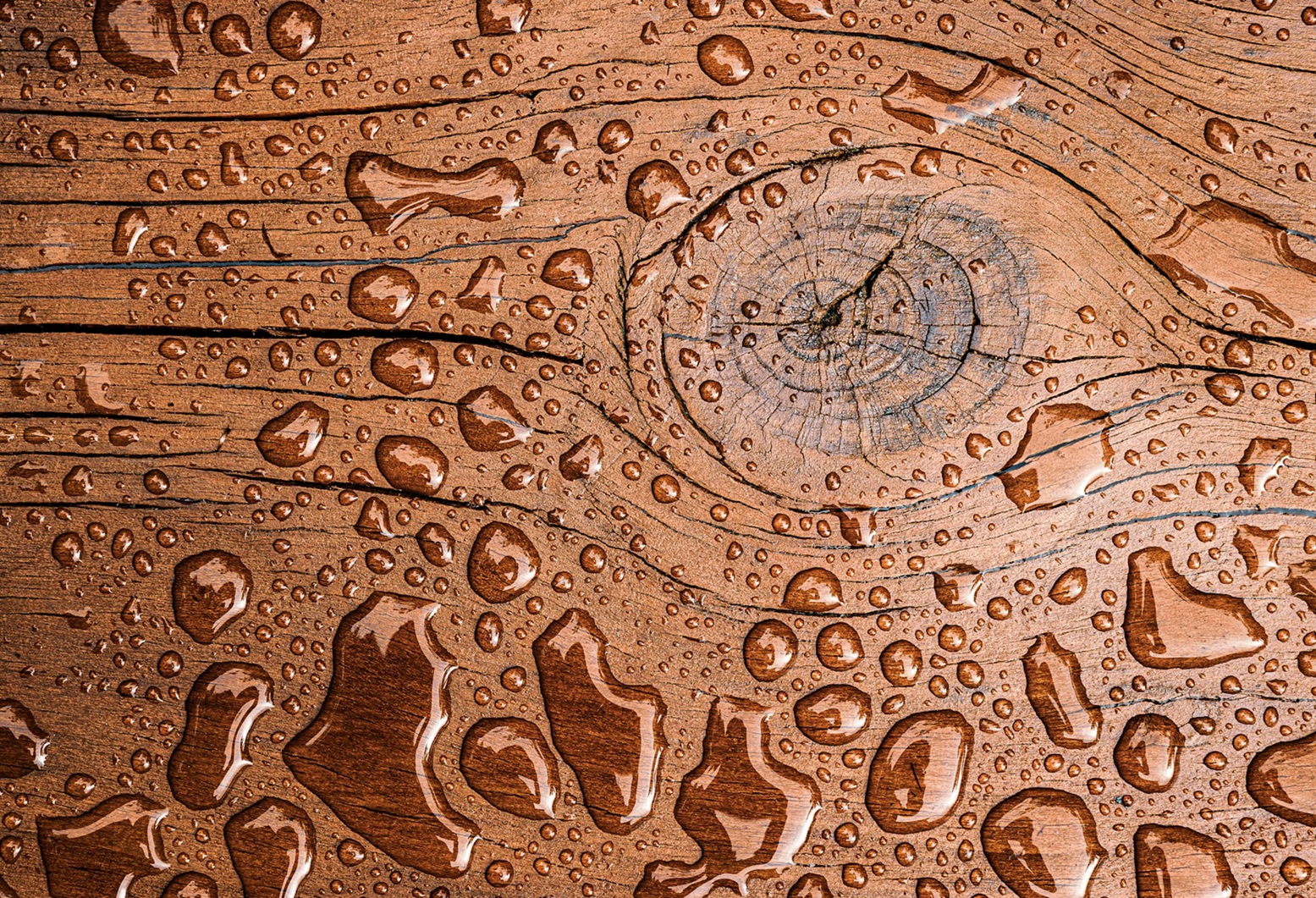
Choosing the right wood for a construction or home improvement project is particularly important in the Philippines. Frequent rainfall, high humidity, heat, and exposure to moisture can affect wooden materials, especially when they are used outdoors or in areas that regularly get wet.
Whether you are building outdoor furniture, installing a wooden fence, constructing a deck, making cabinets, or creating a garden structure, choosing suitable wood can help reduce swelling, warping, fungal decay, and premature deterioration.
But what is the best water-resistant wood in the Philippines? Some wood species have natural resistance to decay, while others rely on preservative treatments, protective finishes, or moisture-resistant adhesive bonding. The right choice depends on how and where the material will be used.
It is also important to understand that water-resistant does not mean completely waterproof. Even naturally durable wood can deteriorate under unsuitable conditions, particularly when water becomes trapped or the material remains exposed to wet soil.
Last reviewed: October 30, 2026
Quick Answer: What Is the Best Water-Resistant Wood in the Philippines?
There is no single best option for every project. However, these materials are worth considering:
- Teak (Tectona grandis): A naturally durable tropical hardwood commonly used for outdoor furniture, decking, and other exposed applications. Its heartwood is particularly valued for its resistance to decay and weathering.
- Pressure-treated lumber: Wood treated with preservatives to help protect against fungal decay and insect damage. It can be suitable for outdoor construction when the treatment matches the intended exposure.
- Marine-grade plywood: A manufactured panel product designed with moisture-resistant adhesive bonding. It can be suitable for selected moisture-exposed applications when the product meets the appropriate specifications.
- Other naturally durable hardwoods: Certain hardwood species can perform well in demanding environments, but their suitability depends on their actual decay resistance, heartwood quality, and intended use.
- Thermally modified wood: Wood processed using controlled heat to improve certain properties, including dimensional stability and resistance to biological deterioration. Product availability and performance specifications should be verified with the supplier.
For most projects, the best choice is not necessarily the hardest or most expensive wood. It is the material that matches the expected moisture exposure, construction requirements, and maintenance conditions.
What Does Water-Resistant Wood Actually Mean?
Water-resistant wood is wood that can tolerate moisture exposure better than ordinary untreated materials. Depending on the species or treatment, it may absorb moisture more slowly, experience less deterioration, or resist decay-causing organisms more effectively.
However, several different properties are often confused when people shop for lumber and plywood.
Water Resistance
Water resistance refers to a material’s ability to withstand moisture exposure without experiencing excessive absorption, swelling, damage, or deterioration.
Natural wood is hygroscopic, which means it absorbs and releases moisture depending on its surrounding environment. Changes in moisture content can cause wood to expand, contract, warp, or develop cracks.
Natural Decay Resistance
Decay resistance refers to the ability of wood to resist damage caused by fungi and other wood-deteriorating organisms.
Some species contain natural extractives that help protect their heartwood against biological deterioration. This is one reason certain tropical hardwoods can perform better outdoors than less durable species.
However, even naturally durable wood can eventually deteriorate when exposed to unsuitable conditions, especially when moisture remains trapped for extended periods.
Termite Resistance
Termite resistance is a separate property. Some wood species naturally resist termite attacks, while others can be protected through suitable preservative treatments.
A wood species that resists termites is not automatically waterproof or resistant to fungal decay. These properties should be evaluated separately.
For a more detailed comparison of locally discussed timber species, including Narra, Yakal, Molave, and Ipil, see our guide to termite-resistant wood in the Philippines. That article focuses on insect resistance rather than ranking these species for prolonged moisture exposure.
Best Types of Water-Resistant Wood and Materials
Different wood species and manufactured wood products offer different levels of protection against moisture and decay. The following options are worth comparing when planning a project in the Philippines.
1. Teak
Teak (Tectona grandis) is one of the better-known tropical hardwoods for outdoor applications. It is valued for its natural durability, dimensional stability, and resistance to weathering.
One of its most important characteristics is the durability of its heartwood, which contains natural extractives that contribute to its resistance against decay and biological attack.
Teak is commonly used for:
- Outdoor furniture
- Wooden decking
- Garden benches and tables
- Doors and exterior joinery
- Boat construction and marine decking
- Other exposed architectural applications
Another advantage is its dimensional stability. Although teak still responds to moisture changes, good-quality heartwood generally performs well compared with many less durable timber species.
Its main disadvantage is cost. High-quality teak is often more expensive than commonly available lumber, making it a premium option for furniture and construction projects.
It is also important to distinguish commercial teak from Philippine teak. Commercial teak generally refers to Tectona grandis, while Philippine teak (Tectona philippinensis) is a different native species with conservation concerns.
For a more detailed discussion of teak’s properties, outdoor applications, heartwood, and growing requirements, read our guide to the teak tree, its benefits, uses, and wood properties.
Best for: Premium outdoor furniture, decking, and exposed wooden features where natural durability and appearance are priorities.
2. Other Naturally Durable Hardwoods
Some tropical hardwoods have natural characteristics that make them suitable for demanding construction and furniture applications.
However, being a hardwood does not automatically make a species water-resistant. Wood density alone is not enough to establish how well a particular timber will resist moisture, fungal decay, or outdoor weathering.
Actual performance depends on several factors:
- Wood species: Different species have different natural durability characteristics.
- Heartwood and sapwood: The heartwood of naturally durable species is often more resistant to decay than their sapwood.
- Wood quality: Defects, cracks, and other imperfections can affect performance.
- Moisture content: Properly dried timber generally offers better dimensional stability during use.
- Exposure conditions: Wood used under a roof has different requirements from wood exposed to direct rain or soil contact.
When purchasing locally available hardwood, ask for the exact species and its botanical name rather than relying on a generic description such as premium hardwood or waterproof hardwood.
Also consider legal and responsible sourcing. Some Philippine timber species have conservation restrictions, and buyers should request appropriate sourcing documentation.
Best for: Furniture, exterior features, and selected construction applications when the species’ natural durability and suitability have been established.
3. Pressure-Treated Lumber
Pressure-treated lumber is wood that has undergone a preservative treatment to help protect it against organisms that cause deterioration, including fungi and certain wood-destroying insects.
During pressure treatment, preservatives are introduced into the wood under controlled conditions to achieve the required penetration and retention.
The treatment can extend the service life of lumber in environments where untreated wood would otherwise deteriorate more quickly.
Pressure-treated lumber may be considered for:
- Outdoor structural framing
- Fence posts and rails
- Deck substructures
- Garden structures
- Other construction components exposed to moisture
However, pressure-treated lumber is not automatically waterproof. The preservatives help protect against biological deterioration, but they do not necessarily prevent water from entering the wood.
The intended exposure is also important. Wood treated for protected above-ground applications may not be appropriate for direct soil contact or more demanding outdoor environments.
Before buying, ask the supplier about:
- The preservative used
- Whether the wood was pressure-treated or treated using another method
- Preservative penetration and retention specifications
- Whether it is intended for outdoor above-ground use or ground contact
- Any application-specific safety and maintenance requirements
Follow the manufacturer’s instructions when cutting, installing, finishing, or disposing of treated lumber. Do not assume that every treated wood product is suitable for every residential or gardening application.
Best for: Outdoor structural components and construction projects where a suitable preservative-treated product is available.
4. Marine-Grade Plywood
Marine-grade plywood is a manufactured wood panel designed for applications where moisture-resistant adhesive bonding and suitable veneer quality are important.
Unlike ordinary interior plywood, marine-grade products are intended for more demanding moisture conditions. Their construction and adhesive specifications help reduce the risk of the panel layers separating when exposed to moisture.
Potential applications include:
- Boat and marine construction
- Moisture-exposed cabinets
- Selected exterior architectural panels
- Covered outdoor structures
- Other construction applications requiring suitable plywood bonding
However, marine-grade plywood should not automatically be considered completely waterproof or immune to fungal decay.
The adhesive bonding, veneer quality, surface protection, and natural durability of the wood are separate considerations. Even a properly manufactured panel can deteriorate if its exposed edges are left unprotected or if water remains trapped in the material.
What Should You Check When Buying Plywood in the Philippines?
The Department of Trade and Industry’s Bureau of Philippine Standards (DTI-BPS) lists plywood under Philippine National Standard PNS ISO 12465:2017 and the mandatory product certification requirements established through Department Administrative Order No. 20-06, Series of 2020.
Product markings include information such as the plywood type, bonding class, thickness, and applicable certification details. The PS Mark and license number are important details to check for products covered by the certification requirements.
When purchasing plywood, do not rely only on the words marine, waterproof, or exterior printed in an online listing. Check the actual product specification, intended exposure, certification, and manufacturer’s recommendations.
Properly seal exposed edges, cutouts, and joints using a compatible protective system. Avoid using plywood in applications involving continuous water exposure unless the specific product is designed and documented for that purpose.
Best for: Panel applications requiring suitable moisture-resistant bonding, including selected marine, exterior, and construction projects.
5. Thermally Modified Wood
Thermal modification is a wood-processing method that uses controlled heat to change certain properties of the material.
The process can improve dimensional stability and make wood less prone to swelling and shrinking. Depending on the species and treatment conditions, it can also improve resistance to certain biological forms of deterioration.
The Department of Science and Technology’s Forest Products Research and Development Institute (DOST-FPRDI) has studied thermal modification as an alternative approach to protecting wood and bamboo against insect pests and fungi.
However, thermal modification is not the same as simply heating or drying ordinary lumber. The process requires controlled temperature and treatment conditions.
When considering thermally modified wood, ask for product documentation, the treatment process, and verified performance information for its intended application.
Best for: Selected outdoor and architectural applications where the product has documented performance suitable for the expected exposure.
Water-Resistant Wood Compared: Which Should You Choose?
The following table summarizes the main differences between these materials.
| Material | Type of Protection | Suitable Applications | Important Considerations |
|---|---|---|---|
| Teak | Natural durability in heartwood | Outdoor furniture and decking | Premium pricing and responsible sourcing |
| Other durable hardwoods | Varies by species | Furniture and selected exterior applications | Verify species and natural decay resistance |
| Pressure-treated lumber | Applied preservatives | Outdoor framing, posts, and structures | Treatment must match the exposure conditions |
| Marine-grade plywood | Moisture-resistant adhesive bonding | Panels and selected marine or exterior applications | Requires appropriate certification, installation, and edge protection |
| Thermally modified wood | Heat-induced changes to wood properties | Selected outdoor and architectural applications | Verify treatment specifications and performance |
There is no universal winner. The right choice depends on your budget, material availability, expected moisture exposure, and the maintenance you are prepared to provide.
What Is the Best Wood for Outdoor Use in the Philippines?
Outdoor applications place additional demands on wood because materials may experience direct rain, sunlight, changes in temperature, and repeated wetting and drying.
The best material also depends on whether the structure is fully exposed or protected by a roof.
Outdoor Furniture
Teak is a strong option for outdoor furniture because of the natural durability of its heartwood.
Other properly selected hardwoods and appropriately treated lumber may also be suitable, depending on their specifications and exposure conditions.
Pay attention to furniture joints, fasteners, and the design of the structure. Water that collects underneath components or inside joints can contribute to deterioration even when durable wood is used.
Wooden Fences
Fence boards and posts experience different exposure conditions. Boards may receive direct rainfall and sunlight, while posts can remain in contact with damp soil.
For posts that touch the ground, use material specifically treated or documented for ground-contact applications. Ordinary exterior-treated lumber should not automatically be assumed suitable for permanent soil contact.
Proper drainage, adequate ground clearance, and sufficient airflow can also help reduce prolonged moisture exposure.
Wooden Decks
Decking should be selected according to its exposure and maintenance requirements. Naturally durable timber or appropriately treated lumber may be suitable when the installation allows water to drain and the materials to dry between periods of rainfall.
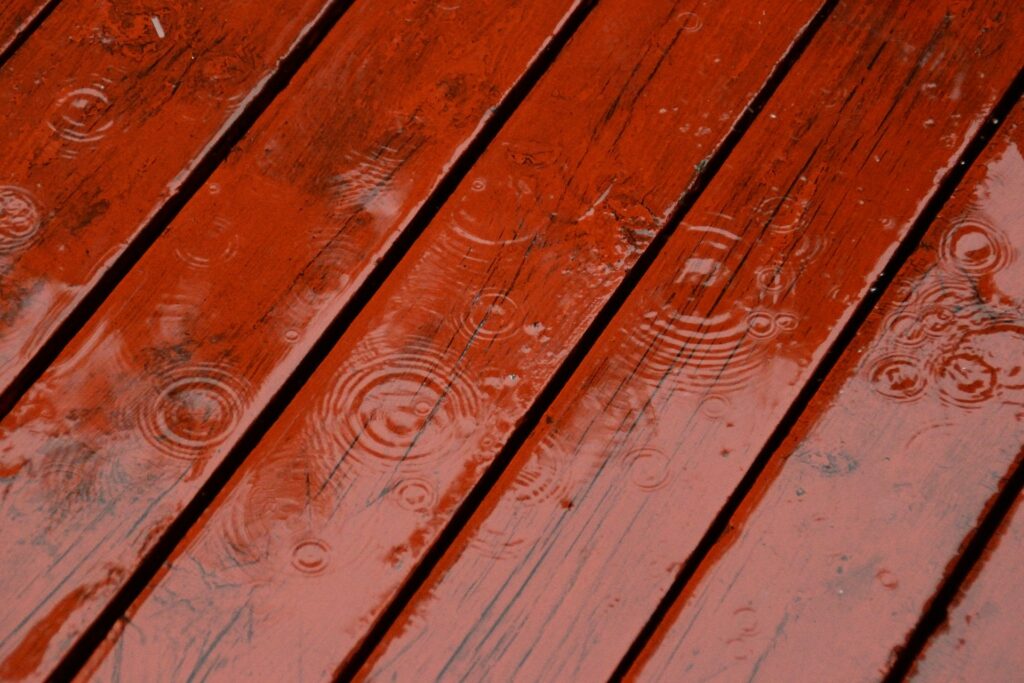
Good construction details are just as important as wood selection. Avoid creating areas where water can become trapped, and use fasteners suitable for the exposure and compatible with the preservative treatment where applicable.
Garden Structures and Raised Beds
Garden structures can experience frequent moisture exposure from rainfall, irrigation, and damp soil.
For raised beds and wooden planters, consider the material’s suitability for direct soil contact. If using treated lumber, verify that the particular preservative is appropriate for the intended gardening application, especially when growing edible crops.
Avoid using reclaimed timber with an unknown treatment history. Follow applicable product safety instructions, and do not burn treated wood or use its ash as garden compost.
For more information about planning raised beds, containers, and other home-growing projects, see our Complete Gardening Guide.
Bathrooms, Kitchens, and Other Wet Areas
Bathrooms, kitchens, and laundry areas can expose wooden materials to humidity, splashes, condensation, and occasional leaks.
For these environments, choosing the correct panel product and protecting its edges and surfaces are important.
Consider the following:
- Use plywood rated for the intended moisture exposure rather than ordinary interior plywood.
- Seal exposed edges, cutouts, and joints appropriately.
- Use compatible protective coatings according to the manufacturer’s instructions.
- Provide adequate ventilation to reduce persistent humidity.
- Keep wooden components away from standing water and repair leaks promptly.
Remember that moisture-resistant panels are not necessarily waterproof. Standard MDF and particleboard, in particular, should not be assumed suitable for repeated direct water exposure.
For locations that remain constantly wet or are regularly exposed to direct water, consider alternatives such as concrete, metal, or fiber cement products specifically designed for wet environments.
How to Make Wood More Resistant to Water
Even naturally durable wood can benefit from proper installation and maintenance. Protective treatments can help reduce moisture exposure, but they cannot compensate for poor construction or indefinitely protect wood from water damage.
1. Apply an Appropriate Wood Sealer
Wood sealers can help reduce moisture penetration by providing a protective treatment to the surface.
Choose a product intended for the specific wood species and application. Exterior wood may require a different protective system from interior furniture.
Follow the manufacturer’s instructions for surface preparation, application, drying, and reapplication.
2. Use an Exterior Wood Finish
Exterior varnishes, stains, paints, and other wood finishes can help protect exposed surfaces against moisture, sunlight, and weathering.
The most suitable option depends on the intended appearance, level of exposure, and maintenance requirements.
Keep in mind that protective finishes deteriorate over time. Inspect exposed wood regularly and maintain its coating when needed.
3. Seal Cut Edges and End Grain
Cut edges and end grain can be particularly vulnerable to moisture exposure.
Pay attention to these areas when installing plywood panels, decking, doors, and exterior wooden components.
Use suitable edge-sealing products and follow the manufacturer’s recommendations.
4. Keep Wood Away from Standing Water
Good drainage is one of the simplest ways to reduce moisture-related deterioration.
Where possible:
- Keep wooden structures elevated from the ground.
- Provide sufficient drainage beneath decks and outdoor furniture.
- Avoid designs that trap rainwater.
- Allow airflow around wooden components.
- Prevent soil, leaves, and other debris from accumulating against the wood.
- Use appropriate construction details around joints and connections.
5. Use Properly Dried Wood
Wood that has not been properly dried can shrink, swell, warp, or develop cracks as its moisture content changes.
DOST-FPRDI explains that kiln-drying helps lower the moisture content of lumber to an intended level. Proper drying can reduce dimensional movement and distortion after installation.
Ask suppliers whether their timber has been properly seasoned or kiln-dried, particularly when purchasing lumber for furniture, cabinetry, doors, and other applications where dimensional stability matters.
What to Check Before Buying Water-Resistant Wood
Before purchasing lumber or plywood in the Philippines, consider checking the following details with the supplier.
Exact Wood Species
Ask for the specific species rather than accepting a generic description such as hardwood or premium wood. Different species have different natural durability characteristics.
Heartwood and Sapwood
For naturally durable species, ask whether the material is primarily heartwood or sapwood. The difference can be important because the naturally protective extractives of certain species are concentrated in their heartwood.
Moisture Content and Drying Process
Ask whether the lumber has been properly seasoned or kiln-dried. When available, request its measured moisture content rather than relying only on its appearance or touch.
Preservative Treatment
If purchasing treated lumber, ask which preservative was used, whether the wood was pressure-treated, and which applications the product is intended for.
Intended Exposure
Clarify whether the material will be used indoors, outdoors, above ground, in soil contact, or in an environment involving frequent direct water exposure. These conditions require different product specifications.
Plywood Certification
For plywood, check its product specifications and applicable DTI-BPS certification. Do not rely exclusively on a seller’s description or the word marine printed in an online listing.
Legal and Responsible Sourcing
When purchasing Philippine hardwood, particularly high-value native species, ask for an invoice and appropriate sourcing documentation.
Verify the identity and origin of the timber, and avoid products with unclear or questionable sources.
Common Mistakes When Choosing Water-Resistant Wood
Assuming All Hardwood Is Waterproof
Hardwood does not automatically mean water-resistant. Some hardwood species are naturally more durable than others, and many still require protective treatments for outdoor applications.
Confusing Marine Plywood with Completely Waterproof Wood
Marine-grade plywood has specific manufacturing and adhesive-bonding characteristics. This does not mean the panel can remain exposed to standing water indefinitely without deterioration.
Ignoring Wood Treatment Requirements
Pressure-treated lumber must be selected according to its intended application. Using a product with an unsuitable treatment specification can shorten its useful life.
Neglecting Maintenance
Protective coatings need inspection and occasional maintenance. Ignoring damaged finishes can allow moisture to reach the underlying wood.
Choosing Based on Price Alone
Cheaper untreated timber may initially cost less but could require more repairs, protective treatments, or replacements over time.
Consider the expected service life and maintenance costs rather than looking only at the initial purchase price.
Frequently Asked Questions About Water-Resistant Wood
What is the most water-resistant wood in the Philippines?
Teak is one of the better-known naturally durable tropical hardwoods for outdoor applications. Properly specified pressure-treated lumber is another practical choice for certain construction projects. The best material depends on the exposure conditions and product quality.
Is there completely waterproof wood?
No natural wood should be considered completely waterproof. Some species have better natural resistance to moisture and decay, while treated and finished products can provide additional protection.
Is teak good for outdoor use in the Philippines?
Yes. Good-quality teak heartwood is naturally durable and is commonly used for outdoor furniture, decking, and other exposed applications. It can still benefit from appropriate maintenance, and its quality and sourcing should be verified.
Is marine plywood waterproof?
Marine-grade plywood is manufactured with moisture-resistant adhesive bonding and suitable veneer requirements. However, it is not automatically immune to fungal decay or damage from prolonged water exposure. Proper installation, edge sealing, and maintenance remain important.
Is pressure-treated wood waterproof?
No. Pressure treatment uses preservatives to help protect wood against biological deterioration, including fungal decay and insect damage. It does not necessarily prevent water absorption.
Can regular plywood be used outdoors?
Ordinary interior plywood is generally not suitable for prolonged outdoor exposure. Choose a plywood product rated for the intended conditions and protect its surfaces and edges according to the manufacturer’s instructions.
What is the best wood for wooden fences in the Philippines?
Suitable naturally durable hardwood or appropriately treated lumber can work well for fences. Pay particular attention to fence posts that contact the ground, since they require protection intended for that exposure.
What is the best wood for bathroom cabinets?
Suitable moisture-rated plywood can be considered for bathroom cabinetry, provided it is properly finished and protected against water entering its exposed edges and joints. Keep wooden cabinets away from persistent leaks and standing water.
Does wood sealer make wood waterproof?
No. A wood sealer can help reduce moisture penetration, but its effectiveness depends on the product, application, surface preparation, and maintenance. It should not be treated as a guarantee against prolonged water exposure.
How can I prevent wooden furniture from rotting?
Start with a suitable wood species, properly dried materials, and appropriate protective finishes. Keep furniture away from standing water, allow adequate airflow, and maintain its protective coating when necessary.
Final Thoughts
Choosing water-resistant wood in the Philippines requires more than looking for the hardest or most expensive available timber. The right material must be suitable for the expected moisture exposure, installation conditions, and maintenance requirements.
For naturally durable outdoor furniture and decking, teak is worth considering. For outdoor structural components, properly specified pressure-treated lumber may be a practical option. For panel applications, suitable exterior or marine-grade plywood can provide better moisture-resistant bonding than ordinary interior plywood.
Regardless of the material, proper drying, protective finishing, drainage, ventilation, and responsible sourcing all contribute to longer-lasting wooden structures.
It is also important to distinguish between water resistance, natural decay resistance, and termite resistance. These properties are related to wood durability, but they are not interchangeable.
The most cost-effective choice is often the material that matches the project from the beginning, rather than one that requires frequent repairs or premature replacement.
Sources and Further Reading
- USDA Forest Products Laboratory: Wood Handbook. Technical reference covering wood properties, moisture behavior, durability, preservation, and wood-based products.
- USDA Forest Products Laboratory: Biodeterioration of Wood. Explains how fungi, insects, and other biological organisms contribute to wood deterioration.
- USDA Forest Products Laboratory: Wood Preservatives. Discusses preservative treatments, penetration, retention, and the protection of wood against biological deterioration.
- USDA Forest Products Laboratory: Finishing Wood. Covers exterior wood finishes and their role in protecting wood against water, sunlight, and weathering.
- DTI-Bureau of Philippine Standards: Plywood Product Certification. Provides information about PNS ISO 12465:2017 and the applicable Philippine plywood certification requirements.
- National Pesticide Information Center: Treated Wood Fact Sheet. Explains wood preservatives, treatment purposes, appropriate applications, and precautions when handling treated wood.
- DOST-FPRDI: Lumber Drying and Proper Wood Seasoning. Explains kiln-drying and why controlling wood moisture content is important for reducing shrinkage and distortion.
- DOST-FPRDI: Research on Thermal Modification of Wood and Bamboo. Discusses research into heat-based treatment to improve material stability and resistance to biological deterioration.
Editorial note: This article provides general material-selection information based on technical and government references. Actual suitability depends on product specifications, installation, and site conditions. Consult a qualified professional for structural, marine, or specialized construction applications.
Well, what do you think about the article?
Did you enjoy reading “Water-Resistant Wood in the Philippines: Best Types for Outdoor Use and Wet Areas“? We really hope that you have enjoyed this article.
If you have any thoughts or comments about this post, please feel free to share them in the comment section below. We appreciate your feedback and would be glad to hear from you.
To see more content like this check the Business section of Money For My Beer.

Chief Editor and Website Owner.
Hi, I’m Ryan. I write and edit everything on this site, which means I’m the last set of eyes on every post before it goes live. By day I’m a technical architect. I design and build enterprise systems, apps, websites, and the occasional game.
This site started because I wanted one place where money advice for regular people doesn’t read like it was written by a finance robot. My goal is simple: every article should be genuinely useful, actually tested against what real people are searching for, and written in plain English. No jargon, no “get rich quick,” no advice I wouldn’t follow myself.
You’ll see a lot of topics here that lean on my engineering background: software reviews, tools, and tech-adjacent money stuff. Where a topic needs real financial expertise, I say so plainly and point you to qualified sources rather than pretending.