Earn money recycling scrap metal by collecting unwanted metal, sorting it, and selling it to a local yard. Most yards pay by weight, so the heavier and cleaner your load, the more cash you walk away with. With a few basic tools and a bit of hustle, this side gig can turn kitchen junk, construction off‑cuts, and discarded wiring into a steady extra income stream.
Price data as of October 2026.
How to Earn Money Recycling Scrap Metal: The Basics
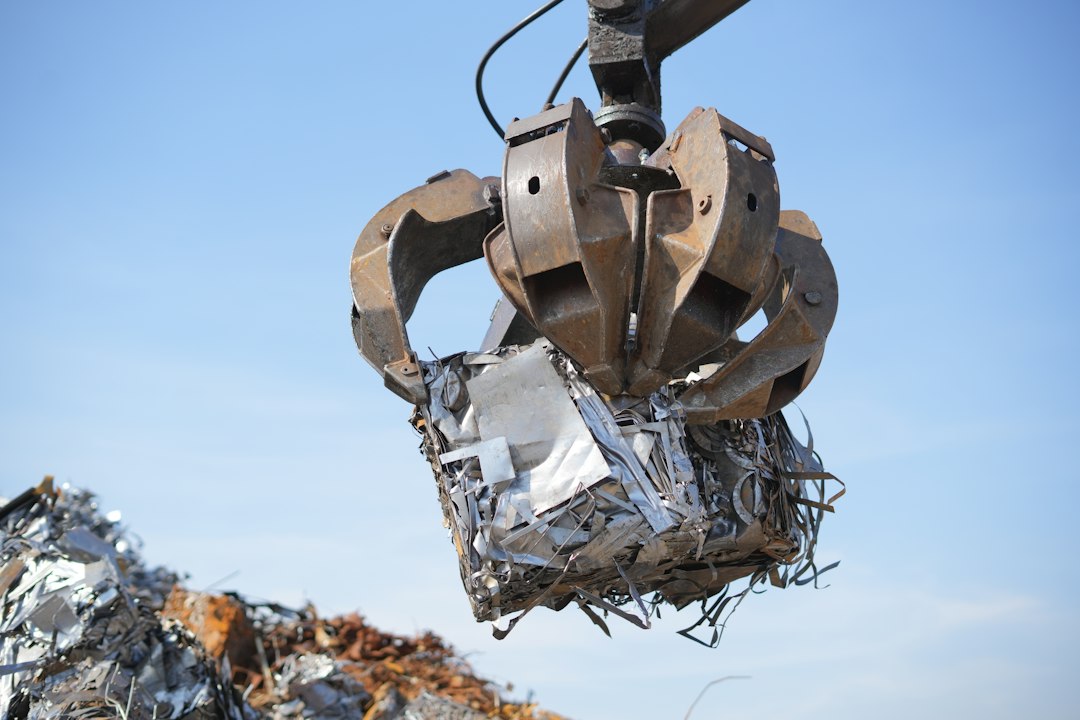
What Makes Scrap Metal Profitable
Metal retains value because it can be melted down and reused in manufacturing, which saves energy compared with mining new ore. Yards earn a margin on each pound, so they pay a portion of the market price to collectors. The profit potential rises when you target high‑paying non‑ferrous metals and keep transportation costs low.
For beginners, the key is to start small, track the weight and price per pound, and reinvest any earnings into better tools or a larger vehicle.
Ferrous vs. Non‑Ferrous Metals Explained
Ferrous metals contain iron; they are magnetic and include steel and cast iron. They are abundant but usually fetch lower rates, often under $0.10 per pound. Non‑ferrous metals lack iron, are non‑magnetic, and command higher prices—copper, aluminum, brass, and nickel can earn $0.30 – $4.00 per pound depending on market conditions.
Understanding this split lets you prioritize collection trips: focus first on copper wiring, aluminum cans, and brass fixtures before hauling bulk steel.
Best Metals to Scrap for Cash and Their Current Value
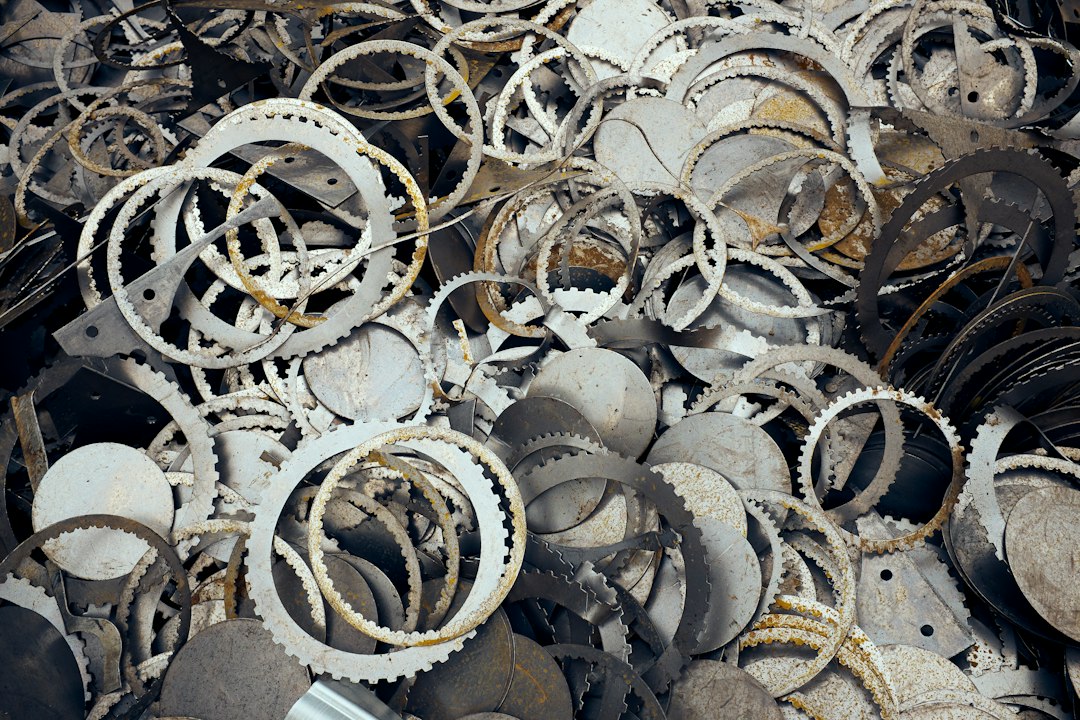
High‑Value Non‑Ferrous Metals
Copper tops the list; clean #1 or #2 wire sells for roughly $3.50 – $4.00 per pound, while copper pipe can be $2.00 – $3.00 per pound. Aluminum from cans or gutters typically earns $0.40 – $0.60 per pound, but large extrusions can reach $0.80. Brass, often found in valve stems and musical instrument parts, fetches $1.50 – $2.20 per pound. Live LME copper price provides up‑to‑date rates. Prices fluctuate daily; see the latest rates on a live price checker.
When you have a mix, separate each metal type; yards pay per‑type, and mixing can lower the overall price.
Common Ferrous Metals to Collect
Steel and iron are plentiful in demolition scrap, car parts, and appliances. Prices hover around $0.05 – $0.10 per pound, but large volumes can still add up. Look for items with little insulation or paint, as excessive coating reduces yard payout.
Even low‑price ferrous metal can be worthwhile if you have free sources, such as construction sites that discard off‑cuts.
How to Start a Scrap Metal Side Hustle Step‑by‑Step
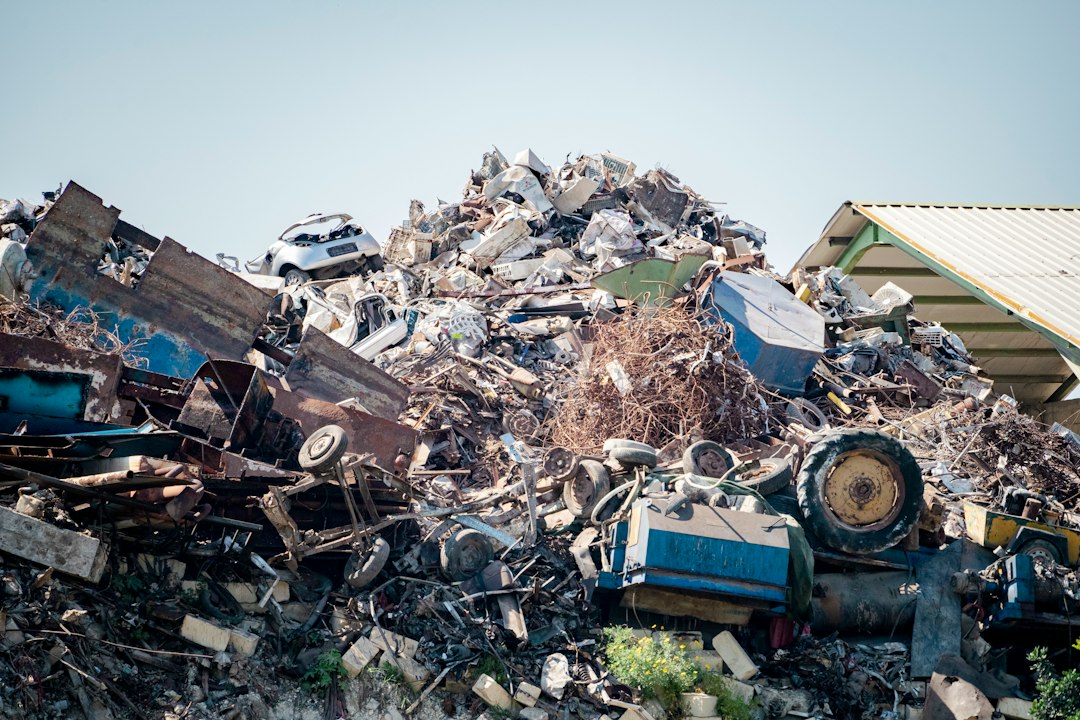
Where to Find Free Scrap Metal
Free sources include curbside recycling bins, demolition sites (with permission), old appliances left for trash, and neighborhood construction leftovers. Many municipalities allow residents to leave clean metal on the curb for pickup; you can collect it before the truck arrives.
Check local classifieds, Facebook Marketplace, or free‑cycle groups for people giving away pallets, metal frames, or broken tools.
recycling cans side hustleEssential Tools for Sorting and Stripping
Basic toolkit includes a strong neodymium magnet, bolt cutters, a utility knife, heavy‑duty gloves, and safety glasses. A portable scale (digital or spring) helps you record weight before heading to the yard, so you can verify the yard’s scale later.
Invest in a sturdy metal dolly or hand‑truck for moving heavy bundles; it reduces strain and speeds up trips.
For step‑by‑step guidance on removing insulation from copper, see our article How to Strip Copper Wire. For tool recommendations, check out Best Tools for Scrap Metal.
Preparing Your Materials for Scrap Metal Yard Prices
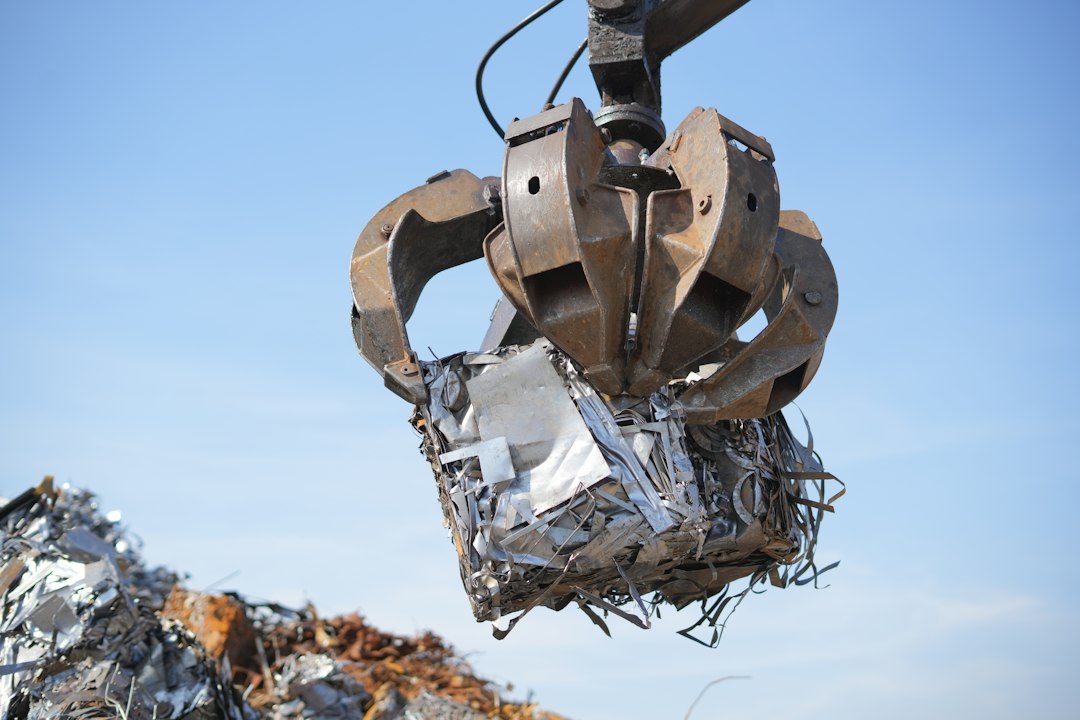
How to Test Metals with a Magnet
Magnet test quickly separates ferrous from non‑ferrous. Drag a strong magnet across a pile; anything that sticks is iron or steel. Set the magnetic pieces aside for a separate bag and keep the non‑magnetic items for higher‑paying categories.
For borderline items like stainless steel, a magnet will often not stick, but the metal still fetches ferrous rates, so label it accordingly.
Stripping Wires and Removing Contaminants
Strip copper wire using bolt cutters or a wire stripper. Remove any insulation, plastic coating, or aluminum foil. Clean the exposed copper with a wire brush to improve yard assessment.
Rinse aluminum cans to eliminate food residue; dry them to prevent rust, which can lower the price per pound.
Finding Local Scrap Recycling Centers and Getting the Best Rate
Comparing Local Yard Payouts
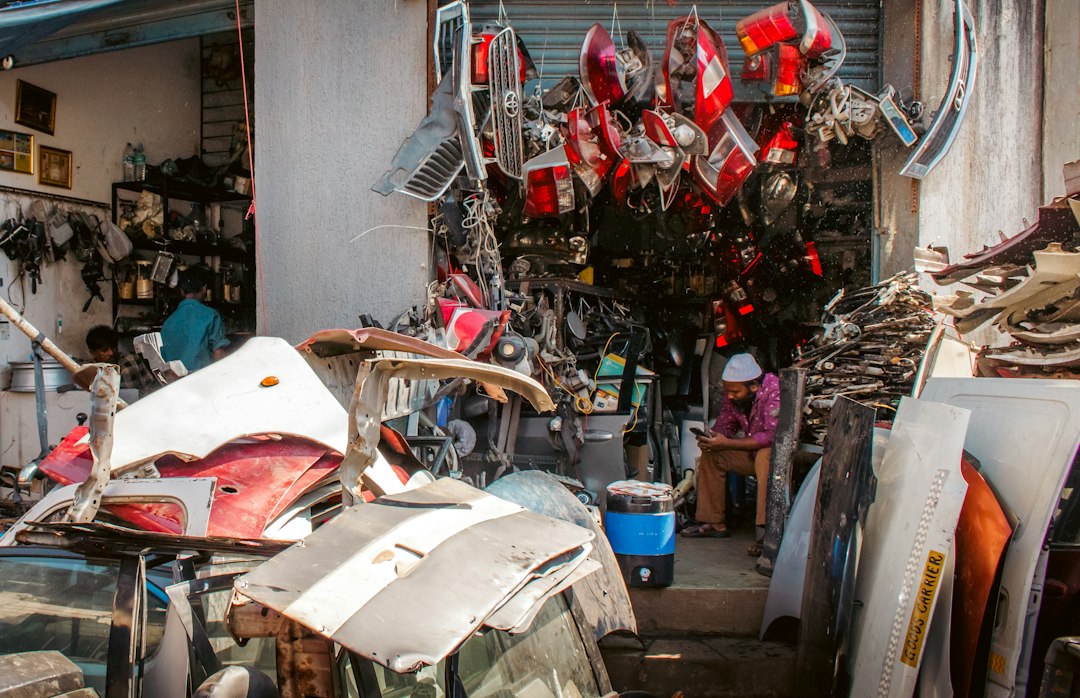
Research rates by calling at least three yards in your area. Write down the price they offer for each metal type and ask if they have daily or weekly price sheets posted online.
Use the information to create a simple spreadsheet: column A for metal type, B for yard #1 price, C for yard #2, and D for yard #3. Choose the highest payer for each batch.
daily paying gig side hustlesUnderstanding Market Fluctuations
Metal prices follow commodity markets and can shift weekly. Copper spikes after construction booms, while aluminum may dip when manufacturers slow production. Subscribe to a free commodity price alert (e.g., LME or CME) to time larger deliveries for higher payouts.
When prices dip, consider holding onto high‑value metals for a few days rather than selling immediately; the extra cash often outweighs storage inconvenience.
Safety Precautions and Legal Rules for Scrappers
Personal Protective Equipment Needed
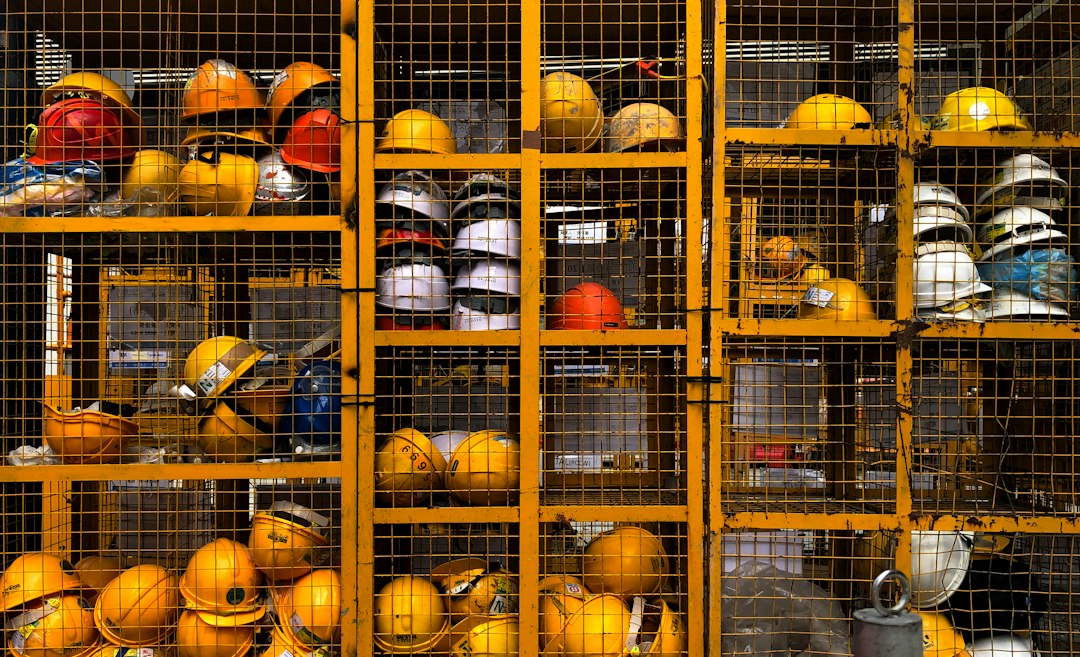
Protect yourself with cut‑resistant gloves, safety glasses, steel‑toe boots, and long sleeves. Sharp edges on broken pipe or sheet metal can cause serious lacerations, and heavy loads can crush feet.
Carry a basic first‑aid kit and a fire extinguisher if you plan to work near hot metal or welding equipment.
Legal Requirements and ID Policies
Most yards require ID and may ask for a driver’s license to record the transaction for tax reporting. Some jurisdictions require a scrap dealer’s license if you collect more than a certain weight per month; check your city’s environmental agency website. Local government licensing information.
Never take metal from private property without written permission; trespassing can lead to fines or criminal charges.
Putting It All Together: A Sample Week of Scrap Metal Hustling
Plan your week by allocating two evenings to collection and one morning for yard trips. Example schedule:
- Monday evening: Scan local Facebook Marketplace for “free metal” posts; arrange pickup of a discarded copper pipe bundle.
- Tuesday morning: Visit a construction site after hours (with manager’s consent) to gather steel rebar.
- Wednesday evening: Strip insulation from 30 ft of copper wire, clean 50 aluminum cans, and weigh each batch.
- Thursday morning: Call three yards, note current rates, and choose the highest payer for copper and aluminum.
- Friday afternoon: Load the sorted metal into a pickup truck, double‑check weight with a portable scale, and deliver to the chosen yard.
Following this routine can generate $150 – $300 in a single week, depending on local rates and the amount of free scrap you locate.
Common Mistakes to Avoid
1. Mixing metals – Combining ferrous and non‑ferrous scrap in one bag often reduces the overall payout. Separate each type before weighing.
2. Skipping cleanliness – Rusty, painted, or contaminated pieces fetch lower prices. A quick rinse or brush can boost your earnings.
3. Ignoring market timing – Selling during a price dip wastes potential profit. Track daily rates and aim to sell when copper or aluminum peaks.
FAQ
How can beginners earn money recycling scrap metal safely?
Start with low‑risk sources like curbside cans and discarded appliances, wear gloves and goggles, and use a magnet to sort metals before hauling. Always obtain permission for any private property collection and keep a simple log of weight and price to track profit.
What are the best metals to scrap for cash?
Copper and brass top the list, followed by clean aluminum. These non‑ferrous metals typically pay three to forty times more per pound than steel or iron, making them the most profitable items to target.
Where is the best place to find free scrap metal to sell?
Free sources include curbside recycling bins, demolition sites that allow scavenging, online “free” listings, and neighbors discarding old appliances. Always ask for written permission when taking material from private or commercial sites.
How do local scrap recycling centers determine their prices?
Yards base payouts on current commodity market rates for each metal type, adjusted for local supply, processing costs, and the cleanliness of the material. They may publish daily price sheets or quote rates over the phone, so calling ahead helps you lock in the best price.
Can you make a full-time living selling copper and aluminum for money?
While a dedicated scrapper can earn a solid supplemental income, full‑time profitability usually requires a reliable supply chain, a vehicle for bulk transport, and the ability to navigate price fluctuations. Most side hustlers treat scrap metal as a seasonal or part‑time cash source rather than a sole livelihood.
Also Read: Can Recycling Side Hustle: How to Make Money Recycling Cans
Well, what do you think about the article?
Did you enjoy reading “How to Earn Money Recycling Scrap Metal for Cash”? We really hope that you have enjoyed.
If you have any thoughts or comments about this post, please feel free to share them in the comment section below. We appreciate your feedback and would be glad to hear from you.
To see more content like this check the Beermoney section of Money For My Beer.

Chief Editor and Website Owner.
Hi, I’m Ryan. I write and edit everything on this site, which means I’m the last set of eyes on every post before it goes live. By day I’m a technical architect. I design and build enterprise systems, apps, websites, and the occasional game.
This site started because I wanted one place where money advice for regular people doesn’t read like it was written by a finance robot. My goal is simple: every article should be genuinely useful, actually tested against what real people are searching for, and written in plain English. No jargon, no “get rich quick,” no advice I wouldn’t follow myself.
You’ll see a lot of topics here that lean on my engineering background: software reviews, tools, and tech-adjacent money stuff. Where a topic needs real financial expertise, I say so plainly and point you to qualified sources rather than pretending.