Mastering beer basics starts with understanding four raw ingredients—water, malted grains, hops, and yeast—and how brewing temperature separates every batch into an ale or a lager. Evaluating sensory details like head retention, aroma, and mouthfeel allows you to identify distinct flavor profiles and spot flawed or stale beer immediately. Knowing these fundamentals helps you read complex labels, order with certainty at any taproom, and store your bottles under conditions that preserve their peak flavor.
What Are Beer Basics and Why Every Enthusiast Should Know Them
Learning foundational brewing principles transforms beer drinking from a random guessing game into an intentional tasting experience. When you understand how specific recipe choices alter color, sweetness, and bitterness, you can consistently select pours that match your personal palate.
Commercial brewing relies on precise biochemical transformations rather than guesswork. Developing an eye for these core concepts also protects your wallet, ensuring you spend money on properly brewed, fresh stock rather than oxidized bottles. If you explore different regional selections, studying types of beer in India provides a helpful benchmark for how global traditions adapt to local climates.
The Four Essential Ingredients
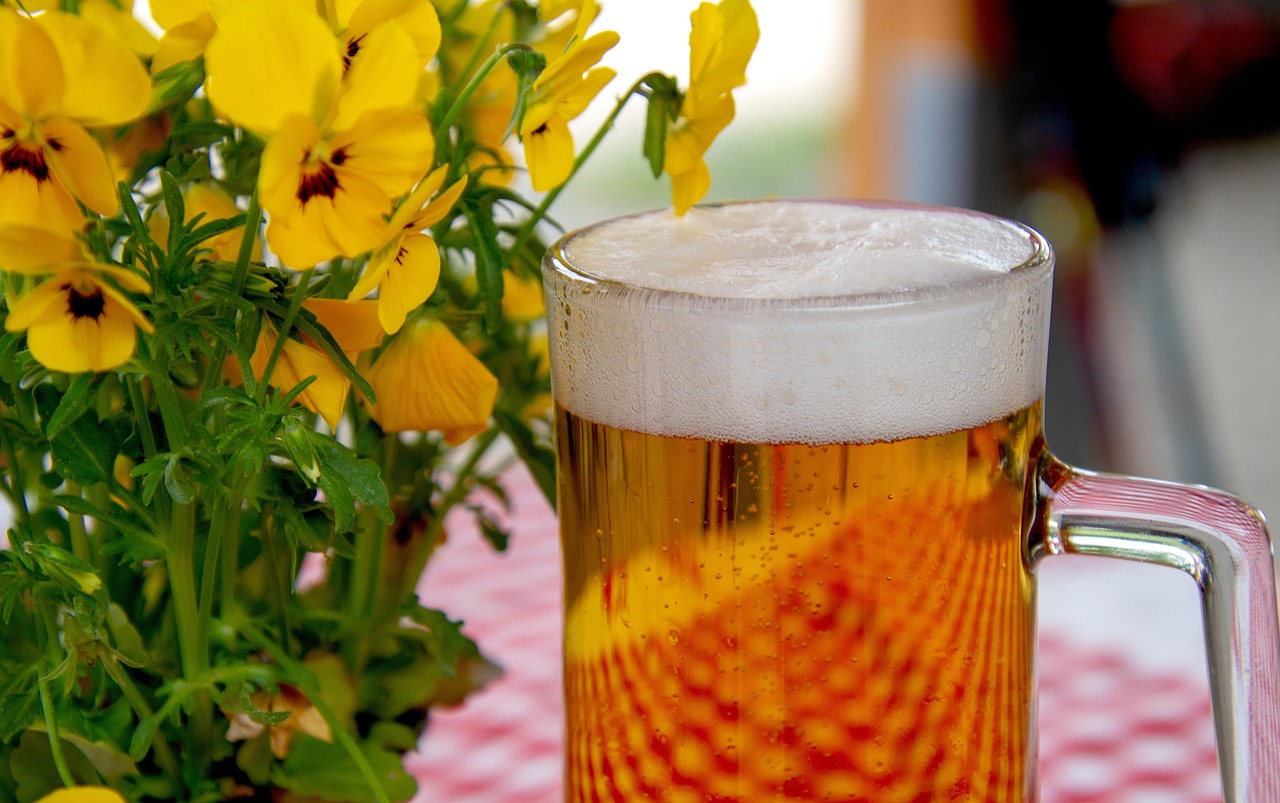
Water makes up roughly 90 to 95 percent of any finished pour. Mineral content in the brewing liquor, such as calcium, sulfates, and chlorides, dictates mash efficiency and accentuates either crisp hop bitterness or rounded malt sweetness.
Grains provide the fermentable sugars necessary to generate alcohol. Brewers primarily use malted barley, which germinates briefly before kilning to develop enzymes, colors, and rich flavors ranging from light crackers to dark chocolate.
Hops are the cone-shaped flowers of the Humulus lupulus vine. They contribute essential alpha acids that balance grain sweetness with pleasant bitterness, while their delicate essential oils supply bright citrus, pine, or herbal aromas.
Yeast serves as the living engine of fermentation. This microscopic fungus consumes simple sugars created during the mashing process, converting them directly into ethanol, carbon dioxide, and signature aromatic compounds called esters.
Ale vs. Lager: The Great Divide
Every traditional brew falls into one of two fundamental branches: an ale or a lager. The technical distinction lies entirely in the yeast species and the temperature profile maintained during fermentation.
Ales ferment with Saccharomyces cerevisiae, a top-fermenting yeast that thrives at warm temperatures between 60°F and 72°F (15°C to 22°C). This rapid, warm fermentation generates expressive fruit notes like banana, pear, and red apple, alongside spicy phenolic accents.
Lagers utilize Saccharomyces pastorianus, a bottom-fermenting yeast operating at cool temperatures between 45°F and 55°F (7°C to 13°C). After primary fermentation, lagers undergo weeks of cold conditioning called lagering, producing exceptionally clean, crisp profiles where malt and hops shine without yeast-derived fruitiness.
Mastering Beer Basics Through Styles and Flavor Profiles
Categorizing beer into recognizable families simplifies your decisions at a bottle shop or bar counter. Most offerings balance between bready sweetness, assertive bitterness, crisp acidity, and rich roasted characteristics.
Understanding these sensory groupings prevents unpleasant surprises when trying an unfamiliar tap. Recognizing how brewers manipulate roast levels, hop varieties, and carbonation gives you total control over what ends up in your glass.
Popular Light and Crisp Styles
Pale lagers and pilsners define the refreshing end of the brewing spectrum. A classic German Pilsner showcases dry cracker malt alongside a snappy, spicy floral finish derived from noble hops like Hallertau or Tettnang.
Wheat beers offer gentle body with minimal palate fatigue. Belgian witbiers feature raw wheat, coriander, and orange peel, whereas German hefeweizens rely on specialized yeast to deliver distinctive aromas of clove and ripe banana without added spices.
Blonde ales and kölsch-style beers provide approachable transitions for drinkers seeking lighter body with nuanced flavor. They maintain low bitterness, pale golden straw hues, and clean, fast-finishing profiles that pair naturally with light meals.
Rich, Dark, and Malty Varieties
Dark beers get their deep mahogany and midnight-black colors from heavily roasted grains rather than high alcohol strength. Kilning grains at elevated heat carbonizes starches, generating intense notes of espresso, baker’s chocolate, and burnt toast.
Porters typically deliver smooth caramel, milk chocolate, and roasted nut flavors with medium body. Stouts push that roast character further, often incorporating roasted unmalted barley to achieve a sharp, dry coffee bite and a creamy, tan foam head.
Bocks and brown ales focus on rich malt sweetness rather than bitter roasted astringency. A traditional German doppelbock presents concentrated flavors of toasted bread crust, dark raisin, and toffee with restrained hop presence.
Hop-Forward and Bitter Beers
India Pale Ales (IPAs) celebrate the aromatic and bitter potential of the hop cone. Historic British interpretations leaned earthy and herbal, but modern brewing practices emphasize pungent American and Southern Hemisphere hop cultivars.
American West Coast IPAs deliver bold resinous pine, grapefruit pith, and an assertive bitter punch anchored by a dry finish. In contrast, New England or Hazy IPAs prioritize late-addition and dry hopping, creating juicy stone fruit sensations, tropical aromas, and lower perceptible bitterness.
Standard pale ales offer a lower-alcohol, session-friendly alternative to intense double IPAs. They maintain balanced malt backbones that keep pine and citrus oils from overwhelming your palate across multiple pours.
How to Taste Beer Like a Pro: A Step-by-Step Guide
Tasting beer methodically engages all your senses to reveal subtle production techniques and recipe details. Rushing past the visual and olfactory stages means missing out on more than half of the beverage’s sensory complexity.
Professional sensory analysts evaluate samples using a structured protocol that uncovers fresh ingredients, fermentation health, and potential balance defects. Adopting these basic steps will dramatically improve your appreciation of each style, providing practical beer tips you can use immediately at any tasting event.
The Look and the Pour
Always pour beer into clean glassware rather than drinking directly from an aluminum can or bottle. Pouring releases trapped carbon dioxide gas, producing a dense foam collar known as the head that acts as a sensory chimney for volatile aromas.
Hold your glass at a 45-degree angle and pour smoothly down the interior side until the glass is half full. Tilt the glass upright and pour straight down the center to generate roughly two fingers of tight, persistent foam.
Examine the liquid against a neutral light source to judge clarity and color depth. Bright clarity is standard for pilsners and lagers, while deliberate haziness characterizes unfiltered wheat styles and modern hazy IPAs.
Sniffing for Aromas
Olfactory receptors behind your nasal cavity register the vast majority of what the brain perceives as flavor. Before taking your first sip, bring the glass rim directly beneath your nose and take two or three short, sharp sniffs.
Swirl the glass gently while covering the opening with your clean palm to trap expanding volatile aromatics. Uncover the rim and breathe in deeply to catch layered top notes like citrus peel, pine needles, roasted malt, or floral blossoms.
Watch out for unwanted off-flavors that indicate spoilage or production errors. A buttery scent suggests diacetyl from incomplete fermentation, while sweet creamed corn points to dimethyl sulfide (DMS) from an inadequate wort boil.
Evaluating Taste and Mouthfeel
Take a medium sip and let the liquid coat your entire tongue before swallowing. Your taste buds detect fundamental tastes—sweetness on the front, acidity along the edges, and bitterness toward the back—while retro-nasal breathing reinforces aromatics.
Pay close attention to physical texture, which brewers refer to as mouthfeel. Consider whether the liquid feels light and watery, prickly with heavy carbonation, or velvety and dense from residual unfermented starches.
Evaluate the finish by observing how flavors linger after you swallow. High-quality brews clean up briskly without lingering cloying sweetness, leaving a pleasant, balanced dryness that invites another sip.
Decoding Beer Labels and Reading Dates Correctly
Craft beer packaging often features dense technical acronyms alongside colorful artwork. Knowing how to translate these abbreviations ensures you buy beers that align with your preferred strength, bitterness tolerance, and freshness expectations.
Scrutinizing packaging details also helps you verify value when comparing high-end imports against everyday options like the best beer brands in India. Informed consumers look past marketing buzzwords and assess the cold, hard brewing specifications printed on the can seam.
Understanding ABV, IBU, and SRM
ABV stands for Alcohol by Volume and indicates the percentage of pure ethanol contained in the liquid. Standard session beers hover between 3.5% and 4.8% ABV, standard table beers land around 5% to 6.5%, while robust imperial varieties regularly exceed 8% or 10% ABV.
IBU stands for International Bitterness Units, measuring the chemical concentration of isomerized alpha acids in parts per million. While an American macro lager sits around 10 to 12 IBU, an aggressive double IPA can register 75 to 100 IBU.
Perceived bitterness depends heavily on malt sweetness. A rich imperial stout measuring 60 IBU will taste considerably sweeter than a bone-dry pilsner measuring 35 IBU because residual sugars mask the hop bite.
SRM stands for the Standard Reference Method, a numerical scale describing the precise color of the beer. Lower numbers like 2 to 4 represent pale straw hues, medium numbers from 10 to 18 indicate amber and copper tones, and figures above 30 signify black opaque pours.
Spotting Freshness Dates and Bottling Codes
Beer is a perishable food product that deteriorates as soon as packaging finishes. Unlike fine wines, most craft beers—especially hop-forward pale ales and IPAs—degrade significantly within 90 to 120 days of their packaging date.
Check the underside of aluminum cans or the bottle neck for stamped production numbers. Clear labels print an explicit “canned on” or “best by” date, allowing you to quickly determine how long the container has sat on inventory shelves.
Some commercial breweries rely on continuous Julian date codes instead of standard calendar days. In this three-digit format, a stamp reading “045” means the batch was filled on the 45th day of the calendar year (February 14th).
Common Beer Storage Mistakes and How to Avoid Them
Improper handling can ruin high-end beer within a matter of minutes. Environmental exposure breaks down delicate hop oils and accelerates chemical staling, reducing complex profiles into bland, unpalatable pours.
Enthusiasts who monetize their passions by building home collections or selling craft beer merch online know that product respect builds community credibility. Protecting your stock requires rigorous control over light, orientation, and ambient temperatures.
The Dangers of Light and Heat
Lightstruck flavor, commonly referred to as skunking, occurs when ultraviolet light strikes hop compounds called isohumulones. This photochemical reaction splits the molecule, binding it with sulfur to form 3-methyl-2-butene-1-thiol (3-MBT), an offensive aroma identical to skunk spray.
Clear glass bottles offer zero protection against UV rays, while green glass provides very minimal shielding against fluorescent and natural rays. Brown amber glass blocks roughly 98 percent of harmful wavelengths, but aluminum cans provide complete opacity, entirely eliminating skunking risks.
Excessive ambient heat acts as a catalyst for oxidation reactions. Storing beer in warm garages or sunny rooms accelerates the formation of trans-2-nonenal, a compound that creates stale flavors reminiscent of wet cardboard, papery wrappers, and dull honey.
Temperature Control for Ales and Lagers
Store your everyday stock in a dedicated refrigerator held consistently between 38°F and 44°F (3°C to 7°C). Cold storage suspends chemical reactions, keeping hop aromatics vibrant and preventing active yeast or bacteria from altering the final profile.
High-gravity styles intended for extended cellaring—such as barleywines, Belgian quads, and barrel-aged stouts—thrive in cool environments held at 50°F to 55°F (10°C to 13°C). Consistent humidity and stable dark conditions prevent premature aging while allowing complex oxidized nuances like sherry and dried plum to mature slowly.
Always stand your bottles upright rather than laying them sideways like wine. Upright storage minimizes the surface area exposed to residual headspace oxygen in the neck and prevents extended liquid contact with rubber crown cap liners.
Frequently Asked Questions
What are the absolute beer basics every beginner should know?
Beginners should know that all beer consists of water, malted barley, hops, and yeast. These ingredients split broadly into two fundamental categories—warm-fermented ales and cold-fermented lagers. Serving your beer in clean glassware and consuming it fresh ensures you experience the intentional flavors crafted by the brewer.
How can I better understand beer basics when reading a craft beer label?
Read the ABV percentage to gauge alcohol strength and look at the IBU rating to anticipate bitterness intensity. Check the packaging seam for a “canned on” date to confirm freshness, keeping in mind that hop-forward styles drink best within 90 to 120 days of production. Finally, review listed malt and hop varieties to predict flavor notes like citrus, pine, or chocolate.
What is the difference between an ale and a lager in beer basics?
The primary difference centers on yeast species and fermentation temperature. Ales use top-fermenting Saccharomyces cerevisiae yeast at warm temperatures (60°F to 72°F), generating expressive fruity and spicy esters. Lagers use bottom-fermenting Saccharomyces pastorianus yeast at cool temperatures (45°F to 55°F), producing exceptionally clean, crisp, and malt-forward profiles.
How should I store my beer to keep it fresh?
Keep your beer cold, upright, and completely away from direct sunlight or bright artificial light fixtures. Refrigerating bottles between 38°F and 44°F dramatically slows down oxidation, while storing containers upright minimizes the liquid’s exposure to oxygen inside the neck. Using aluminum cans or dark brown bottles provides the best defense against photochemical skunking.
Also Read: Beer Tips: What You Need to Know
Well, what do you think about the article?
Did you enjoy reading “Beer Basics: A Practical Guide”? We really hope that you have enjoyed.
If you have any thoughts or comments about this post, please feel free to share them in the comment section below. We appreciate your feedback and would be glad to hear from you.
To see more content like this check the Beermoney section of Money For My Beer.

Chief Editor and Website Owner.
Hi, I’m Ryan. I write and edit everything on this site, which means I’m the last set of eyes on every post before it goes live. By day I’m a technical architect. I design and build enterprise systems, apps, websites, and the occasional game.
This site started because I wanted one place where money advice for regular people doesn’t read like it was written by a finance robot. My goal is simple: every article should be genuinely useful, actually tested against what real people are searching for, and written in plain English. No jargon, no “get rich quick,” no advice I wouldn’t follow myself.
You’ll see a lot of topics here that lean on my engineering background: software reviews, tools, and tech-adjacent money stuff. Where a topic needs real financial expertise, I say so plainly and point you to qualified sources rather than pretending.