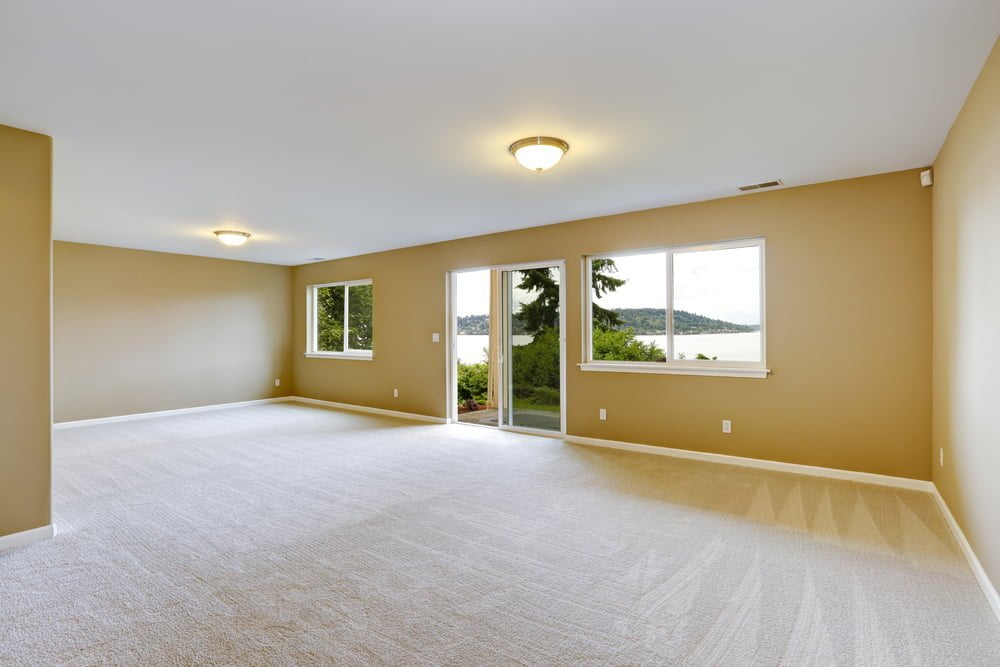
Choosing the right commercial carpet involves more than picking a color or pattern. Businesses also need to consider foot traffic, carpet fibers, construction, installation costs, cleaning requirements, and long-term maintenance.
The best carpet for a private office may not be suitable for a busy corridor, hotel lobby, retail store, or school. A well-chosen carpet should match the demands of the space while remaining practical to maintain over its service life.
This commercial carpet buying guide covers the main carpet types, fiber options, carpet tiles versus broadloom, traffic ratings, cost considerations, and maintenance practices. Use these factors to compare products and identify a flooring solution that fits your space and budget.
Last Reviewed: October 12, 2026
What Is Commercial Carpet?
Commercial carpet is a floor covering selected for workplaces, public buildings, hospitality spaces, and other business environments where durability, appearance, comfort, and maintenance are important.
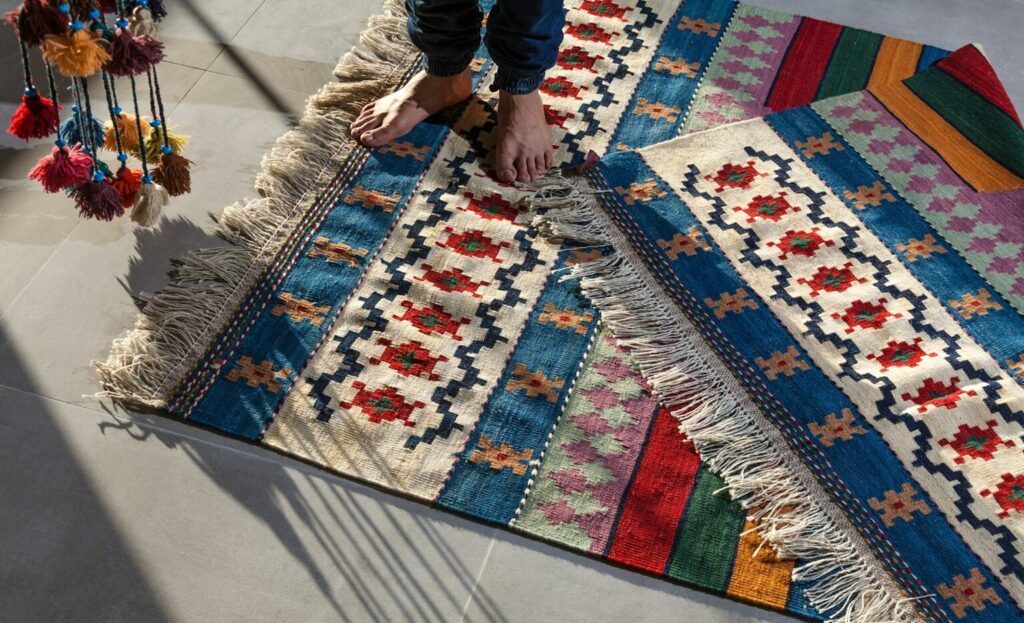
It is available in different pile constructions, including loop pile, cut pile, and cut-and-loop designs. Common formats include modular carpet tiles and broadloom carpet supplied in rolls.
Commercial carpet is often specified according to the expected use of a space. Relevant considerations include foot traffic, rolling office chairs, wheeled carts, occasional spills, cleaning frequency, and access to the floor beneath the carpet.
However, commercial carpet is not a single uniform product category. Two carpets made from the same fiber can perform differently because of their pile construction, density, backing, installation method, and maintenance requirements.
Types of Commercial Carpet Fibers
The fiber affects characteristics such as resilience, moisture absorption, stain resistance, color retention, and cleaning requirements. Nylon, polyester, and polypropylene are common synthetic carpet fibers, but no single material is best for every application.
1. Nylon Carpet
Nylon is widely used in commercial carpet because it generally offers good resilience and resistance to wear. Depending on its construction and specification, nylon carpet can be suitable for offices, reception areas, corridors, and other spaces with frequent foot traffic.
Advantages:
- Generally offers good resilience under repeated foot traffic.
- Is available in a wide range of commercial carpet constructions, colors, and patterns.
- Can be a suitable choice for spaces where retaining appearance is a priority.
Limitations: Nylon may have a higher initial price than some alternatives. Stain resistance also varies according to the fiber type, dye system, treatments, and product construction. Nylon should not automatically be considered stain-proof.
Best for: Offices, corridors, reception areas, and other commercial spaces where durability and appearance retention are important.
2. Polyester Carpet
Polyester, including PET polyester, is a synthetic carpet fiber available in many colors and styles. Depending on the product, it can offer good resistance to many common stains and may be available at a competitive initial price.
Advantages:
- Can offer good resistance to many water-based stains.
- Provides a wide range of color and design options.
- May have a lower purchase price than some comparable nylon carpets.
Limitations: Some polyester constructions are less resilient under repeated compression than suitable nylon alternatives. In busy commercial spaces, evaluate crushing, flattening, and appearance retention instead of judging performance by fiber name alone.
Best for: Selected offices and commercial areas where the product’s specifications, expected traffic, and budget make polyester an appropriate choice.
3. Polypropylene Carpet (Olefin)
Polypropylene, commonly called olefin in the carpet industry, is a synthetic fiber that absorbs relatively little moisture at the fiber level. It is used in various commercial carpet products, including some loop-pile constructions.
Advantages:
- Generally has low moisture absorption at the fiber level.
- Can be a cost-conscious option for suitable applications.
- Is available in a range of colors and commercial carpet styles.
Limitations: Polypropylene is generally less resilient than nylon under repeated compression, so pile flattening can be a concern in demanding traffic conditions. Low moisture absorption also does not make the entire carpet system waterproof. Backing, adhesives, and the subfloor still need appropriate protection from moisture.
Best for: Applications where polypropylene’s specific characteristics and the carpet’s construction meet the requirements of the space.
4. Other Commercial Carpet Fibers
Other options include triexta and wool. These fibers have different performance characteristics and may be used in particular commercial applications, depending on product availability and specification.
Wool, for example, is a natural fiber that may suit selected hospitality or premium interiors. However, its cost, cleaning requirements, and suitability for the intended environment should be evaluated before purchase.
When comparing fibers, consider the complete carpet construction rather than assuming a particular material guarantees durability or stain resistance. The Carpet and Rug Institute’s commercial carpet selection guide explains why fiber, construction, backing, and facility requirements need to be considered together.
Main Types of Commercial Carpet Construction
Carpet construction affects the surface texture, appearance, and practical performance of the flooring. The following styles are commonly considered for commercial interiors.
1. Level Loop Pile
Level-loop carpet has loops of similar height across the surface. Low, dense loop constructions are often considered for offices, corridors, and other areas where durability and movement across the floor are important.
Advantages: Depending on the product, level-loop carpet can offer a uniform appearance, good resilience, and a practical surface for areas with frequent foot traffic.
Considerations: Not every loop carpet performs equally well. Loop height, density, backing, and overall construction should match the expected use, including the movement of wheeled equipment.
2. Multilevel Loop Pile
Multilevel-loop carpet uses loops of different heights to create texture and patterns. This construction can add visual interest while retaining the practical characteristics of suitable loop-pile products.
Best for: Offices, reception areas, and commercial interiors that need a patterned appearance without relying entirely on a solid color.
3. Cut Pile
Cut-pile carpet has yarn loops that have been cut to create an upright pile surface. Its feel and appearance depend on pile height, density, fiber, and other construction details.
Advantages: It can provide a softer appearance and a more comfortable feel underfoot.
Considerations: Some cut-pile constructions may show footprints, vacuum marks, or flattening more noticeably under heavy traffic than suitable low, dense loop products.
Best for: Selected private offices, meeting rooms, and other areas where comfort and appearance are important and the carpet meets the applicable performance requirements.
4. Cut-and-Loop Carpet
Cut-and-loop carpet combines cut yarns with uncut loops to create patterns and differences in surface height. Multicolored or textured designs can help make some everyday soil less noticeable.
Best for: Businesses that want a decorative carpet with a textured or patterned surface, provided its construction is suitable for the expected traffic.
Carpet Tiles vs. Broadloom Carpet
Carpet construction and carpet format are different considerations. A carpet can have a particular pile style while also being supplied as a tile or in a roll. The format affects installation, localized repairs, access to the floor underneath, and future replacement.
Commercial Carpet Tiles
Carpet tiles are modular carpet pieces, commonly supplied as squares or planks. They are installed using a system specified for the product and subfloor.
Advantages:
- Individual damaged or stained tiles may be replaced without removing the entire carpet.
- Different colors and patterns can be combined to create distinctive layouts.
- Modular installation can be practical where access to the floor underneath is occasionally required.
Limitations: Seams remain part of the installation, and the result depends on proper layout, subfloor preparation, and installation. Replacement tiles may be difficult to match later if the original product, color, or production batch is discontinued.
Best for: Offices and commercial facilities where localized repairs, flexible layouts, or modular installation offer practical advantages.
Broadloom Commercial Carpet
Broadloom carpet is supplied in wide rolls and is commonly used for wall-to-wall installations. Depending on the room dimensions and installation method, it can create a continuous appearance with fewer visible seams.
Advantages:
- Can provide a cohesive wall-to-wall appearance.
- Offers a wide choice of textures, colors, and patterns.
- Can be suitable for large rooms and interiors that need a consistent flooring design.
Limitations: Replacing a damaged section can be more complicated than replacing a carpet tile. Seams may still be necessary, and installation quality depends on the substrate, layout, and workmanship.
Best for: Businesses that prioritize a continuous carpet surface and have an installation area suited to roll flooring.
Which Is Better: Carpet Tiles or Broadloom?
Neither format is automatically better for every commercial space. Carpet tiles may be preferable when individual sections could require replacement or when modular installation is useful. Broadloom may suit projects where a more continuous appearance is the priority.
Compare the total installed cost, including preparation, materials, labor, waste, maintenance, and likely repairs. Also check the manufacturer’s installation requirements and the suitability of the carpet backing for the intended application.
Understanding Commercial Carpet Traffic Ratings
Not all commercial carpets are designed for the same level of use. A product intended for a lightly used office may not retain its appearance as well in a busy lobby, entrance, or corridor.
One useful specification to review is TARR, or Texture Appearance Retention Rating. TARR measures how well a carpet retains its texture and appearance after a defined wear-testing process. It does not measure every aspect of carpet performance.
According to Mannington Commercial’s explanation of TARR ratings, the test involves a hexapod wear tester operating for 12,000 revolutions. The resulting appearance change is rated on a scale from 1 to 5, with higher scores indicating better texture appearance retention under those test conditions.
Mannington Commercial describes the following as common TARR benchmarks for commercial use:
- Moderate traffic: TARR of 2.5 or higher.
- Heavy traffic: TARR of 3.0 or higher.
- Severe traffic: TARR of 3.5 or higher.
These benchmarks are a starting point, not a guarantee of how long a carpet will last. TARR does not independently establish stain resistance, installation quality, maintenance needs, or performance under every type of rolling load.
Before purchasing carpet, review the complete technical data sheet and confirm the recommended rating for your specific application. A busy entrance, a private office, and a corridor may have different performance requirements.
Factors to Consider Before Buying Commercial Carpet
1. Expected Foot Traffic
Begin by identifying how the space will be used. A private office, open-plan workplace, reception area, public corridor, and retail floor can have very different demands.
For heavily used areas, compare appropriate performance ratings, low and dense carpet constructions, and backing systems designed for the application. Entrances deserve particular attention because dirt and moisture are commonly tracked inside.
2. Location and Type of Business
Choose carpet based on the requirements of the specific room rather than relying on the building type alone.
- Private offices: Comfort, appearance, acoustics, and ease of maintenance may be important priorities.
- Reception areas and corridors: Durability, soil management, and appearance retention may deserve greater weight.
- Retail spaces: Foot traffic, spills, cleaning access, and overall appearance should be considered together.
- Hotels and hospitality spaces: Design, comfort, maintenance schedules, and the needs of individual areas should guide selection.
- Areas with wheeled equipment: Check pile construction, transitions, backing, and suitability for rolling loads.
Some environments may require a different flooring material. Locations exposed to frequent liquid spills or demanding industrial processes may need a surface designed specifically for those conditions.
3. Commercial Carpet Cost and Long-Term Value
The cost of commercial carpet depends on the fiber, construction, backing, product quality, supplier, and quantity required. Installation expenses also vary according to the room layout, existing flooring, subfloor condition, and labor rates.
Rather than comparing carpet prices alone, request an itemized quotation that includes:
- Carpet materials and the quantity required.
- Subfloor assessment, repairs, and surface preparation.
- Underlay or cushion, where required, along with adhesives and other installation materials.
- Installation labor, cutting waste, and pattern matching.
- Removal and disposal of existing flooring, when applicable.
- Routine cleaning, periodic professional cleaning, repairs, and future replacement.
A low-cost carpet may be suitable for a lightly used room, but a product that cannot meet the demands of the space may require earlier repair or replacement. On the other hand, a premium product is not automatically the most cost-effective choice if its added performance is unnecessary.
Compare the initial purchase price with expected maintenance and replacement needs. The goal is to select a carpet that meets the requirements of the space without paying for features you do not need.
4. Color and Pattern
Color affects more than the appearance of a commercial interior. Depending on the pattern and lighting, it can influence how noticeable everyday soil, footprints, and small stains are.
Mid-tone colors and multicolored patterns may be practical in some high-traffic areas. Very light or very dark surfaces can show certain types of soil more clearly, although results depend on the carpet and the environment.
Request samples and view them under the lighting conditions of the actual room. Also consider how the selected color, pattern, and pile construction will look after repeated cleaning and normal wear.
5. Backing, Subfloor, and Installation
Carpet performance depends on more than its visible surface. Backing, adhesives, subfloor condition, moisture, and installation quality can all affect how the flooring performs.
Before installation, ask the supplier or installer to assess the subfloor and recommend the appropriate preparation. Confirm whether the product requires a separate cushion, a specific adhesive, or another installation system. Requirements vary by carpet type and manufacturer.
Carpet tiles and broadloom can have different installation requirements, so do not assume that the same materials or methods will work for both. The Carpet and Rug Institute’s commercial carpet installation standards provide additional guidance on proper installation and subfloor preparation.
Where accessibility, fire performance, or other building requirements apply, verify that the specified flooring system meets the relevant local requirements.
6. Maintenance Requirements and Warranty
A suitable commercial carpet should have a realistic maintenance plan. Consider how often it needs vacuuming, which spot-cleaning products are permitted, and how frequently professional cleaning may be necessary.
Check the warranty before purchasing. Confirm its coverage, exclusions, and any cleaning or installation conditions that must be followed. Some products specify particular cleaning methods or approved products as conditions of warranty coverage.
The Carpet and Rug Institute’s commercial carpet cleaning and maintenance guidance is a useful reference for developing an appropriate care routine.
How to Maintain Commercial Carpet
Regular maintenance helps manage accumulated dirt and spills while preserving the carpet’s appearance. The right schedule depends on traffic, the type of soil entering the building, carpet construction, and manufacturer recommendations.
Vacuum Regularly
Set a vacuuming schedule according to how heavily each area is used. Busy entrances and corridors generally need more frequent attention than lightly used rooms.
Use suitable equipment and follow the carpet manufacturer’s instructions. Regular vacuuming helps remove dry soil before it accumulates and becomes more difficult to remove.
Use Entrance Mats
Appropriately selected entrance mats help capture dirt and moisture before they reach carpeted areas. Their placement, size, and maintenance all matter.
Inspect and clean entrance mats regularly. A mat that has become saturated or filled with dirt cannot perform as effectively as a properly maintained one.
Address Spills Promptly
Act quickly when a spill occurs. Blot liquid with a clean, white absorbent cloth instead of scrubbing, which can damage carpet fibers or spread the stain.
Use cleaning products and procedures approved for the particular carpet, and test products in an inconspicuous area when appropriate. Follow the manufacturer’s instructions, particularly for persistent stains or sensitive materials.
Schedule Professional Cleaning
Routine vacuuming does not remove every type of soil. Periodic professional cleaning may be necessary to remove embedded dirt and maintain the carpet’s appearance.
The correct frequency depends on the environment and the product. Follow the manufacturer’s maintenance schedule, warranty requirements, and suitable commercial cleaning guidance. The Carpet and Rug Institute publishes its commercial carpet maintenance and cleaning standards for further reference.
When Should You Consider an Alternative to Commercial Carpet?
Commercial carpet can be a practical choice where comfort, sound absorption, design, and a softer underfoot surface are priorities. However, it is not suitable for every environment.
Areas exposed to frequent liquid spills, demanding industrial operations, or cleaning procedures incompatible with carpet may need a different flooring system. The decision should account for the specific activity, safety requirements, installation conditions, and maintenance plan.
For spaces with suitable concrete substrates where a coated hard surface is being considered, read our guide to the benefits and considerations of epoxy flooring.
If epoxy flooring is a serious alternative for your project, our article on hiring an epoxy floor installer versus doing it yourself discusses some of the installation trade-offs to consider.
These options serve different needs. Compare them according to the actual environment rather than assuming that one flooring material is always more durable, affordable, or easier to maintain.
Frequently Asked Questions About Commercial Carpet
What is the best type of carpet for commercial use?
There is no single best type for every business. Low, dense loop-pile carpet can be a practical starting point for many busy offices and corridors, while other constructions may be appropriate for private offices, hospitality areas, or spaces with different performance requirements. Match the product specification to the expected traffic, cleaning routine, and use of the room.
Is nylon better than polypropylene for commercial carpet?
Nylon generally offers better resilience under repeated compression, which can make it suitable for busy areas. Polypropylene absorbs relatively little moisture at the fiber level and may be a cost-conscious choice for appropriate applications. The better option depends on the specific construction, expected traffic, maintenance requirements, and budget.
Are commercial carpet tiles better than broadloom carpet?
Carpet tiles can simplify localized replacement and provide flexibility in patterned layouts. Broadloom can offer a more continuous wall-to-wall appearance. Compare installation expenses, repair needs, backing, the condition of the subfloor, and the intended use before choosing between them.
What does a commercial carpet traffic rating mean?
A traffic rating or performance specification helps indicate whether a carpet is suitable for a particular level of use. TARR measures texture appearance retention under specified testing conditions, but it does not cover every performance characteristic. Check the manufacturer’s full specifications rather than relying on a single rating.
How much does commercial carpet cost?
There is no single price for commercial carpet because costs depend on the product, quantity, supplier, location, and installation requirements. Ask for an itemized quote that includes carpet, preparation, installation, waste, and any required underlay or adhesives. Comparing the full installed cost is more useful than comparing the material price alone.
How long does commercial carpet last?
There is no universal service life for commercial carpet. Longevity depends on construction, traffic, installation, exposure to spills and soil, and maintenance. Ask the supplier about expected performance for your specific application and review the warranty terms before buying.
How often should commercial carpet be cleaned?
Vacuuming and spot cleaning should follow a schedule suited to the level of use. Professional deep cleaning should be planned according to the manufacturer’s instructions, the type of carpet, the amount of soil, and warranty conditions. Busy entrances and corridors generally require more attention than lightly used spaces.
Does commercial carpet need an underlay or cushion?
Not always. The requirement depends on the carpet construction and the specified installation system. Some carpet products are designed to be installed with a separate cushion, while others use integrated backing or a different installation arrangement. Follow the manufacturer’s specifications rather than adding underlay automatically.
Sources and Further Reading
These industry resources provide additional information on commercial carpet selection, performance ratings, installation, and cleaning.
- The Carpet and Rug Institute: Finding the Right Carpet. Guidance on facility needs, carpet construction, backing, and performance requirements.
- The Carpet and Rug Institute: Facility-Specific Considerations. Carpet selection factors for different types of commercial facilities.
- Mannington Commercial: What Is TARR Rating in Commercial Flooring?. An explanation of texture appearance retention testing and its limitations.
- The Carpet and Rug Institute: Installation Standards. Industry guidance on carpet installation and subfloor preparation.
- The Carpet and Rug Institute: Cleaning Standards. Commercial carpet maintenance and cleaning guidance.
Editorial Note: These resources provide general selection and maintenance guidance. Always check the technical specifications, installation instructions, warranty, and applicable building requirements for the carpet you intend to purchase.
Also Read: DIY vs. Professional Epoxy Flooring: Which Is Better?
Well, what do you think about the article?
Do you like what you have read about the “Commercial Carpet Buying Guide: Types, Costs & Maintenance“? If so, please comment down below. We would love to hear your thoughts about this.
To see more content like this check the Business section of Money For My Beer.

My name is Zoe Sewell. I am a professional writer to share my blogs and ideas about Home improvement, Health, Business, and Fashion related helpful information to gain knowledge with other readers.