Start simple. Swap a sugary snack for a piece of fruit, add a protein source like beans or eggs to each meal, and drink at least eight glasses of water daily. These three changes give you immediate energy, curb cravings, and set a foundation for longer‑term success without overwhelming your schedule.
For more nutrition articles, explore our Healthy Eating Basics guide, check out the Budget Meal Planning post, or browse the Healthy Lifestyle category for additional tips.
Updated on 2026-10-25
Nutrition Tips for Beginners: Healthy Eating & Balanced Diet Start Today
Focus on Whole Foods First
Whole foods win. Begin by filling half your plate with unprocessed items—vegetables, fruits, legumes, nuts, and whole grains. Swap white bread for whole‑grain alternatives, and choose fresh or frozen produce over canned versions that contain added sugars or sodium. When you shop, stick to the store’s perimeter where produce, dairy, and meat are typically displayed; this naturally reduces exposure to highly processed aisles.
Reading ingredient lists is a quick skill to master. If a product’s first three ingredients aren’t recognizable foods, it’s probably best to skip it. For a budget‑friendly protein boost, consider beans, lentils, or canned tuna—options that stay fresh for weeks and pair well with a variety of vegetables. The USDA Dietary Guidelines emphasize that nutrient‑dense foods such as leafy greens and legumes provide essential vitamins and minerals while keeping calories in check.
Master Portion Awareness
Portion control matters. Use your hand as a guide: a palm‑sized portion of protein, a fist of vegetables, and a cupped hand of carbs keep meals balanced without counting calories. Investing in a set of reusable containers with volume markings can make this habit effortless, especially when you’re meal‑prepping for a busy week.
When dining out, consider ordering half of your plate and boxing the rest before you start eating. This visual cue helps you avoid accidental over‑eating while still enjoying the flavors you love.
Essential Nutrition Tips to Fuel Your Daily Routine
Balancing Macros: Proteins, Carbs, and Fats
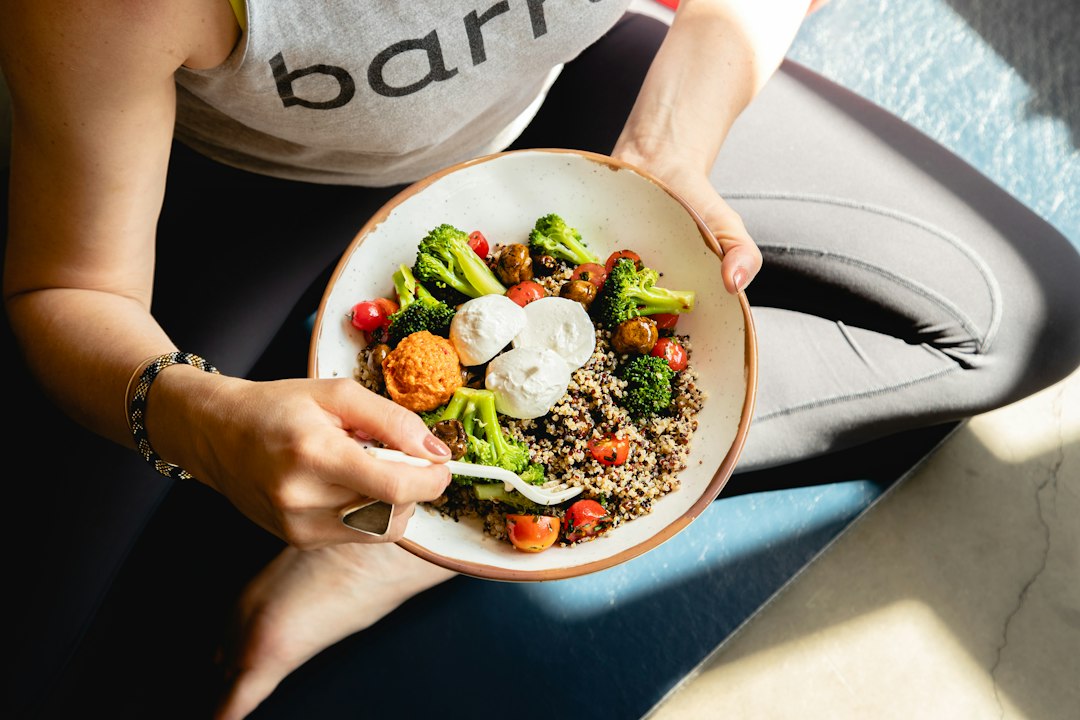
Macro balance sustains energy. Aim for a plate that’s roughly 30 % protein, 40 % complex carbs, and 30 % healthy fats. For example, a breakfast of Greek yogurt (protein) topped with berries (carbs) and a drizzle of almond butter (fat) provides steady fuel that won’t spike blood sugar. This approach aligns with a Mayo Clinic recommendation for a balanced diet that supports healthy eating patterns.
If you’re unsure of exact ratios, start by adding a protein source to every meal—eggs, tofu, chicken, or legumes. Pair it with fiber‑rich carbs like quinoa, sweet potatoes, or brown rice, and finish with a small portion of avocado, nuts, or olive oil for satiety.
The Importance of Hydration
Hydration fuels every cell. Aim for at least 2 liters of water a day, more if you exercise or live in a hot climate. A simple trick is to keep a reusable bottle at your desk and set a phone reminder to take a sip every hour. Proper hydration also helps your body process nutrient‑dense foods more efficiently, supporting overall healthy eating.
Herbal teas, such as dandelion tea, add flavor without calories and can contribute to your daily fluid goal. For a natural electrolyte boost, try a pinch of sea salt and a squeeze of lemon in your water during intense workouts.

Practical Nutrition Tips for Eating Well on a Budget
Smart Shopping Strategies
Plan before you shop. Write a weekly menu, then create a grocery list that sticks strictly to the perimeter of the store—produce, dairy, and meat sections. Buying in bulk for staples like rice, oats, and beans reduces unit cost, and frozen vegetables are often cheaper than fresh while retaining nutrients.
Seasonal produce is another money‑saver. In summer, tomatoes and cucumbers are at their peak; in winter, root vegetables and cabbage become cheaper. Pair these with affordable protein sources such as canned tuna or eggs to keep meals balanced without breaking the bank. A study in the Journal of Nutrition Education found that shoppers who prioritize nutrient‑dense foods while budgeting achieve better health outcomes.
Coconut nutrition guide
Meal Prepping for Success
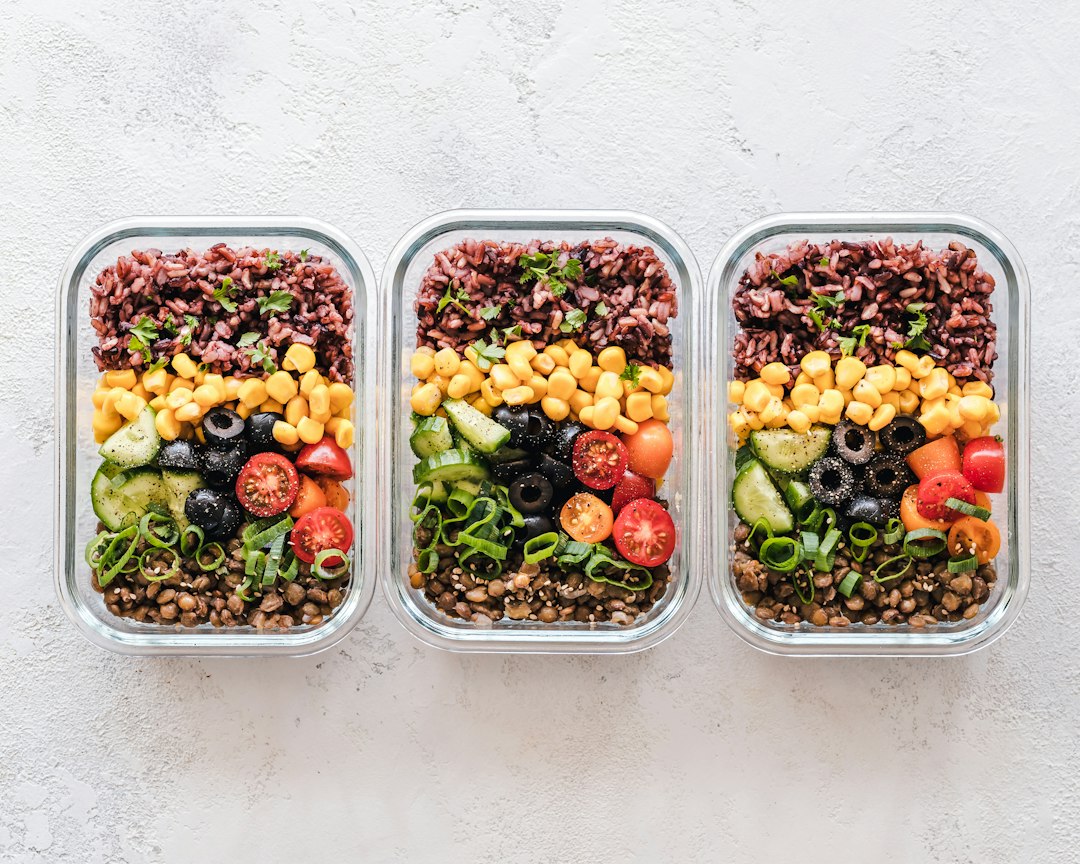
Batch cook to save time and money. Choose one day—usually Sunday—to cook large quantities of grains, legumes, and roasted vegetables. Portion them into containers, then mix and match throughout the week for variety without extra effort.
Invest in a set of airtight containers; they keep food fresh for up to five days and make it easy to grab a balanced meal on the go. When you reheating, add a splash of water or broth to prevent dryness.
Common Nutrition Traps and Pitfalls to Avoid
Spotting Hidden Sugars
Hidden sugars sabotage health. Look for ingredients ending in “‑ose” (fructose, sucrose, maltose) or terms like “high‑fructose corn syrup,” even in savory items such as sauces and dressings. Swapping store‑bought dressings for a simple olive‑oil‑vinegar mix eliminates dozens of grams of added sugar.
Reading nutrition labels is crucial. If a product lists sugar among the first three ingredients, choose a lower‑sugar alternative or make the sauce at home where you control the sweetener.
Avoiding Extreme Restriction
All‑or‑nothing diets backfire. Cutting out entire food groups—like carbs or fats—often leads to nutrient gaps and unsustainable cravings. Instead, aim for moderation: enjoy a small piece of dark chocolate or a slice of whole‑grain bread rather than banning them entirely.
When you slip, don’t view it as failure. Reset by adding a protein‑rich snack or a leafy salad to your next meal, and keep the overall weekly pattern balanced.

Tracking Progress: How to Measure Your Nutritional Wins
Looking Beyond the Scale
Non‑scale victories matter. Notice improvements in energy, sleep quality, and how your clothes fit. A simple journal noting morning energy levels (1‑10) can reveal trends that weight alone hides.
Another objective metric is waist circumference; a reduction of just an inch often signals fat loss and better metabolic health, even if the scale stays steady.
Adjusting Your Plan Over Time
Iterate, don’t stagnate. Review your food log every two weeks. If you notice persistent fatigue, consider adding more iron‑rich foods like spinach or lean red meat. If cravings spike, increase fiber intake with beans or whole‑grain snacks.
Small tweaks keep the plan fresh and prevent boredom. For example, rotate a new vegetable each month—swap broccoli for cauliflower or add kale to smoothies—to maintain nutrient diversity.

According to the U.S. Department of Agriculture’s Nutrition.gov, focusing on nutrient‑dense foods and maintaining a balanced diet are key pillars of long‑term health, reinforcing the evidence‑based tips shared throughout this article.
FAQ
What are the best nutrition tips for a complete beginner?
Start with three easy actions: replace processed snacks with fruit, add a protein source to every meal, and drink at least eight glasses of water daily. Focus on whole foods, use hand‑size portion guides, and keep a simple food journal to track how you feel.
How can I use these nutrition tips while on a tight budget?
Plan meals ahead, shop the store perimeter, buy seasonal produce, and stock up on bulk staples like beans, rice, and oats. Batch‑cook grains and legumes on a weekend, then portion them for quick, low‑cost meals throughout the week.
How do I know if my daily nutrition plan is actually working?
Track non‑scale indicators such as energy levels, sleep quality, and waist circumference. A food log that records how you feel after meals can reveal patterns, while a steady drop in waist size often signals fat loss even if the scale is unchanged.
What are the most common mistakes people make when starting a new diet?
Typical pitfalls include chasing fad diets that eliminate entire food groups, overlooking hidden sugars in “healthy” packaged foods, and neglecting portion control. Instead, aim for balanced macros, read ingredient lists, and make gradual, sustainable changes.
Also Read: 7 Gut-Healthy Foods You Can Grow in a Home Garden
Well, what do you think about the article?
Did you enjoy reading “Nutrition Tips: Where to Start”? We really hope that you have enjoyed.
If you have any thoughts or comments about this post, please feel free to share them in the comment section below. We appreciate your feedback and would be glad to hear from you.
To see more content like this check the Beermoney section of Money For My Beer.

Chief Editor and Website Owner.
Hi, I’m Ryan. I write and edit everything on this site, which means I’m the last set of eyes on every post before it goes live. By day I’m a technical architect. I design and build enterprise systems, apps, websites, and the occasional game.
This site started because I wanted one place where money advice for regular people doesn’t read like it was written by a finance robot. My goal is simple: every article should be genuinely useful, actually tested against what real people are searching for, and written in plain English. No jargon, no “get rich quick,” no advice I wouldn’t follow myself.
You’ll see a lot of topics here that lean on my engineering background: software reviews, tools, and tech-adjacent money stuff. Where a topic needs real financial expertise, I say so plainly and point you to qualified sources rather than pretending.