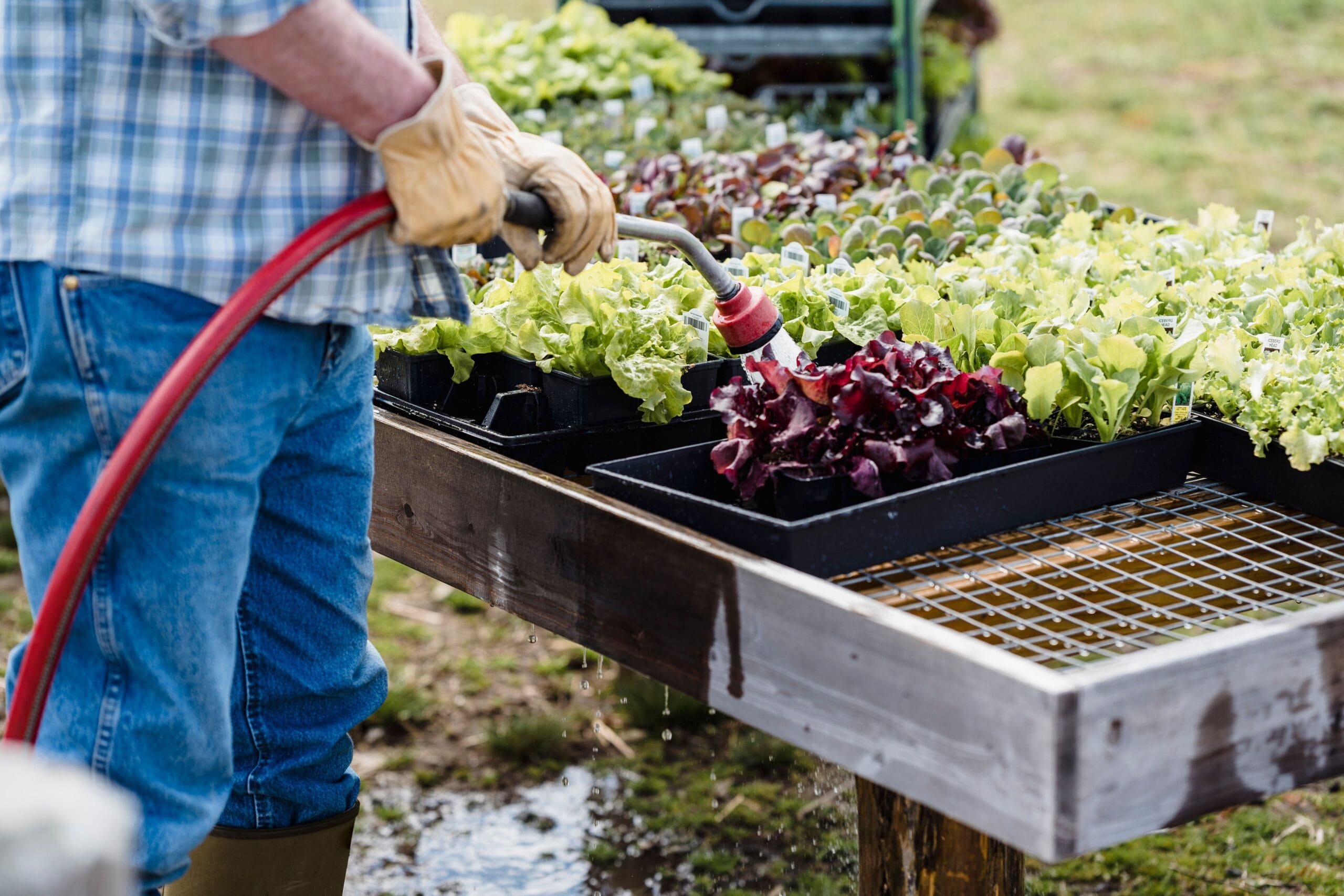
Looking for practical organic soil solutions for your garden? The right amendment can improve soil structure, add organic matter, supply nutrients, protect the soil surface, or correct a specific problem such as excessive acidity.
But there is no single best organic soil amendment for every garden. Compost may be ideal when organic matter is needed, while lime can be useful for acidic soil. Mulch protects exposed soil, cover crops keep living roots in the ground, and materials such as wood ash, gypsum, biochar, and vermicompost have more specific uses.
A soil amendment is a material added to soil to improve or change its physical, chemical, or biological properties. Common examples include compost, composted manure, vermicompost, mulch, lime, gypsum, and biochar. Different amendments serve different purposes, so the right choice depends on your soil and what you are trying to improve.
The key is to match the amendment to the actual soil problem rather than adding several products simply because they are marketed as natural or organic.
Quick Answer: What Are the Best Organic Soil Solutions?
The most useful organic soil solutions for many gardens include finished compost, composted manure, vermicompost, organic mulch and plant residues, cover crops or green manures, targeted mineral amendments, and biochar.
Start by identifying what your soil needs. A soil test can help with pH and nutrient decisions, while simple observations can reveal problems with compaction, drainage, erosion, and soil cover.
For most gardens, finished compost and good soil-cover practices are more fundamental than specialty amendments. The USDA NRCS recommends minimizing unnecessary disturbance, keeping soil covered, increasing plant diversity, and maintaining living roots as core soil-health practices.
Organic Soil Solutions at a Glance
| Solution | Main Purpose | Best Used When |
|---|---|---|
| Finished compost | Add organic matter and nutrients | Soil needs organic matter or structural improvement |
| Composted manure | Add organic matter and plant nutrients | Used carefully as part of a nutrient-management plan |
| Vermicompost | Add organic matter and nutrients | Garden beds and container growing media |
| Organic mulch and plant residues | Protect soil and reduce moisture loss | Exposed soil and planted beds |
| Cover crops and green manures | Protect soil, provide biomass, and support nutrient cycling | Between main crops or during unused growing periods |
| Targeted mineral amendments | Correct specific pH or nutrient-related problems | Only when soil conditions justify them |
| Biochar | Add stable carbon and alter selected soil properties | Specific soil and management situations |
What Is an Organic Soil Amendment?
An organic soil amendment is material added to soil to change or improve its physical, chemical, or biological properties. Common examples include compost, plant residues, manure, and vermicompost.
Some natural mineral materials are also used in organic gardening systems. Lime, gypsum, and wood ash are not organic matter in the same sense as compost, but they can be useful soil amendments when a particular soil condition calls for them.
The term organic can also mean different things depending on context. In home gardening, it is often used broadly for natural or biologically derived materials. Certified organic production has specific rules about which inputs are allowed and how they are used. The USDA National Organic Program provides separate requirements for certified organic production.
For a home garden, the more useful question is not simply whether something is “organic.” It is whether the material is appropriate for the soil, crop, and problem you are trying to address.
1. Finished Compost
Finished compost is one of the most versatile organic amendments for home gardens.
Compost adds organic material to soil and can improve its ability to accept and store water. It also provides a food source for soil organisms and supplies some plant nutrients.
What Compost Does
Depending on the compost and soil, adding compost can:
- Increase organic matter
- Support soil aggregation
- Improve water-related soil properties
- Provide some nutrients
- Support soil organisms
- Improve the physical condition of many soils
How Much Compost Should You Use?
Application rates should depend on the soil, compost, crop, and whether you are establishing a new bed or maintaining an existing one.
As one example, Oregon State University Extension recommends a 3- to 4-inch layer for establishing many new garden beds and a shallower layer of about one-quarter to 1 inch for existing beds. Those figures are guidance for particular gardening situations, not a universal rule for every soil and climate.
Can You Use Too Much Compost?
Yes.
Repeatedly applying large amounts of compost, particularly manure-based compost, can cause nutrients and soluble salts to accumulate.
That is why compost should be treated as a soil amendment rather than an unlimited fertilizer.
2. Composted Manure
Composted animal manure can provide organic matter and plant nutrients. It can be a useful soil amendment when properly processed and applied according to crop and soil needs.
However, manure is generally more nutrient-rich than many plant-based composts, and its nutrient content varies considerably with animal type, feed, bedding, storage, and composting or handling methods.
Use Finished Manure Carefully
For a home vegetable garden, properly composted manure is a more straightforward choice than raw manure.
Food safety is particularly important when growing crops eaten directly by people. The USDA Agricultural Marketing Service provides specific guidance for composted and raw manure in organic crop production.
Do not assume that “aged” manure is equivalent to properly composted manure. Aging and composting are different processes.
When Should You Avoid More Manure?
If a soil test already shows high phosphorus, potassium, or soluble salts, adding additional manure may make the situation worse.
In these situations, choose an amendment based on what the soil actually lacks rather than automatically adding more nutrient-rich organic material.
3. Vermicompost and Worm Castings
Vermicompost is produced when earthworms and associated microorganisms process organic material. The finished material contains worm castings along with decomposed and partially decomposed organic matter.
Vermicompost can be used in garden beds, planting holes, and container growing media.
How to Use Vermicompost
Use vermicompost as an amendment rather than assuming that a container or garden bed should consist entirely of worm castings.
For containers, University of Maryland Extension recommends using vermicompost as part of a growing mix and limiting it to no more than one-quarter of the mix by volume. Pure worm castings can contain relatively high soluble salts, so they should be used carefully around seedlings. See the Extension guidance.
Vermicompost vs. Worm-Bin Leachate
Vermicompost should not be confused with liquid that drains from the bottom of a worm bin.
Vermicompost is the solid material produced by the vermicomposting process. Leachate is liquid that drains through the bin and can have a different composition.
Do not automatically assume that worm-bin leachate is a beneficial liquid fertilizer.
4. Organic Mulch and Plant Residues
Organic mulch is one of the easiest ways to protect soil after adding an amendment.
Suitable materials can include shredded leaves, straw, wood chips, bark, and other appropriate plant residues.
Mulch can:
- Reduce evaporation
- Moderate soil temperature
- Suppress weeds
- Reduce the direct impact of rainfall on exposed soil
- Protect the soil surface
- Add organic material as it decomposes
Mulch Is Different From Compost
Compost is primarily used as a soil amendment. Mulch is primarily used to cover and protect the soil surface.
Both can eventually contribute organic material, but they should not be treated as interchangeable products.
How to Use Organic Mulch
Spread mulch evenly over exposed soil while leaving appropriate space around plant stems and tree trunks.
Do not create thick piles of mulch directly against trunks or crowns.
USDA NRCS identifies maximizing soil cover as a core soil-health principle because cover protects soil from erosion, temperature extremes, and the direct impact of rainfall. See USDA soil-health guidance.
5. Cover Crops and Green Manures
Cover crops are plants grown primarily to protect or improve soil rather than for the main harvest. When their biomass is deliberately incorporated or returned to the soil as part of management, they may also be called green manures.

Cover crops can protect exposed soil, maintain living roots, produce biomass, support nutrient cycling, and reduce erosion.
Legume Cover Crops
Legumes can form symbiotic relationships with nitrogen-fixing bacteria. This allows the plants to obtain atmospheric nitrogen and can contribute nitrogen to the soil system when their biomass is later managed appropriately.
The amount of nitrogen involved depends on the species, biomass produced, growing conditions, and management.
Choosing Cover Crops for Your Garden
Choose species according to your climate, season, available space, water availability, and the crop you intend to grow afterward.
A cover crop that performs well in a temperate climate may not be appropriate for a tropical garden.
In the Philippines, local growing conditions should guide species selection rather than simply copying a seed mix developed for North American gardens.
6. Targeted Mineral Amendments: Lime, Gypsum, and Wood Ash
Not every useful soil amendment is organic matter. Several naturally occurring mineral materials can be useful in organic gardening when they solve a specific problem.
Lime
Agricultural lime is used primarily to raise the pH of acidic soil.
Different lime materials have different neutralizing capacities, so application should be based on a soil test and the material being used.
Do not add lime simply because it is considered a “natural” amendment. Raising pH too far can reduce the availability of certain nutrients.
Gypsum
Gypsum is calcium sulfate. It supplies calcium and sulfur but does not significantly raise soil pH.
Gypsum is sometimes marketed as a universal solution for clay soil, but that claim is too broad.
Gypsum can have specific uses, including some soils affected by excess sodium, but it should be selected for a reason.
Wood Ash
Wood ash is alkaline and can provide potassium and calcium compounds while raising soil pH.
Use only clean wood ash. Do not use ash from treated, painted, or otherwise contaminated materials.
Because wood ash raises pH, it is generally a poor choice for soils that are already alkaline or for acid-loving crops that need acidic conditions.
7. Biochar
Biochar is a carbon-rich material produced by heating biomass under limited oxygen.
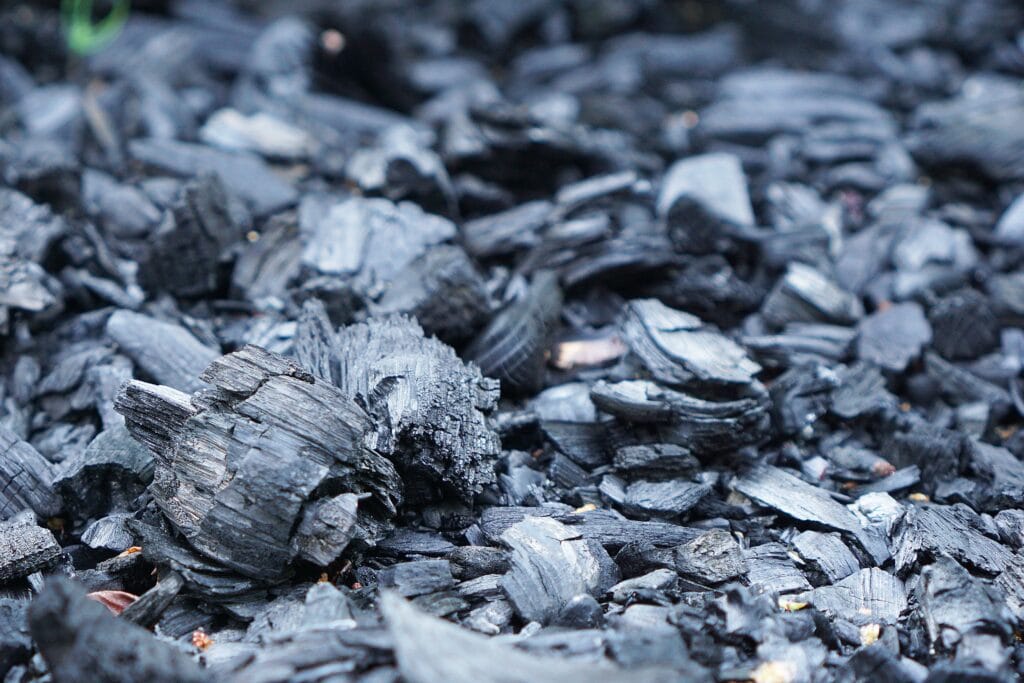
Its properties vary substantially according to the original feedstock and production process. Depending on the material and soil, biochar can influence properties such as soil carbon, pH, water retention, nutrient interactions, and habitat for soil organisms.
However, biochar is not a universal soil amendment.
Recent long-term research from Oregon State University found that biochar effects varied with application rate, crop, and fertilizer management. A one-time application in that study continued to influence soil conditions more than a decade later.
Should You Use Biochar in Every Garden?
No.
Biochar may be worth considering when you have a specific soil-management objective, but it should come after the basics have been addressed.
Because biochar can persist for a long time, applying large amounts without understanding the product or soil can be difficult to reverse.
Does Biochar Need to Be Activated?
There is no universal activation recipe that every gardener needs to follow.
Some gardeners mix biochar with compost or nutrient-containing materials before use. The purpose is generally to introduce nutrients and organic material alongside the carbon-rich biochar.
Do not treat “activation” as a scientifically required step with one standard formula.
How to Choose the Right Organic Soil Solution
Start with the problem rather than the product.
| Your Main Problem | Potential Solution | Check Before Applying |
|---|---|---|
| Low organic matter | Finished compost, plant residues, vermicompost, cover crops | Soil test and overall soil condition |
| Exposed or eroding soil | Mulch, plant residues, cover crops | Rainfall and water movement |
| Acidic soil | Agricultural lime | Soil pH |
| Specific calcium or sulfur need | Gypsum | Soil test and specific soil condition |
| Low pH plus a reason to add potassium | Wood ash may be appropriate | Soil pH and nutrient levels |
| Need for an organic amendment in containers | Vermicompost or suitable compost | Growing-medium composition and salts |
| Specific soil-carbon or water-management objective | Biochar may be appropriate | Product properties, soil, crop, and application rate |
| Need for more living roots between crops | Cover crops or green manures | Climate, season, and next crop |
This approach is more reliable than applying several amendments at the same time.
Organic Soil Solutions for Sandy Soil
Sandy soil generally has relatively large particles and tends to drain quickly. It can also have lower water and nutrient retention than finer-textured soils.
Appropriate organic matter such as finished compost can help improve soil condition, while mulch can reduce evaporation at the surface.
Cover crops and living roots can provide additional biomass and help maintain soil cover.
Biochar may also be useful in some sandy soils, but its effects depend on the specific product and growing system. Do not assume that adding large quantities will automatically solve water or nutrient problems.
Organic Soil Solutions for Clay Soil
Clay soil is not inherently poor soil. Clay particles can hold water and nutrients effectively.
Problems often arise when clay soil becomes compacted, poorly structured, or poorly drained.
Appropriate organic matter can improve soil structure over time, while keeping the soil covered and reducing compaction can help protect that structure.
Avoid working saturated clay because it can damage soil structure.
Do not automatically add small amounts of sand to heavy clay. The University of Maryland Extension warns that adding fine sand to heavy clay can reduce pore space and further slow drainage.
Likewise, gypsum should not be treated as a universal solution for clay soil.
Organic Soil Solutions for Raised Beds
Raised beds give gardeners more control over the growing medium, but that does not mean the bed should be filled entirely with compost.
Use finished compost as part of the growing medium, then protect the surface with mulch or living plants.
For nutrient management, test the soil and account for nutrients already supplied by compost and other organic amendments.
Organic Soil Solutions for Container Gardens
Containers have a much smaller root volume than garden beds, so poor growing-medium choices can cause problems quickly.
Use a suitable container growing medium rather than filling pots with heavy native garden soil.
Vermicompost can be useful as part of a potting mix, but concentrated worm castings should not make up the entire growing medium.
Also remember that nutrients and salts can accumulate in containers more easily than in open soil.
If a container plant is struggling, check drainage, watering, light, root health, and nutrient availability before adding another amendment.
Do Organic Soil Amendments Replace Fertilizer?
Not necessarily.
Some organic amendments contain substantial nutrients, while others primarily affect physical or biological soil properties. Nutrient concentrations also vary considerably among organic materials.
For example, compost and manure can contain phosphorus and potassium in addition to nitrogen. Repeated applications based only on a crop’s nitrogen requirements can cause phosphorus or potassium to accumulate.
The goal is not to avoid fertilizer at all costs. The goal is to supply the nutrients plants actually need without creating unnecessary excess.
How Often Should You Apply Organic Soil Amendments?
There is no universal schedule.
Mulch may need to be replenished as it decomposes, while soil organic matter changes more slowly.
Compost, manure, and other nutrient-rich amendments should not be applied on autopilot every season. Soil-test results, crop needs, amendment quality, and previous applications should all be considered.
Common Organic Soil Amendment Mistakes
Adding Amendments Without Testing the Soil
Not every soil needs more nutrients or a different pH. Test before making significant pH or fertility adjustments.
Adding Too Much Compost
More compost is not automatically better. Excessive applications can cause nutrient and salt problems.
Using Raw Manure Around Food Crops
Raw manure creates additional food-safety considerations. For a simple home garden, mature compost is the more straightforward option.
Using Gypsum as a Universal Clay Fix
Gypsum supplies calcium and sulfur but does not automatically transform clay into better soil.
Adding Wood Ash to Already Suitable Soil
Wood ash raises pH. Applying it without knowing the soil’s pH can create problems.
Using Epsom Salt Without a Nutrient Need
Epsom salt supplies magnesium and sulfur but should not be treated as a general-purpose soil conditioner. The University of Maryland Extension recommends using Epsom salt only when indicated by a soil test.
Treating Biochar as a Miracle Amendment
Biochar performance varies by material, soil, application rate, crop, and management. It is an optional tool, not a requirement for healthy soil.
Using Too Many Amendments at Once
Applying compost, manure, lime, ash, biochar, and fertilizer simultaneously makes it difficult to determine what is actually helping or causing a problem.
How to Build an Organic Soil Amendment Plan
A simple plan makes soil management easier to understand and adjust.
- Test: Check soil pH and nutrient levels when appropriate.
- Identify: Determine whether your main issue is organic matter, fertility, pH, compaction, drainage, erosion, or something else.
- Choose: Select an amendment that directly addresses that problem.
- Apply: Follow a reliable application rate instead of assuming more is better.
- Protect: Use mulch, plant residues, or living plants to protect the soil surface.
- Observe: Monitor soil structure, water movement, roots, and plant performance.
- Retest: Reassess important soil properties over time.
For the broader management principles behind this process, read our guide on how to improve soil health.
For ways to determine whether those improvements are working, see our guide to soil health indicators.
Organic Soil Solutions in Tropical and Philippine Gardens
Gardeners in the Philippines and other tropical regions should consider heavy rainfall, heat, humidity, erosion, and drainage when choosing soil amendments and management practices.
Heavy rain can increase runoff and erosion, making soil cover particularly useful. High temperatures can also increase moisture loss from exposed soil.
Compost, mulch, living plants, and appropriate cover crops can all play useful roles, but amendment rates should still be based on soil and crop needs.
For local soil information, the Department of Agriculture Bureau of Soils and Water Management National Soil Health Program is a useful Philippine resource for soil analysis, soil-health assessment, and nutrient management.
Frequently Asked Questions About Organic Soil Solutions
What is the best organic soil amendment?
There is no universal best amendment. Finished compost is one of the most broadly useful because it adds organic matter and can improve several soil properties, but other amendments are better suited to specific problems.
What is the best natural way to improve soil?
Start by identifying what the soil actually needs. Commonly useful practices include adding appropriate finished compost, keeping soil covered, maintaining living roots, preventing compaction, and managing nutrients based on soil tests.
Does compost improve soil?
Yes. Finished compost can add organic matter, improve water-related soil properties, supply some nutrients, and support soil organisms. The amount should still be appropriate for the soil and crop.
Can you add too much compost?
Yes. Excessive compost applications can cause nutrient accumulation, high soil pH, and soluble-salt problems. This is particularly important with manure-based compost.
Is composted manure good for garden soil?
It can be a useful source of organic matter and nutrients when properly processed and applied appropriately. Because nutrient concentrations vary, soil testing and careful application are important.
Are worm castings good for soil?
Vermicompost and worm castings can be useful organic amendments for garden beds and container growing media. Use them in moderation because concentrated worm castings can contain soluble salts.
Is gypsum good for clay soil?
Not automatically. Gypsum supplies calcium and sulfur and does not substantially raise pH, but it is not a universal solution for clay soil. Its usefulness depends on the specific soil condition.
Does wood ash improve soil?
Wood ash can supply potassium and calcium compounds and raise soil pH. It may be useful for some acidic soils, but it should not be applied routinely without considering soil pH and nutrient levels.
Is biochar good for garden soil?
Biochar can be useful in some soil systems, but its effects depend on the material, soil, crop, application rate, and management practices. It is an optional amendment rather than a requirement.
Are cover crops good for soil?
Yes. Cover crops can protect soil, maintain living roots, contribute biomass, reduce erosion, and support nutrient cycling. Legume cover crops can also contribute biologically fixed nitrogen.
Can I use organic amendments instead of fertilizer?
Sometimes, but not always. Organic amendments supply nutrients at different rates and proportions. Soil testing can show whether additional nutrients are actually needed.
How often should I add compost to my garden?
There is no universal schedule. Established beds often need less compost than new beds, and repeated applications should account for existing soil nutrient levels and the compost’s properties.
Can I use compost tea as an organic soil amendment?

Compost tea is a liquid extract rather than a substantial source of soil organic matter. It can be an optional gardening practice, but it should not replace finished compost or other fundamental soil-building practices.
For preparation methods and safety considerations, see our guide to compost tea recipes.
The Bottom Line
The best organic soil solutions are the ones that solve an actual soil problem.
Use finished compost when organic matter is needed, composted manure when appropriate nutrient inputs are justified, vermicompost for suitable beds and growing media, mulch to protect exposed soil, cover crops to maintain living roots and biomass, targeted mineral amendments for specific chemical problems, and biochar only when its properties suit your soil and management goals.
Do not assume that natural means unlimited or that every garden benefits from every amendment. Too much of a useful material can create new problems.
For the broader practices that build healthy soil, read our guide on how to improve soil health. To measure whether your soil is improving, see our guide to soil health indicators.
Sources and Further Reading
This article was reviewed against government agricultural guidance and university Extension resources. Soil-amendment recommendations can vary substantially with soil type, climate, crop, amendment quality, and management history.
- USDA NRCS: Soil Health Management
- USDA NRCS: Role of Organic Matter
- USDA NRCS: Cover Crops for Soil Health
- USDA Agricultural Marketing Service: Compost and Vermicompost in Organic Crop Production
- USDA Agricultural Marketing Service: Organic Labeling
- Oregon State University Extension: How to Use Compost in Gardens and Landscapes
- University of Maryland Extension: Organic Matter and Soil Amendments
- University of Maryland Extension: Common Soil Problems
- University of Maryland Extension: Cover Crops for Gardens
- University of Maryland Extension: Vermicomposting
- University of Minnesota Extension: Problems Caused by Too Much Compost and Manure
- Penn State Extension: Using Organic Nutrient Sources
- Oregon State University Extension: Biochar Research
- Philippine DA-BSWM: National Soil Health Program
Editorial note: Soil amendments should be selected according to the specific soil, crop, climate, and management conditions. For significant pH, nutrient, salinity, drainage, or contamination concerns, use appropriate laboratory testing and local agricultural guidance.
Also Read: 7 Plant-Based Garden Foods for Gut Health & Wellness
Well, what do you think about the article?
Did you enjoy reading “Organic Soil Solutions: 7 Amendments for Healthier Garden Soil”? We really hope that you have enjoyed.
If you have any thoughts or comments about this post, please feel free to share them in the comment section below. We appreciate your feedback and would be glad to hear from you.
To see more content like this check the Gardening section of Money For My Beer.

Chief Editor and Website Owner.
Hi, I’m Ryan. I write and edit everything on this site, which means I’m the last set of eyes on every post before it goes live. By day I’m a technical architect. I design and build enterprise systems, apps, websites, and the occasional game.
This site started because I wanted one place where money advice for regular people doesn’t read like it was written by a finance robot. My goal is simple: every article should be genuinely useful, actually tested against what real people are searching for, and written in plain English. No jargon, no “get rich quick,” no advice I wouldn’t follow myself.
You’ll see a lot of topics here that lean on my engineering background: software reviews, tools, and tech-adjacent money stuff. Where a topic needs real financial expertise, I say so plainly and point you to qualified sources rather than pretending.