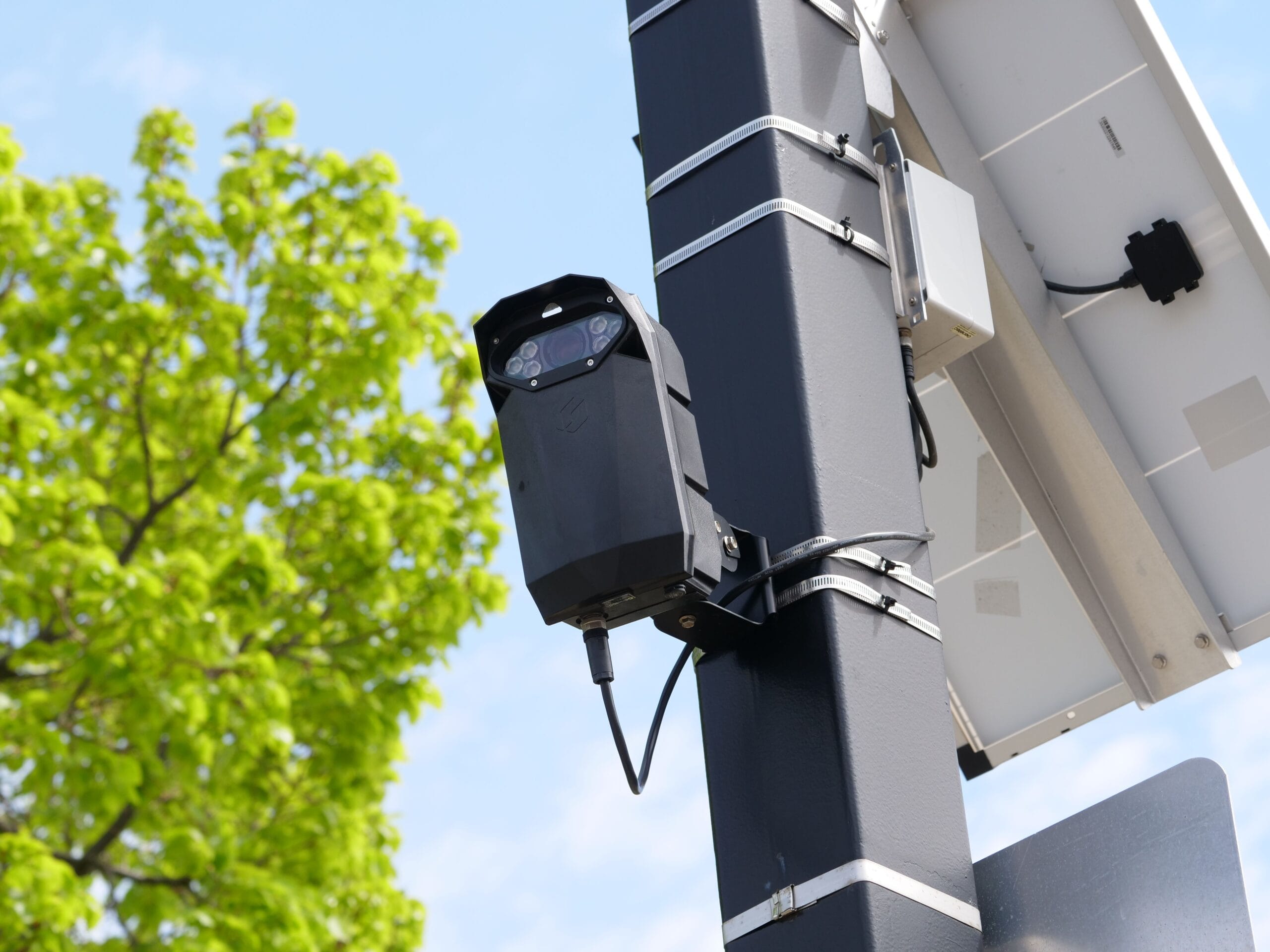
Smart garden sensors can help you understand what is happening in your garden without relying entirely on guesswork. Depending on the device, a sensor can monitor soil moisture, soil temperature, air temperature, humidity, rainfall, light, soil pH, or electrical conductivity (EC).
For many home gardeners, a soil moisture sensor is the most useful place to start. It can show how wet the root zone is and provide additional information when deciding whether irrigation is needed. Some connected systems can also send readings to a phone or work with an irrigation controller.
But smart sensors are not magic. A reading only becomes useful when you understand what the sensor is measuring, where it is installed, and how its data relates to your particular soil, plants, weather, and watering system.
This guide explains what smart garden sensors do, the main types available, how to choose one, where to install it, how sensors can support smarter watering, and whether they are actually worth buying.
Last checked: October 6, 2026
What Is a Smart Garden Sensor?
A smart garden sensor is a device that measures a condition in or around a growing area and, depending on the product, sends that information to a display, smartphone app, data logger, smart-home system, or irrigation controller.
Some sensors simply provide a measurement. Others record historical readings, send notifications, or communicate with another device that can make an automated irrigation decision.
For example, a basic soil moisture sensor may tell you that the soil is becoming drier. A connected sensor may also show the reading in an app. A compatible irrigation system can go one step further and use soil moisture information to help determine whether watering should occur.
The U.S. Environmental Protection Agency’s WaterSense program describes soil moisture-based irrigation controllers as systems that use soil moisture information to help determine whether an irrigation event should be allowed or prevented.
That distinction matters when shopping. A sensor does not automatically mean an automated irrigation system. Always check what the specific product can measure and what it can control.
What Do Smart Garden Sensors Measure?
| Sensor type | What it measures | Useful for |
|---|---|---|
| Soil moisture sensor | Soil water content or soil water tension | Watering decisions and irrigation scheduling |
| Soil temperature sensor | Temperature within the soil | Seed starting, planting timing, and root-zone monitoring |
| Weather or microclimate sensor | Air temperature, humidity, and sometimes rainfall, wind, or other weather variables | Outdoor gardens, greenhouses, and localized weather monitoring |
| Light sensor | Light intensity, depending on the device | Indoor growing, greenhouses, and checking light conditions |
| Soil pH or EC sensor | Soil acidity or electrical conductivity | Soil troubleshooting and monitoring in specific growing systems |
You do not need every type. The best sensor is the one that answers a question you actually have about your garden.
1. Soil Moisture Sensors
Soil moisture sensors are usually the most practical smart garden sensors for home gardeners. They help answer one of the most common gardening questions: does the soil around the roots currently contain enough water?
Not all moisture sensors work in the same way. Some estimate volumetric water content, while others measure soil water tension, which describes how strongly water is held by the soil.
University of Minnesota Extension explains that soil moisture sensors fall broadly into these two groups and that different technologies have different strengths, limitations, and calibration requirements.
Why Use a Soil Moisture Sensor?
A moisture sensor can help you move away from watering simply because a calendar says it is time.
This can be useful when:
- your soil dries quickly during hot or dry weather;
- different areas of the garden have different soil conditions;
- you grow plants in containers;
- you use drip irrigation or automated watering;
- you travel and want remote monitoring; or
- you want to understand how quickly a particular garden bed dries after rain or irrigation.
The EPA says soil moisture-based irrigation controllers can override scheduled watering when plants do not need additional water. For WaterSense-labeled products, the agency reports an average potential saving of more than 15,000 gallons of water per year for a home with an automatic landscape irrigation system. That figure applies to the specific WaterSense context, so it should not be interpreted as a guaranteed saving for every garden or sensor. EPA WaterSense provides the details.
How Accurate Are Soil Moisture Sensors?
Accuracy depends on the sensor technology and the conditions where it is used.
University of Minnesota Extension notes that factors such as soil salinity, clay content, temperature, and bulk density can affect some sensor types. Site-specific calibration can also improve results for certain technologies.
That means a percentage shown by an inexpensive consumer device should not automatically be treated as a universal “water now” number.
A more useful approach is to learn how the readings behave in your own garden. Compare sensor data with recent rainfall, irrigation, soil conditions, and plant response before relying on a particular threshold.
Smart Sensor vs. Simple Soil Moisture Meter
A simple moisture meter can be enough for a gardener who only wants to check a plant occasionally. A smart moisture sensor becomes more useful when you want continuous readings, historical data, notifications, remote monitoring, or integration with an irrigation system.
In other words, you are paying for convenience and connectivity as well as the measurement itself.
2. Soil Temperature Sensors
Soil temperature sensors measure the temperature of the growing medium around a plant’s root zone. They can be useful when starting seeds, transplanting crops, or growing plants whose germination or early growth depends on suitable soil temperatures.
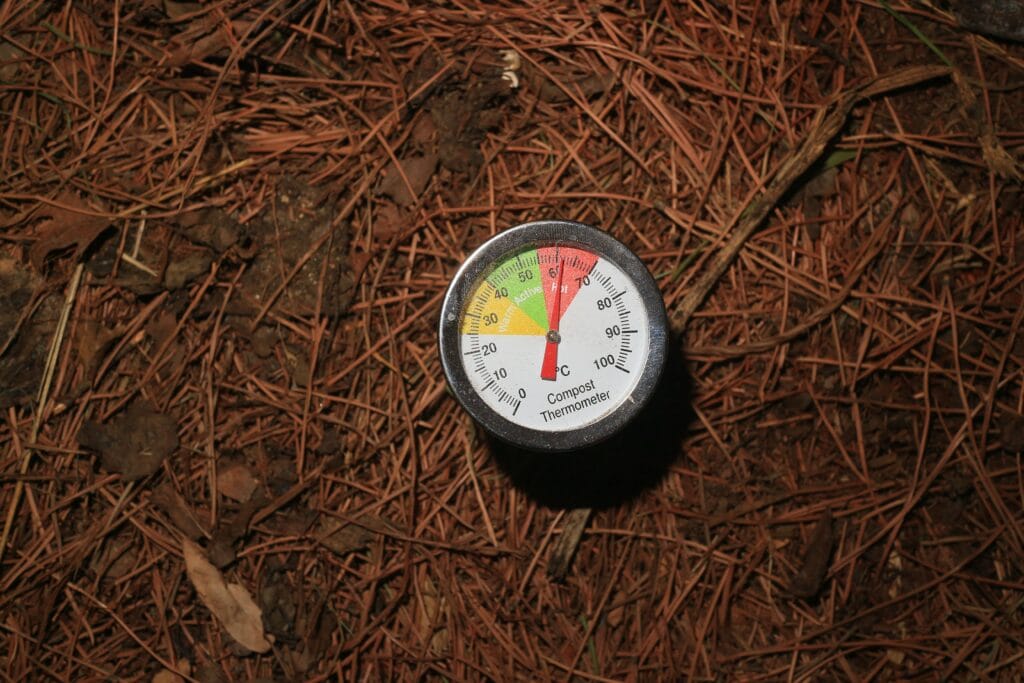
A connected sensor can be helpful when you want continuous monitoring rather than taking a single measurement with a handheld soil thermometer.
Who Should Use a Soil Temperature Sensor?
- Seed starters: Useful when germination depends on maintaining a suitable temperature range.
- Greenhouse growers: Helpful for monitoring conditions in enclosed growing spaces.
- Vegetable gardeners: Useful during planting and transplanting periods.
- Experimental gardeners: Helpful when tracking seasonal soil changes.
For a small garden where you only need an occasional reading, a conventional soil thermometer may provide all the information you need.
3. Weather and Microclimate Sensors
Weather and microclimate sensors can monitor conditions such as air temperature and relative humidity. Depending on the device, a weather station may also measure rainfall, wind speed, wind direction, solar radiation, or other variables.
The reason this can matter is that your garden does not necessarily experience the same conditions shown by a weather station several kilometers away.
Buildings, walls, trees, slopes, paving, shade, and wind exposure can create local differences in temperature and moisture. Penn State Extension notes that even different parts of the same backyard can have distinct microclimates.
When Is a Garden Weather Sensor Useful?
A local weather sensor can be particularly useful for:
- greenhouses and enclosed growing areas;
- gardens with strong sun and shade differences;
- heat-sensitive plants;
- gardens where local conditions differ noticeably from the nearest weather station; and
- gardeners who want their own historical record of conditions.
Placement matters. A temperature sensor installed against a hot wall or directly under a roof may record conditions that do not represent the wider garden.
4. Light Sensors
Light sensors can help you understand how much light reaches a growing area. They can be useful indoors, in greenhouses, or in outdoor locations where buildings and trees create complicated patterns of sun and shade.
However, not every light sensor measures light in a way that is equally useful for plants.
Consumer devices may report brightness using units such as lux, while horticultural equipment can use measurements designed to describe light available for photosynthesis. University of Minnesota Extension explains that plant lighting involves factors including light intensity and the type of light available.
When Should You Use a Light Sensor?
A light sensor can help answer questions such as:
- Does this location receive enough light for the plant I want to grow?
- How much light is lost because of a nearby building or tree?
- Does my indoor growing area receive consistent light?
- Which part of a greenhouse receives the most useful light?
For a simple outdoor vegetable garden, observing sun exposure may be sufficient. A sensor becomes more useful when the growing environment is difficult to judge by eye or when you want to compare several growing locations.
5. Soil pH and Electrical Conductivity Sensors
Some smart gardening devices measure soil pH, electrical conductivity (EC), or both. These measurements can be useful, but they require more care when interpreting the results.
Why Does Soil pH Matter?
Soil pH affects the availability of nutrients to plants. Many fruits and vegetables grow well in a slightly acidic to neutral range, but the ideal range depends on the crop.
University of Minnesota Extension identifies soil pH as one of the important properties measured by a soil test. For many fruits and vegetables, a pH around 6.0 to 7.0 is common, although plants such as blueberries require more acidic conditions. University of Minnesota Extension provides examples of crop-specific pH requirements.
That is why it is a mistake to force every garden toward a single “ideal” pH.
What Does EC Measure?
Electrical conductivity is related to the concentration of dissolved salts in a soil or growing solution. Depending on the growing system, EC can provide useful information about salinity or nutrient conditions.
However, EC is not simply a universal measure of “soil health.” Its meaning depends on the soil, crop, growing medium, moisture conditions, and measurement method.
Are Home Soil Meters Accurate?
They can be convenient for basic monitoring, but they should not automatically be treated as laboratory instruments.
That makes a consumer pH or EC meter more appropriate for additional monitoring or troubleshooting than for making major soil amendments based on one reading.
For a broader look at soil conditions and how gardeners can improve them, see our guides to soil health indicators and how to improve soil health.
How Do Smart Garden Sensors Work?
The basic process is straightforward.
- The sensor measures something. This might be soil moisture, temperature, light, humidity, pH, or another condition.
- The device processes the reading. Some sensors display the information locally, while connected models may send it to an app or gateway.
- You interpret the data. The reading needs to be considered alongside the plant, soil, weather, and growing conditions.
- You take action. That might mean watering, moving a container, adjusting ventilation, changing a plant’s location, or simply continuing to monitor the garden.
More sophisticated systems can add automation. But the usefulness of the system still depends on the quality of the measurement and whether the sensor is installed in a representative location.
How to Choose a Smart Garden Sensor
Start with the gardening problem, not with the gadget.
1. Decide What You Need to Measure
Ask yourself what information would actually change what you do.
For example, if your main problem is inconsistent watering, a soil moisture sensor is more relevant than a device that measures five unrelated variables.
2. Check What the Device Actually Measures
Marketing terms can be vague. Look for the actual measurement being reported and the units used.
For soil moisture in particular, check whether the sensor reports volumetric water content, soil water tension, or a proprietary score.
3. Check Connectivity
Connectivity varies by product. Some devices use Bluetooth, others use Wi-Fi, a proprietary wireless connection, or a separate gateway.
Wi-Fi can be useful for remote monitoring, while Bluetooth may be perfectly adequate when the sensor and phone are nearby.
Also check what happens if your internet connection goes down. A device that stops recording without cloud access may be less useful in an area with unreliable connectivity.
4. Check Battery and Maintenance Requirements
Look at battery life, battery type, charging requirements, weather resistance, replacement parts, and sensor maintenance.
Do not automatically assume that a solar-powered sensor is more environmentally friendly than every battery-powered alternative. The environmental impact of an electronic device depends on its materials, manufacturing, energy use, durability, battery system, and end-of-life handling.
5. Check Compatibility With Irrigation Equipment
A sensor that only reports moisture is different from a sensor system that can control irrigation.
Before buying, check whether the device works with the irrigation controller, valves, hub, or smart-home platform you already use.
The EPA WaterSense program distinguishes soil moisture-based irrigation controllers from weather-based irrigation controllers, so it is worth understanding which approach a product actually uses.
6. Consider Whether You Need an App
An app can be useful for historical data and alerts, but it can also add another dependency.
Check whether the product requires an account, cloud service, subscription, or internet connection for basic functionality. Long-term software support can matter just as much as the sensor hardware.
How to Install a Smart Soil Moisture Sensor Correctly
Good installation is essential. Even a well-designed sensor can give misleading information when it is placed in the wrong part of the garden or does not have proper contact with the surrounding soil.
Place the Sensor in the Relevant Root Zone
The sensor should monitor the part of the soil that matters to the plants you are trying to manage.
Oregon State University Extension recommends placing moisture sensors within the effective rooting depth and using multiple depths where appropriate to understand how water is distributed through the soil profile.
Choose a Representative Location
Do not place the sensor directly beside a leaking emitter or in an unusually dry patch unless that is specifically what you want to monitor.
For larger or variable growing areas, more than one monitoring location may be appropriate. University of Minnesota Extension recommends considering differences in soil type and placing sensors in representative areas rather than assuming that one location represents everything.
Maintain Good Soil Contact
Follow the manufacturer’s installation instructions and make sure the sensing area has good contact with the surrounding soil.
University of Minnesota Extension specifically notes the importance of direct soil contact and minimal soil disturbance during sensor installation.
Compare Sensor Data With the Real Garden
When you first install a sensor, treat the readings as information to learn from rather than instructions that must always be followed.
Compare the readings with recent rain, irrigation, the feel of the soil, drainage conditions, and how the plants are behaving.
Over time, this gives you a much better understanding of what the sensor’s readings mean in your own garden.
Can Smart Garden Sensors Save Water?
Yes, they can help improve irrigation decisions, particularly when soil moisture information is used to avoid unnecessary watering.
The strongest use case is irrigation scheduling. Instead of running a fixed schedule regardless of current soil conditions, a soil moisture-based system can use actual measurements to help determine whether irrigation should occur.
The EPA says soil moisture-based irrigation controllers can override scheduled watering when the landscape does not need additional water. EPA WaterSense explains how these systems work and how their performance is evaluated.
However, a sensor cannot fix every irrigation problem.
A leaking hose, blocked emitter, poor drainage, excessive irrigation duration, or badly placed sensor can still cause problems. The sensor is one part of the system, not a substitute for sound garden and irrigation practices.
The USDA Natural Resources Conservation Service also describes soil moisture monitoring as a tool that can be used as part of irrigation water management. NRCS guidance notes that tools such as tensiometers, granular matrix sensors, and electronic moisture sensors can help gardeners and growers assess soil moisture.
Smart Sensors and Drip Irrigation
Smart sensors can complement drip irrigation, especially when the goal is to make watering more responsive to actual soil conditions.
A simple automated arrangement might include:
- a soil moisture sensor;
- an irrigation controller or compatible control device;
- a valve; and
- a drip irrigation system.
Depending on the equipment, the sensor may only provide information, or it may be capable of influencing an irrigation decision.
For a small garden, manually checking a sensor may be simpler than building a fully automated system. Automation becomes more attractive when a garden is larger, more complex, or difficult to monitor consistently.
Are Smart Garden Sensors Worth It?
Smart garden sensors are worth considering when they solve a real problem.
They can be particularly useful for:
- container gardening, where growing media can dry relatively quickly;
- greenhouses;
- automated irrigation systems;
- gardens with different soil or exposure conditions;
- gardeners who travel frequently; and
- people who want historical data rather than occasional manual checks.
They may be unnecessary for someone growing a few hardy plants in a small bed where checking the soil manually is quick and easy.
The goal is not to collect the most data. The goal is to collect useful data that improves a gardening decision.
Best Smart Garden Sensor for Beginners
For most beginners, a reliable soil moisture sensor is the easiest starting point.
It addresses a common problem, can be useful with manual watering, and can support more advanced irrigation later if the sensor and controller are compatible.
Add other sensors only when they answer a specific question:
- Soil temperature: Useful for seed starting and planting decisions.
- Weather sensor: Useful for local temperature and humidity monitoring.
- Light sensor: Useful for indoor growing and complicated light conditions.
- pH or EC sensor: Useful for specific monitoring needs, but not a replacement for laboratory soil testing.
For more basic gardening guidance before investing in smart technology, see our complete gardening guide.
Common Smart Garden Sensor Mistakes
Relying on One Reading
A single sensor reading rarely tells the whole story. Consider weather, recent irrigation, soil type, plant needs, and drainage as well.
Installing the Sensor in the Wrong Place
A sensor located beside an irrigation emitter, underneath a tree, or in another unusual microclimate may not represent the conditions affecting the rest of the garden.
Assuming Every Percentage Means the Same Thing
A “30% moisture” reading does not necessarily mean the same thing across different technologies and soils. Check what the device actually measures before comparing readings.
Using a Consumer pH Meter as a Laboratory Test
When you need dependable information for correcting soil pH or nutrient problems, a laboratory soil test is generally more appropriate than relying on a consumer meter alone.
Automating Before Understanding the Garden
Automation is easier to manage after you understand how your garden behaves.
Observe how quickly the soil dries, how rainfall affects the root zone, and how different sections of the garden respond to irrigation. Then use those observations to configure your sensor system.
Frequently Asked Questions About Smart Garden Sensors
Do smart garden sensors really work?
Yes, when the sensor is appropriate for the job and installed correctly. Soil moisture sensors, for example, can provide useful information for irrigation scheduling. The quality of the result depends on the sensor technology, soil conditions, placement, and how the readings are interpreted.
What is the best smart garden sensor for beginners?
For many beginners, a soil moisture sensor is the most useful starting point because it addresses a common watering problem. A more basic soil moisture meter may be enough when you only want occasional manual readings.
Do smart garden sensors need Wi-Fi?
No. Connectivity depends on the device. Some use Bluetooth, Wi-Fi, a proprietary wireless connection, or a separate gateway. Choose the connection method based on how far the sensor is from you and whether you need remote access.
Can I use a smart moisture sensor in a container?
Yes. Container plants can be a useful application because the growing medium can dry faster than a larger garden bed. Place the sensor according to the plant’s root zone and the manufacturer’s instructions.
Can a soil moisture sensor tell me exactly when to water?
It can provide useful information for deciding when irrigation may be necessary, but there is no universal moisture number that applies to every plant, soil, and sensor. Use the reading together with crop needs, weather, drainage, and other observations.
How accurate are cheap soil moisture sensors?
Accuracy varies by product and measurement technology. Low-cost sensors can still be useful for observing trends, but you should not automatically assume that every displayed number is laboratory-grade or directly comparable with readings from another device.
How often should I calibrate a soil moisture sensor?
There is no single calibration schedule that applies to every sensor. Follow the manufacturer’s instructions. Some technologies benefit from site-specific calibration, while other devices may use factory calibration or different measurement approaches.
Can smart garden sensors control an irrigation system?
Some can, but not all. A sensor may only report data, while a compatible soil moisture-based irrigation controller can use sensor information to allow or prevent irrigation. Check the compatibility requirements before buying.
Are smart pH meters better than a soil test?
Not necessarily. When you need dependable information about soil pH and nutrient levels, a laboratory soil test is generally the better choice. Home devices can provide additional information, but they should not automatically replace professional soil testing.
Final Thoughts
Smart garden sensors are most useful when they answer a specific gardening question.
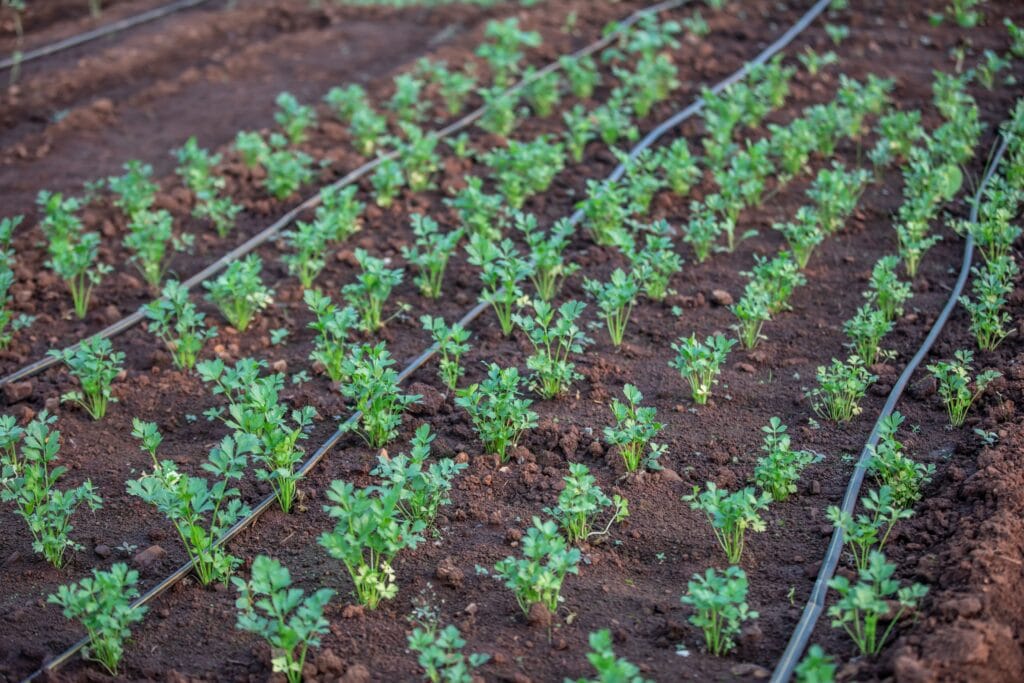
For many home gardeners, that question is simple: does the root zone actually need more water? A good soil moisture sensor can make that question easier to answer and can provide a useful foundation for smarter irrigation.
Soil temperature, weather, light, pH, and EC sensors can add more information when your garden has a specific need for those measurements.
The most important point is that technology does not replace basic gardening practice. Healthy soil, appropriate plants, suitable growing conditions, good drainage, sensible irrigation, and regular observation still matter more than the number of sensors connected to your phone.
For more practical gardening fundamentals, continue with our complete gardening guide.
Sources and Further Reading
- U.S. EPA WaterSense: Soil Moisture-Based Irrigation Controllers
- U.S. EPA WaterSense: WaterSense Labeled Controllers
- University of Minnesota Extension: Soil Moisture Sensors for Irrigation Scheduling
- Oregon State University Extension: Soil Moisture Monitoring to Support Irrigation Scheduling
- Oregon State University Extension: How Do I Test My Garden Soil?
- University of Minnesota Extension: Soil Testing for Lawns and Gardens
- University of Minnesota Extension: Lighting for Indoor Plants and Starting Seeds
- Penn State Extension: Getting to Know Your Yard’s Microclimates
- USDA Natural Resources Conservation Service: Irrigation and Water Management
- USDA NRCS: Irrigation Water Management for Small-Scale Operations
Also Read: Choosing The Best Garden Fence Panel: A Comprehensive Guide
Well, what do you think about the article?
Did you enjoy reading “Smart Garden Sensors: Types, Benefits, Setup & Buying Guide”? We really hope that you have enjoyed.
If you have any thoughts or comments about this post, please feel free to share them in the comment section below. We appreciate your feedback and would be glad to hear from you.
To see more content like this check the All The Other Things section of Money For My Beer.

Chief Editor and Website Owner.
Hi, I’m Ryan. I write and edit everything on this site, which means I’m the last set of eyes on every post before it goes live. By day I’m a technical architect. I design and build enterprise systems, apps, websites, and the occasional game.
This site started because I wanted one place where money advice for regular people doesn’t read like it was written by a finance robot. My goal is simple: every article should be genuinely useful, actually tested against what real people are searching for, and written in plain English. No jargon, no “get rich quick,” no advice I wouldn’t follow myself.
You’ll see a lot of topics here that lean on my engineering background: software reviews, tools, and tech-adjacent money stuff. Where a topic needs real financial expertise, I say so plainly and point you to qualified sources rather than pretending.