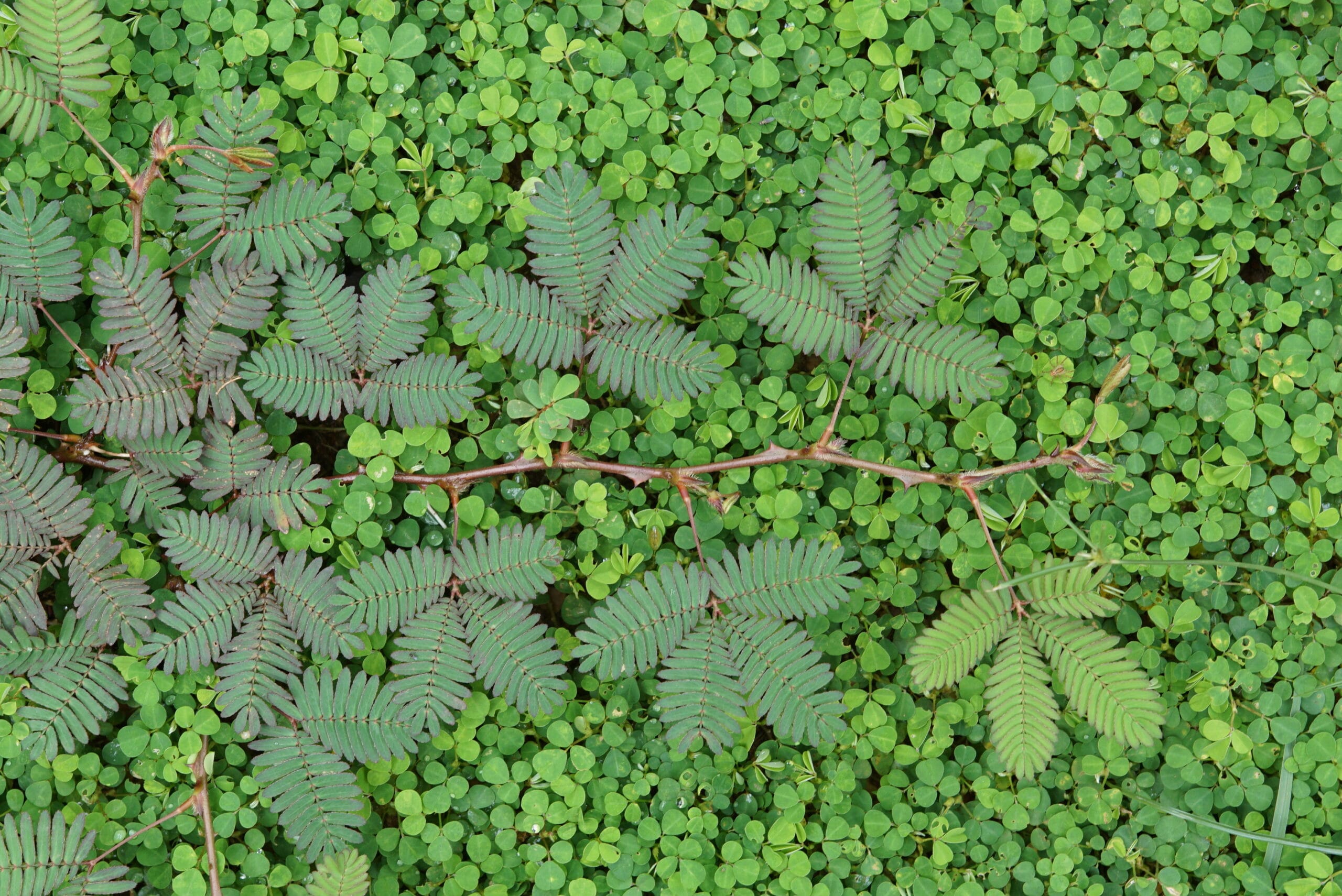
Makahiya (Mimosa pudica L.) is a tropical plant known for folding its leaves when touched. It has a history of use in traditional medicine, and researchers have investigated its extracts for potential antioxidant, anti-inflammatory, antimicrobial, and other biological activities. However, these potential benefits have not been established as effective medical treatments in humans.
Understanding makahiya means looking at both its traditional uses and the available scientific evidence. This guide explains what the plant is, its reported medicinal uses, the potential benefits researchers have investigated, and important safety considerations.
Quick Facts About Makahiya
- Scientific name: Mimosa pudica L.
- Common names: Makahiya, sensitive plant, and touch-me-not.
- Plant family: Fabaceae, the legume family.
- Distinctive feature: Its leaflets fold inward and its leaves droop in response to touch or other stimuli.
- Native range: Mexico to tropical America. The species has been introduced to many other tropical regions, including the Philippines.
- Traditional uses: Reported uses include remedies for digestive complaints, wounds, hemorrhoids, and certain urinary complaints.
- Research status: Researchers have investigated several potential biological activities, but the findings do not establish proven medicinal benefits in humans.
- Safety concern: The plant contains mimosine, which can be toxic in large doses.
What Is Makahiya?
Makahiya is a low-growing, prickly herb best known in the Philippines for its unusual response to touch. Its scientific name is Mimosa pudica L. The plant belongs to the Fabaceae family, which includes legumes such as beans and peas.
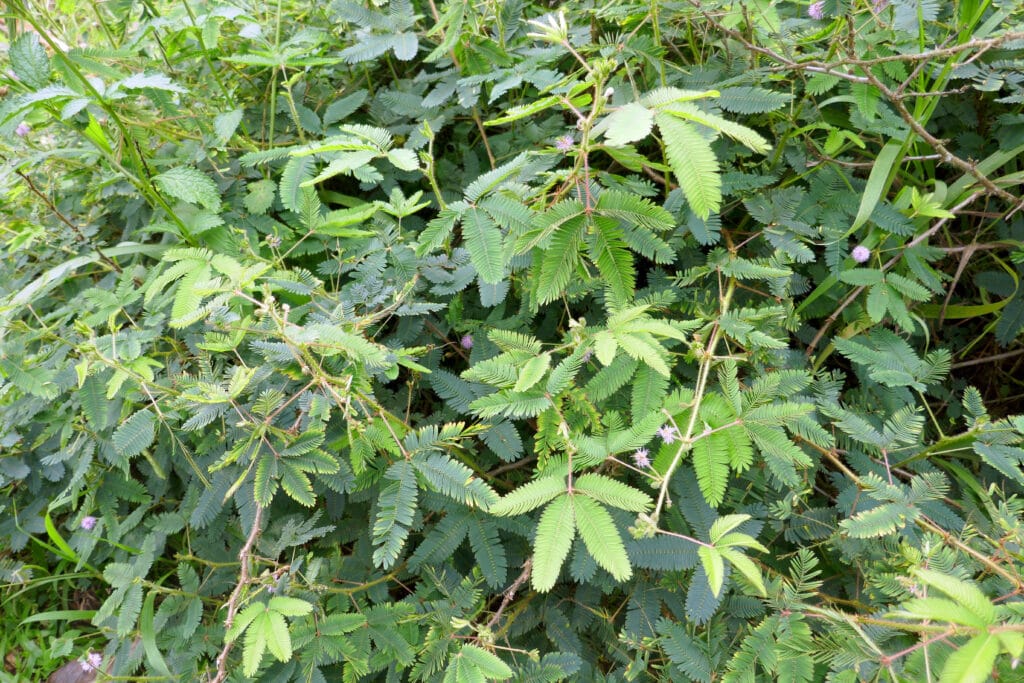
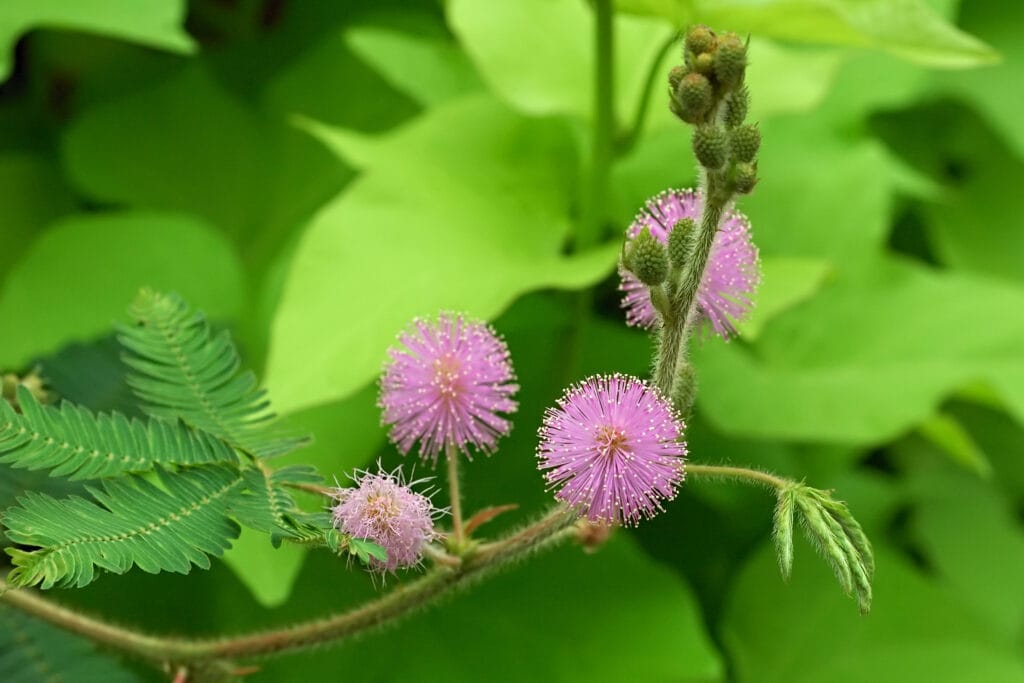
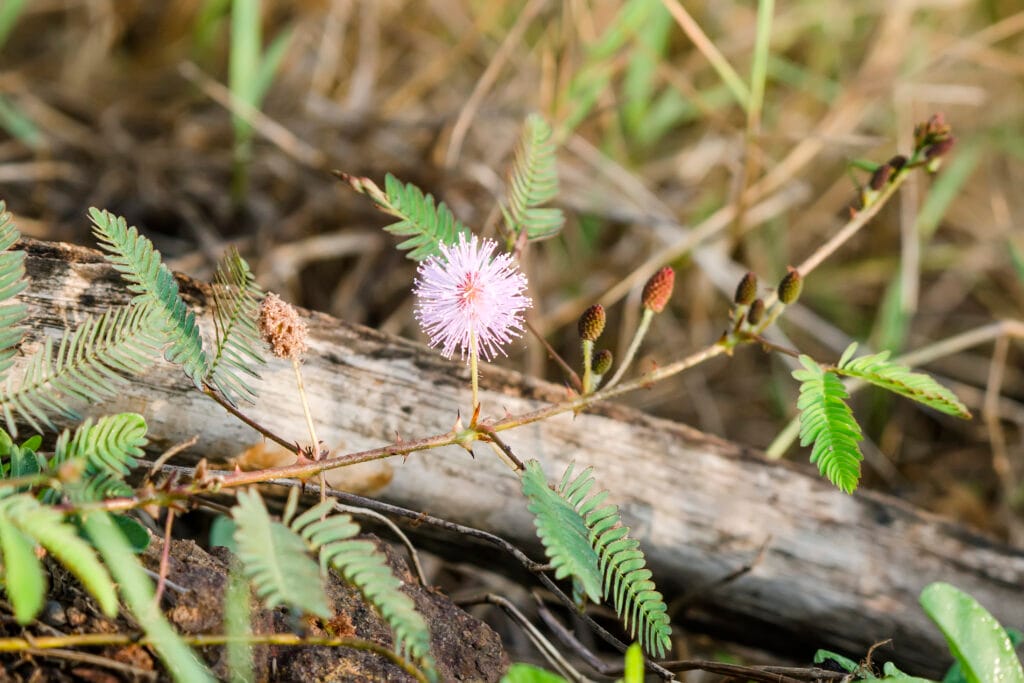
Makahiya has compound leaves made up of many small leaflets, stems that may have sharp prickles, and rounded clusters of pink or purplish flowers. It can grow in open areas, along roadsides, and in other suitable tropical habitats.
When a leaf is touched or disturbed, its leaflets fold inward and the leaf may droop. This movement involves changes in water pressure within specialized plant tissues. It is a natural physiological response that helps make the sensitive plant distinctive.
Although makahiya is familiar in the Philippines, its native range is in Mexico and tropical America. It has been introduced to many parts of the world, where it may grow as a wild plant or become troublesome in certain environments.
For more botanical information, see the Royal Botanic Gardens, Kew profile of Mimosa pudica.
Traditional Medicinal Uses of Makahiya
Makahiya has been used in traditional medicine in different parts of the world. Published botanical and scientific reviews describe remedies made from its leaves, roots, or other plant parts. The specific preparations and intended uses vary between regions and traditions.
Reported traditional uses include:
- Digestive complaints: Traditional medicinal practices have used makahiya preparations for diarrhea and dysentery.
- Wounds and skin complaints: Some traditional practices involve applying plant preparations to wounds, sores, or other skin problems.
- Hemorrhoids: The plant has been used in traditional remedies for hemorrhoids, sometimes referred to as piles.
- Urinary complaints: Traditional sources describe its use in remedies for certain urinary problems.
These examples describe traditional practices, not proven medical treatments. Historical use alone does not establish whether a preparation is effective, what dose might be safe, or whether it could cause harm.
Traditional preparations may also differ substantially from the extracts used in scientific studies. A finding involving a concentrated laboratory extract cannot automatically be applied to a homemade tea, fresh leaves, or powdered roots.
For an overview of these traditional uses and the research available, read the peer-reviewed review Mimosa pudica L. (Laajvanti): An Overview.
Potential Benefits of Makahiya: What Does Science Say?
Researchers have studied compounds in Mimosa pudica to investigate their possible biological effects. A 2023 review published in Pharmacological Research – Modern Chinese Medicine summarizes research into its phytochemistry, traditional uses, pharmacological activities, and toxicological effects.
Much of the evidence discussed in the review comes from laboratory experiments and animal studies. These findings can help identify areas for further research, but they do not establish that makahiya provides the same benefits in humans.
1. Potential Anti-Inflammatory Activity
Researchers have investigated the anti-inflammatory activity of makahiya extracts in experimental models. These studies examine whether compounds in the plant affect biological processes associated with inflammation.
However, these findings do not establish that consuming makahiya or applying a homemade preparation reduces inflammation in people. Further research is needed to determine whether any particular preparation could have a safe and meaningful medical use.
2. Potential Antioxidant Activity
Some studies have examined the antioxidant activity of compounds extracted from makahiya. In laboratory research, antioxidant assays can help scientists investigate how plant compounds interact with reactive molecules.
A positive result in an antioxidant test does not automatically mean that eating or drinking the plant improves health or prevents disease. Human studies would be needed to establish whether a particular preparation produces a meaningful health benefit.
3. Potential Antimicrobial Activity
Makahiya extracts have been investigated for activity against certain microorganisms in experimental settings. These studies explore whether compounds in the plant might be relevant to future antimicrobial research.
This does not prove that makahiya can treat bacterial or fungal infections. The effectiveness of a particular extract, its concentration, and its safety in humans would need to be established before it could be recommended as a treatment.
4. Potential Wound-Healing Effects
Wound healing is another area researchers have investigated in preclinical studies involving makahiya. These experiments may help explain why the plant has been used in traditional remedies for wounds and skin complaints.
Nevertheless, experimental findings do not establish that placing fresh leaves or homemade extracts on an injury improves healing. Such preparations may also introduce contaminants or irritate the affected area. Appropriate wound care remains important.
5. Potential Effects on Blood Glucose
Some preclinical research has investigated possible antidiabetic activity associated with Mimosa pudica extracts. These findings have attracted scientific interest, but they are not sufficient to establish that makahiya lowers blood glucose safely or effectively in people.
Makahiya should not be used as a substitute for prescribed diabetes medication, blood glucose monitoring, or professional medical advice. Anyone managing diabetes should consult a qualified healthcare professional before considering an herbal product.
6. Other Areas of Research
Scientific reviews also describe investigations into other biological activities, including effects related to pain and certain neurological processes. Results vary according to the plant material, extraction method, concentration, and experimental model used.
These are areas of ongoing scientific investigation rather than established health benefits. Claims that makahiya cures cancer, eliminates parasites, detoxifies the body, or treats other diseases should not be accepted without reliable clinical evidence.
Are the Benefits of Makahiya Scientifically Proven?
The medicinal benefits of makahiya have not been established by sufficient clinical evidence to recommend it as a treatment for specific diseases. Although laboratory and animal studies have reported potentially interesting biological activities, those results do not demonstrate that the plant is safe or effective for treating people.
Several limitations are important when interpreting the research:
- Study setting: Laboratory experiments and animal studies cannot, on their own, establish effectiveness in humans.
- Different preparations: Concentrated extracts may contain different amounts of active compounds from teas, powders, or fresh plant material.
- Uncertain dosing: Experimental findings do not establish a generally safe and effective dose for human use.
- Incomplete safety information: The evidence does not adequately establish the risks of long-term use or the safety of medicinal preparations for every population.
For a more detailed discussion, consult the peer-reviewed review Ethnomedicinal Uses, Phytochemistry, Pharmacological Activities and Toxicological Effects of Mimosa pudica: A Review, published in 2023.
Other Uses of Makahiya
Makahiya is not used exclusively in traditional medicine. It is also valued for its unusual leaf movements and has been used for certain environmental and agricultural purposes.
Ornamental and Educational Plant
The sensitive plant is grown as an ornamental plant because its leaves move in response to touch. It can also provide an opportunity to observe plant responses and learn about plant physiology.
Ground Cover and Green Manure
Botanical references document uses of makahiya as ground cover and green manure in some settings. Like other legumes, it can benefit from an association with nitrogen-fixing bacteria in its root nodules.
However, its ability to spread should also be considered. Kew notes that Mimosa pudica can be an invasive weed in tropical regions, where its prickly stems and spread may create problems in agricultural areas and other habitats.
If you are managing plants around your home, our guide to plant growing basics explains how growing conditions affect plant health. For broader guidance on garden planning, plant selection, and maintenance, see our complete gardening guide.
Is Makahiya Safe to Use?
Makahiya should not be assumed to be safe simply because it is a familiar wild plant or has a long history of traditional use.
The Royal Botanic Gardens, Kew notes that the plant contains mimosine, a non-protein amino acid that can be toxic to humans and animals in large doses. Its stems also have sharp prickles.
Keep the following precautions in mind:
- Do not assume that it is safe to eat: Reported food uses do not establish that every part of the plant, preparation method, or amount is safe. Avoid consuming wild makahiya without reliable guidance on the specific preparation.
- Avoid unverified medicinal doses: Research has not established a generally safe and effective dose for treating medical conditions.
- Be cautious with concentrated extracts and supplements: These preparations may differ from the whole plant in composition and concentration.
- Seek professional advice before medicinal use: This is especially important for children, pregnant or breastfeeding people, and anyone taking medication or managing a chronic health condition.
- Do not replace medical treatment: Makahiya should not be used instead of prescribed medication or appropriate care for persistent or serious symptoms.
- Handle the plant carefully: Its prickly stems can cause minor injuries when handled without care.
For botanical details and documented hazards, refer to Kew’s profile of the sensitive plant.
Frequently Asked Questions About Makahiya
What is the scientific name of makahiya?
The scientific name of makahiya is Mimosa pudica L. It belongs to the Fabaceae family, commonly known as the legume family.
What is makahiya used for in traditional medicine?
Traditional sources describe its use for digestive complaints, wounds, hemorrhoids, and certain urinary problems. These reported uses have not been established as proven treatments, and the safety of individual preparations remains an important consideration.
What are the potential health benefits of makahiya?
Researchers have investigated possible antioxidant, anti-inflammatory, antimicrobial, wound-healing, and blood-glucose-related activities. Much of the evidence is preclinical, so these findings do not establish proven health benefits in humans.
Can makahiya cure diabetes or other diseases?
There is not sufficient clinical evidence to conclude that makahiya cures diabetes or other diseases. It should not replace prescribed treatment or professional medical advice.
Is it safe to drink makahiya tea or take makahiya supplements?
The safety of a particular tea, supplement, or homemade preparation depends on its composition, concentration, and amount. Makahiya contains mimosine, which can be toxic in large doses, and a generally safe medicinal dose has not been established. Seek advice from a qualified healthcare professional before using it medicinally.
Is makahiya native to the Philippines?
No. According to the Royal Botanic Gardens, Kew, the native range of Mimosa pudica extends from Mexico to tropical America. The species has been introduced to the Philippines and many other tropical regions.
Conclusion
Makahiya (Mimosa pudica) is a distinctive tropical plant known for folding its leaves when touched. It also has a history of traditional medicinal use and is the subject of scientific research into several potential biological activities.
Although preliminary studies have investigated antioxidant, anti-inflammatory, antimicrobial, wound-healing, and other effects, those findings do not establish that makahiya is a safe or effective treatment for people. Its mimosine content is also an important safety consideration.
The most balanced conclusion is that makahiya is botanically interesting and scientifically worth studying, but its reported health benefits should be interpreted cautiously until stronger clinical evidence becomes available.
Sources and Further Reading
- Royal Botanic Gardens, Kew: Mimosa pudica. Botanical characteristics, distribution, traditional uses, environmental uses, and hazards.
- Ethnomedicinal Uses, Phytochemistry, Pharmacological Activities and Toxicological Effects of Mimosa pudica: A Review. A 2023 review of the plant’s traditional uses, chemical constituents, experimental findings, and toxicological effects.
- Mimosa pudica L. (Laajvanti): An Overview. A peer-reviewed overview of botanical characteristics, traditional medicinal uses, and reported pharmacological activities.
Editorial note: This article is for general educational purposes. Traditional uses and preliminary scientific findings are not the same as established medical evidence. The information provided is not a substitute for professional medical advice.
Also Read: Benefits of Roselle (Hibiscus sabdariffa) Exploring Its History, Benefits, Uses, and Safety
Well, what do you think about the article?
Did you enjoy reading “Benefits of Makahiya (Mimosa pudica): Uses and Safety“?
We really hope that you have found this article informative and engaging. If you have any thoughts or comments about this post, please feel free to share them in the comment section below. We appreciate your feedback and would be glad to hear from you.
To see more content like this check the gardening section of Money For My Beer.