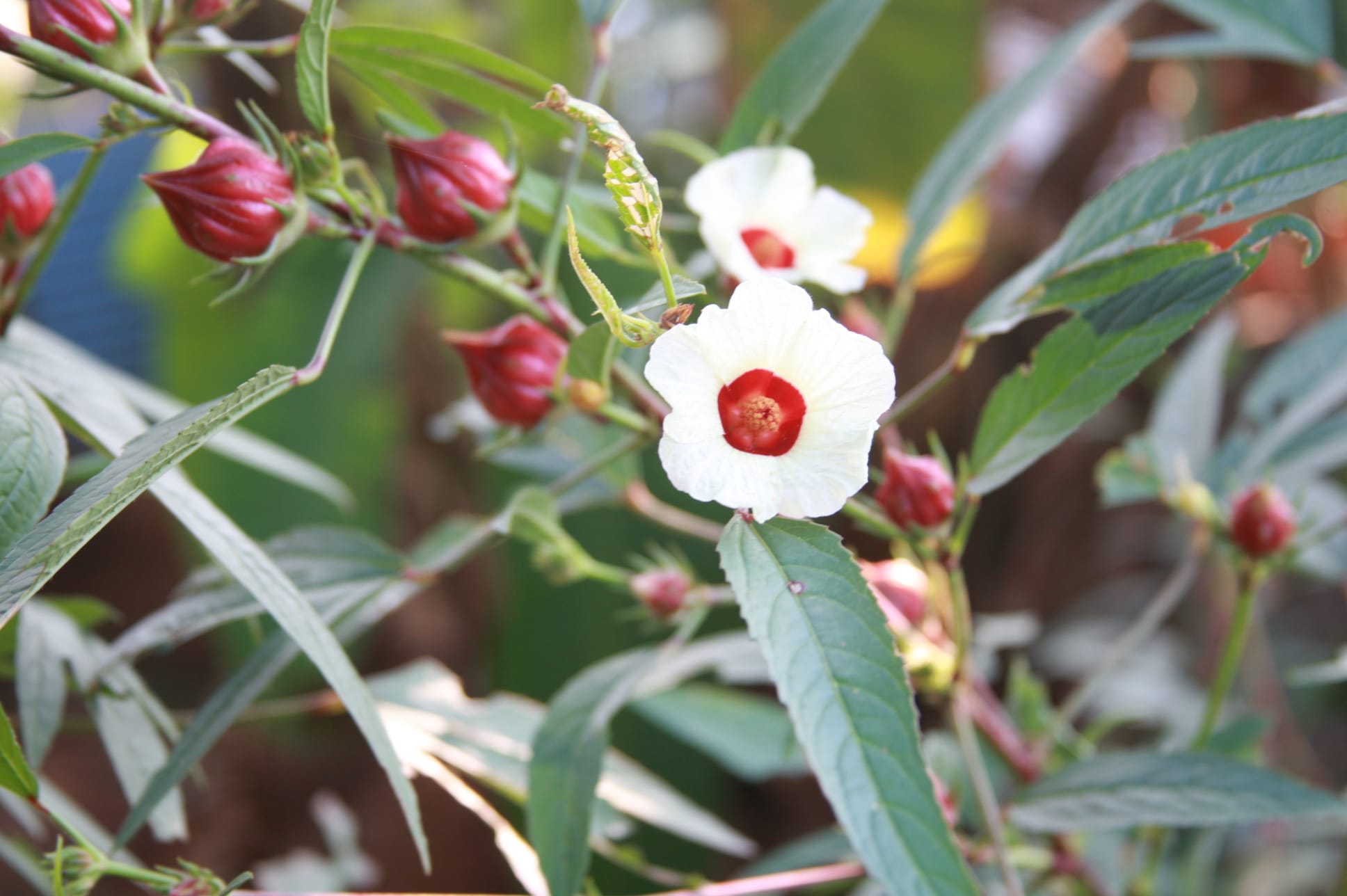
Roselle (Hibiscus sabdariffa) is a tropical plant known for its deep red, tangy calyces, which are commonly used to prepare herbal tea and other foods. Depending on the region, it is also known as red sorrel, Jamaican sorrel, gongura, or karkadeh.
Roselle tea has attracted interest because researchers have investigated whether the plant’s natural compounds may affect blood pressure and other measures of cardiovascular and metabolic health. Some findings are promising, but not every health claim associated with roselle is supported by good evidence in humans.
This guide explains the potential benefits of roselle, what research has found, how the plant is used, and what to know about possible side effects and medicine interactions.
Last reviewed: October 27, 2026
Quick Facts About Roselle
- Scientific name: Hibiscus sabdariffa
- Plant family: Malvaceae, the same family as okra and cotton.
- Common uses: Herbal tea, juices, jams, syrups, and cooked dishes.
- Potential health effects studied: Blood pressure, cholesterol, blood glucose, and antioxidant activity.
- Best-supported research area: Blood pressure, although the overall evidence remains limited.
- Safety consideration: Roselle may interact with certain medicines. Long-term use of concentrated preparations requires further study.
What Is Roselle (Hibiscus sabdariffa)?
Roselle is a member of the Malvaceae family. It grows in tropical and subtropical regions and is cultivated for its edible parts, especially its fleshy calyces, as well as for other agricultural uses.
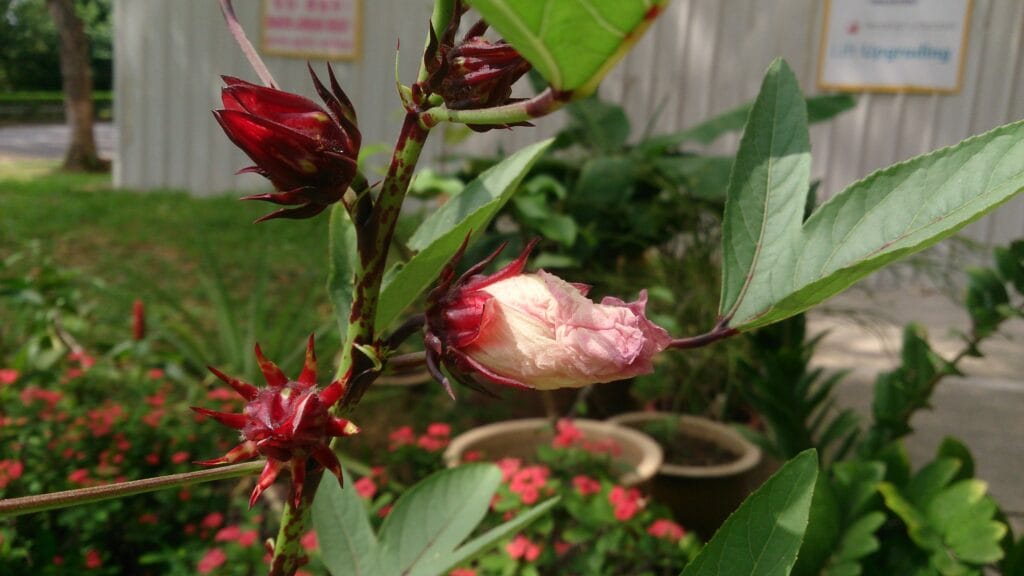
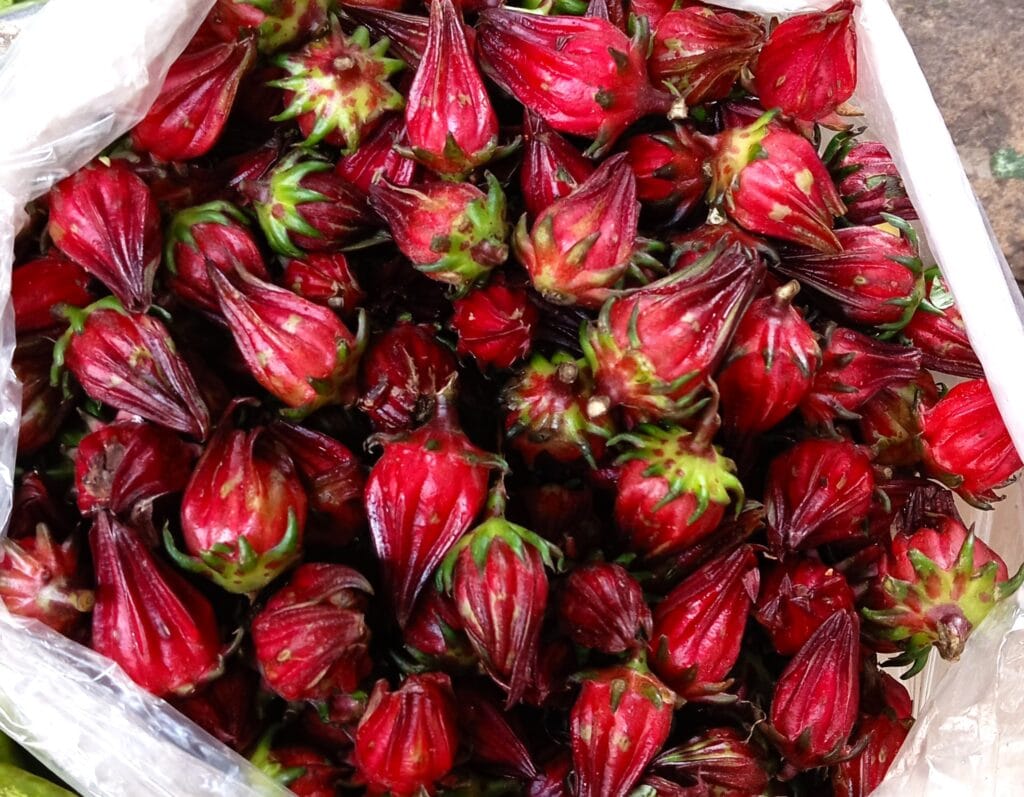
The calyx is the structure formed by the sepals surrounding the base of the flower. Roselle’s calyces are harvested and used to make herbal infusions, juices, preserves, and other foods. The leaves are also eaten as a vegetable in some culinary traditions.
The plant’s exact geographical origin is uncertain, although tropical Africa is frequently cited as a possible origin. Today, roselle is grown in various parts of Africa, Asia, the Caribbean, and other tropical regions.
According to Rutgers Cooperative Extension’s guide to roselle production and marketing, the plant is valued for its culinary uses and its distinctive calyces, which contain pigments including anthocyanins.
Roselle is also associated with hibiscus tea, but not every product labeled hibiscus tea contains the same plant species. Check the ingredient list if you specifically want a beverage made from Hibiscus sabdariffa.
What Are the Potential Benefits of Roselle?
Researchers have investigated roselle for several possible health effects. The strongest area of interest is blood pressure, while findings on cholesterol, blood glucose, and other outcomes require careful interpretation.
1. May Help Lower Blood Pressure
One of the most studied potential benefits of roselle is its effect on blood pressure. Clinical researchers have examined roselle tea and other preparations to determine whether they may reduce systolic blood pressure, the pressure when the heart beats, and diastolic blood pressure, the pressure between beats.
A 2025 overview of reviews and updated dose-response meta-analysis included 26 randomized controlled trials involving 1,797 participants. The researchers reported that Hibiscus sabdariffa preparations reduced systolic and diastolic blood pressure compared with placebo and some other teas.
However, the studies used different preparations, doses, and treatment periods. The results do not establish a universally effective serving of roselle tea or guarantee that an individual will experience a meaningful reduction in blood pressure.
The US National Center for Complementary and Integrative Health’s guidance on high blood pressure notes that evidence for roselle and other dietary supplements remains limited. No dietary supplement has been shown to produce effects comparable to established hypertension medications.
Roselle tea may be enjoyed as a beverage, but it should not replace prescribed medication, regular blood pressure monitoring, or other recommended treatment. Anyone considering regular medicinal use should discuss it with a healthcare professional, particularly if they already take blood pressure medication.
2. Contains Antioxidant Plant Compounds
Roselle’s red calyces contain anthocyanins and other polyphenols. These plant compounds contribute to its color and have been investigated for their antioxidant activity.
Antioxidants are studied for their ability to interact with reactive molecules in biological systems. Laboratory findings can help researchers understand how plant compounds behave, but they do not automatically show that consuming a food or beverage prevents disease.
The amounts and composition of these compounds can also vary with the plant variety, growing conditions, processing method, and preparation. Brewed tea, dried calyces, and concentrated extracts should not be assumed to have identical effects.
3. May Affect Cholesterol and Blood Glucose
Researchers have also examined whether roselle affects blood lipids, including total cholesterol and low-density lipoprotein (LDL) cholesterol, as well as fasting blood glucose.
The 2025 meta-analysis reported improvements in some of these measures in the studies it reviewed. Such findings are worth investigating, but they do not establish roselle as a treatment for high cholesterol, diabetes, or metabolic syndrome.
Results may differ according to the product used, the study population, the amount consumed, and the length of treatment. Changes in laboratory measurements also do not, by themselves, demonstrate that roselle prevents heart attacks, strokes, or diabetes complications.
People managing cholesterol or blood glucose should continue following their healthcare professional’s advice rather than relying on roselle tea or supplements for disease control.
What Does the Research Not Establish?
Roselle is sometimes promoted online as a remedy for a wide range of health problems. It is important to distinguish between traditional uses, preliminary laboratory findings, and benefits that have been demonstrated in well-designed human studies.
Weight Loss
Current research does not establish roselle as an effective standalone weight-loss treatment. A 2024 systematic review and meta-analysis of six randomized controlled trials involving 339 participants found no statistically significant benefit for body weight, body mass index, or waist circumference.
Roselle tea can be part of someone’s usual diet, but drinking it should not be expected to produce meaningful weight loss on its own. Overall dietary habits, physical activity, and other individual factors remain important for weight management.
Cancer Prevention, Liver Detoxification, and Immunity
Researchers have investigated roselle compounds for possible biological effects in laboratory and animal studies. However, these findings do not establish that drinking roselle tea prevents or treats cancer, detoxifies the liver, or boosts immunity enough to prevent infections.
The body already has organs, including the liver and kidneys, that perform essential processing and waste-removal functions. There is no established evidence that roselle tea provides a special detoxification effect.
Roselle should therefore be viewed primarily as a food plant and a subject of ongoing research, rather than as a proven treatment for these conditions.
How Is Roselle Used?
Roselle has a tart flavor and a distinctive red color. Its culinary uses vary by region, and it is commonly prepared as a beverage or incorporated into foods.
Roselle Tea
Dried roselle calyces can be steeped in hot water to make a red herbal infusion. The tea can be served hot or chilled, and some recipes include sugar, honey, citrus, or other flavorings.
Check the ingredients and preparation instructions on packaged products. Sweetened roselle drinks can contain substantial added sugar, so an unsweetened or lightly sweetened version may be preferable for people monitoring their sugar intake.
Juices, Jams, and Other Foods
Roselle calyces are used in juices, syrups, jams, jellies, chutneys, and desserts. Their tart flavor makes them suitable for both sweet and savory preparations.
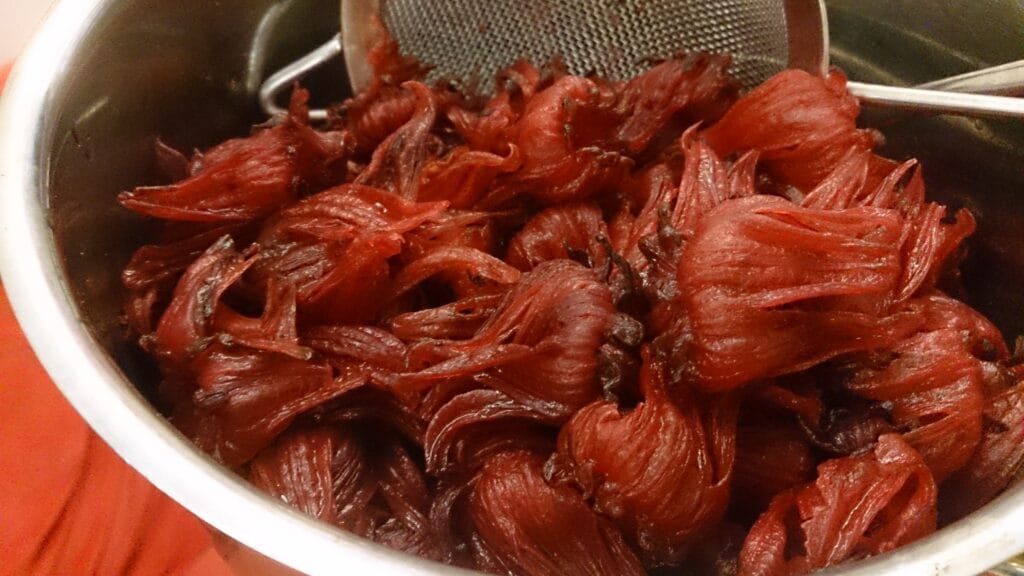
Roselle’s traditional food uses are distinct from taking concentrated extracts or supplements for medicinal purposes. The composition and strength of those products can vary considerably.
Cooked Leaves
Roselle leaves are used as a leafy vegetable in some regional cuisines. For another example of a tropical leafy vegetable, see our guide to kangkong (Ipomoea aquatica), also known as water spinach.
If you are interested in growing useful plants at home, our Complete Gardening Guide covers general gardening fundamentals. Roselle’s specific growing requirements will depend on your local climate and growing conditions.
Is Roselle Safe to Drink?
Roselle is consumed as a food and beverage in many cultures, but that does not mean every preparation or amount is appropriate for everyone. The safety evidence for concentrated extracts, medicinal doses, and long-term use is less complete than the plant’s long history of culinary use might suggest.
A 2026 systematic scoping review examined published evidence on roselle’s safety, tolerability, and potential herb-drug interactions. It identified reports of gastrointestinal side effects, evidence of interactions affecting the blood concentrations of certain medicines, and gaps in the available long-term safety data.
Consider the following precautions before using roselle regularly for health purposes.
- Blood pressure medication: Because roselle preparations may lower blood pressure, regular medicinal use could be a concern for people taking antihypertensive medicines or those prone to low blood pressure. Seek professional advice before using roselle for this purpose.
- Other medications: Some studies have reported potential interactions between roselle preparations and medicines. The evidence does not allow the risk to be predicted reliably for every medication or product. Ask a doctor or pharmacist before taking concentrated extracts or supplements.
- Pregnancy and breastfeeding: The safety of regular medicinal use and concentrated supplements has not been adequately established. Consult a healthcare professional before using roselle for medicinal purposes during pregnancy or breastfeeding.
- Digestive discomfort: Mild gastrointestinal symptoms have been reported in human studies. Stop using a product and seek appropriate medical advice if you experience a concerning reaction.
- Long-term or high-dose use: Evidence on prolonged use and the safety of different concentrated preparations remains incomplete. Do not assume that a higher dose will provide greater benefits.
These precautions are particularly relevant when roselle is used as a supplement rather than as an occasional food or beverage. Evidence from one preparation may not apply to another product with a different concentration or composition.
How Much Roselle Tea Should You Drink?
There is no universally established serving of roselle tea that is proven to deliver a particular health benefit for everyone. Clinical studies have used different preparations, concentrations, doses, and treatment durations.
For a regular beverage, follow the preparation instructions on the product you purchase. If you plan to consume roselle regularly to manage blood pressure, cholesterol, blood glucose, or another health concern, discuss it with a healthcare professional rather than selecting a medicinal dose yourself.
Do not stop prescribed treatment or delay medical care because of claims about roselle or other herbal products.
Frequently Asked Questions About Roselle
Is roselle the same as hibiscus?
Roselle is the common name for Hibiscus sabdariffa, a species used to prepare many hibiscus herbal teas. However, products labeled hibiscus tea may contain other species or ingredient blends. Check the botanical name on the label if you specifically want roselle.
Does roselle tea lower blood pressure?
Clinical research suggests that some roselle preparations may lower blood pressure. However, the evidence has limitations, and the effect may vary between individuals. Roselle tea is not a replacement for prescribed blood pressure treatment.
Can roselle help with weight loss?
A 2024 meta-analysis of randomized controlled trials did not find a statistically significant benefit for body weight, body mass index, or waist circumference. Roselle tea may be consumed as a beverage, but current evidence does not establish it as an effective standalone weight-loss treatment.
Can you drink roselle tea every day?
There is not enough evidence to define a universally safe and effective daily amount for everyone or every preparation. People who take medication, have an existing medical condition, or are considering concentrated extracts should seek professional advice before regular use.
Can roselle interact with medication?
Potential interactions have been reported, but the available evidence does not establish the level of risk for every medicine or roselle product. Ask a healthcare professional or pharmacist before using roselle supplements if you take prescription or regular over-the-counter medicines.
Is roselle tea safe during pregnancy?
The safety of regular medicinal use and concentrated roselle supplements during pregnancy and breastfeeding has not been adequately established. Consult a healthcare professional before using these products for medicinal purposes during these periods.
Sources and Further Reading
- Efficacy and safety of Hibiscus sabdariffa in cardiometabolic health: An overview of reviews and updated dose-response meta-analysis (2025). Reviews clinical research on blood pressure, blood lipids, blood glucose, and other cardiometabolic measures.
- Clinical effects of Hibiscus sabdariffa Linn. on obesity treatment: A systematic review and meta-analysis of randomized controlled trials (2024). Examines the evidence for body weight, BMI, and waist circumference.
- National Center for Complementary and Integrative Health: Hypertension (High Blood Pressure). Provides context on evidence for dietary supplements and herbal products used to manage blood pressure.
- Unveiling the safety, tolerability, and herb-drug interaction concerns of Hibiscus sabdariffa L. (Roselle): A systematic scoping review of current evidence (2026). Reviews reported side effects, potential medicine interactions, and outstanding safety questions.
- Rutgers Cooperative Extension: Roselle Production and Marketing. Provides botanical, agricultural, and culinary information about roselle.
Editorial Note: This article is for general educational purposes and is not a substitute for individualized medical advice, diagnosis, or treatment.
Also Read: Malvarosa Benefits: Uses, Research, and Safety
Well, what do you think about the article?
Did you enjoy reading “Roselle Benefits: Blood Pressure, Tea Uses & Safety“?
We really hope that you have found this article informative and engaging. If you have any thoughts or comments about this post, please feel free to share them in the comment section below. We appreciate your feedback and would be glad to hear from you.
To see more content like this check the gardening section of Money For My Beer.