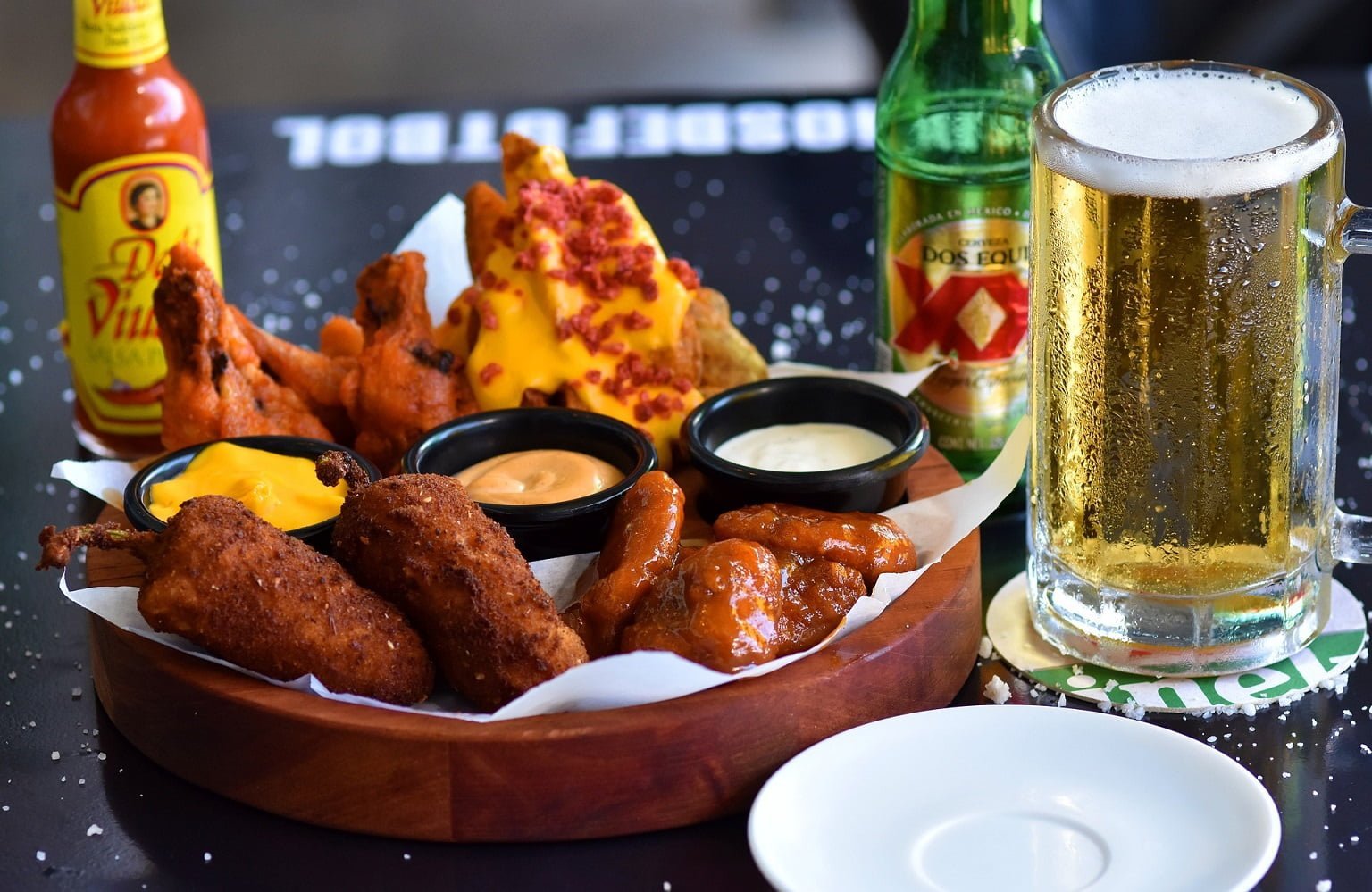
What is the best beer for chili? For most chili recipes, we would start with an amber lager. Its malt character, moderate bitterness, and refreshing profile make it versatile enough to complement a hearty bowl without overwhelming the food.
There is no single beer that is best for every chili, though. The right choice depends on how spicy, rich, smoky, sweet, or meaty your chili is.
This guide compares six beer styles that pair well with chili, explains why each one works, and covers the best beer for spicy chili, beef chili, and cooking chili with beer.
New to beer styles? Our guide to types of beer in India explains the differences between lager, ale, IPA, wheat beer, stout, porter, and other common styles.
Quick Answer: What Is the Best Beer for Chili?
| Rank | Beer style | Best for | Why it works |
|---|---|---|---|
| 1 | Amber lager | Best overall | Malt character, moderate bitterness, and refreshing carbonation |
| 2 | Brown ale | Beef and rich chili | Caramel, nutty, and toasted malt flavors complement hearty ingredients |
| 3 | Amber ale | Balanced chili | Caramel and toasted malt add depth alongside moderate hop character |
| 4 | IPA | Hop lovers | Pronounced hop and citrus character can stand up to strongly seasoned food |
| 5 | Belgian Dubbel | Rich and complex chili | Dark-fruit, caramel, and spice notes create a fuller pairing |
| 6 | Stout | Smoky or roasted chili | Roasted, coffee, and chocolate notes complement deep savory flavors |
Our overall pick: amber lager. For rich beef chili: brown ale is an excellent alternative. For smoky chili: stout or porter can work well. For hop lovers: IPA offers a more assertive pairing.
These rankings are editorial recommendations, not objective rules. Beer and food pairing depends on the specific beer, recipe, and your personal taste.
How We Chose the Best Beer Styles for Chili
We ranked the styles based on how easily they can complement common chili characteristics rather than simply choosing the strongest or most popular beers.
The main factors we considered were:
- Flavor balance: Whether the beer complements the chili rather than dominating it.
- Malt character: Whether caramel, toast, bread, or other malt flavors work with the dish.
- Bitterness: Whether the hop bitterness adds useful contrast or could make a very spicy dish feel more intense.
- Intensity: Whether the beer has enough flavor and body to stand alongside a hearty dish.
- Overall versatility: Whether the style works across different chili recipes rather than only one specific version.
The Brewers Association recommends matching the intensity of beer and food while considering sweetness, bitterness, carbonation, spice, richness, and roast character. It also recommends using both complementary flavors and contrasts when building a pairing.
For a broader explanation of beer styles such as lager, IPA, stout, and wheat beer, see our guide to types of beer in India.
1. Amber Lager: Best Overall Beer for Chili
Amber lager is our top choice for an all-around chili pairing.
International amber lagers are generally smooth and malt-forward, with caramel or toasted character, restrained to moderate bitterness, and medium to high carbonation. The BJCP style guidelines describe them as flavorful but easy-drinking beers with a malt-focused to balanced profile.
That makes amber lager a flexible choice for chili. The malt character can complement browned meat, tomato, beans, onions, and spices, while the beer’s relatively clean profile keeps the pairing from becoming overly heavy.
Why amber lager works with chili
- Caramel and toasted malt: These flavors can complement browned meat and the rich, cooked flavors found in chili.
- Moderate bitterness: It provides structure without making bitterness the dominant characteristic.
- Clean profile: The beer can refresh the palate without introducing an overly complicated flavor combination.
Best for: classic beef chili, bean chili, moderately spicy chili, and chili topped with cheese or sour cream.
For very spicy chili, choose an amber lager that is not especially bitter if you prefer a gentler pairing.
2. Brown Ale: Best for Beef and Rich Chili
Brown ale is an excellent choice when your chili is rich, meaty, smoky, or built around deep savory flavors.
British brown ale can feature caramel, toffee, nutty, toasted, biscuity, and light chocolate notes, with moderate to medium-low bitterness. The BJCP style guidelines describe the style as malt-focused and flavorful without the strongly roasted character associated with porter.
Those characteristics make brown ale particularly suitable for hearty beef chili.
Why brown ale works with chili
- Caramel and toffee notes: These can complement the rich flavors created by browned meat and cooked tomatoes.
- Nutty and toasted malt: These flavors can work well with roasted peppers and spices.
- Moderate body: Brown ale has enough presence for a substantial meal without necessarily being as roasty as a stout.
Best for: beef chili, smoky chili, roasted-pepper chili, and rich versions with plenty of meat or beans.
3. Amber Ale: Best for a Balanced, Malt-Forward Pairing
Amber ale gives you more hop character than many amber lagers while retaining substantial malt flavor.
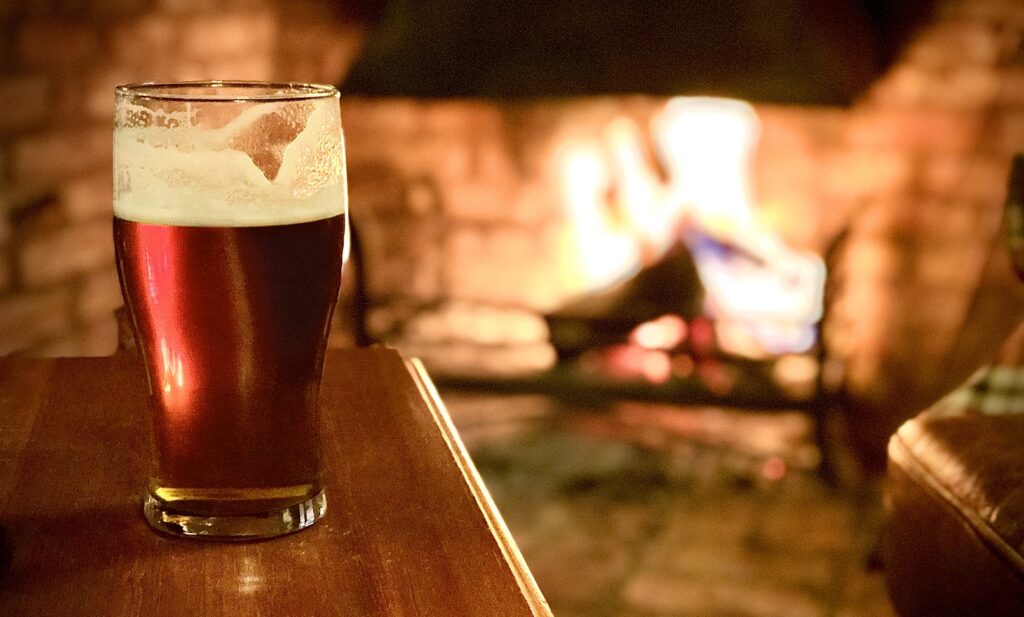
American amber ale commonly combines caramel malt with noticeable hop character and moderate to moderately high bitterness. The BJCP style guidelines note that the style can range from fairly malty to aggressively hoppy, so individual examples can taste quite different.
This makes amber ale a useful middle ground. It can provide more flavor than a straightforward lager without necessarily becoming as hop-forward as an IPA.
Why amber ale works with chili
- Caramel malt: Adds a complementary flavor alongside rich chili ingredients.
- Toasted malt: Works particularly well with browned meat and roasted peppers.
- Hop character: Adds complexity when the chili is flavorful enough to handle it.
Best for: classic chili, chili con carne, smoked beef chili, and moderately spicy recipes.
Because amber ale can vary considerably in bitterness, check the individual beer rather than assuming every amber ale will have the same balance.
4. IPA: Best for Hop Lovers
IPA can work very well with chili, but it is a more assertive pairing.
American IPA is deliberately hop-forward, with medium-high to very high bitterness and prominent hop flavor and aroma. Depending on the beer, you may notice citrus, tropical fruit, pine, floral, herbal, or resinous characteristics. The BJCP style guidelines provide more detail on the style.
That intensity can complement strongly seasoned food. The Brewers Association’s beer-and-food guidance includes hoppy beers with spicy foods, while also noting that bitterness can emphasize chili heat.
That is why IPA ranks below the more versatile malt-forward options in our list.
How to choose an IPA for chili
- Choose a bitterness level you already enjoy.
- For very hot chili, consider a less aggressively bitter IPA if you want the food to remain the focus.
- Citrus and tropical hop character can work particularly well with tomato, lime, fresh peppers, or brighter spice profiles.
Best for: strongly seasoned chili and people who already enjoy hop-forward beer.
A pale ale can be a gentler alternative when you want hop flavor without the intensity of many IPAs.
5. Belgian Dubbel: Best for Rich and Complex Chili
Belgian Dubbel is a more distinctive pairing for a rich, slow-cooked chili.
BJCP classifies Belgian Dubbel within Belgian ale styles. The style is known for deeper malt character combined with fruit and spice derived from the beer’s yeast and ingredients.
That complexity can complement chili when the dish itself contains several layers of flavor.
Why Belgian Dubbel can work with chili
- Dark-fruit character: Can complement rich meat and deeply cooked sauces.
- Caramel-like malt notes: Can work alongside browned meat and sweet-savory flavors.
- Spice character: Can create a more complex pairing with chili that already uses layered seasoning.
Best for: rich beef chili, slow-cooked chili, roasted ingredients, and people who enjoy complex Belgian beers.
This is a more specialized pairing than amber lager or brown ale, which is why we place it fifth.
6. Stout: Best for Smoky and Roasted Chili
Stout can be particularly good with smoky, roasted, or grilled chili.
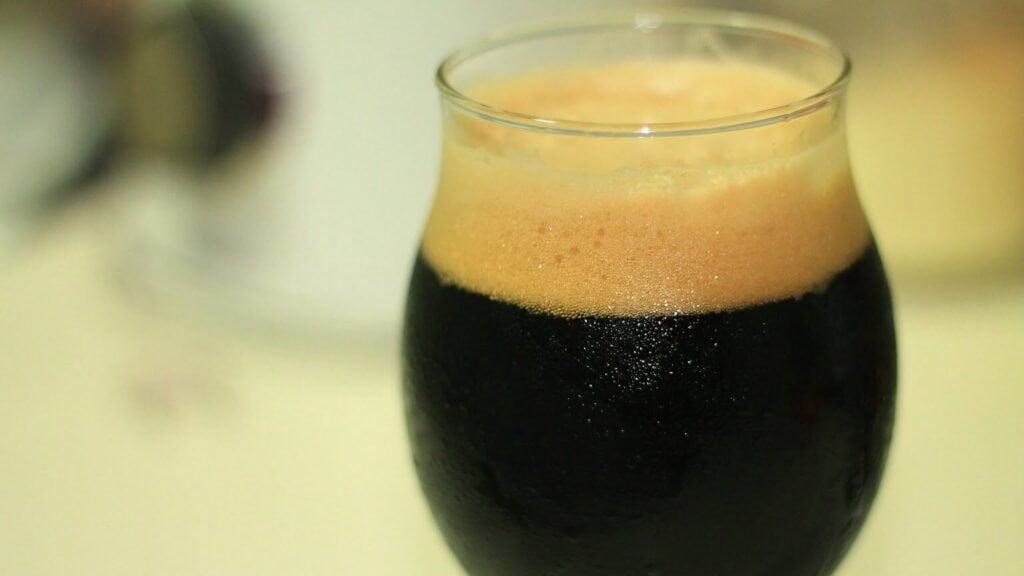
Irish stout, for example, is characterized by pronounced roasted flavors that can range from dry and coffee-like to somewhat chocolaty. The style can also vary in bitterness and sweetness. The BJCP style guidelines provide the detailed style characteristics.
Those roasted characteristics can complement smoked meat, charred peppers, roasted spices, and other deep savory flavors.
Why stout works with chili
- Roasted malt: Can echo smoky and charred flavors in the food.
- Coffee and chocolate notes: Can add depth to rich meat-based chili.
- Substantial flavor: Gives the beer enough intensity for a hearty dish.
Best for: smoked beef chili, barbecue-style chili, roasted-pepper chili, and people who enjoy dark beer.
We rank stout sixth because a very rich or strongly roasted stout can make an already heavy meal feel even heavier. A dry or moderately intense stout may be easier to pair than a very strong imperial stout.
Best Beer for Spicy Chili
When pairing beer with spicy chili, it helps to think about the specific characteristics of the beer rather than simply choosing the coldest or strongest option.
Malt sweetness can provide a contrast to chili heat, while hop bitterness can either work with spicy food or make the sensation of heat feel more pronounced depending on the beer and the person drinking it. The Brewers Association specifically identifies sweetness and maltiness as balancing spiciness, while also noting that hop bitterness can emphasize chili heat.
| Chili type | Good starting point | Why |
|---|---|---|
| Mild chili | Lager, amber lager, brown ale | Easy-drinking styles can complement the food without dominating it |
| Medium-spicy chili | Amber lager, brown ale, amber ale | Malt and moderate hop character provide a balanced pairing |
| Very spicy chili | Malt-forward amber lager or lower-bitterness brown ale | Provides contrast without making bitterness the main feature |
| Smoky or roasted chili | Brown ale, porter, or stout | Toasted and roasted flavors can complement smoky ingredients |
| Very strongly seasoned chili | IPA or pale ale | Hop aroma and bitterness can stand up to assertive seasoning |
There is no need to avoid IPA completely. Some people enjoy the combination of hop bitterness and spicy food. The important point is that higher bitterness is not automatically better for hotter chili.
Best Beer for Beef Chili
Brown ale and amber lager are two of our easiest recommendations for beef chili.
Beef chili often contains browned meat, tomatoes, beans, onions, and spices. Malt-forward beers can complement those cooked and savory flavors without requiring a highly complex pairing.
For chili made with smoked beef or grilled peppers, stout or porter can also be interesting. For a lighter and more refreshing pairing, amber lager is the easier choice.
Best Beer for Bean or Vegetarian Chili
Bean and vegetarian chili can range from light and vegetable-forward to rich and heavily spiced, so the beer should match the specific recipe.
Amber lager is a versatile starting point. Brown ale can work well with roasted vegetables, while pale ale can provide more hop aroma for chili with fresh peppers, herbs, or brighter flavors.
For a very spicy vegetarian chili, a malt-forward beer with restrained bitterness may provide more contrast than an extremely bitter IPA.
Best Beer to Cook Chili With
If you want to put beer in chili rather than simply drink it alongside the meal, choose a beer that you would be comfortable tasting in a reduced sauce.
An amber lager or brown ale is a practical starting point because both can contribute malt and caramel-like flavors without making bitterness the dominant characteristic.
The Brewers Association recommends matching the intensity of the beer to the dish and gives particular attention to bitterness when cooking with beer. It generally recommends lower-bitterness beers for cooking and cautions that reducing beer can concentrate bitterness.
That makes a highly bitter IPA a less forgiving choice when the beer will be reduced substantially during cooking.
Can you use IPA in chili?
Yes, but use it thoughtfully. An IPA can add hop aroma and bitterness, which may work in a strongly seasoned chili. However, reducing a bitter beer can concentrate its bitterness, so a highly hopped IPA can easily become the dominant flavor.
How much beer should you put in chili?
For a large pot of chili, 1 cup of beer is a reasonable starting point for experimentation. The ideal amount depends on the recipe, the other liquid ingredients, and how long the chili cooks.
Start with a moderate amount, simmer, and taste. You can always adjust the next batch once you know how the beer affects your recipe.
Easy Beef Chili With Beer
This simple recipe uses beer as part of the cooking liquid. An amber lager or brown ale is a good place to start.
Ingredients
- 2 lb ground beef
- 1 large onion, diced
- 4 cloves garlic, minced
- 1 can diced tomatoes, 14.5 oz
- 1 can kidney beans, 15 oz, drained and rinsed
- 1 can black beans, 15 oz, drained and rinsed
- 1 can tomato sauce, 8 oz
- 2 tbsp chili powder
- 1 tbsp ground cumin
- 1 tsp paprika
- 1/2 tsp cayenne pepper
- 1/2 tsp salt
- 1/4 tsp black pepper
- 1 cup amber lager or brown ale
- Optional: shredded cheese, sour cream, chopped cilantro, or diced avocado
Directions
- Brown the ground beef in a large pot or Dutch oven over medium heat. Drain excess fat if necessary.
- Add the onion and garlic and cook until the onion softens.
- Add the tomatoes, kidney beans, black beans, tomato sauce, chili powder, cumin, paprika, cayenne, salt, and black pepper.
- Pour in the beer and stir well.
- Bring the chili to a simmer, then cook for at least 30 minutes, stirring occasionally.
- Taste and adjust the seasoning.
- Serve with optional toppings such as cheese, sour cream, cilantro, or avocado.
For food safety, the USDA Food Safety and Inspection Service recommends cooking ground beef to a minimum internal temperature of 160°F (71°C), measured with a food thermometer.
Important: Cooking with beer does not guarantee that all of the alcohol is removed. The amount remaining depends on factors such as cooking method and time, so dishes made with beer should not automatically be treated as alcohol-free.
Can Any Beer Be Paired With Chili?
Almost any beer style can work with the right chili, but some combinations are easier to balance than others.
A pale lager can provide a clean contrast to a rich bowl. Amber lager and brown ale can complement caramelized and savory flavors. IPA can create a more assertive pairing for people who enjoy hops, while stout and porter can work particularly well with smoky or roasted ingredients.
The most useful question is not simply “Which beer is best?” It is “What characteristics in this beer work with this particular chili?”
Beer-and-food pairing guidance also emphasizes that recommendations are not absolute rules. Contrast and complementary flavors can both produce successful combinations.
Beer Pairing Beyond Chili
The same basic principles can be used when pairing beer with burgers, grilled meats, barbecue, spicy foods, cheese, roasted dishes, and desserts.
Once you know which beer style fits the food, choosing a specific brand becomes easier. Our guide to the best beer brands in India compares popular brands by style, taste, strength, price position, and availability.
Lagers are usually a versatile starting point for spicy foods because their crisp, refreshing character can help balance heat. Wheat beers can work well with lighter dishes, while richer or more robust beers may suit grilled meats, roasted foods, and other strongly flavored dishes.
Understanding the underlying beer style makes those pairings easier. Our guide to beer styles and types explains what to expect from lagers, wheat beers, IPAs, stouts, porters, and other common styles.
For another spicy beer-based combination, try our Michelada recipe.
Frequently Asked Questions About Beer and Chili
What is the best beer for chili?
Amber lager is our best overall choice because its malt character, moderate bitterness, and refreshing profile work with a wide range of chili recipes. Brown ale is another strong option for rich beef chili.
What beer goes best with spicy chili?
A malt-forward amber lager or lower-bitterness brown ale is a good starting point when you want contrast with the heat. However, some people enjoy hoppy beers with spicy food, so personal preference matters.
Is IPA good with chili?
Yes. IPA can work particularly well with strongly seasoned chili, especially for people who enjoy hop bitterness and aroma. Very bitter IPAs can make the heat feel more intense for some drinkers, so they are a more assertive choice.
Is lager good with chili?
Yes. Lager is one of the easiest beer categories to pair with chili. An amber lager provides more malt character than a very pale lager while keeping a relatively clean and refreshing profile.
What beer is best for beef chili?
Brown ale and amber lager are two practical choices. Brown ale provides caramel, toasted, and nutty malt character, while amber lager offers a cleaner and more refreshing pairing.
Can I put beer in chili?
Yes. Beer can be used as part of the cooking liquid in chili. A flavorful, lower-bitterness beer is generally easier to control, particularly when the liquid will cook down.
What beer should I use in a chili recipe?
Amber lager or brown ale is a good starting point. Both can contribute malt and caramel-like character without making bitterness the dominant flavor.
Does beer make chili taste better?
It can, but it is a matter of taste. Beer can add malt, hop, roast, fruit, or spice character to chili. A well-balanced beer can add depth, while an overly bitter or strongly flavored beer can dominate the recipe.
Is dark beer better with chili?
Not necessarily. Stout and porter can work especially well with smoky or roasted chili, but a dark color does not automatically make a beer a better pairing. Flavor, bitterness, body, and the character of the chili matter more than color alone.
Does cooking chili with beer remove the alcohol?
Not necessarily. Some alcohol evaporates during cooking, but the amount remaining depends on factors such as cooking method and time. Dishes made with beer should not automatically be considered alcohol-free.
The Bottom Line
The best beer for chili is the one that balances the flavors of the dish rather than competing with them.

For most people, amber lager is the best place to start. Its malt character and moderate bitterness make it versatile enough for classic, meaty, and moderately spicy chili.
Choose brown ale for a richer malt-forward pairing. Try amber ale when you want more hop character without going as far as IPA. Choose IPA when you enjoy pronounced hop flavor and your chili can handle a more assertive pairing. A Belgian Dubbel can bring dark-fruit and spice character to a rich chili, while stout can work particularly well with smoky and roasted flavors.
Most importantly, treat pairing recommendations as a starting point rather than a strict rule. The balance of heat, sweetness, bitterness, richness, carbonation, roast, and overall intensity is what determines whether the combination works for you.
Sources
- Brewers Association. American Craft Beer and Food: Perfect Companions.
- Beer Judge Certification Program. International Amber Lager Style Guidelines.
- Beer Judge Certification Program. British Brown Ale Style Guidelines.
- Beer Judge Certification Program. American Amber Ale Style Guidelines.
- Beer Judge Certification Program. American IPA Style Guidelines.
- Beer Judge Certification Program. Irish Stout Style Guidelines.
- USDA Food Safety and Inspection Service. Food Thermometers.
Editorial Note: Beer pairing is subjective, and individual preferences vary. Beer styles can also differ considerably from one brewery and recipe to another. When cooking with beer, remember that some alcohol may remain after cooking, and always follow safe food-handling practices.
Well, what do you think about the article?
Did you enjoy reading “Best Beer for Chili: 6 Beer Styles That Pair Well“? If so, please comment down below.
We would love to hear your thoughts about this best beer list for chili foods above! Hoping that you like the recipe too.
To see more content like this check the beer section of Money For My Beer.

Chief Editor and Website Owner.
Hi, I’m Ryan. I write and edit everything on this site, which means I’m the last set of eyes on every post before it goes live. By day I’m a technical architect. I design and build enterprise systems, apps, websites, and the occasional game.
This site started because I wanted one place where money advice for regular people doesn’t read like it was written by a finance robot. My goal is simple: every article should be genuinely useful, actually tested against what real people are searching for, and written in plain English. No jargon, no “get rich quick,” no advice I wouldn’t follow myself.
You’ll see a lot of topics here that lean on my engineering background: software reviews, tools, and tech-adjacent money stuff. Where a topic needs real financial expertise, I say so plainly and point you to qualified sources rather than pretending.