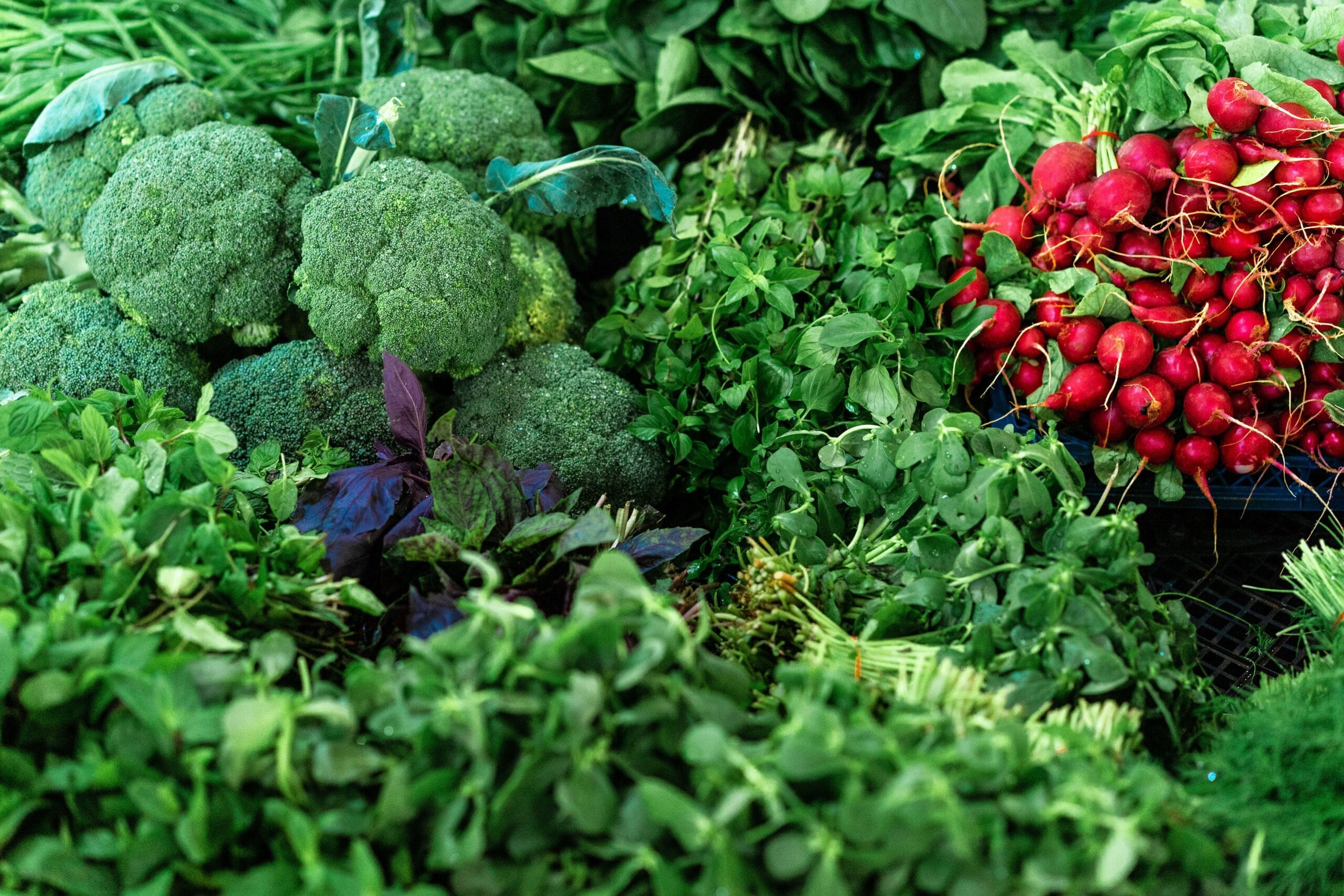
Growing some of your own food can make it easier to eat a wider variety of plant foods. For gut health, that can be useful because vegetables, fruits, whole grains, legumes, nuts, seeds, and other plant foods provide different types of dietary fiber and other compounds that interact with the digestive system and gut microbiome.
That does not mean one vegetable can “heal” your gut. It also does not mean that home-grown food is automatically healthier than store-bought produce. A more practical approach is to grow foods you enjoy, harvest them when ready, and include a variety of plant foods in your regular meals.
In this guide, we look at 7 gut-friendly garden foods you can grow at home, including fiber-rich vegetables, prebiotic foods, and green bananas containing resistant starch. We also cover small-space gardening, food preparation, fiber intake, food safety, and what the evidence actually says about home-grown produce.
Last checked: October 6, 2026
Quick Answer: What Garden Foods Are Good for Gut Health?
| Garden food | Gut-relevant component | Small-space friendly? |
|---|---|---|
| Garlic and onions | Fructans and other dietary fibers | Yes |
| Leafy greens | Dietary fiber and plant compounds | Yes |
| Broccoli and cruciferous vegetables | Dietary fiber and glucosinolate-containing compounds | Usually |
| Carrots and beets | Dietary fiber and naturally occurring plant compounds | Yes |
| Sweet potatoes | Dietary fiber and complex carbohydrates | Yes, with enough room |
| Okra | Dietary fiber and mucilaginous plant material | Yes |
| Green bananas | Resistant starch and dietary fiber | Needs more space |
There is no single “best” food on this list. The bigger goal is dietary variety. Different plant foods provide different types of fiber and other compounds, and individual responses can vary.
Why Fiber Matters for Gut Health
Dietary fiber is one of the strongest reasons to include plenty of plant foods in your diet. Unlike many digestible carbohydrates, some forms of fiber pass through the small intestine and reach the large intestine, where gut microorganisms can ferment them.
This fermentation can produce short-chain fatty acids, including acetate, propionate, and butyrate. However, not every type of fiber behaves in the same way, and research shows that the effects of fiber depend on its structure, amount, and the individual consuming it.
A systematic review of human studies found that dietary fiber interventions can affect gut microbiota composition and short-chain fatty acid production, while also showing substantial variation between different fibers and studies. Read the systematic review on dietary fiber, gut microbiota, and short-chain fatty acids on PubMed.
This is why eating a variety of plant foods is generally more useful than searching for one “superfood” that supposedly fixes the microbiome.
Prebiotics vs. Probiotics: What Is the Difference?
These terms are often used interchangeably online, but they are not the same thing.
Probiotics are live microorganisms that provide a health benefit when consumed in adequate amounts in an appropriate food or supplement.
Prebiotics are substances that are selectively used by host microorganisms and provide a health benefit. Many prebiotics are types of dietary fiber or related carbohydrates.
Garlic, onions, and some other foods contain prebiotic compounds, but it would be misleading to call them “probiotic vegetables.” A garden vegetable does not become a probiotic simply because it contains compounds that gut microbes can use.
The International Scientific Association for Probiotics and Prebiotics explains the scientific definition and scope of prebiotics in more detail. ISAPP’s explanation of prebiotics.
7 Gut-Friendly Garden Foods to Grow
These foods are included because they can contribute dietary fiber, prebiotic carbohydrates, resistant starch, or useful plant variety. They are not presented as treatments for gastrointestinal disease.
1. Garlic and Onions
Garlic and onions are among the most interesting crops for a gut-focused kitchen garden because they contain fructans, a type of carbohydrate that can be fermented by gut microorganisms.
Both are also extremely practical cooking ingredients. Growing them can therefore increase the variety of plant foods you use without requiring you to build meals around a specialized health product.
There is an important caveat. The same fructans that can serve as fermentable carbohydrates can cause gas, bloating, abdominal discomfort, or other symptoms in some people. Onion and garlic are high-FODMAP foods because of their fructan content, which is particularly relevant for people managing irritable bowel syndrome.
That does not make them unhealthy. It means that individual tolerance matters. A food that works well for one person’s digestion may not work well for another.
Monash FODMAP explains the relationship between onion, garlic, fructans, and FODMAPs.
Growing tip
Garlic and onions generally benefit from well-drained soil and adequate sunlight. Choose varieties and planting times suited to your local climate.
For more beginner-friendly crop ideas and garden planning advice, see our complete gardening guide.
2. Leafy Greens
Leafy greens are an easy category to include in a home garden. Depending on your climate, options can include kangkong, lettuce, spinach, kale, bok choy, collard greens, and other edible leaves.
The gut-health case for leafy greens is straightforward. They contribute dietary fiber and a range of vitamins, minerals, and naturally occurring plant compounds.
You do not need to find one particular green that is supposedly “best” for the microbiome. Growing several varieties gives you more opportunities to eat different plant foods throughout the week.
For tropical gardens
Kangkong, or water spinach, is a particularly familiar choice for gardeners in the Philippines and other warm climates. It grows quickly under suitable conditions and can be used in a range of Filipino dishes.
When growing edible leafy vegetables, pay attention to the quality of irrigation water and the cleanliness of the growing area. Produce grown in contaminated water can present food-safety problems regardless of its nutritional value.
3. Broccoli and Other Cruciferous Vegetables
Broccoli, cabbage, cauliflower, bok choy, and other cruciferous vegetables provide dietary fiber along with compounds known as glucosinolates.
Glucosinolates and their breakdown products have been widely studied, particularly compounds such as sulforaphane. This research is interesting, but it does not justify describing broccoli as a “detox food” or a treatment for digestive disease.
Your body already has complex systems for metabolizing and eliminating unwanted substances. Eating broccoli is better understood as part of a nutritious diet rather than as a detoxification treatment.
What about broccoli sprouts?
Broccoli sprouts are especially rich in glucoraphanin in some varieties and have received substantial research attention. However, raw sprouts also have a different food-safety profile from mature vegetables.
The FDA notes that raw or lightly cooked sprouts can support the growth of harmful bacteria because they are produced under warm and humid conditions. That can include pathogens such as Salmonella, Listeria, and pathogenic E. coli. See FDA guidance on safely selecting and serving fresh produce.
For most home gardeners, mature broccoli and other properly prepared vegetables are simpler choices.
4. Carrots and Beets
Carrots and beets provide another useful category of plant foods for a home garden: root vegetables.
They contribute dietary fiber and naturally occurring plant compounds while adding different colors, textures, and flavors to meals.
Beets also give you an edible leafy portion when the greens are harvested appropriately, providing another way to get more from the crop you grow.
Growing tip
Root vegetables generally need loose, reasonably well-drained growing media so the roots can expand. Containers can work, but make sure they are deep enough for the particular variety.
For general guidance on starting a productive home garden, our complete gardening guide covers container gardening, vegetables, herbs, soil preparation, and beginner-friendly crops.
5. Sweet Potatoes
Sweet potatoes are a useful garden crop because they combine nutritional value with practical versatility. They provide dietary fiber and complex carbohydrates and can be prepared in many different ways.
They are also well suited to warm growing conditions, making them especially relevant to tropical and subtropical gardeners.
For gut health, the important point is not that sweet potatoes are a miracle food. Their value comes from being one more whole plant food that can contribute to a varied, fiber-containing diet.
Growing tip
Sweet potato vines can spread extensively. Give them enough room to grow, or guide the vines where appropriate. Raised beds and suitably sized containers can work for gardeners with limited space.
6. Okra
Okra is a warm-season vegetable that can be a particularly practical choice for home gardens in hot climates. Its edible pods provide dietary fiber and have a naturally mucilaginous texture.
That texture comes from plant material that becomes noticeably slippery when cooked. Okra works well in soups, stews, stir-fries, and other dishes, which makes it easier to turn a garden harvest into a regular part of your diet.
Our complete guide to growing okra covers planting, sunlight, temperature, soil preparation, watering, and harvesting.
Growing tip
Harvest okra pods while they are young and tender. Older pods can become tough and increasingly fibrous.
7. Green Bananas
Bananas are usually thought of as a fruit, but the stage at which they are eaten changes their carbohydrate composition. Green or underripe bananas contain more resistant starch than fully ripe bananas.
Resistant starch is not completely digested in the small intestine. Some of it reaches the colon, where gut microorganisms can ferment it.
Research into resistant starch suggests that it can influence gut microbial activity and the production of short-chain fatty acids. A 2024 review describes the interaction between resistant starch and the gut microbiome, while a human study of green banana powder found changes in several bacterial species after 14 days of consumption. These findings are promising but do not mean that green bananas treat a gut disorder. Read the resistant starch and gut microbiome review on PubMed.
Bananas are also an especially relevant crop for gardeners in the Philippines. They appear among the country’s widely grown agricultural crops. See our overview of common crops in the Philippines.
Green vs. ripe bananas
As bananas ripen, their starches are progressively converted into simpler sugars. Green bananas are therefore different nutritionally and texturally from fully ripe bananas.
You do not need to avoid ripe bananas. Both ripe and less-ripe bananas can fit into a varied diet. Green bananas are simply an additional source of resistant starch worth knowing about.
What Are the Best Gut-Friendly Foods for a Small Garden?
You do not need a large backyard to grow foods that contribute to a fiber-rich diet.
For containers and balconies, leafy greens, green onions, radishes, carrots, herbs, and okra can be practical choices depending on the available sunlight, container depth, temperature, and water supply.
A compact garden could combine several different types of plants instead of filling every container with the same crop. For example, you might grow leafy greens alongside green onions, carrots, and okra.
The best crops are the ones that fit your climate and that you will actually eat. A productive garden full of foods you dislike will not improve your diet very much.
How to Build a Gut-Friendly Garden
A useful garden plan does not need to be complicated. Think about variety, practicality, and consistency.
Choose crops from different plant groups rather than looking for one “superfood.” Include leafy vegetables, roots, alliums, fruit or carbohydrate crops, and other foods that you enjoy cooking.
Also consider how frequently each crop can be harvested. Leafy greens that can be picked regularly may provide more practical dietary value than a crop that takes months to mature and produces only a small harvest.
Grow Foods You Will Actually Use
Gardening is partly a food-planning exercise. Before planting, ask how the crop will be used in your meals.
Garlic and onions can become part of soups, stir-fries, sauces, and other meals. Leafy greens can go into salads, soups, or cooked dishes. Okra works in stews and stir-fries. Sweet potatoes and bananas can provide useful carbohydrate sources.
This makes it easier to turn a garden from an occasional hobby into a consistent source of plant foods.
Does Freshly Harvested Produce Have More Nutrients?
Not necessarily.
The nutritional value of produce depends on many factors, including the crop variety, growing conditions, maturity, harvesting time, storage, and cooking method.
Home-grown produce does have some practical advantages. You can harvest only what you need, choose varieties based on taste, and reduce the time between harvesting and eating.
However, it would be inaccurate to claim that every home-grown vegetable automatically contains more nutrients than the same vegetable bought at a store.
The most defensible benefit is often access and convenience. When fresh vegetables are growing nearby, you may find it
Does Healthy Soil Make Vegetables Better for Your Gut?
Healthy soil is important for growing healthy plants, but the relationship between soil health and human gut health is much more complicated than some gardening articles suggest.
Good soil structure, nutrient availability, water management, and appropriate biological activity can support plant growth. For practical advice on improving these conditions, see our guide on how to improve soil health in your garden.
But it would be misleading to say that microbes in garden soil directly repair your gut microbiome when you eat vegetables grown in that soil. Human gut health depends on many factors, including diet, physiology, lifestyle, and medical conditions.
Think of healthy soil as a foundation for a productive garden, not as a probiotic treatment.easier to use them regularly.
How Should You Prepare Garden Vegetables?
There is no universally superior cooking method for gut health.
Raw and cooked vegetables can both contribute to a healthy diet. Cooking changes texture and can change the availability of particular nutrients and plant compounds, while also making some foods easier for certain people to tolerate.
Steaming, boiling, roasting, sautéing, and incorporating vegetables into soups are all reasonable options. Choose methods that help you enjoy vegetables and include them regularly.
Increase Fiber Gradually
If your current diet is relatively low in fiber, suddenly eating large quantities of vegetables, legumes, whole grains, or other high-fiber foods can cause gas, bloating, or changes in bowel habits.
NIDDK states that adults generally need 22 to 34 grams of fiber per day, depending on age and sex, and recommends increasing fiber gradually. Adequate fluid intake is also important when increasing dietary fiber. See NIDDK guidance on dietary fiber and digestive health.
Your ideal intake may differ based on your age, health, medications, and individual circumstances.
How to Safely Eat Home-Grown Produce
Growing your own food does not eliminate food-safety risks. Produce can be contaminated by soil, irrigation water, animals, harvesting equipment, storage surfaces, or handling.
The FDA recommends washing fresh fruits and vegetables under running water before eating or preparing them, including produce grown at home. Soap, detergent, and household cleaning products should not be used to wash produce.
Cut away damaged or bruised sections, discard rotten produce, and keep produce that will be eaten raw away from raw meat, poultry, and seafood. Read the FDA’s produce safety guidance.
Be Especially Careful With Sprouts
Sprouts deserve special attention because the warm, humid conditions used to grow them can also allow harmful bacteria to multiply.
Raw or lightly cooked sprouts can therefore carry a higher foodborne-illness risk than many mature vegetables. This is particularly important for young children, older adults, pregnant people, and people with weakened immune systems.
Does Organic Gardening Make Food Better for Gut Health?
Growing organically may be an attractive gardening choice, but it should not be presented as a proven way to improve gut health.
The USDA organic standards allow certain inputs and require specific production practices. “Organic” does not simply mean that no substances were ever used on a crop. USDA explains the standards for organic crop production.
Research has found that organic food consumption is associated with lower pesticide exposure biomarkers, but evidence for long-term effects on individual diseases remains limited or inconsistent. See the systematic review of organic food and human health on PubMed.
For a home garden, the practical priority is responsible pest management, correct identification of problems, following product directions when treatments are used, and observing any required harvest interval for edible crops.
Frequently Asked Questions
What are the best vegetables to grow for gut health?
Leafy greens, broccoli and other cruciferous vegetables, carrots, beets, onions, garlic, okra, and sweet potatoes are all useful choices because they can contribute dietary fiber and other plant compounds. There is no single vegetable that is best for everyone.
What foods can I grow at home that are high in fiber?
Many vegetables can contribute fiber, including leafy greens, carrots, broccoli, sweet potatoes, okra, and other garden crops. A high-fiber diet should not rely on vegetables alone. Fruits, legumes, whole grains, nuts, and seeds are also important sources.
Are onions and garlic good for gut health?
They contain fructans, which are fermentable carbohydrates that can be used by gut microorganisms. However, fructans are also FODMAPs and can cause digestive symptoms in some people, especially those with IBS or particular food sensitivities.
Are probiotics found in garden vegetables?
Not in the way the term “probiotic” is normally used scientifically. Fresh vegetables may carry microorganisms, but that does not mean they contain proven probiotics. Some plant foods instead provide prebiotic substrates that gut microorganisms can use.
Are green bananas good for gut health?
Green bananas contain more resistant starch than fully ripe bananas. Resistant starch reaches the colon in greater amounts than ordinary digestible starch and can be fermented by gut microorganisms. Research is ongoing, and green bananas should be viewed as one useful plant food rather than a treatment.
Can I grow gut-friendly foods in containers?
Yes. Leafy greens, green onions, carrots, radishes, and okra can all work in containers when the container size, soil or growing medium, sunlight, drainage, and watering are appropriate for the crop.
Are raw vegetables better for gut health than cooked vegetables?
Not necessarily. Both raw and cooked vegetables can contribute to a healthy diet. Cooking changes texture and affects different nutrients and plant compounds in different ways. The best approach is to use preparation methods that help you eat a varied diet consistently.
Can garden vegetables cure IBS or other digestive problems?
No. Fiber-rich plant foods can be part of a healthy diet, but they should not be presented as cures for IBS, inflammatory bowel disease, ulcers, infections, or other gastrointestinal conditions. Persistent, severe, or unexplained digestive symptoms should be assessed by a qualified healthcare professional.
Should I suddenly eat much more fiber?
No. Increasing fiber gradually can make it easier for your digestive system to adapt. Drinking enough fluids is also important. People with certain digestive conditions may need individualized dietary guidance.
The Bottom Line
A gut-friendly garden does not need to be filled with so-called miracle foods. The practical goal is to grow a variety of plant foods that contribute fiber, prebiotic carbohydrates, resistant starch, and other nutrients.
Garlic and onions provide fermentable fructans. Leafy greens, broccoli, carrots, beets, sweet potatoes, and okra add fiber and plant variety. Green bananas provide resistant starch, particularly when they are less ripe.
Choose crops that suit your climate and growing space, prepare them in ways you enjoy, increase fiber gradually, and handle home-grown produce safely.
Most importantly, think about gut health as part of overall health rather than something that can be “fixed” with one crop. Current scientific thinking treats gut health as a broader concept involving normal gastrointestinal function, symptoms, and quality of life as well as the gut microbiome.
Health note: This article provides general gardening and nutrition information. It is not medical advice or a substitute for individualized advice from a qualified healthcare professional.
Sources and Further Reading
- Effects of Dietary Fibers on Short-Chain Fatty Acids and Gut Microbiota Composition in Healthy Adults, PubMed
- The ISAPP consensus statement on the definition and scope of gut health, Nature Reviews Gastroenterology & Hepatology
- Prebiotic definition and scope, International Scientific Association for Probiotics and Prebiotics
- Resistant starch and the gut microbiome: Exploring beneficial interactions and dietary impacts, PubMed
- Eating, Diet, & Nutrition for Constipation, National Institute of Diabetes and Digestive and Kidney Diseases
- Selecting and Serving Produce Safely, U.S. Food and Drug Administration
- Onion, garlic, fructans, and the low-FODMAP diet, Monash University
- The effects of organic food on human health: a systematic review and meta-analysis, PubMed
- USDA Organic Standards, U.S. Department of Agriculture
Also Read: Benefits Of Ginseng (Panax spp): History, Benefits, Uses, Facts And Safety
Well, what do you think about the article?
Did you enjoy reading “7 Gut-Healthy Foods You Can Grow in a Home Garden“?
We hope that you have enjoyed this article. If you have any thoughts or comments about this post, please feel free to share them in the comment section below. We appreciate your feedback and would be glad to hear from you.
To see more content like this check the gardening section of Money For My Beer.

Chief Editor and Website Owner.
Hi, I’m Ryan. I write and edit everything on this site, which means I’m the last set of eyes on every post before it goes live. By day I’m a technical architect. I design and build enterprise systems, apps, websites, and the occasional game.
This site started because I wanted one place where money advice for regular people doesn’t read like it was written by a finance robot. My goal is simple: every article should be genuinely useful, actually tested against what real people are searching for, and written in plain English. No jargon, no “get rich quick,” no advice I wouldn’t follow myself.
You’ll see a lot of topics here that lean on my engineering background: software reviews, tools, and tech-adjacent money stuff. Where a topic needs real financial expertise, I say so plainly and point you to qualified sources rather than pretending.