Get paid for mystery shopping by signing up with reputable agencies, completing a few short evaluations, and waiting 2‑4 weeks for your reimbursement. The work fits around a full‑time job, and most assignments pay between $10 and $100 plus receipts. Follow this guide to start earning quickly and avoid common scams.
Updated for 2026
How to Get Paid for Mystery Shopping: The Quick Start
National Agencies vs. Local Apps
National agencies such as Market Force and BestMark distribute gigs across the United States, offering a steady stream of retail and restaurant assignments. These firms require a formal profile, background check, and often a short training video before you can accept tasks.
Local apps like ShopperSync focus on city‑level opportunities, letting you browse gigs on a map and filter by distance. Because they partner directly with nearby stores, they sometimes provide higher reimbursements for travel‑heavy assignments.
Realistic Payment Timelines & Methods
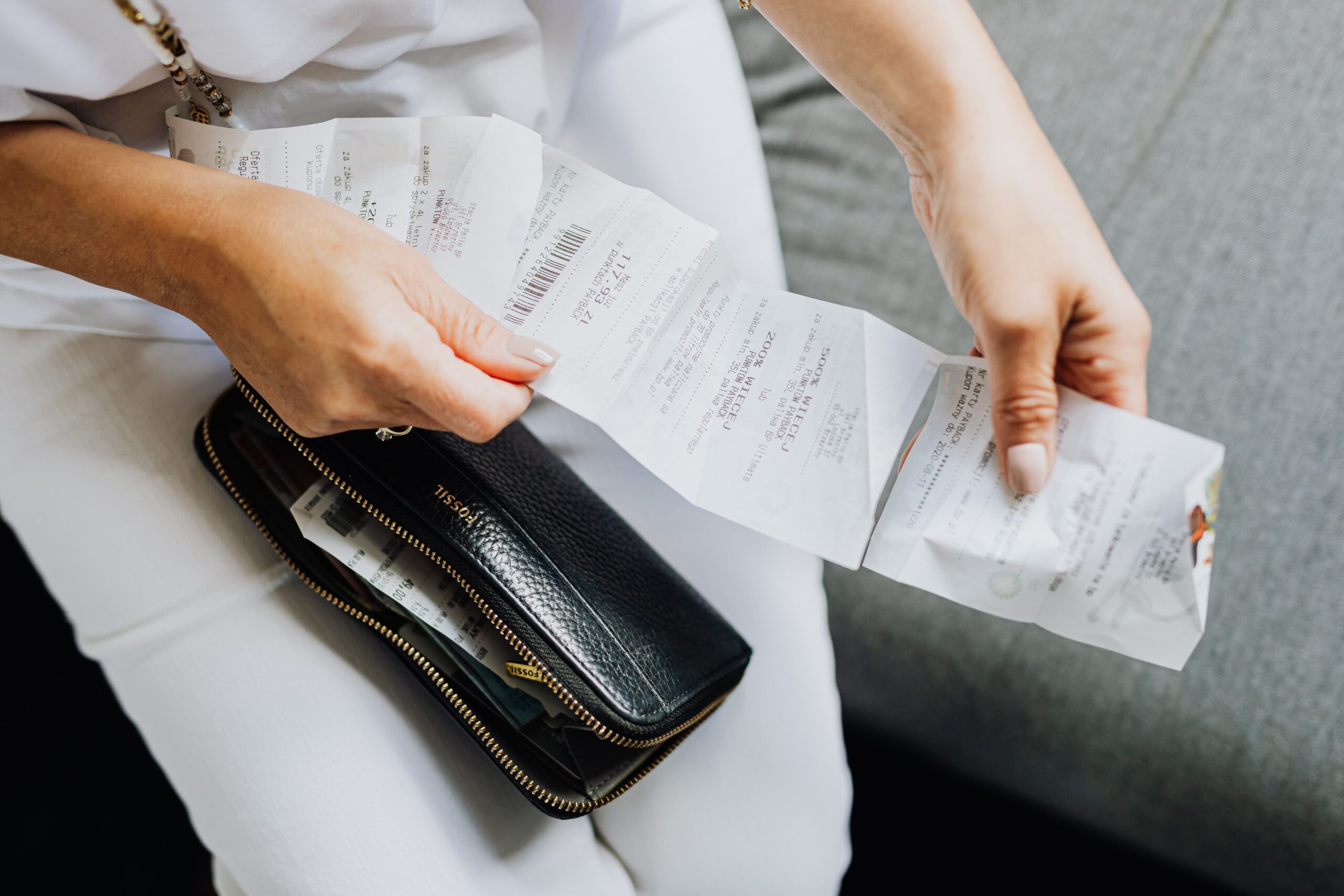
Payments typically arrive 2‑4 weeks after you submit a completed report, giving agencies time to verify receipts and audit your findings. Most companies use direct deposit or PayPal, while a few still issue checks for larger payouts.
Choosing a platform that offers electronic payouts can speed up cash flow, especially if you need funds for everyday expenses.
Where to Find Mystery Shopping Jobs Near Me
Higher‑Paying Mystery Shopping Platforms
Market Force, BestMark, and Secret Shopper are among the higher‑paying platforms, often listing gigs that provide a moderate reimbursement after expenses. Each site verifies store contracts, so you can trust that the assignment is legitimate before you invest time.
ShopperSync, Field Agent, and iSecretShopper specialize in hyper‑local offers, often posting tasks within a 10‑mile radius of your zip code. Their mobile‑first interfaces let you accept a job with a single tap.
How to Filter Gigs by Location and Type
Start by entering your zip code in the platform’s search bar, then use the “store type” dropdown to select retail, dining, or hospitality. Most dashboards display a map view, making it easy to spot assignments that fit your commute.
Saving your preferred filters as a preset can shave minutes off each login, letting you jump straight to relevant opportunities.

How to Become a Mystery Shopper: Step-by-Step
Creating a Professional Shopper Profile
Begin by completing the online registration form, providing a clear photo ID and a brief description of your shopping habits. Highlight any retail or hospitality experience, as agencies prioritize candidates who can blend in naturally.
Upload a short video introduction if the platform requests it; this boosts your visibility and reduces the chance of being flagged as a bot.

Submitting Your First Task Application
When a gig appears, read the brief carefully, noting required purchase amounts, specific questions, and any photo or video evidence needed. Click “Apply,” then wait for a confirmation email that includes a deadline and a unique report template.
After completing the shop, fill out the template, attach scanned receipts, and upload any requested photos before hitting “Submit.” A quick review by the agency usually follows within 48 hours.

Mystery Shopping Income Potential: What You Can Earn
Base Pay vs. Reimbursement vs. Bonuses
Base pay covers the time you spend on the shop, ranging from $10 to $30 per assignment. Reimbursement adds back the cost of purchased items, often matching the exact receipt total.
Some agencies offer performance bonuses for detailed reports, flawless photos, or completing multiple shops in a week; these bonuses can add a modest extra amount per gig.

Estimating Monthly Earnings by Region
In high‑density urban areas, shoppers often complete several gigs each month, which can generate a few hundred dollars after reimbursements. Suburban regions may yield fewer gigs, resulting in a more modest monthly total.
Adjust your expectations based on local store density and the number of agencies operating in your zip code; a broader network means more frequent assignments.
Common Retail Mystery Shopping Tasks Explained
Observation-Only vs. Interactive Shops
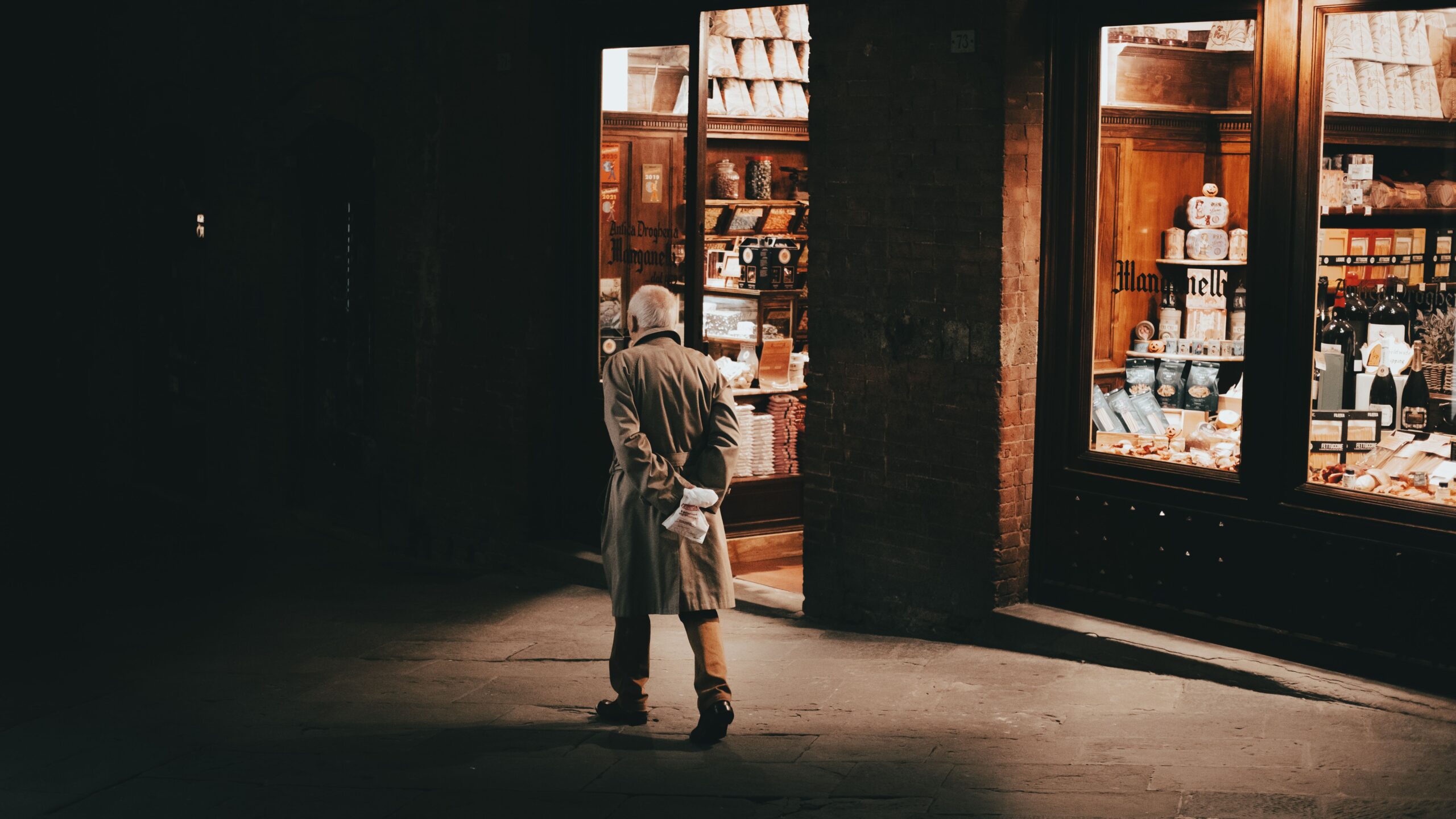
Observation‑only assignments ask you to note store cleanliness, signage placement, and staff uniform compliance without speaking to employees. Record these details in a checklist provided by the agency.
Interactive shops require you to ask specific questions, request a product demo, or evaluate checkout speed. Bring a notebook or a notes app to capture responses verbatim.

Required Tools and Documentation
Essential tools include:
- A smartphone with a good camera.
- A portable charger.
- A receipt‑scanning app.
- Optional: a voice‑memo recorder for quick summaries.
Before leaving the store, double‑check that you have captured all required photos: the receipt, the product shelf, and any promotional signage mentioned in the brief.

Pitfalls to Avoid: Scams and Disqualifications
How to Spot a Mystery Shopping Scam
Legitimate agencies never ask you to pay an upfront fee for access to gigs; a request for money is a red flag. Verify the company’s contact information on the Better Business Bureau or a government consumer site.
Be wary of offers that guarantee a fixed income or promise “instant payouts” without a clear reporting process; these often turn out to be phishing schemes.

Report Disqualification Triggers to Avoid
Missing a required photo, submitting an illegible receipt, or failing to answer all questionnaire items can lead to immediate disqualification and loss of payment.
Submitting a report after the deadline, even by a few hours, often results in a voided payout; set calendar reminders to stay on schedule.

Learn more about extra cash opportunities in our How to Write a Mystery Shopping Report guide.
Start freelancing alongside mystery shopping by visiting our Best Freelance Platforms page.
Explore fast‑pay micro‑task platforms in our Fast‑Pay Micro‑Task Platforms article.
Frequently Asked Questions
How much can I get paid for mystery shopping?
Earnings vary by assignment, but most shoppers earn $10‑$100 per gig plus the exact cost of any purchases, leading to typical monthly totals that can reach several hundred dollars in active markets.
Are mystery shopping jobs near me legitimate?
Yes, when you register with established agencies like Market Force, BestMark, or verified local apps, the gigs are contractually backed by the participating retailer.
Do I need to pay to get paid for mystery shopping?
No reputable platform charges an upfront fee; any request for payment before you receive a task is a common scam indicator.
How often do I get paid for mystery shopping?
Payments are processed 2‑4 weeks after you submit a verified report, with most agencies offering direct deposit or PayPal transfers.
Can I do mystery shopping jobs near me with a partner?
Most agencies require the shopper to be the sole individual completing the assignment; sharing a task can lead to disqualification and loss of payment.
What is the fastest way to get paid for mystery shopping?
Sign up with a platform that offers electronic payouts, complete an assignment with all required photos and receipts, and submit the report before the deadline to trigger the quickest 2‑week payment cycle.
Also Read: Mystery Shopping for Extra Cash: How It Works and What You Can Earn
Well, what do you think about the article?
Did you enjoy reading “How to Get Paid for Mystery Shopping in Your Area”? We really hope that you have enjoyed.
If you have any thoughts or comments about this post, please feel free to share them in the comment section below. We appreciate your feedback and would be glad to hear from you.
To see more content like this check the Beermoney section of Money For My Beer.

Chief Editor and Website Owner.
Hi, I’m Ryan. I write and edit everything on this site, which means I’m the last set of eyes on every post before it goes live. By day I’m a technical architect. I design and build enterprise systems, apps, websites, and the occasional game.
This site started because I wanted one place where money advice for regular people doesn’t read like it was written by a finance robot. My goal is simple: every article should be genuinely useful, actually tested against what real people are searching for, and written in plain English. No jargon, no “get rich quick,” no advice I wouldn’t follow myself.
You’ll see a lot of topics here that lean on my engineering background: software reviews, tools, and tech-adjacent money stuff. Where a topic needs real financial expertise, I say so plainly and point you to qualified sources rather than pretending.