
Quick answer: NJ Lottery payouts vary by game, wager type, and winning combination. Some games, such as Pick-3 and Pick-4, offer fixed prizes for specific bets.
Jackpot games such as Jersey Cash 5, Pick-6, Powerball, and Mega Millions can pay much larger amounts, with jackpot winners sometimes choosing between a lump-sum cash option and an annuity.
Last reviewed: October 8, 2026
Lottery prizes, game rules, claim procedures, and tax requirements can change. The official New Jersey Lottery and government sources linked throughout this guide should be used to confirm the current rules for a specific ticket.
NJ Lottery Payouts: How Much Can You Win?
There is no single NJ Lottery payout. The amount you can receive depends on the game you played and how closely your ticket matches the winning result.

For example, a $1 Pick-3 Straight wager currently pays $500 when all three digits match in the exact order. A $1 Pick-4 Straight wager currently pays $5,000 when all four digits match in the exact order.
Jackpot games work differently. The jackpot amount changes from drawing to drawing, and the advertised jackpot can represent the total value of an annuity rather than the amount available as an immediate cash payment.
Common NJ Lottery Payouts and Odds
The table below highlights common prize levels from several New Jersey Lottery draw games. It is not a complete prize chart for every game or wager type.
| Game | Winning result | Prize | Odds |
|---|---|---|---|
| Pick-3 | 3-number Straight, $1 wager | $500 | 1 in 1,000 |
| Pick-4 | 4-number Straight, $1 wager | $5,000 | 1 in 10,000 |
| Jersey Cash 5 | Match all 5 numbers | Jackpot | 1 in 1,221,759 |
| Pick-6 | Match all 6 numbers | Jackpot | 1 in 9,366,819 |
| Powerball | Match all 5 white balls and the Powerball | Jackpot | 1 in 292,201,338 |
| Mega Millions | Match all 5 white balls and the Mega Ball | Jackpot | 1 in 290,472,336 |
For current prize tables, jackpot amounts, and game rules, check the official NJ Lottery Pick-3 page, Pick-4 page, Jersey Cash 5 page, Pick-6 page, Powerball page, and Mega Millions page.
NJ Pick-3 Payouts
Pick-3 payouts depend on the type of wager you place. A Straight bet requires the numbers to match in the exact order. A Box bet wins when the numbers appear in any order.
| Pick-3 wager | $0.50 wager | $1.00 wager |
|---|---|---|
| Straight | $250 | $500 |
| 3-Way Box | $80 | $160 |
| 6-Way Box | $40 | $80 |
Pick-3 also offers Straight/Box and FIREBALL options with different prize structures. The official NJ Lottery Pick-3 odds and prizes page has the full current table.
NJ Pick-4 Payouts
Pick-4 works in a similar way, but there are four digits instead of three. The payout changes depending on whether you choose Straight, Box, Wheel, Straight/Box, or another available wager.
| Pick-4 wager | $0.50 wager | $1.00 wager |
|---|---|---|
| Straight | $2,500 | $5,000 |
| 4-Way Box | $600 | $1,200 |
| 6-Way Box | $400 | $800 |
| 12-Way Box | $200 | $400 |
| 24-Way Box | $100 | $200 |
The official NJ Lottery Pick-4 odds and prizes page also lists Wheel, Pair, Straight/Box, and FIREBALL payouts.
Jersey Cash 5 Payouts
Jersey Cash 5 is a jackpot game in which you select five numbers. The top prize goes to tickets matching all five numbers.
The current official prize table lists these examples for the base game:
| Match | Payout | Odds |
|---|---|---|
| 5 of 5 | Jackpot | 1 in 1,221,759 |
| 4 of 5 with BULLSEYE | $500 | 1 in 7,636 |
| 4 of 5 | $250 | 1 in 30,544 |
| 3 of 5 with BULLSEYE | $30 | 1 in 261 |
| 3 of 5 | $15 | 1 in 392 |
Jersey Cash 5 currently has a guaranteed starting jackpot of $150,000. The base wager is $2 per play, per draw, and includes BULLSEYE. XTRA can be added for an additional $1 and can increase eligible non-jackpot prizes.
See the official Jersey Cash 5 odds and prizes page for the current jackpot and complete prize structure.
Pick-6 Payouts
Pick-6 is another New Jersey jackpot game. The current odds of matching all six numbers are 1 in 9,366,819.
The official prize table currently lists an estimated $1,500 prize for matching five of six numbers, $30 for matching four of six, and $2 for matching three of six on a standard $2 play. Some non-jackpot prizes are marked as estimated because the amount can depend on sales and the number of winners.
The Pick-6 jackpot has a minimum prize of $2 million based on one winner and a 30-year graduated annuity.
See the official NJ Lottery Pick-6 payout table for the current jackpot and multiplier details.
Powerball Payouts
Powerball has a very large jackpot potential, but the odds of winning the jackpot are extremely long. The current jackpot odds are 1 in 292,201,338.
A ticket that matches the five white balls but not the Powerball currently wins a $1 million prize before any applicable multiplier or taxes. The official New Jersey Lottery page provides the full prize table, Power Play rules, and current jackpot information.
Powerball tickets cost $2 per play. Players can add Power Play for an additional $1. The jackpot is paid in 30 annual installments unless the cash option is selected.
Check the official Powerball odds and prizes page before relying on a current jackpot or prize amount.
Mega Millions Payouts
Mega Millions uses a separate prize structure from Powerball. The current jackpot odds are 1 in 290,472,336, and the overall odds of winning any prize are approximately 1 in 23.07.
A ticket matching all five white balls but not the Mega Ball currently wins $1 million before any applicable multiplier or taxes. Mega Millions also offers a multiplier that can increase certain non-jackpot prizes.
The jackpot is divided among multiple jackpot winners when necessary and is paid in 30 annual installments unless the cash option is selected.
The current Mega Millions play costs $5. For the complete prize table and multiplier information, see the official Mega Millions odds and prizes page.
NJ Lottery Cash Option vs. Annuity
One of the biggest questions after a major jackpot win is whether to take the advertised prize as a cash payment or as an annuity.
These are not simply two ways of receiving the same amount at different times. The advertised jackpot generally represents the total value of the annuity, while the cash option is a smaller lump sum based on the present value of the prize.
| Option | What you receive | Main consideration |
|---|---|---|
| Cash option | A lump-sum present value | You receive the money upfront, but the amount is lower than the advertised annuity value. |
| Annuity | Scheduled payments over the applicable payment period | You receive payments over time rather than the full present value immediately. |
Powerball and Mega Millions currently use 30-year annuities. Pick-6 also offers a 30-year graduated annuity for its jackpot.
The exact cash value can change because it depends on the amount available to fund the annuity and prevailing market conditions. That is why an advertised jackpot should not be treated as the amount you would necessarily receive in one check.
Are NJ Lottery Payouts Taxed?
Yes. Large NJ Lottery prizes can be subject to both federal and New Jersey taxes.
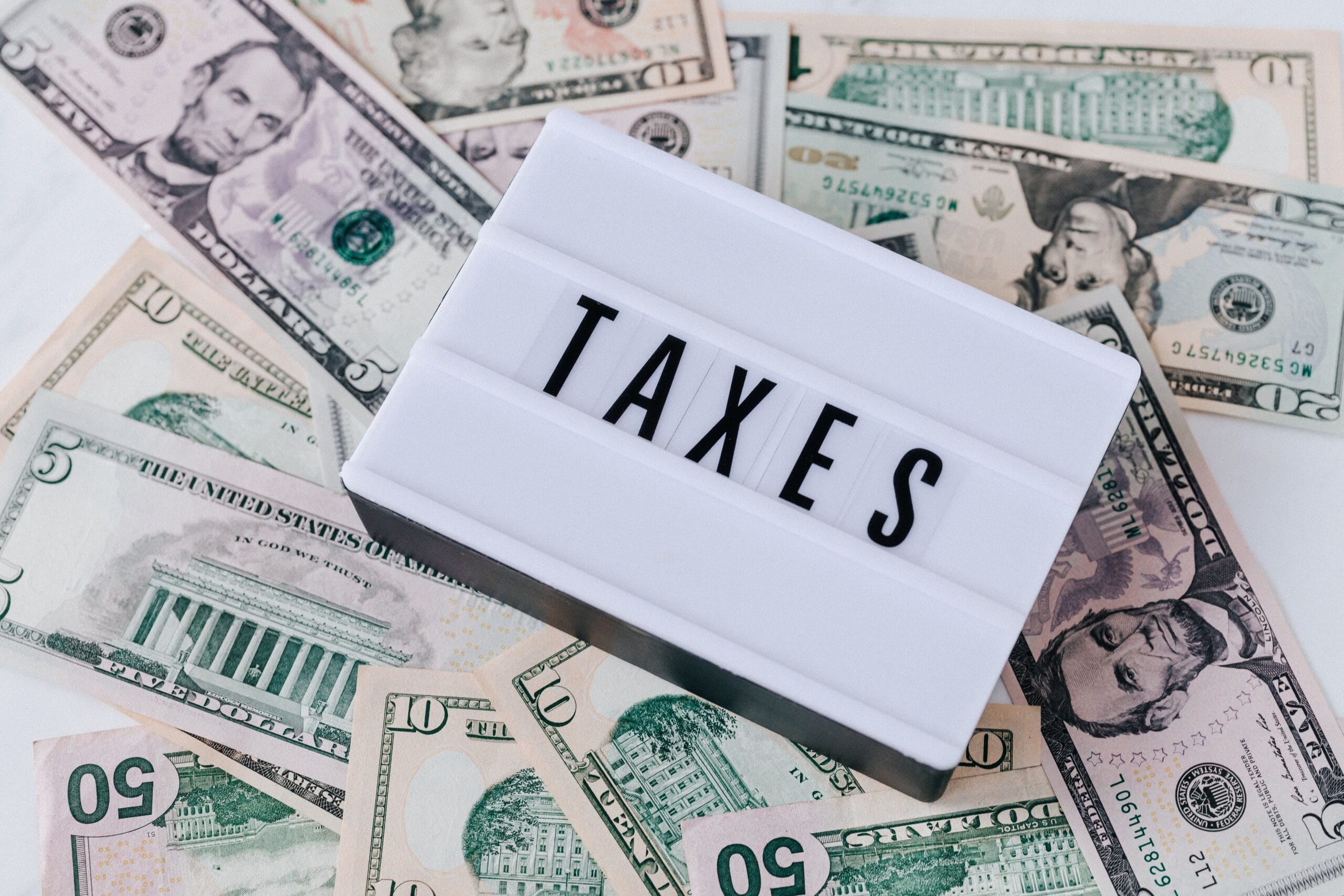
There is an important distinction between taxability and withholding. The amount withheld when you collect a prize is not necessarily the same as your final tax liability.
New Jersey Lottery Tax
New Jersey currently treats individual New Jersey Lottery prizes of more than $10,000 as taxable for New Jersey Gross Income Tax purposes. The individual prize amount determines taxability, not the total amount of all New Jersey Lottery prizes you receive during the year.
For example, two separate prizes of $5,000 and $6,000 are not subject to New Jersey Gross Income Tax under this lottery threshold. A single $11,000 prize is taxable.
For a taxable prize, New Jersey says the entire payout is subject to withholding, not just the amount above $10,000.
| NJ Lottery payout | New Jersey withholding |
|---|---|
| $10,000 or less | No NJ Lottery withholding under the $10,000 lottery threshold |
| $10,001 to $500,000 | 5% |
| More than $500,000 | 8% |
| More than $10,000 without a valid taxpayer identification number | 8% |
These are withholding rates, not a calculation of your final state tax bill. The New Jersey Division of Taxation’s lottery and gambling winnings guidance explains the current rules.
Federal Tax on NJ Lottery Winnings
Lottery winnings are also taxable as gambling income for federal purposes.
For qualifying lottery winnings, the IRS currently requires 24% federal withholding when winnings minus the wager exceed $5,000. That is a withholding rule. Your final federal tax liability can be higher or lower depending on your complete tax situation.
The IRS Form W-2G instructions and IRS Publication 17 provide the current federal rules.
Example: $20,000 NJ Lottery Prize
Suppose a U.S. taxpayer wins a qualifying $20,000 lottery prize.
Using the current withholding rates simply as an illustration:
- Federal withholding at 24%: $4,800
- New Jersey withholding at 5%: $1,000
- Total initial withholding: $5,800
- Amount remaining after those withholdings: $14,200
The $14,200 figure is only an example of initial withholding. It is not your final after-tax amount. Your actual tax bill depends on your broader federal and New Jersey tax circumstances.
How to Claim an NJ Lottery Prize
The claim process depends on the size of the prize.
| Prize | Current claim options |
|---|---|
| Under $599.99 | Can be redeemed for cash at a New Jersey Lottery retailer. |
| $600 to $10,000 | Can be claimed through the NJ Lottery Mobile App or by submitting a claim form through the available Lottery channels. |
| Over $599.99 | Requires a New Jersey Lottery claim form. Claims can be submitted through a retailer, by mail, or in person according to current Lottery instructions. |
The New Jersey Lottery recommends signing your ticket immediately, keeping it in a safe place, and validating it at an authorized retailer.
For prizes of approximately $25,000 or more, jackpot prizes, or winners who prefer to claim in person, the Lottery allows winners to request an appointment with a Lottery representative.
The Lottery’s current claim page also recommends making copies of the front and back of the ticket and the completed claim form before mailing a claim.
See the official NJ Lottery Claim a Prize and Tax Requirements page for the latest claim instructions and forms.
How Long Do You Have to Claim an NJ Lottery Prize?
New Jersey Lottery players generally have one year from the date of the drawing to claim a winning draw-game prize.
That deadline matters because an otherwise valid winning ticket can expire if it is not claimed in time.
The New Jersey Lottery has recently reminded players that winning tickets can expire exactly one year after the drawing date. Always check the rules for your specific game and ticket.
Can NJ Lottery Winners Remain Anonymous?
Yes. New Jersey law allows Lottery winners to remain anonymous to the general public.
However, anonymity does not mean that the winner can claim a prize without identification. The New Jersey Lottery requires proper identification for claim processing and federal reporting.
For a very large prize, the Lottery recommends seeking professional legal and financial advice before making major decisions about the money.
Shared lottery tickets require additional paperwork.
The New Jersey Lottery says the group should designate one person as the contact who submits the claim. IRS Form 5754 is used to identify the people who actually share the winnings and applicable taxes.
For large group prizes, keep copies of the winning ticket and claim documents and maintain clear records of each person’s share.
The Lottery also explains that certain term-annuity prizes can be paid through separate checks to group members, while life-annuity prizes have different rules.
See the official NJ Lottery prize claim guidance and the IRS information about Form 5754 for the current requirements.
Do NJ Lottery Payouts Count as a Reliable Income Source?
No. A lottery payout is a potential prize, not dependable income.
The difference becomes obvious when you compare the odds. Powerball’s current jackpot odds are about 1 in 292.2 million, while Mega Millions jackpot odds are about 1 in 290.5 million. Smaller games can offer much better odds of winning a prize, but their payouts are generally much smaller.
The New Jersey Lottery itself describes its products as entertainment rather than an income source. Lottery tickets therefore make more sense as discretionary entertainment spending than as part of a financial plan built around regular earnings.
If your goal is to make dependable extra money, Money For My Beer also covers alternatives such as online surveys that pay, fast-payout micro jobs, and freelancing. These involve work or participation rather than relying on a random prize.
NJ Lottery Payouts and Responsible Budgeting
If you choose to play, treat lottery spending as entertainment money rather than money you expect to earn back.

Set a limit before buying tickets and keep that amount separate from essential expenses such as housing, food, debt payments, and emergency savings.
A small purchase can look insignificant when viewed one ticket at a time. Repeated purchases can become a meaningful expense over a month or year.
For more information on responsible play, see the official NJ Lottery FAQ and its responsible-play resources.
Final Words
NJ Lottery payouts can range from a few dollars to life-changing jackpot prizes, but the amount advertised is not necessarily the amount you ultimately receive. The game, wager type, cash or annuity choice, and applicable taxes can all affect your final payout.

For smaller prizes, understanding the specific game’s payout table is usually enough. For a large jackpot, the decision becomes more complicated, particularly when taxes, payment options, and long-term financial planning are involved.
Lottery winnings are also unpredictable, so they should not be treated as a dependable source of income. If your goal is to find legitimate ways to make extra money, Money For My Beer covers practical alternatives such as online surveys that pay, cashback apps, and freelancing. These options involve earning through work, tasks, or participation rather than relying on the chance of winning a lottery prize.
Because lottery rules, jackpots, and tax requirements can change, always verify the latest information with the New Jersey Lottery, the New Jersey Division of Taxation, and the IRS before making decisions about a winning ticket.
Frequently Asked Questions About NJ Lottery Payouts
How much does the NJ Lottery pay for a winning ticket?
It depends on the game and winning combination. A $1 Pick-3 Straight wager currently pays $500, while a $1 Pick-4 Straight wager currently pays $5,000. Jackpot games have variable top prizes that change from drawing to drawing.
How much does Pick-3 pay in New Jersey?
A $1 Pick-3 Straight wager currently pays $500 when all three numbers match in the exact order. Box and other wager types have different payouts.
How much does Pick-4 pay in New Jersey?
A $1 Pick-4 Straight wager currently pays $5,000 when all four numbers match in the exact order. Box, Wheel, Straight/Box, and other available wager types have different payouts.
Is the NJ Lottery payout before or after taxes?
Published prize amounts are generally the prize amount before applicable taxes and withholding. For larger prizes, federal and New Jersey withholding can reduce the amount you initially receive.
Does New Jersey tax lottery winnings?
Yes. New Jersey currently taxes individual New Jersey Lottery prizes exceeding $10,000. The individual prize amount determines taxability rather than the total of all your lottery prizes for the year.
How much tax does New Jersey take from lottery winnings?
For a taxable NJ Lottery prize, New Jersey currently withholds 5% on payouts from $10,001 through $500,000 and 8% on payouts above $500,000. An 8% rate also applies when a claimant does not provide a valid taxpayer identification number.
How much federal tax is withheld from lottery winnings?
For qualifying lottery winnings, federal regular gambling withholding is currently 24% when winnings minus the wager exceed $5,000. Your final federal tax liability may be different from the amount withheld.
Is a $10,000 NJ Lottery prize taxable in New Jersey?
A New Jersey Lottery prize of exactly $10,000 is not subject to New Jersey Gross Income Tax under the current $10,000 threshold. A single prize of more than $10,000 is taxable, and the state’s withholding rules apply to the payout.
Is an $11,000 NJ Lottery prize taxable?
Yes. New Jersey currently treats a single NJ Lottery prize of $11,000 as taxable. The state says the entire payout is subject to withholding, not just the $1,000 above the threshold.
Is the NJ Lottery cash option less than the advertised jackpot?
Generally, yes. The advertised jackpot represents the annuity value, while the cash option is the present value available as a lump sum.
How long do you have to claim a NJ Lottery ticket?
New Jersey Lottery players generally have one year from the drawing date to claim a winning draw-game ticket. Check the specific game rules before relying on a deadline.
Can NJ Lottery winners remain anonymous?
Yes. New Jersey permits Lottery winners to remain anonymous to the public, although winners must still provide appropriate identification to the Lottery when claiming a prize.
Yes. Shared prizes require additional claim and tax paperwork. The group should designate a contact person, and IRS Form 5754 can be used to report the actual winners and allocate the winnings appropriately.
How long does it take to receive an NJ Lottery payout?
The New Jersey Lottery currently says its claim processing is taking approximately 4 to 6 weeks from the time it receives a claim to when the payment is received. Processing can take longer in some situations.
Official NJ Lottery Payout and Tax Sources
Lottery information changes more often than many other types of financial content, so we rely primarily on official New Jersey Lottery, New Jersey government, and IRS sources for payout and tax details.
- New Jersey Lottery. Claim a Prize and Tax Requirements
- New Jersey Lottery. Frequently Asked Questions
- New Jersey Lottery. Pick-3 Odds and Prizes
- New Jersey Lottery. Pick-4 Odds and Prizes
- New Jersey Lottery. Jersey Cash 5
- New Jersey Lottery. Pick-6
- New Jersey Lottery. Powerball
- New Jersey Lottery. Mega Millions
- New Jersey Division of Taxation. Lottery and Gambling Winnings
- IRS. Form W-2G Instructions
- IRS. Publication 17
Editorial note: This article provides general information and is not individualized tax, legal, or financial advice. Lottery rules, prize amounts, withholding requirements, and claim procedures can change. For a significant prize, verify the current information directly with the New Jersey Lottery, the New Jersey Division of Taxation, and the IRS, and consider obtaining qualified professional advice.
Also Read: Wingstop Wing Pass: Real Earnings for Side Hustlers?
Well, what do you think about the article?
Did you enjoy reading “NJ Lottery Payouts: Prize Amounts, Taxes & How to Claim”? We really hope that you have enjoyed.
If you have any thoughts or comments about this post, please feel free to share them in the comment section below. We appreciate your feedback and would be glad to hear from you.
To see more content like this check the Beermoney section of Money For My Beer.

Chief Editor and Website Owner.
Hi, I’m Ryan. I write and edit everything on this site, which means I’m the last set of eyes on every post before it goes live. By day I’m a technical architect. I design and build enterprise systems, apps, websites, and the occasional game.
This site started because I wanted one place where money advice for regular people doesn’t read like it was written by a finance robot. My goal is simple: every article should be genuinely useful, actually tested against what real people are searching for, and written in plain English. No jargon, no “get rich quick,” no advice I wouldn’t follow myself.
You’ll see a lot of topics here that lean on my engineering background: software reviews, tools, and tech-adjacent money stuff. Where a topic needs real financial expertise, I say so plainly and point you to qualified sources rather than pretending.