You can earn cash with online beer tasting panels by qualifying for remote consumer sensory panels and beverage focus groups that ship blinded samples directly to your doorstep. After receiving test cans or bottles, you evaluate flavor profiles, mouthfeel, and packaging via live web sessions or structured digital questionnaires in exchange for direct cash deposits or gift cards. Most casual participants earn between $25 and $75 per standard home-use test, while in-depth, moderated video focus groups pay up to $150 or more per study.
How to earn cash with online beer tasting panels: The quick start guide
Market research agencies regularly recruit everyday consumers to evaluate unreleased recipes, seasonal line extensions, and alternative packaging formats. These programs operate as in-home usage tests (IHUTs), where brands study how target demographics interact with products under real-world conditions.
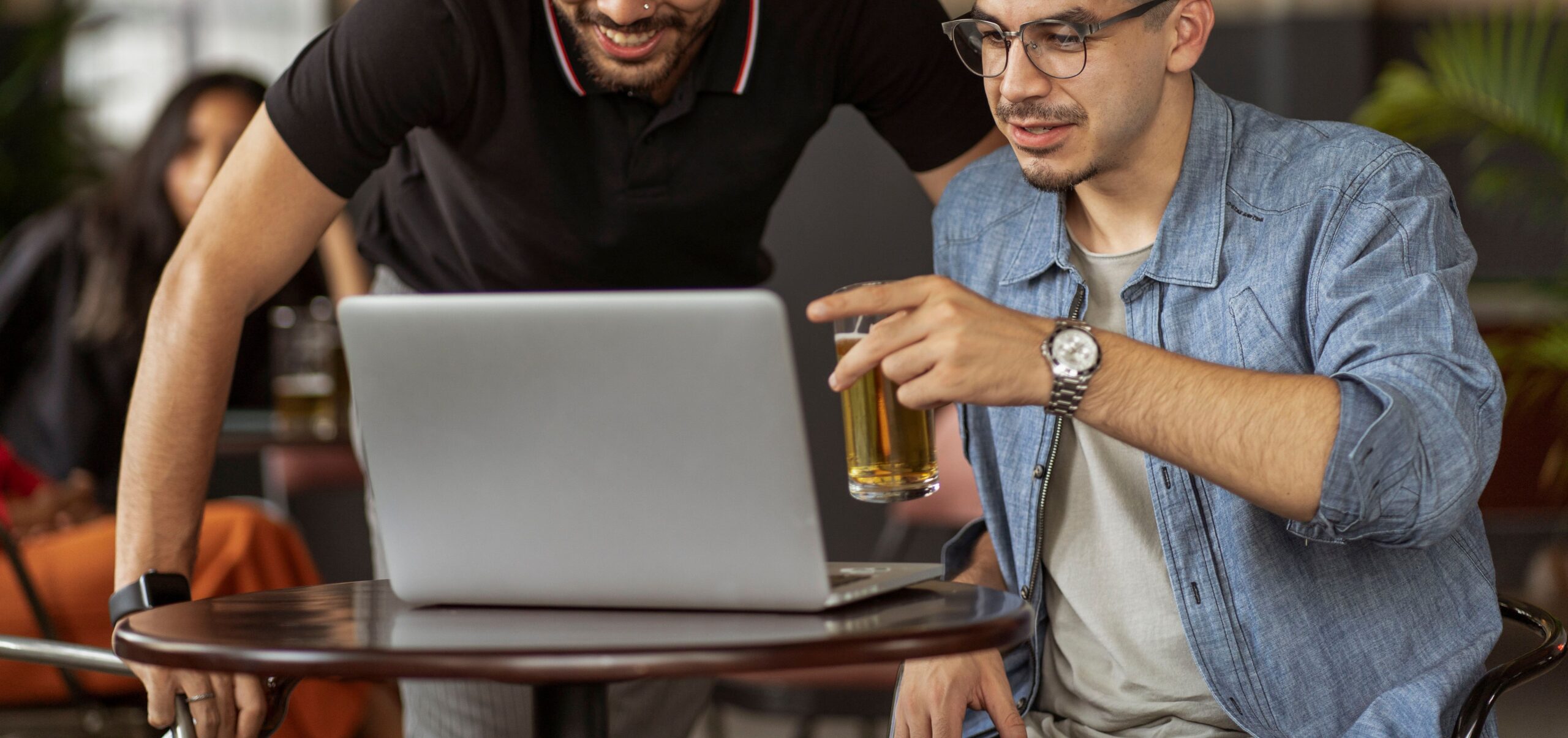
Participating requires no professional sommelier background or commercial brewing credentials. Market research agencies want authentic reactions from standard consumers across various demographics, ranging from casual macro lager drinkers to dedicated craft beer hobbyists who understand foundational beer basics.
What are virtual beer tasting panels?
A virtual tasting panel is a structured market research study conducted remotely rather than inside a commercial sensory lab. Research firms send participants a package containing coded, unbranded beverage samples, specialized serving instructions, and a digital evaluation link.
Researchers collect data on organoleptic attributes, which include aroma, appearance, initial palate impressions, carbonation levels, and lingering aftertaste. Depending on project scope, you will log observations through an asynchronous online survey or join a live, moderated video conference with other panel members.
Some studies examine physical vessel interaction alongside taste perceptions. Testers may evaluate can finishes, label designs, ease of opening, and poured head retention, making sensory feedback vital for beverage companies planning retail rollouts.
Realistic earnings and payout structures
Virtual sensory testing functions as an engaging micro-income source rather than full-time employment. Standard asynchronous taste tests typically pay between $20 and $50 for roughly 30 minutes of logged survey time, often distributed via PayPal, direct bank transfer, or prepaid debit cards.
Moderated focus groups demand more schedule flexibility and active discussion, commanding higher honorariums ranging from $75 to $200 per 90-minute session. Compensation arrives after researchers review your completed evaluation forms for consistency and thoroughness.
Payment distribution schedules vary across research networks. Some agencies issue rewards within 48 hours of study closeout, while corporate agencies process payouts on standard bi-weekly or monthly accounting cycles.
Best platforms to find online beverage testing jobs and focus groups
Securing steady invites requires registering with established market research aggregators and specialized sensory testing facilities. Legitimate companies never charge application fees and always handle alcohol shipping compliance legally.
| Platform | Study Format | Typical Payout | Payment Method | Best For |
|---|---|---|---|---|
| Curion | IHUT & Surveys | $25 – $60 | Prepaid Visa, Points | High-volume consumer goods |
| User Interviews | Moderated Web Panels | $50 – $150 | PayPal, Gift Cards | In-depth consumer feedback |
| Respondent.io | One-on-One Interviews | $75 – $200 | Direct PayPal Deposit | Industry-specific demographics |
| SIS International | Focus Groups & Diarized Logs | $60 – $175 | Check, Electronic Transfer | Beverage trend studies |
Top market research firms for alcohol consumers
Major consumer goods researchers frequently host online beverage testing jobs for household alcohol brands. Specialized sensory firms like Curion maintain consumer databases across multiple regions, matching local demographics with physical sample shipments.
Platforms like User Interviews and Respondent.io focus heavily on video-based focus groups and high-payout qualitative interviews. These studies explore drinking habits, brand perception, and retail purchasing decisions rather than just blind taste comparisons.
Local sensory testing facilities often recruit nationwide for home-shipment panels when testing shelf stability across diverse climates. Checking regional research facility listings expands your application pool beyond standard national survey portals.
How to sign up and build a strong tester profile
Complete every section of your background demographic profile immediately upon registration. Research algorithms filter candidates by household composition, geographic location, annual income bracket, and existing retail habits.
Specify your current purchasing habits accurately, highlighting your regular consumption of domestic beers, craft ales, imports, and low-calorie alternatives. Testing coordinators look for authentic target demographic profiles, meaning both daily drinkers and occasional weekend consumers fill valuable study quotas.
Always verify your age using proper documentation during initial portal onboarding. Delivering alcoholic beverages requires strict legal age verification to comply with regional transport and consumer protection regulations.
Setting up your home setup for a virtual beer tasting side hustle
Professional sensory panels demand controlled conditions so every participant experiences samples at target baseline standards. Preparing a clean, repeatable evaluation space ensures your feedback remains actionable for research scientists.
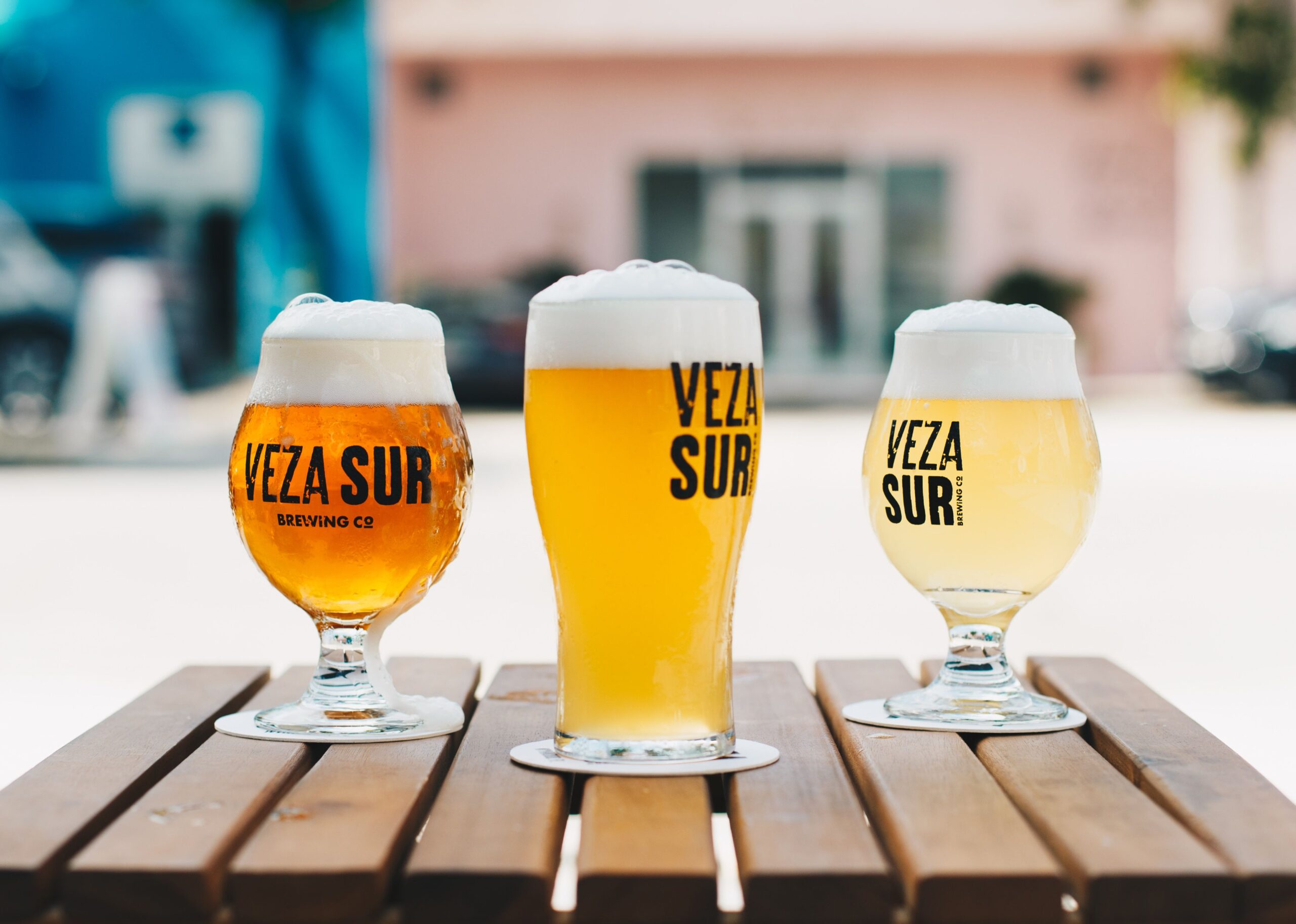
Adhering to tested practical beer tips regarding cleanliness and serving discipline keeps sensory variables stable across tests. External contaminants alter perceived bitterness and aroma, skewing valuable research data.
Essential glassware and temperature guidelines
Always clean your evaluation glassware with fragrance-free dish detergent and hot water, allowing glasses to air-dry completely. Lingering soap residues or fabric softeners coat glass walls, destroying head retention and skewing delicate hop aromas.
Maintain proper serving temperature ranges based on the specific style delivered in your test kit. Crisp lagers show best between 38°F and 45°F, while complex ales, stouts, and IPAs express their full aromatic spectrum closer to 50°F to 55°F.
Avoid drinking directly from shipping containers unless the study instructions explicitly direct you to evaluate can mouthfeel. Pouring liquid into clean glass releases dissolved carbon dioxide, allowing volatile aromatic compounds to reach your olfactory receptors properly.
Creating a neutral, aroma-free tasting space
Conduct every session in a well-ventilated room entirely free from competing ambient odors. Extinguish scented candles, turn off plug-in air fresheners, and avoid preparing meals with strong spices immediately before opening study samples.
Reset your taste buds between distinct beverage samples using plain tap water and unsalted soda crackers. This basic palate cleansing protocol removes residual bitterness, lingering sugars, and coating lipids from previous sips.
Schedule your evaluation sessions when you feel alert and free from fatigue. Sensory acuity naturally peaks in late morning or early evening hours before heavy meals dull your sensitivity to delicate flavor nuances.
A step-by-step walkthrough to get paid to drink beer online
Successfully navigating a remote beverage study involves several clear checkpoints. Following the protocol methodically protects your panel standing and guarantees approval for complete financial payouts.
- Complete initial email screening surveys within two hours of arrival to claim study spots before quotas fill.
- Sign legal delivery receipts upon carrier arrival to accept verified, age-restricted research packages.
- Inspect unbranded bottles or cans for shipping damage and refrigerate according to study instructions.
- Pour samples into neutral glassware under quiet, odor-free evaluation conditions.
- Submit real-time organoleptic feedback via mobile research apps or live video panel interfaces.
Passing screening surveys honestly
Screening questionnaires contain built-in qualification traps designed to eliminate participants guessing at preferred answers. Never claim you drink every beer style daily or purchase every brand listed on the screening questionnaire.
Provide completely honest feedback regarding your weekly expenditure, preferred brands, and shopping locations. Brands regularly look for defectors from competing products, meaning regular consumers of budget brands hold identical research value to craft beer collectors.
Be prepared to decline studies gracefully when you do not meet targeted consumer demographics. Rushing through initial screening questions with contradictory answers triggers fraud algorithms and flags your tester profile for account suspension.
Completing the tasting session and feedback form
When executing your evaluation, take detailed notes using specific descriptive language rather than generic reactions. Describing a sample as exhibiting dank citrus notes with a dry malt finish provides tangible value, whereas simply stating a beer tastes good provides zero data.
Answer every mandatory open-ended prompt thoroughly without relying on automated text tools or copied phrases. Quality assurance managers review free-response submissions, and generic, low-effort paragraphs risk survey rejection without monetary compensation.
Take clear photos of the opened container and poured glass if required by the test protocol. Many remote research projects require visual confirmation to verify that testers adhered to carbonation and pouring instructions.
Maximizing your earnings with a beer focus group side hustle
Treating this hobby like a structured gig economy income stream maximizes your financial returns over the calendar year. Panelists who stay organized receive preferred placement on invite-only consumer boards.

Exploring adjacent digital income channels, such as selling craft beer merch online, complements your tasting payouts while keeping you immersed in the beverage market landscape.
Managing multiple research panel accounts
Maintain active registrations across at least four to six reputable research databases simultaneously. Individual research panels run alcohol projects intermittently, so spreading your participation across multiple agencies ensures a steady flow of invitations.
Set up dedicated browser notifications or a separate email folder specifically for consumer panel alerts. High-paying studies often fill demographic quotas within thirty minutes of sending announcement notifications.
Log completed studies, payment statuses, and sample tracking numbers in a basic spreadsheet. Tracking your panel response rates helps identify which research agencies yield the highest hourly returns for your demographic profile.
Understanding legal and tax limits on side income
Side income earned from market research studies represents taxable freelance income in most jurisdictions. In the United States, research networks issue Form 1099-NEC to panelists who accumulate $600 or more across a single calendar year.
Track all received digital gift cards, PayPal deposits, and direct checks throughout the year to maintain clean accounting. Retain records of any incidental supplies purchased specifically for testing, such as dedicated tasting glasses or required palate cleansers.
Ensure your participation complies with state and local alcohol delivery regulations. Certain states restrict direct-to-consumer alcohol sample shipments, meaning participants in those jurisdictions may only qualify for packaging or non-liquid studies.
Evaluating beer money testing platforms: Scams and red flags to avoid
The popularity of online tasting gigs makes the space a target for fraudulent operators seeking personal financial data. Knowing how to evaluate testing platforms keeps your identity and finances protected.
Legitimate market research panels never ask panelists to pay registration fees, cover sample shipping costs, or purchase products upfront with promises of reimbursement via personal check.
Common scams targeting home brewers and beer drinkers
The most pervasive threat involves the classic fake check scam, where fraudsters send counterfeit cashier checks under the guise of an alcohol evaluation assignment. They direct victims to deposit the check, retain a tasting fee, and wire excess funds to third-party shipping couriers.
Another common scheme involves clone websites mimicking legitimate research aggregators to harvest Social Security numbers and banking credentials during initial onboarding. Real testing platforms only request sensitive tax identity details after you hit statutory payout thresholds.
Be suspicious of unsolicited direct messages on social media platforms offering hundreds of dollars for simple beer tasting assignments. Legitimate market research operations screen participants through secured corporate domains rather than private social media channels.
How to verify legitimate market research companies
Verify potential research partners through recognized professional trade bodies like the Insights Association or ESOMAR. Membership in these organizations requires strict compliance with international ethical research practices and consumer data privacy standards.
Search independent panelist communities on platforms like Reddit’s r/BeerMoney to read authentic member experiences. Consistent reports of delayed payments, arbitrary account closures, or non-responsive support indicate an unreliable testing network.
Check the sender domain on all study correspondence before clicking assessment links. Official correspondence from established firms originates from verified corporate domains rather than generic free webmail accounts.
Frequently Asked Questions
How can I earn cash with online beer tasting panels safely?
Register exclusively with accredited market research firms like Curion, User Interviews, and Respondent. Never share banking credentials during preliminary profile setup, and never pay upfront fees for sample shipping. Legitimate agencies provide study materials completely free of charge and pay out via established channels like PayPal or direct gift cards.
What equipment do I need for a virtual beer tasting side hustle?
You need basic, aroma-neutral glassware, an accurate digital refrigerator thermometer, fresh water, and unsalted crackers for palate cleansing. For moderated live sessions, you will also need a reliable internet connection, a quiet room, and a working webcam and microphone on your laptop or smartphone.
How much do online beverage testing jobs actually pay?
Standard home-use surveys evaluate single products and pay $20 to $50 for approximately 30 minutes of logged sensory feedback. Interactive, moderated video panels and beverage focus groups pay higher compensation, typically ranging from $75 to $200 per 60 to 90-minute session depending on demographics and research complexity.
Are beer focus group side hustle platforms legal and safe?
Yes, established beverage testing panels operate legally within local and federal consumer research guidelines. Legitimate companies verify age compliance using adult signature-required delivery services and never distribute alcoholic products to minors. They protect your personal data according to standard market research privacy laws.
How do I sign up to get paid to drink beer online?
Begin by creating free profiles on established market research directories and sensory evaluation platforms. Fill out your demographic surveys thoroughly, verify your legal drinking age, and respond immediately to incoming email screeners to claim open study slots before panel capacity fills up.
Also Read: Beer Basics: A Practical Guide
Well, what do you think about the article?
Did you enjoy reading “How to Earn Cash With Online Beer Tasting Panels”? We really hope that you have enjoyed.
If you have any thoughts or comments about this post, please feel free to share them in the comment section below. We appreciate your feedback and would be glad to hear from you.
To see more content like this check the Beermoney section of Money For My Beer.

Chief Editor and Website Owner.
Hi, I’m Ryan. I write and edit everything on this site, which means I’m the last set of eyes on every post before it goes live. By day I’m a technical architect. I design and build enterprise systems, apps, websites, and the occasional game.
This site started because I wanted one place where money advice for regular people doesn’t read like it was written by a finance robot. My goal is simple: every article should be genuinely useful, actually tested against what real people are searching for, and written in plain English. No jargon, no “get rich quick,” no advice I wouldn’t follow myself.
You’ll see a lot of topics here that lean on my engineering background: software reviews, tools, and tech-adjacent money stuff. Where a topic needs real financial expertise, I say so plainly and point you to qualified sources rather than pretending.