
Online surveys can be an easy way to earn a little extra money in your spare time.
The catch is that they are not as simple as many advertisements make them sound.
You may receive several survey invitations one day and very few the next. You may also spend a few minutes answering screening questions only to find out that you do not qualify.
That is normal.
Paid surveys are part of the wider market-research industry. Companies and researchers use surveys to collect opinions, experiences, and other information from people who fit particular requirements. Some research organizations compensate participants for taking part in surveys and other studies.
The important thing is to approach surveys with realistic expectations.
You are generally looking at supplemental money, not a predictable replacement for a regular income.
This guide explains how paid surveys work, why people get screened out, what affects your earnings, how to identify questionable opportunities, and how to decide whether a survey is worth your time.
Last reviewed: October 2, 2026
How Do Paid Surveys Work?
Most survey platforms follow a similar basic process.
You create an account, complete a profile, and receive invitations to studies that may match your characteristics.
A typical survey experience looks like this:
- Create an account with a survey platform.
- Complete your profile.
- Browse available surveys or receive an invitation.
- Answer screening questions.
- Complete the survey if you qualify.
- Receive the applicable reward.
- Withdraw or redeem your balance according to the platform’s rules.
The important detail is step four.
Being invited to a survey does not necessarily mean you qualify for it.

Researchers may need a very specific type of participant. For example, a study could be looking for people who recently purchased a particular product, use a certain service, work in a specific industry, or belong to a particular household demographic.
That is why your experience can vary so much from someone else’s.
Research organizations also use quality-control measures. These can include checks for unusually fast responses, inconsistent answers, and other response patterns that may indicate poor-quality data. Pew Research Center, for example, describes quality checks used to identify inattentive respondents in online opt-in samples.
Can You Really Make Money From Online Surveys?
Yes, but there is no standard amount that everyone can earn.
Your results depend on factors such as:
- Your country or region
- Your demographics
- Your interests and household characteristics
- How many surveys are available
- How often you qualify
- The reward offered for each study
- How much time you spend completing surveys
- The payout options available to you
This is why broad claims about making a fixed amount every day should be treated cautiously.
A survey platform may have plenty of opportunities available for one participant but very few for another. Even on the same account, availability can change from week to week.
Some research platforms also operate differently from traditional reward-based survey sites. Prolific, for example, connects participants with research studies and shows eligible participants the expected payment and estimated time before they take part.
So instead of asking:
“How much does this survey site pay?”
A more useful question is:
“How much am I actually getting for the time I spend?”
That distinction makes it much easier to decide whether surveys fit your goals.
What Affects How Much You Earn?

There are several reasons two people can have completely different survey experiences.
Your profile
Survey researchers often need specific groups of people.
Your age, location, employment, household, purchasing habits, interests, and other characteristics can influence which studies you see.
Current research demand
Survey availability changes according to what companies and researchers are trying to learn at a particular time.
There may be a lot of demand for one audience and very little for another.
Qualification rate
You will not necessarily qualify for every survey you open.
Some screening questions are designed to identify eligible participants before the full survey begins.
Time required
A survey that pays more is not automatically a better opportunity.
A $2 survey that takes 10 minutes may make more sense for you than a $3 survey that takes 30 minutes.
Payout rules
The advertised reward is not the entire story.
Look at the minimum withdrawal amount, payment method, processing time, fees, and any account requirements.
A small balance that you can actually withdraw can be more useful than a larger balance trapped behind a high redemption threshold.
Why Do Survey Sites Screen You Out?
Screen-outs are one of the most common complaints about paid surveys.
You might answer several questions before being told that you are not eligible.
That can feel like wasted time, but there is a reason it happens.
Researchers often need a controlled sample rather than simply “anyone willing to take a survey.”
For example, imagine a company wants feedback from people who purchased a new type of smartphone during the past three months.
Someone who has never purchased that type of phone is not the participant the researcher needs.
This is also why changing your answers to try to qualify for more studies is a bad idea.
Instead, keep your profile accurate and answer screening questions honestly. Inconsistent or careless responses can create quality problems and may reduce the usefulness of the research.
How to Decide Whether a Survey Is Worth Your Time
The headline reward is only one number.
Try looking at the reward relative to the time required.
For example:
Survey A
Reward: $0.75
Estimated time: 5 minutes
Survey B
Reward: $2
Estimated time: 25 minutes
Survey B pays more, but Survey A gives you a much better return for the estimated time.
You should also consider the possibility of being screened out.
A survey with a high advertised reward can become a poor use of time if you repeatedly spend several minutes on screening without qualifying.
You do not need to calculate an exact hourly rate every time. A simple comparison is often enough:
Would I be happy spending this much time for this reward?
Over time, however, tracking your actual results can be useful.
Record the time you spend, the rewards you receive, and the amount you successfully withdraw. After a few weeks, you will have a much clearer picture of whether a particular platform works for you.
What Makes a Survey Site Worth Trying?
Before joining a survey platform, look for straightforward information about how it operates.
A useful checklist includes:
Clear reward information
You should be able to understand how rewards are earned and how they are calculated.
Transparent withdrawal rules
Check the minimum amount required to withdraw and the available payment methods.
Clear terms and privacy information
Survey participation often involves personal or demographic information. Read the platform’s privacy policy and the survey’s own information before sharing anything you are uncomfortable providing.
Realistic claims
Be skeptical of websites promising unusually large amounts for a few minutes of very simple work.
A way to contact the company
A legitimate service should make it reasonably clear who operates it and how users can get support.
These checks do not guarantee that you will enjoy using a particular platform, but they can help you avoid obvious problems before spending your time.
Red Flags to Watch For
Be particularly careful with supposed survey opportunities that:
- Ask you to pay an upfront membership fee to access ordinary surveys
- Promise guaranteed or unusually high earnings
- Ask you to deposit money to unlock your earnings
- Hide basic payout or withdrawal information
- Provide little information about who operates the service
- Pressure you to provide sensitive information unrelated to the research
- Arrive through unexpected messages with promises of fast money
The Federal Trade Commission advises people looking for online work to be especially cautious of opportunities that promise easy money, request upfront payments, or ask for personal information without a legitimate reason. Its guidance also specifically warns against task scams that show fake earnings and then demand that victims deposit their own money to unlock them.
A simple rule is worth remembering:
Never pay someone just to get paid.
Be Careful With Your Personal Information
Getting paid for research means sharing some information with the research company or platform.
That does not mean you should provide everything a survey asks for automatically.
Before continuing, consider:
- Why is this information being requested?
- Is it relevant to the study?
- Who is collecting it?
- What does the privacy policy say?
- Are you comfortable with how the information may be used?
Be especially cautious when a supposed survey requests highly sensitive information that does not appear relevant to the research.
You should also distinguish between information requested by the research platform itself and information requested inside an individual study. They may have different privacy notices and purposes.
Taking a minute to understand what you are agreeing to can be more valuable than rushing into another survey.
How Do Paid Survey Sites Pay?
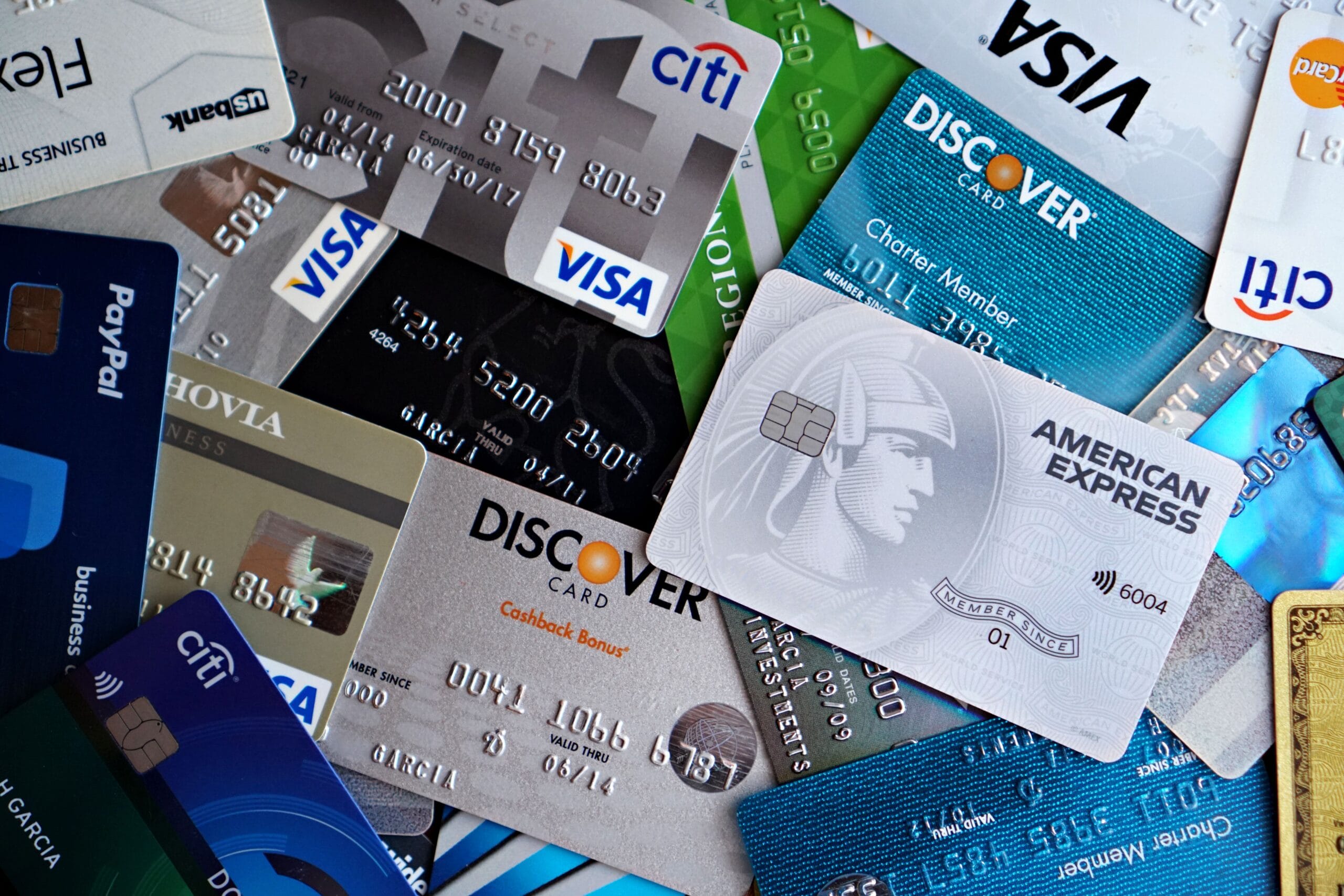
Payment methods vary between platforms and countries.
Common options can include:
- PayPal
- Gift cards
- Bank transfers
- Other digital rewards
Some platforms use cash values while others use points that can later be redeemed.
Before spending a lot of time on a platform, check:
Minimum withdrawal: How much do you need before you can redeem?
Payment method: Is your preferred option available in your country?
Processing time: Does the platform process withdrawals immediately, or can it take several business days?
Fees: Does the platform deduct anything from the payout?
Verification: Are there additional requirements before you can withdraw?
The word “instant” can also be misleading.
A platform may process an eligible withdrawal quickly while still requiring you to complete a survey, wait for the reward to be approved, reach the minimum balance, or pass an account review first.
That is why fast payout and fast earnings are two different things.
What About Survey Sites That Pay Through PayPal?
PayPal is popular because it is a flexible digital payment method, but it does not automatically make a survey platform better.
The important questions are still the same:
How much can you realistically earn?
How often do you qualify?
What is the minimum withdrawal?
How long does processing take?
Are there fees?
Is the service available where you live?
If your main goal is finding survey platforms with fast PayPal withdrawals, see our dedicated guide to legit survey sites that pay instantly via PayPal.
Should You Use More Than One Survey Platform?
You can, provided you follow the rules of each service.
Using more than one platform can make sense because survey availability varies.
One service might have several relevant studies while another has none. Having a small number of legitimate options can therefore reduce your dependence on one source.
But there is no need to sign up for every survey site you find.
More accounts also mean more emails, more terms to keep track of, and more small balances scattered across different platforms.
A better approach is to test a few options and track your actual results.
Keep the platforms that regularly provide opportunities you can qualify for and that give you a reasonable experience when it comes time to withdraw.
Tips for Getting More From Paid Surveys
There is no trick that can guarantee more survey invitations.
However, a few practical habits can help you avoid wasting time.
Keep your profile accurate
Update your profile when your circumstances genuinely change.
Accurate information helps platforms match you with studies that are actually looking for someone like you.
Read the estimated completion time
Use the expected time to compare opportunities before you start.
Don’t rush
Read each question carefully.
Survey research depends on usable responses, and quality-control systems can identify unusually fast or inconsistent answering.
Use a dedicated email address
A separate email account can keep survey invitations, account notifications, and payout messages away from your personal inbox.
Track your actual earnings
Don’t rely entirely on what a platform advertises.
Keep your own record of time spent and money withdrawn. Your personal results are more useful than a generic maximum-earnings claim.
Surveys vs. Microtasks
Paid surveys are only one type of online earning opportunity.
Microtask platforms can involve things such as data checking, categorization, research, testing, annotation, and other small assignments.
The work is different.
With a survey, the main thing you provide is your opinion, experience, or feedback.
With a microtask, you are usually completing a defined task.
If you are interested in online work beyond surveys, our guide to instant payout micro jobs and apps covers that category separately.
This distinction also prevents this article from trying to become a generic guide to every type of online side hustle.
Surveys vs. Focus Groups
Focus groups and research interviews are another step beyond the typical short survey.
They may involve:
- Video interviews
- Moderated discussions
- Product testing
- Usability sessions
- Diary studies
- Longer research projects
These opportunities can require more screening and more participant time, but the individual incentives can also be different.
For example, research platforms may recruit people with a specific professional background, purchasing experience, or other characteristics that are harder to find.
If that kind of opportunity interests you, see our separate guide to online focus groups for higher-paying research opportunities.
The focus-group article is the better place to compare research platforms and individual study incentives. This page is intentionally focused on the broader paid-survey topic.
Surveys vs. Other Side Hustles
Surveys can be useful when you have short periods of free time.
They are less suitable when your main objective is maximizing income from every hour you work.
Other types of side income may involve skills, physical work, transportation, research participation, or longer-term projects.
For a broader look at different ways to earn with flexible work, see our guide to gig economy side hustles that pay daily or fast.
You can also explore receipt-scanning apps that pay real cash if you want an option connected to purchases you are already making.
The point is not to find one perfect platform.
It is to understand what type of work fits the amount of time, effort, and flexibility you actually have.
Are Online Surveys Worth It?
They can be.
For someone looking to make a little extra money during spare time, paid surveys can be a legitimate option.
But the value depends heavily on your individual experience.
Consider these questions after using a platform for a while:
How many surveys did I actually qualify for?
How much did I earn?
How much time did I spend?
How often did I get screened out?
How easy was it to withdraw my money?
Was I comfortable with the information I provided?
Those answers are much more useful than a headline promising a maximum daily income.
A platform that gives you a few worthwhile opportunities each week may be a better fit than one that advertises huge theoretical earnings but rarely matches your profile.
Frequently Asked Questions
Are online surveys that pay legitimate?
Yes, paid surveys are a legitimate part of market research, and research organizations do compensate participants in some cases. Payment methods and eligibility vary by study and platform.
The important thing is to distinguish legitimate research opportunities from sites making unrealistic promises or asking participants for money upfront.
How much money can I make from online surveys?
There is no reliable universal figure.
Your results depend on your location, profile, survey availability, qualification rate, time commitment, and the rewards available through the platforms you use.
Treat survey income as supplemental rather than guaranteed.
Why do I get rejected from so many surveys?
Researchers often need a very specific participant group.
You may be screened out because you do not match the study requirements, because the sample quota has been filled, or for another eligibility reason.
Screen-outs are a normal part of many survey systems.
Do paid surveys pay through PayPal?
Some do.
The available payment methods, withdrawal thresholds, fees, and processing times vary by platform and country.
For current platform-specific PayPal information, see our guide to survey sites with fast PayPal payouts.
Can I use multiple survey sites?
Yes, where permitted by the platforms’ terms.
Using a few legitimate services can give you access to more opportunities when one platform has limited survey inventory.
There is no need to join every platform available.
Do I need a computer to take paid surveys?
Not always.
Many survey platforms support smartphones, while others may offer opportunities that work better on a computer.
Check the individual platform or study requirements before participating.
Should I create a separate email for surveys?
A dedicated email address can be useful for organization.
It keeps survey invitations and account notifications separate from your personal inbox and makes it easier to spot payout or verification messages.
Are survey sites safe?
That depends on the individual platform.
Before signing up, check who operates the service, how rewards work, what information it collects, what its privacy policy says, and how withdrawals work.
Avoid opportunities that ask you to pay money to unlock earnings or promise unusually high returns for almost no work. The FTC specifically advises consumers not to pay to get paid and warns about online task scams that use fake earnings and deposits.
Are paid surveys a good side hustle?
They can be a reasonable source of supplemental money if you have spare time and realistic expectations.
They are usually less predictable than work where you control the amount of work available, such as freelancing or some gig jobs.
What if I want higher-paying research opportunities?
Look beyond ordinary short surveys.
Focus groups, interviews, usability studies, product research, and other research formats can involve more time and more selective screening.
Our guide to online focus groups for higher-paying research opportunities covers that category separately.
Final Thoughts
Online surveys that pay are real, but they are not magic money.
The number of opportunities you receive can vary. You may be screened out. Some surveys will simply not be worth the time.
That does not make the entire category useless.
It means you need to evaluate surveys like any other side-income opportunity.
Look at the reward.
Look at the time.
Look at the qualification process.
Look at the payout rules.
And look at how your own results compare after you have actually used the platform.
Most importantly, don’t let a large advertised earning figure convince you to ignore the details.
A few worthwhile surveys during your spare time can be useful.
They just need to be treated for what they are: a flexible way to earn some supplemental money, not a guaranteed paycheck.
For current platform-specific payout information, continue with our legit survey sites that pay instantly via PayPal, or explore instant payout micro jobs and online focus groups for other types of flexible research and online work.
Also Read: Legit Survey Sites That Pay Instantly via PayPal in 2026
Well, what do you think about the article?
Did you enjoy reading “Online Surveys That Pay: How Paid Surveys Work and What to Expect”? We really hope that you have enjoyed.
If you have any thoughts or comments about this post, please feel free to share them in the comment section below. We appreciate your feedback and would be glad to hear from you.
To see more content like this check the Beermoney section of Money For My Beer.

Chief Editor and Website Owner.
Hi, I’m Ryan. I write and edit everything on this site, which means I’m the last set of eyes on every post before it goes live. By day I’m a technical architect. I design and build enterprise systems, apps, websites, and the occasional game.
This site started because I wanted one place where money advice for regular people doesn’t read like it was written by a finance robot. My goal is simple: every article should be genuinely useful, actually tested against what real people are searching for, and written in plain English. No jargon, no “get rich quick,” no advice I wouldn’t follow myself.
You’ll see a lot of topics here that lean on my engineering background: software reviews, tools, and tech-adjacent money stuff. Where a topic needs real financial expertise, I say so plainly and point you to qualified sources rather than pretending.