Traveling the world without draining your bank account is no longer a pipe‑dream; it’s a realistic goal for anyone willing to learn a few smart tricks. In this budget travel handbook we’ll walk you through proven methods to cut costs on flights, lodging, food, and more, while still soaking up authentic experiences. Whether you’re a solo wanderer or a small group, the strategies below will help you stretch every dollar.
Last checked: September 28, 2026
Mastering Flight Deals and Flexible Booking

Using Flight Search Engines Effectively
Modern flight search engines aggregate prices from dozens of airlines, giving you a bird’s‑eye view of the market. Tools like Google Flights let you explore price trends over a month, while Skyscanner excels at finding hidden routes that combine low‑cost carriers.
When you start your search, set the “flexible dates” toggle. This instantly reveals cheaper departures a few days before or after your preferred travel window, often saving 15‑30%.
The Power of Flexible Dates and Nearby Airports
Airports a short train ride away can be dramatically cheaper. For example, flying into Manchester instead of London frequently cuts ticket costs by half, and a quick National Rail connection gets you to the city center within an hour.
Use the “nearby airports” filter on Kayak or Momondo to compare options side by side. Even a 30‑minute longer drive can translate into hundreds of saved dollars.
Setting Up Price Alerts for Savings
Price alerts act like a personal travel agent that notifies you the moment a fare drops. Create alerts on Hopper or Airfarewatchdog and let the app push notifications to your phone.
When an alert fires, act fast—airline pricing algorithms often raise the fare again within hours. Pair alerts with a credit‑card that offers travel rewards, and you’ll capture both the discount and the points.
Affordable Accommodation Options Beyond Hostels

Apartment Rentals vs. Hotels
When you stay longer than a few nights, apartment rentals often beat hotels on price per night. Platforms like Airbnb and Vrbo let you filter for “entire place” and “instant book,” ensuring a hassle‑free experience.
Beyond cost, having a kitchen means you can cook meals, turning a $30‑day dining budget into a $10‑day one. Look for listings with a “self‑check‑in” lockbox to avoid late‑night front desk fees.
Work Exchanges and House Sitting
For the truly adventurous, work exchanges swap labor for free lodging. Websites like Workaway and HelpX list farms, hostels, and NGOs that provide meals and a private room in exchange for a few hours of help each day.
House‑sitting platforms such as TrustedHousesitters let you stay in a local’s home while they’re away, often in upscale neighborhoods you couldn’t afford otherwise.
Boutique Guesthouses and Bed and Breakfasts
In many European towns, boutique guesthouses offer a charming alternative to generic hostels. They usually include a hearty breakfast, which saves you the cost of a morning café run.
Search for “family‑run B&B” on Booking.com and sort by “price low to high.” You’ll often find rooms under $50 per night that include Wi‑Fi and a personal touch.
Smart Transportation Choices on the Ground
Public Transit Passes and Daily Tickets
Most major cities sell public transit passes that dramatically lower per‑ride costs. For instance, a 7‑day metro pass in Berlin costs less than three single tickets.
Download the city’s official transit app—often Moovit or Transit—to see real‑time schedules and plan the fastest routes without buying paper tickets.
Ridesharing and Carpooling Apps
When public transit isn’t available, ridesharing can still be economical if you share the ride. Apps like BlaBlaCar connect drivers with passengers heading the same direction, splitting fuel costs.
In some Asian cities, Grab and Gojek offer “carpool” options that are cheaper than standard taxis and often include a safety rating system.
Walking and Cycling as Viable Options
For short distances, walking is the ultimate free transport. Many historic districts are pedestrian‑only, letting you explore without spending a cent.
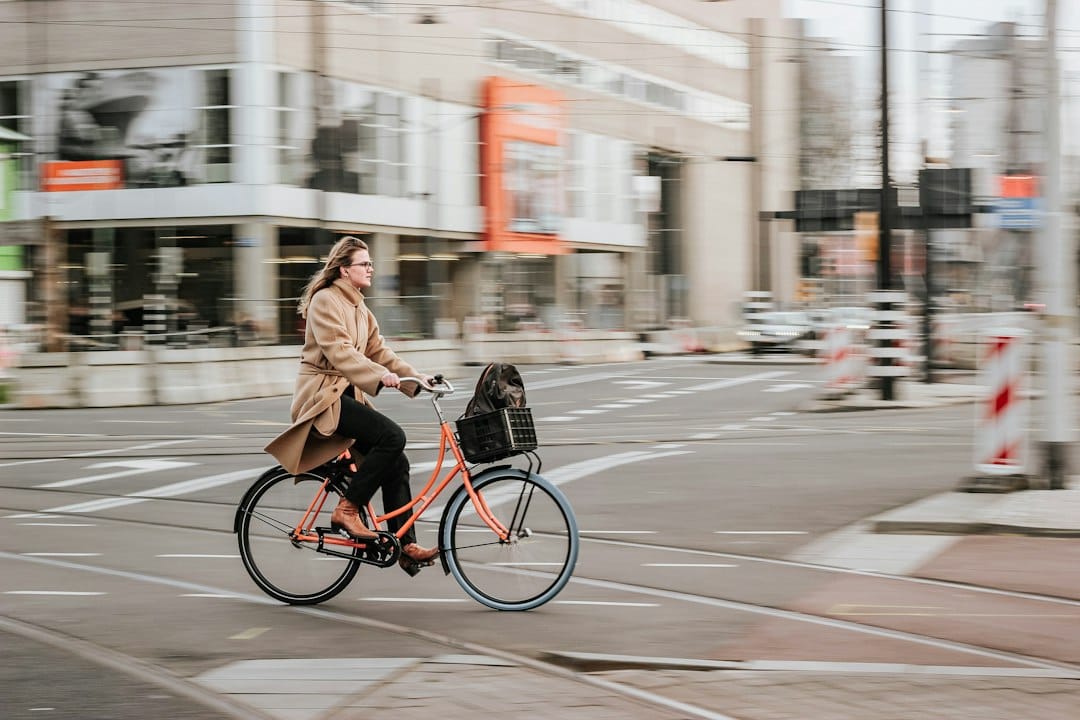
Rent a bike through city bike‑share schemes like Vélib’ in Paris or Santander Cycles in London. Daily rates are often under $5, and you get a healthy dose of exercise.
Eating Well on a Tight Travel Budget

Dining Like a Local, Not a Tourist
Tourist traps typically charge a premium for a subpar meal. Instead, ask locals where they eat—often a small alley or a market stall.
Look for menus written in the native language; these usually indicate authentic, lower‑priced dishes. For example, a “currywurst” stand in Berlin will cost half of what a downtown restaurant charges.
Street Food Safety and Selection
Street food can be both delicious and safe if you follow a few guidelines. Choose stalls with a high turnover—if the line is long, the food is fresh.
Check that the vendor uses clean utensils and that cooked items are served hot. When in doubt, ask locals which stalls they trust; word‑of‑mouth is the best health inspector.
Grocery Shopping for Self‑Catering
Supermarkets offer a treasure trove of cheap, ready‑to‑eat items. A grocery run for breakfast items like yogurt, fruit, and granola can keep you under $5 per day.
Many European chains have “discount” sections where you can grab bread, cheese, and cured meats at a fraction of the price. Pair these with a local wine from a bulk bin for a simple, budget‑friendly dinner.
Travel Insurance and Risk Management

What Basic Travel Insurance Should Cover
Even on a shoestring budget, travel insurance is a non‑negotiable safety net. Look for policies that cover trip cancellation, medical emergencies, and baggage loss.
Providers like World Nomads and Allianz Travel offer flexible plans that let you add “adventure sports” coverage if you plan to hike or surf.
Healthcare Abroad and Emergency Funds
Medical costs abroad can skyrocket. A small emergency fund—say $200 in a separate debit account—ensures you can pay for urgent care before the insurer reimburses you.
Research whether your home country’s health system has reciprocal agreements with your destination. In the EU, a European Health Insurance Card (EHIC) can cover many basic services for free.
Protecting Your Belongings and Data
Travel theft is a real risk, especially in crowded hubs. Use a RFID‑blocking travel wallet and keep a digital copy of your passport on a secure cloud service.
Consider a portable VPN app like ExpressVPN when using public Wi‑Fi, protecting your banking credentials from prying eyes.
Maximizing Free Activities and Attractions
Free Walking Tours and City Passes
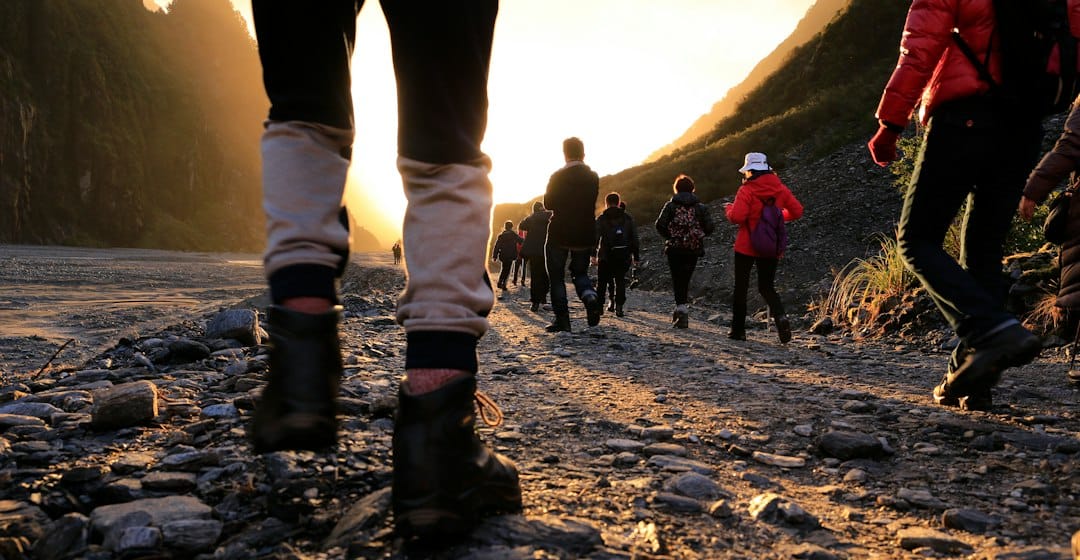
Many cities offer “tip‑based” walking tours that are technically free—just pay what you think the guide earned. These tours cover major sights without the price tag of a private guide.
Some destinations also provide complimentary city passes that grant access to museums and public transport. For example, the “Oslo Pass” includes free entry to over 30 attractions.
Parks, Museums, and Hidden Gems
National parks often have “free entry days” each month. Check the official park website for dates and plan your hike accordingly.
Many museums waive fees after certain hours—like the Louvre’s “late night” entry on Fridays. Use these windows to soak up culture without spending a cent.
Local Festivals and Community Events
Community calendars list free festivals, concerts, and street performances. Attending a local holiday celebration can give you authentic cultural immersion for zero cost.
Check social media groups or the city’s tourism board website for up‑to‑date event listings. You’ll often discover pop‑up markets and art installations that aren’t in guidebooks.
Learn more about budget travel hacks
Frequently Asked Questions
How can I find the cheapest flights for my trip?
Use flexible date searches on Google Flights or Skyscanner, set price alerts, and consider nearby airports. Booking 6‑8 weeks in advance and traveling mid‑week usually yields the best rates.
What are the best low‑cost accommodation options besides hostels?
Apartment rentals on Airbnb, work exchanges via Workaway, and boutique guesthouses listed on Booking.com often provide more space and kitchen facilities for less than a typical hostel.
Is travel insurance really necessary for budget travelers?
Yes. Even a basic policy covering medical emergencies and baggage loss can protect you from unexpected costs that would otherwise ruin a low‑budget trip.
How can I eat well without spending a lot on food?
Eat where locals eat, choose street food stalls with high turnover, and shop at supermarkets for breakfast and snacks. Cooking your own meals in an apartment rental can slash food expenses dramatically.
What free activities can I enjoy in most cities?
Free walking tours, city parks, museum late‑night hours, and community festivals are readily available in most destinations and provide authentic experiences without a price tag.
How do I stay safe with my belongings and data while traveling cheap?
Use an RFID‑blocking wallet, keep digital copies of important documents, and protect your internet connection with a VPN app like ExpressVPN. A small emergency cash reserve also helps in case of theft.
Also Read: BudgetAir.com Review: Is It Legit Or A Scam?
Well, what do you think about the article?
Did you enjoy reading “Budget travel: A Practical Guide”? We really hope that you have enjoyed.
If you have any thoughts or comments about this post, please feel free to share them in the comment section below. We appreciate your feedback and would be glad to hear from you.
To see more content like this check the Travel section of Money For My Beer.

Chief Editor and Website Owner.
Hi, I’m Ryan. I write and edit everything on this site, which means I’m the last set of eyes on every post before it goes live. By day I’m a technical architect. I design and build enterprise systems, apps, websites, and the occasional game.
This site started because I wanted one place where money advice for regular people doesn’t read like it was written by a finance robot. My goal is simple: every article should be genuinely useful, actually tested against what real people are searching for, and written in plain English. No jargon, no “get rich quick,” no advice I wouldn’t follow myself.
You’ll see a lot of topics here that lean on my engineering background: software reviews, tools, and tech-adjacent money stuff. Where a topic needs real financial expertise, I say so plainly and point you to qualified sources rather than pretending.