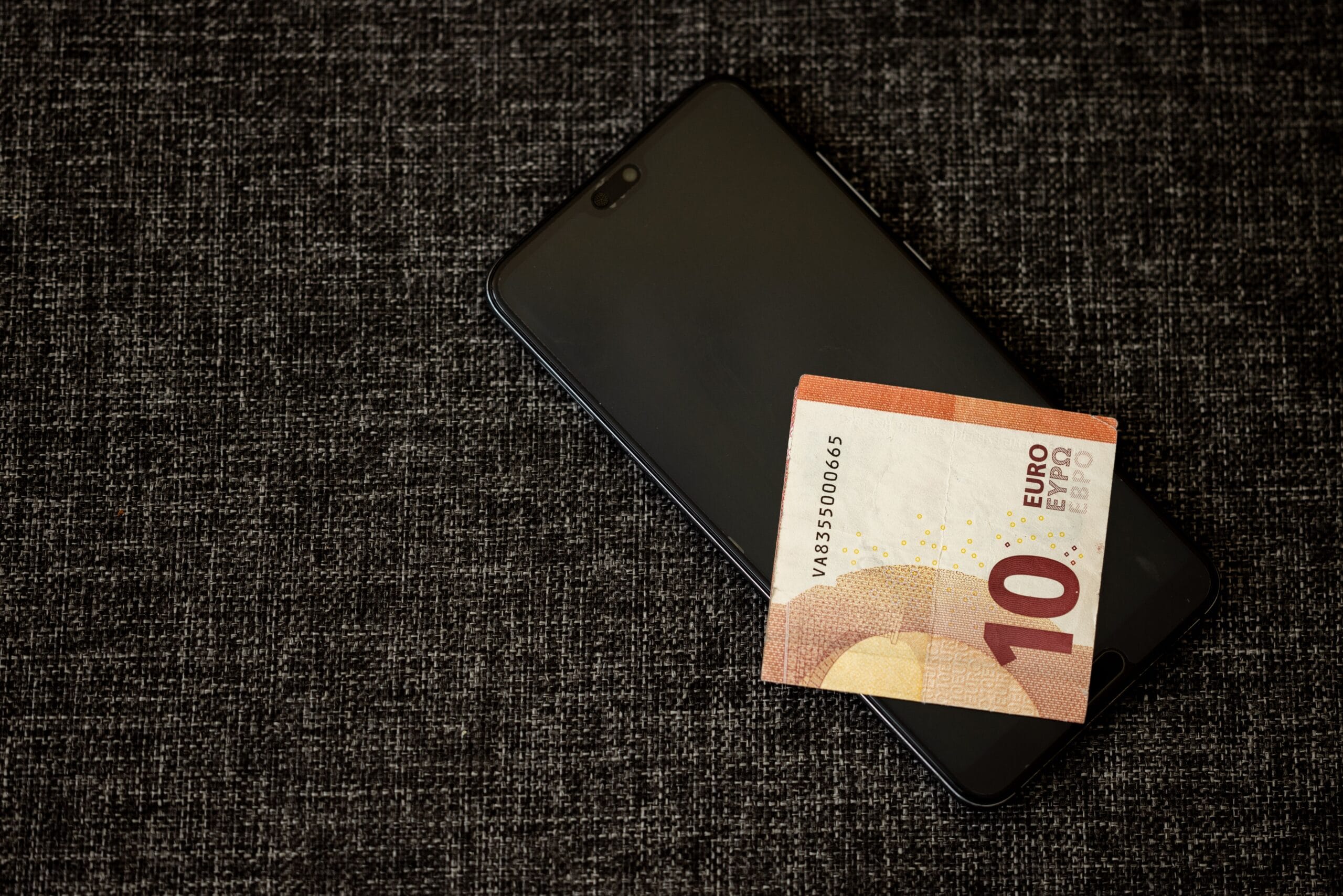
Cashback apps can be a simple way to get some money back on purchases you were already planning to make.
Instead of paying for something and getting nothing in return, a cashback app may give you a percentage of the purchase back as cash or another reward.
The idea sounds almost too easy, but there is a straightforward business model behind it. Retailers spend money to attract customers, and cashback platforms can share part of the revenue they receive for referring shoppers.
The catch is that cashback is still tied to spending. A 5% cashback offer does not save you money if it convinces you to spend money on something you did not need.
This guide explains how cashback apps work, how they make money, how to choose one, why cashback sometimes fails to track, and how to get the most value without overspending.
Last reviewed: October 4, 2026
What Are Cashback Apps?
Cashback apps are services that reward you after you make qualifying purchases.
Depending on the app, you might earn cashback by shopping through the platform, activating an offer before buying, linking a payment method, or submitting a receipt.
The reward may be paid as cash, a bank transfer, an e-wallet balance, PayPal payment, gift card, or another form of redemption.
The exact process varies from one service to another, so it is important to read the current terms for each offer.
Cashback is best viewed as a rebate on spending, rather than a traditional way of earning income.
For more ways to make extra money online, see our Beermoney Guide.
How Do Cashback Apps Work?
Most shopping cashback apps follow a similar process.
1. Find a participating retailer
You open the cashback app or website and search for the store you want to use.
The store may offer a percentage of cashback, a fixed amount, or a temporary promotional rate.
Cashback rates can change, so the offer you see today may not be the same one available next week.
2. Activate the offer
Many cashback services require you to start your shopping session through their app, website, or browser extension.
This creates the tracking connection between the cashback platform and the retailer.
Some services may have different requirements, such as activating an offer before visiting a physical store or linking an eligible payment method.
3. Complete your purchase
You then shop normally on the retailer’s website or in the store.
The purchase still needs to meet the offer’s terms.
For example, an offer may exclude certain products, coupon codes, shipping charges, taxes, or marketplace sellers.
4. Wait for the purchase to be tracked
The cashback may initially appear as pending rather than immediately available.
The retailer usually needs to confirm that the transaction was completed and was not canceled, returned, or otherwise excluded.
5. Receive and redeem the reward
Once the transaction is approved, the cashback becomes available according to the platform’s rules.
You can then redeem it using the payment method supported by the service.
The time between purchase and withdrawal can vary significantly between platforms and merchants.
How Do Cashback Apps Make Money?
This is one of the most common questions people have about cashback.
Why would a company give you money simply for shopping?
For many shopping cashback platforms, the answer is affiliate marketing.
A retailer can pay a commission when a cashback platform sends a shopper who completes a qualifying purchase. The cashback service then shares some of that commission with the shopper.
For example, Rakuten explains that merchants pay it a commission for sending customers to their websites, and Rakuten shares that commission with members as cashback. Awin describes a similar cashback model in its affiliate documentation.
You can see the basic model explained by Rakuten and Awin’s cashback documentation.
This also explains why clicking through the cashback app can matter.
The merchant needs to know that the cashback platform referred the customer. If the purchase is not attributed correctly, the cashback may not be credited.
What Types of Cashback Apps Are There?
“Cashback app” can describe several different reward models.
| Type | How it works | Usually best for |
|---|---|---|
| Shopping cashback | Start your purchase through the app or website | Online shopping |
| Receipt rewards | Upload qualifying receipts after shopping | Groceries and everyday purchases |
| Payment-linked offers | Use an eligible card or payment method | People who already use participating payment methods |
| In-store cashback | Activate an offer and purchase at a participating store | Physical shopping |
| Travel cashback | Book hotels, flights, or other travel through a cashback service | Planned travel purchases |
These models are related, but they should not be treated as identical.
A shopping portal may depend on affiliate tracking, while a receipt-reward app may work by collecting purchase information and rewarding users for eligible receipts or products.
Our guide to receipt scanning apps that pay real cash covers that category in more detail.
Are Cashback Apps Legit?
Yes, legitimate cashback services exist.
But that does not mean every app promising cashback is trustworthy.
A legitimate cashback platform should explain how rewards work, how transactions are tracked, what purchases qualify, and how users can withdraw their rewards.
Before joining a cashback app, look for:
Clear reward terms
You should be able to understand how much cashback an offer provides and what conditions apply.
Transparent payout rules
Look for the minimum withdrawal amount, available payment methods, processing times, and any restrictions.
A real company or identifiable operator
The service should provide enough information to understand who operates it and how to contact support.
A privacy policy
Cashback services may process information about your shopping activity, device, location, or account.
The U.S. Federal Trade Commission recommends checking what shopping apps collect, how information is used, and with whom it may be shared before using them.
See the FTC’s guidance on shopping apps for more information.
Realistic claims
Be skeptical of services promising unusually large amounts of money for ordinary purchases.
Cashback percentages can be attractive, but they generally apply to specific qualifying transactions and should not be treated as guaranteed income.
How Much Money Can You Make With Cashback Apps?
There is no standard amount that everyone can earn.
Your cashback depends mainly on how much you spend on qualifying purchases and which offers are available.
Consider a simple example:
- $50 purchase at 2% cashback = $1 cashback
- $100 purchase at 5% cashback = $5 cashback
- $200 purchase at 3% cashback = $6 cashback
These examples show why cashback is generally better viewed as a savings tool than a side job.
Someone who spends very little may receive only a small amount of cashback.
Someone who is already making a large qualifying purchase may receive a much larger reward.
The important part is that the purchase should make sense before you consider the cashback.
Are Cashback Apps Really Saving You Money?
They can, but only if you use them carefully.
Suppose a cashback app offers 10% back on a $100 purchase.
You might receive $10 in cashback.
But if you bought the $100 item only because the cashback promotion made it look like a bargain, you did not really save $10. You spent $100 you may not otherwise have spent.
A better strategy is:
Need something → compare prices → check cashback → make the purchase if the deal still makes sense.
That keeps the cashback working for you rather than encouraging unnecessary spending.
How to Choose a Cashback App
The highest advertised cashback rate is not necessarily the best reason to choose a service.
Consider these factors instead.
1. Stores you already use
A cashback app is much more useful when it works with retailers you already shop from.
Do not change your normal buying habits simply to chase a reward.
2. Cashback rates
Compare the current rate, but remember that cashback rates can change frequently.
A rate shown in an old article may no longer be available.
3. Payout options
Check whether you can withdraw your rewards in a way that is useful to you.
Depending on the platform and country, this could include PayPal, bank transfers, e-wallets, or gift cards.
4. Minimum cashout
A small minimum withdrawal requirement can make a platform much more practical for occasional shoppers.
A large balance that takes months to reach is less useful than a smaller balance you can actually redeem.
5. Tracking reliability
Look at the platform’s instructions for activating and tracking purchases.
A slightly lower cashback rate may be worth it if the service is easier to use and more reliable for your normal shopping.
6. Privacy
Read the privacy policy before handing over personal or shopping information.
A free cashback service still has to make money somehow, and understanding its data practices helps you decide whether the tradeoff is worthwhile.
Why Didn’t My Cashback Track?
Missing cashback is one of the most frustrating parts of using these services.
You may follow the instructions and still end up with no reward.
Possible reasons include:
- The offer was not activated correctly
- The purchase did not qualify
- The retailer could not attribute the sale to the cashback platform
- Another referral or marketing link received the credit
- You used an excluded coupon or promotion
- The purchase included an excluded product or seller
- The order was returned or canceled
- The cashback is still pending
- The offer changed or expired
Tracking rules vary between platforms, so always check the individual offer before assuming something went wrong.
For expensive purchases, it is also sensible to keep your order confirmation and a screenshot of the offer.
The FTC similarly recommends keeping records of online purchases, including information about what you ordered, when you ordered it, and what you paid. See its online shopping guidance.
How to Get More Cashback Without Spending More
There are a few simple ways to improve the value you get from cashback.
Start with purchases you already planned
This is the most important rule.
Do not shop simply because a cashback percentage looks attractive.
Compare the final price
Cashback should be considered alongside the actual purchase price, shipping, discounts, and other costs.
A retailer offering 8% cashback is not automatically cheaper than another retailer offering 2%.
Check cashback before checkout
Make checking for cashback part of your normal shopping routine.
That way, you can look for available offers without letting the offer itself determine what you buy.
Check the exclusions
Read the fine print.
A headline cashback rate may apply only to certain categories, products, or transaction types.
Keep your purchase records
Save important order confirmations, receipts, and offer details.
This is particularly useful when you need to report missing cashback.
Don’t waste time chasing tiny differences
If one service offers 3% and another offers 3.5%, the difference may be insignificant for a small purchase.
Convenience and reliable tracking can be worth more than a slightly higher rate.
Can You Stack Cashback With Other Discounts?
Sometimes.
You may be able to combine cashback with a retailer sale, coupon, loyalty program, or credit card reward.
But stacking is not guaranteed.
Some cashback services specifically exclude certain promotional codes or purchases made using particular discounts.
Always check the cashback terms before assuming that multiple rewards will apply.
The safest approach is to compare the final cost and confirmed rewards, not the number of promotions you can theoretically stack.
Cashback Apps in the Philippines
Cashback availability varies by country.
For readers in the Philippines, one example is ShopBack Philippines. Its current website advertises cashback on participating shopping and travel offers and says users can withdraw eligible cashback through PayPal, GCash, or a bank account.
See the current ShopBack Philippines offers directly because participating merchants, cashback rates, promotions, and terms can change.
The broader lesson applies everywhere: a cashback app is only useful if its merchants and payout options fit your location.
A service that is popular in the United States may have a very different selection of stores and withdrawal methods in another country.
Cashback Apps vs. Paid Surveys
Cashback and paid surveys both appear in the broader beermoney space, but they work in very different ways.
Cashback rewards you for qualifying purchases.
Paid surveys reward you for participating in market research.
That means cashback is usually easiest for someone who is already shopping, while surveys require time spent answering questions and qualifying for studies.
Our Online Surveys That Pay guide covers the survey model in more detail, including qualification, payout rules, and how to judge whether a survey is worth your time.
Cashback Apps vs. Receipt-Scanning Apps
There is also some overlap between cashback apps and receipt-reward apps, but they are not always the same thing.
A traditional shopping cashback service usually requires you to start your purchase through the platform so the sale can be tracked.
A receipt-reward service may instead ask you to upload a receipt after shopping.
That distinction matters because the process, privacy considerations, eligible purchases, and rewards can all be different.
Read our receipt scanning apps guide if you are more interested in earning rewards from grocery and retail receipts.
Can Cashback Apps Replace a Side Hustle?
Usually not.
Cashback is connected to spending, so your reward potential is naturally limited by the purchases you make.
That makes it very different from freelancing, gig work, surveys, or other ways of exchanging time or skills for money.
Cashback is better viewed as a small optimization to your existing spending.
For someone already making regular online purchases, it can add up over time.
For someone who is trying to generate meaningful monthly income without spending money, other types of side hustles are generally more appropriate.
Our Beermoney Guide covers a wider range of ways to earn extra money online.
Are Cashback Apps Safe?
Safety depends on the individual platform.
Before signing up, consider three things:
Who operates it?
Look for a clearly identified company, established website, support information, and published terms.
What information does it collect?
Read the privacy policy and app-store data disclosures.
The FTC notes that shopping apps can collect information about purchases, payment activity, location, and other personal information. It recommends understanding how this information is used and shared before using the app.
What does it promise?
Be skeptical when an opportunity promises unusually high rewards with almost no effort.
A cashback app that clearly explains its terms is much easier to evaluate than one built around vague promises.
Never Pay Money to Unlock Cashback or Earnings
There is an important distinction between paying for something you voluntarily purchase and being told to pay money so you can access supposed earnings.
The Federal Trade Commission warns about side-hustle and task scams that promise easy money and then demand upfront payment.
The FTC’s advice is straightforward: legitimate opportunities should not require you to pay upfront just to get paid.
Read How to Avoid a Side Hustle Scam before trusting an unfamiliar money-making opportunity.
This is not a reason to assume every cashback service is a scam.
It is simply a useful rule for protecting yourself.
A Simple Way to Measure Whether a Cashback App Is Worth It
The easiest way to judge a cashback app is to track what you actually get back.
For a few weeks, record:
Money spent on qualifying purchases
Cashback credited
Cashback successfully withdrawn
You can then calculate:
Cashback received ÷ qualifying spending = effective cashback rate
For example, if you spend $500 on qualifying purchases and successfully receive $15 in cashback:
$15 ÷ $500 = 3% effective cashback
That is more useful than looking at a promotional offer that you never successfully received.
You can also track how much time you spend checking offers or fixing missing transactions.
A cashback app that requires a lot of effort for very small rewards may not be worth keeping.
Cashback Apps: What to Remember
Cashback apps are not magic money machines.
They are usually part of a marketing and shopping ecosystem where retailers pay platforms for referred business, and the platform shares part of that revenue with shoppers.
That is why cashback can be real while still having conditions, tracking requirements, exclusions, and delays.
The best strategy is simple:
Buy what you already need.
Check for cashback before buying.
Read the offer terms.
Keep records of important purchases.
Withdraw your rewards when practical.
Never spend more just to earn cashback.
Frequently Asked Questions About Cashback Apps
Do cashback apps really work?
Yes, legitimate cashback platforms can reward users for qualifying purchases. The amount you receive and how you receive it depend on the platform, merchant, offer, and country.
Are cashback apps free?
Many cashback services are free to join, although individual platforms can have different rules and optional paid products. Always check the current terms before signing up.
How do cashback apps make money?
Many shopping cashback services make money through affiliate commissions paid by participating retailers. The cashback platform receives a commission for a qualifying referral and shares part of it with the shopper.
How much can I earn with cashback apps?
There is no fixed amount. Your rewards depend on how much you spend, which offers are available, and whether your purchases qualify and track successfully.
When do cashback rewards become available?
It depends on the platform and retailer. Cashback may initially appear as pending and become available only after the purchase has been confirmed.
Why didn’t I receive my cashback?
Possible reasons include tracking problems, excluded products, coupon restrictions, returns, cancellations, or an offer not being activated correctly. Check the individual offer terms first.
Can I use coupons and still get cashback?
Sometimes. Some cashback offers allow coupons, while others exclude certain codes or promotions. Check the offer conditions before purchasing.
Can I use multiple cashback apps for one purchase?
You can use multiple services generally, but you should not assume that one transaction will earn cashback from all of them. Referral and tracking systems can conflict with each other.
Are cashback apps safe?
Some are, but you should evaluate each platform individually. Check who operates it, what information it collects, how rewards are paid, and whether its terms are clear.
Are cashback rewards the same as income?
Not necessarily. Cashback is generally a rebate connected to qualifying purchases. How rewards are treated for tax or other purposes can depend on your country and the circumstances, so do not assume every type of reward is treated the same way.
Are cashback apps worth using?
They can be, especially if you already shop with participating retailers. The best test is whether the cashback you actually receive is meaningful compared with the money and time you spend pursuing it.
Final Thoughts
Cashback apps can be one of the easiest additions to a money-saving routine because they do not necessarily require you to take on another job, complete surveys, or learn a new skill.
You simply use a cashback service when it makes sense for a purchase you were already going to make.
The key is to keep your expectations realistic.
Cashback is usually a way to reduce the cost of existing spending, not a reliable replacement for a paycheck.
Choose platforms with clear terms, useful merchants, practical payout options, and privacy policies you are comfortable with.
Then track your actual cashback rather than focusing only on promotional percentages.
Used that way, a cashback app can be a small but useful part of a broader strategy for saving money and making the most of everyday spending.
Also Read: Beermoney: How to Earn Extra Money Online
Well, what do you think about the article?
Did you enjoy reading “Cashback Apps: How They Work and How to Earn More”? We really hope that you have enjoyed.
If you have any thoughts or comments about this post, please feel free to share them in the comment section below. We appreciate your feedback and would be glad to hear from you.
To see more content like this check the Beermoney section of Money For My Beer.

Chief Editor and Website Owner.
Hi, I’m Ryan. I write and edit everything on this site, which means I’m the last set of eyes on every post before it goes live. By day I’m a technical architect. I design and build enterprise systems, apps, websites, and the occasional game.
This site started because I wanted one place where money advice for regular people doesn’t read like it was written by a finance robot. My goal is simple: every article should be genuinely useful, actually tested against what real people are searching for, and written in plain English. No jargon, no “get rich quick,” no advice I wouldn’t follow myself.
You’ll see a lot of topics here that lean on my engineering background: software reviews, tools, and tech-adjacent money stuff. Where a topic needs real financial expertise, I say so plainly and point you to qualified sources rather than pretending.