If you turn a modest garden into a small cash stream, these growing tips can help you earn a few hundred dollars each season without quitting your day job. The key is to choose crops that pay well per square foot, keep costs low, and sell directly to nearby buyers.
Can You Actually Make Money Gardening?
The difference between hobby gardening and market gardening
Hobby gardening focuses on personal enjoyment; market gardening treats each square foot as a revenue source. A market garden tracks input costs, labor hours, and sales price for every plant, while a hobby garden rarely measures those variables.
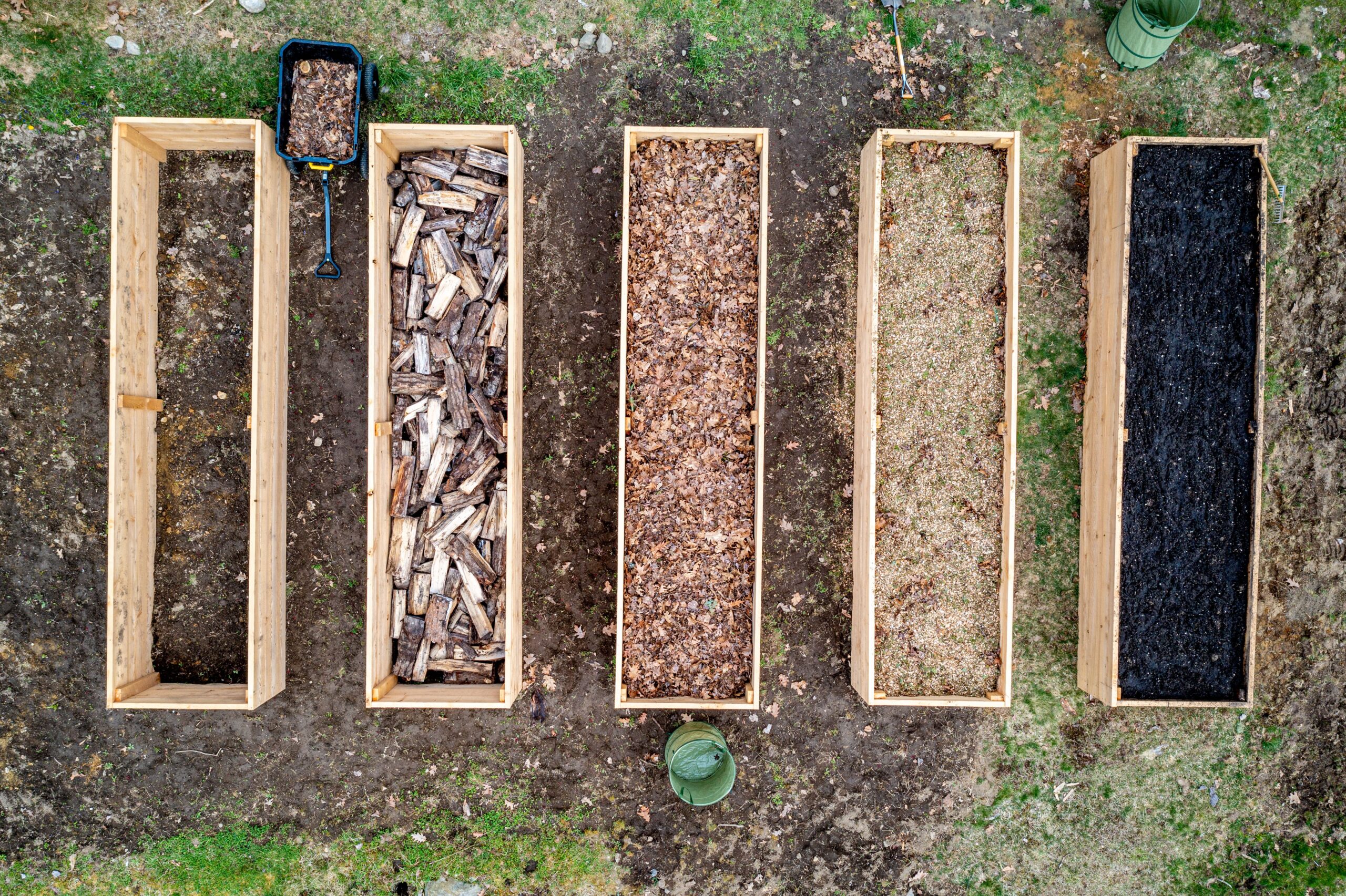
To shift toward market gardening, start by designating a specific plot—say, a 100‑square‑foot raised bed—and record every seed packet, fertilizer bag, and water bill. This simple accounting reveals which plants actually generate profit.
Calculating your potential ROI per square foot
Return on investment (ROI) equals (total revenue – total costs) ÷ total costs. For a garden, break costs into three buckets: seeds/seedlings, soil amendments, and water/energy. Then estimate revenue by multiplying expected yield by the market price per pound or bunch.
Example: 10 lb of basil sold at $3 per pound generates $30 revenue. If seeds cost $5, fertilizer $4, and water $1, total cost is $10, yielding an ROI of (30‑10) ÷ 10 = 200 %.
Use a simple spreadsheet to compare crops side‑by‑side. The highest ROI per square foot signals the best candidate for a side‑hustle.
High-Value Crops vs. Low-Effort Staples
Why specialty herbs and microgreens pay more
Specialty herbs such as thyme, rosemary, and lavender command $15‑$25 per pound at farmers markets because they are labor‑intensive to grow and have a strong culinary demand. USDA market data supports these price ranges.
Microgreens harvest in 7‑14 days, allowing multiple cash cycles per season. A 4‑square‑foot tray can produce up to 1 lb of microgreens, often selling for $30‑$40 per pound. Extension research from University of Minnesota Extension confirms these yields.
Because these crops have short growth cycles, you can stagger planting dates to keep a steady income stream without expanding your garden footprint.
Avoiding common pitfalls with low-margin vegetables
Leafy greens like lettuce and spinach are cheap to start but often sell for $1‑$2 per head, making labor the dominant cost.
If you grow them without a guaranteed buyer, you risk harvesting a surplus that must be discarded or heavily discounted, eroding profit.
Instead, pair low‑margin staples with a high‑margin crop in the same bed. The premium harvest covers the labor needed for the cheaper greens.
Essential Growing Tips for Maximum Yield
Soil health and nutrient management
Start with a soil test from your county extension service; the report tells you pH and macro‑nutrient levels. Amend the soil based on those results rather than adding generic fertilizer.
Incorporate compost at a rate of 2‑3 inches per 100 sq ft each spring. Compost improves structure, holds moisture, and supplies slow‑release nitrogen, reducing the need for synthetic fertilizers.
For high‑value herbs, supplement with a balanced 10‑10‑10 fertilizer at half the recommended rate to avoid nutrient burn while still boosting leaf production.
Succession planting for continuous income
Plan planting cycles so that a new batch of a fast‑growing crop starts every two weeks. For example, sow radish seeds every 14 days; each harvest comes in 30 days, giving you overlapping yields.
Use a simple calendar grid: mark the start date, expected harvest date, and replant date. This visual tool prevents gaps in your sales calendar.
When you combine succession planting with crops that have different market windows—such as early‑season lettuce followed by summer basil—you keep customers returning throughout the season.
Vertical gardening to optimize small spaces
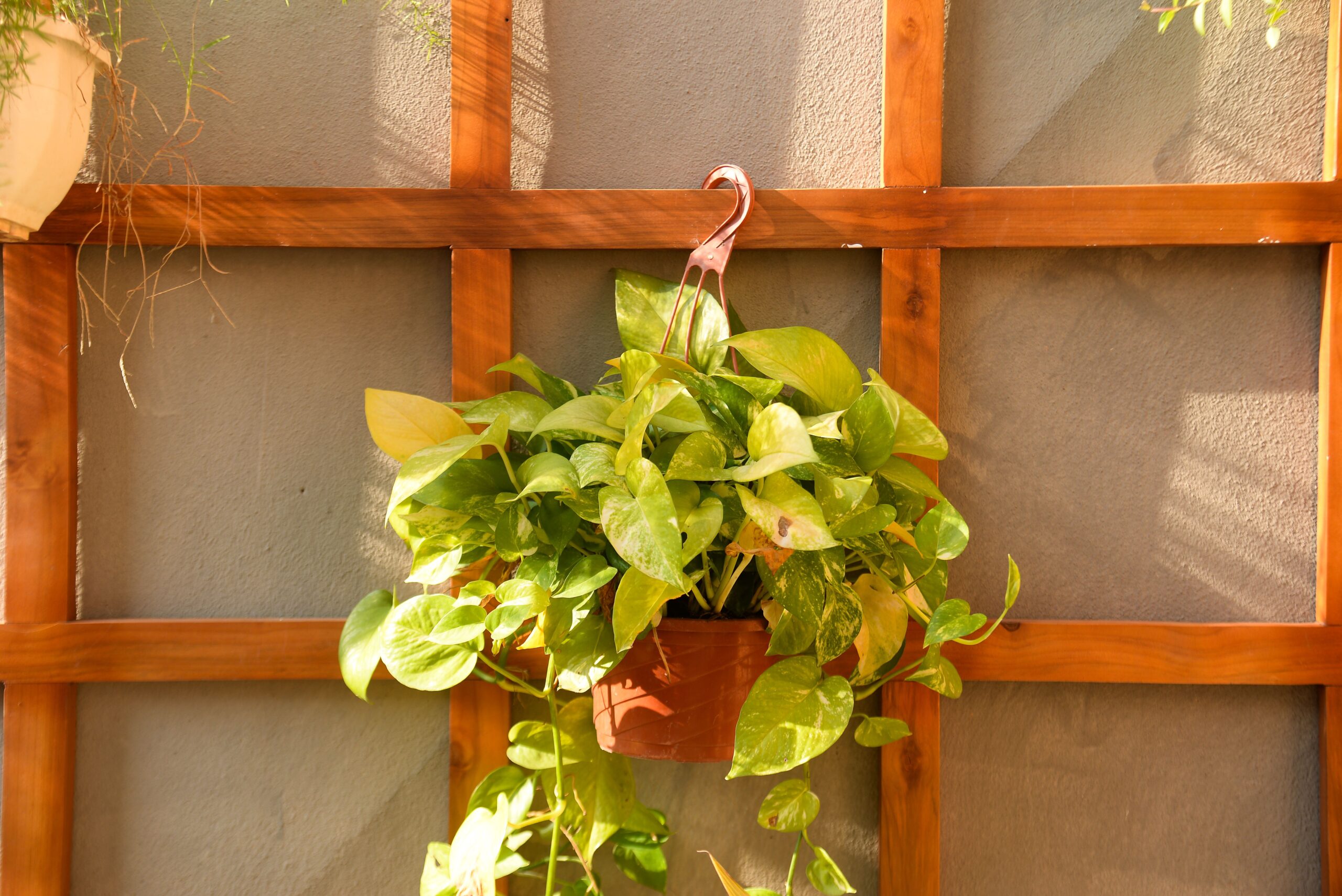
Vertical structures like trellises, pallets, or tiered shelves add usable growing area without expanding your footprint. Beans, peas, and cucumbers thrive on supports and can double the yield per square foot.
Build a simple A‑frame trellis from 2 × 4 lumber and attach it to a fence. Plant seeds at the base and train vines upward as they grow. This method also improves air flow, reducing disease pressure.
For microgreens, use stackable trays that sit on top of each other. Each layer receives the same light, letting you produce up to three harvests in the space of one traditional bed.

Marketing Your Harvest: Where to Sell
Local farmers markets vs. direct‑to‑consumer sales
Farmers markets give you immediate cash and exposure, but you must pay booth fees—typically $10‑$30 per day—and adhere to market rules about packaging and labeling.
Direct‑to‑consumer sales, such as a weekly “pick‑your‑own” stand or a subscription box, eliminate booth fees and let you set higher prices because you control the buyer relationship.
Start with a market stall to test demand, then transition to a subscription model once you have a reliable customer list. Use a simple sign‑up sheet or a free spreadsheet to track orders.
Post daily photos of fresh harvests on Instagram or Facebook, tagging the neighborhood and using hashtags like #LocalHarvest and #GardenToTable.
Create a Facebook event for a “Weekend Pick‑Up” and invite neighbors. Encourage buyers to share their own photos; user‑generated content builds trust and spreads word‑of‑mouth.
Use a simple Google Form to collect orders and payment links. The form can be linked in your social posts, making the buying process frictionless.
Common Pitfalls That Kill Your Profit Margins
Overspending on equipment and inputs
New gardeners often buy high‑tech irrigation kits or stainless‑steel tools before proving the business model. Start with basic tools—a hand trowel, a garden fork, and a drip line made from inexpensive tubing.
Buy seeds in bulk only after you’ve confirmed demand for a crop. Excess seed inventory ties up cash and can expire before you use it.
Track every purchase in a simple notebook or spreadsheet. When you see an item that never contributed to sales, you can cut it from future budgets.
To keep costs in check, set a monthly equipment budget and compare actual spend against it. Prioritize items that directly affect yield or reduce labor, and postpone “nice‑to‑have” upgrades until profits are stable.
Labor is the most significant hidden expense. Estimate how many hours you spend planting, weeding, harvesting, and delivering, then assign a reasonable hourly rate—$15‑$20 for a side‑hustle is a common benchmark.
If labor costs exceed revenue, trim the crop list to the highest‑ROI varieties or enlist a friend for a trade of produce for help.
Our time management for garden side hustle checklist helps you allocate tasks by day of the week, preventing overtime and burnout.
Managing crop failure and pest risks
Even the best‑planned garden faces weather spikes, disease, or pests. Diversify your crop portfolio—grow at least three unrelated species—to cushion the impact of a single failure.
Use row covers and organic insecticidal soaps to protect high‑value crops without resorting to costly chemicals. Row covers can increase yields by 10‑15 % by extending the growing season.
Maintain a “loss log” that records the cause of any failed batch. Over time you’ll spot patterns—such as a recurring fungal issue—and can adjust practices before the next season.
Frequently Asked Questions
How much money can a beginner make selling vegetables?
A beginner with a 100‑square‑foot plot can realistically earn $200‑$400 per season by focusing on high‑ROI crops like basil, microgreens, and specialty herbs. Earnings rise as you refine planting schedules and reduce input costs.
What are the easiest crops to grow for profit?
Radishes, lettuce, and green beans are low‑maintenance and have short cycles. Pair them with a higher‑margin herb such as cilantro or a microgreen variety to boost overall profitability.
Do I need a large plot of land to start a gardening side hustle?
No. A well‑organized 50‑square‑foot raised bed can generate meaningful income if you choose space‑efficient crops and use vertical growing methods.
What are the biggest expenses when starting a garden business?
Seeds or seedlings, soil amendments, and water are the primary recurring costs. One‑time expenses—like a drip‑irrigation kit or sturdy trellis—should be purchased only after you have proven demand.
How do I find customers for my homegrown produce?
Start with local farmers markets and a simple social‑media presence. Collect email addresses at each sale, then offer a weekly pick‑up subscription or a “farm‑to‑door” delivery service to turn occasional buyers into repeat customers.
Also Read: Complete Gardening Guide: How to Start, Grow, and Care for a Home Garden
Well, what do you think about the article?
Did you enjoy reading “Growing Tips: Real Numbers and Pitfalls”? We really hope that you have enjoyed.
If you have any thoughts or comments about this post, please feel free to share them in the comment section below. We appreciate your feedback and would be glad to hear from you.
To see more content like this check the Others section of Money For My Beer.

Chief Editor and Website Owner.
Hi, I’m Ryan. I write and edit everything on this site, which means I’m the last set of eyes on every post before it goes live. By day I’m a technical architect. I design and build enterprise systems, apps, websites, and the occasional game.
This site started because I wanted one place where money advice for regular people doesn’t read like it was written by a finance robot. My goal is simple: every article should be genuinely useful, actually tested against what real people are searching for, and written in plain English. No jargon, no “get rich quick,” no advice I wouldn’t follow myself.
You’ll see a lot of topics here that lean on my engineering background: software reviews, tools, and tech-adjacent money stuff. Where a topic needs real financial expertise, I say so plainly and point you to qualified sources rather than pretending.