Budget travel means prioritizing memorable experiences over luxury amenities by cutting major expenses like flights, lodging, and tourist dining. By booking with flexible dates, staying in neighborhood guesthouses, and eating where locals gather, you can comfortably explore global destinations for a fraction of standard package prices. Smart trip planning allows everyday travelers and online side-hustlers to stretch their hard-earned money across weeks instead of days.
Last checked: October 09, 2026
How to Master Budget Travel Without Sacrificing Comfort
Traveling on a budget does not mean enduring sleepless nights in noisy dormitories or skipping iconic cultural sights. Successful journeys depend on strategic trade‑offs where you reduce spending on passive comforts to fund active adventures.
Modern travelers routinely use online side hustles and digital gig work to fund their itineraries. Pairing consistent micro‑earnings with proven budget travel tips creates sustainable travel habits that keep your bank account intact throughout 2026.
Personal comfort remains subjective, so your first task is identifying what you refuse to compromise. Sacrificing high‑thread‑count sheets is easy for most travelers, but sacrificing a quiet night of rest before an early morning hike rarely pays off.

The Core Rules of Affordable Exploration
Flexibility serves as the foundation for every low‑cost itinerary. Shifting your departure date by just two days can drop round‑trip ticket prices by several hundred dollars.
Traveling during the shoulder season offers the best compromise between pleasant weather and low consumer demand. Popular European cities like Rome or Prague see lodging rates drop by nearly forty percent during late spring and mid‑autumn.
Another reliable rule is traveling slower rather than rushing through multiple cities. Staying in one hub for two weeks reduces internal transit costs and unlocks steep weekly discounts on apartment rentals.
- Travel off‑peak: Schedule flights for Tuesdays, Wednesdays, or Saturdays when passenger demand drops.
- Pack carry‑on only: Avoid checked bag fees and move freely on public transportation.
- Embrace slower pacing: Spend more days in fewer cities to save on regional train and bus fares.
- Shop neighborhood markets: Replace expensive restaurant lunches with fresh picnic supplies from neighborhood grocers.
Setting Realistic Financial Expectations
Creating a workable daily budget prevents nasty financial surprises halfway through your vacation. Break your trip expenses into fixed obligations, like lodging and transit passes, and variable costs like food, beer, and museum admissions.
Geographic selection dictates the majority of your daily financial output. In regions like Southeast Asia, a daily allowance of $35 to $45 [source] covers private boutique rooms, exceptional street food, and evening drinks.
Visiting major capitals across Scandinavia or North America requires a target of $90 to $120 per day under similar thrifty habits. Factoring in destination variations keeps your calculations grounded in reality before you commit to non‑refundable tickets.
Smart budgeting is not about spending as little as humanly possible; it is about allocating your money where it creates the greatest personal joy.
Finding Cheap Flights and Transportation for Budget Travel
Transit represents the largest single expense for most trips, making it the most profitable area to optimize. Small adjustments in booking strategy quickly yield substantial savings on international transit.

Best Tools for Tracking Airfare Deals
Automated fare monitors eliminate the guesswork from finding cheap international departures. Platforms like Google Flights and Skyscanner let you set price tracking alerts months ahead of your projected departure.
Exploring lesser‑known flight aggregators can also reveal route pairings that standard engines miss. Before buying through third‑party discount portals, consult a detailed BudgetAir review to evaluate customer service policies, ticket change fees, and overall reliability.
Utilizing flexible destination searches like the “Explore” feature reveals unexpected bargains around the globe. Flying into secondary hub airports, such as choosing Girona instead of Barcelona, often cuts airline base fares in half.
Always verify the proximity of alternate airports before purchasing tickets. A cheap flight that lands eighty miles outside the city can lose its financial edge once you calculate the costly express shuttle fare into the center.
Trains, Buses, and Budget Airlines on the Ground
Regional overland travel usually beats domestic air travel on both price and overall convenience. Long‑distance rail networks across Europe and East Asia eliminate baggage screening lines and drop you straight into downtown city centers.
Budget coach carriers like FlixBus provide cross‑border journeys across dozens of countries for under twenty dollars per seat. Overnight bus trips pull double duty by serving as your lodging for the evening while transporting you to a new destination.
Comparing transport platforms helps you confirm reliable booking paths before you depart. Reviewing a direct TravelGo review ensures you understand ticketing conditions, cancellation guarantees, and user experiences across competing regional brokers.
Municipal public transportation remains the best friend of any thrifty traveler navigating urban centers. Multi‑day metro passes frequently pay for themselves within three trips and offer unlimited transfers across subways, trams, and ferries.
Smart Accommodation Strategies That Keep Costs Low
Lodging costs can quickly drain travel funds if you default to standard international hotel chains. Fortunately, modern hospitality offers creative alternatives that provide comfort, safety, and cultural immersion at low price points.

Hostels vs. Budget Hotels
Modern hostels have evolved well beyond the noisy, institutional dormitories of past decades. Today, boutique hostels offer designer private rooms with ensuite bathrooms that rival boutique hotels at half the nightly cost.
Dormitory beds remain the undisputed champion for solo adventurers eager to meet fellow travelers. Booking a four‑bed or six‑bed room strike a practical balance between social energy, personal privacy, and low rates.
Budget hotels and local guesthouses provide superior privacy when traveling as a couple or small group. Dividing a standard double room at an independent family‑run bed and breakfast frequently costs less per person than two hostel dorm beds.
- Boutique hostels: Great for social events, communal kitchens, organized day trips, and affordable single bunks.
- Guesthouses: Excellent for quiet environments, authentic host hospitality, and couple savings.
- Business budget chains: Best for predictable cleanliness, private work desks, and reliable high‑speed Wi‑Fi.
Alternative Stays: House Sitting and Volunteering
Exchange‑based lodging allows resourceful explorers to eliminate housing costs entirely during extended trips. Networks like TrustedHousesitters match responsible travelers with homeowners who need pets cared for while they vacation.
House sitting requires flexibility and genuine care for animals, but it grants you access to fully equipped homes and quiet residential neighborhoods. Preparing meals in a home kitchen also slashes your food budget to normal grocery levels.
Work‑exchange networks like Worldpackers and Workaway trade twenty hours of weekly assistance for free room and board. Common projects range from helping at eco‑lodges and craft breweries to managing social media for family‑owned surf camps.
Volunteering arrangements work especially well for side‑hustlers who earn online during their free afternoons. Securing free housing frees up your freelance income, allowing you to build personal savings while living abroad.
Eating Well on a Dime: Food and Drink Tips for Budget Travel
Sampling regional delicacies is an essential part of travel, yet dining out three times daily drains budgets faster than plane tickets. Mastering affordable culinary experiences lets you enjoy authentic flavors without living on instant noodles.
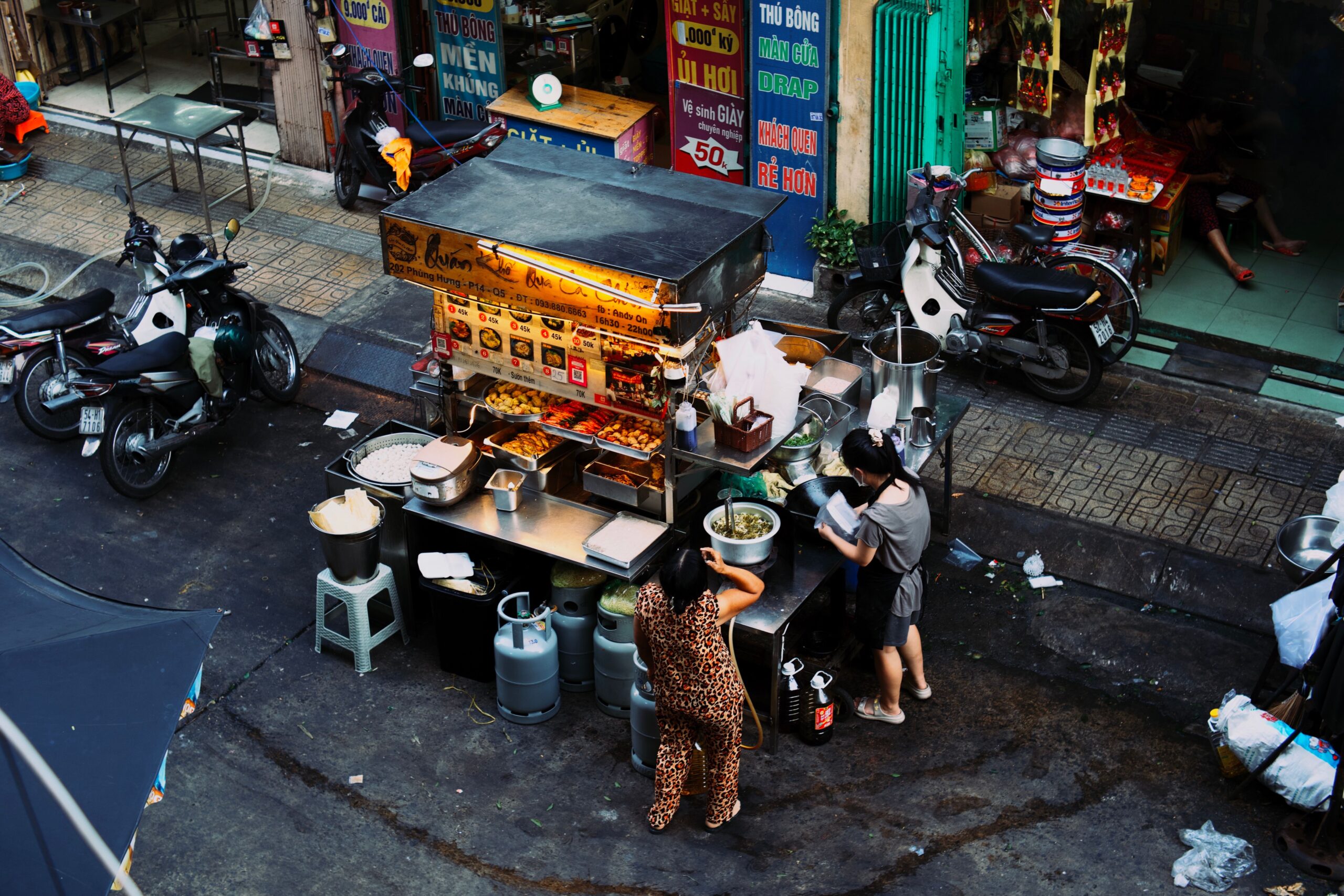
Street Food and Local Markets
Street carts and central municipal markets consistently serve the freshest, most authentic meals in any city. High stall turnover guarantees ingredients do not sit in storage, ensuring high quality alongside unbeatable prices.
Look for stalls patronized by local workers, taxi drivers, and families during peak lunch hours. A long queue of residents indicates clean food handling, delicious seasoning, and honest menu prices.
Urban grocery stores and neighborhood bakeries provide wonderful options for self‑guided breakfast and lunch spreads. Grabbing a fresh baguette, regional cheese, and fruit creates a satisfying meal that costs under five dollars.
Finding Budget‑Friendly Local Pubs and Cafes
Experiencing authentic local pub culture does not require ordering expensive cocktails at tourist rooftop lounges. Neighborhood taverns and working‑class watering holes offer cultural immersion alongside reasonably priced regional lagers and ales.
Walking three blocks away from major tourist squares dramatically lowers beverage prices. In central Europe, historic cellar pubs serve fresh draft pilsner for under three dollars, while trendy plazas charge triple for mass‑market imports.
Take advantage of cultural food traditions that pair complimentary bites with afternoon drinks. Many cities across Spain still serve complimentary tapas with every beer purchase, allowing you to assemble an affordable dinner over two casual drinks.
Coffee culture follows identical pricing patterns across Southern Europe. Drinking your morning espresso while standing at the bar counter costs a fraction of what venues charge for table service on the sidewalk patio.
Common Budget Travel Pitfalls and How to Avoid Them
Even meticulous planners encounter unexpected fees that quietly erode their bank accounts. Spotting predatory tourist services and hidden fees early keeps your savings safe for experiences that actually matter.
Avoiding Hidden Fees and ATM Charges
Foreign transaction fees on standard credit and debit cards can quietly inflate your daily spending by three percent. Opening an international travel checking account that refunds overseas ATM charges and charges zero foreign transaction fees solves this problem.
Always decline the dynamic currency conversion when withdrawing cash or paying at restaurant terminals. Choosing to be billed in the local currency forces your home bank to handle the conversion at official interbank exchange rates.
Standalone commercial ATMs located in tourist strips often add high conversion markups and steep user surcharges. Seek out bank‑affiliated machines attached to official branches for the fairest terms and highest hardware security.
The Danger of Over‑Itinerizing
Packing five cities into an eight‑day vacation ruins budgets while causing rapid travel burnout. Rapid movement requires expensive high‑speed express trains, urgent taxi rides, and eating at overpriced transit stations.
Slowing down your schedule creates space to discover free walking tours, local parks, and open‑air concerts. A relaxed itinerary leaves room for spontaneous neighborhood discoveries that never appear in standard guidebooks.
Give yourself permission to spend quiet afternoons reading in local public parks or enjoying a single draught beer at a street corner café. The most cherished travel memories rarely involve frantic sprints between museum queues.
Frequently Asked Questions
What is the best way to start planning budget travel for beginners?
Begin by selecting an affordable destination where your home currency holds strong purchasing power, such as Southeast Asia, Central America, or Eastern Europe. Establish a realistic daily spending limit that separates fixed costs like accommodation from variable expenses like food and entertainment. Track airfare alerts well in advance, pack light to eliminate bag fees, and prioritize public transportation over taxis.
How can I find cheap flights when practicing budget travel?
Use flight aggregators like Google Flights and Skyscanner with flexible date and destination filters. Set up automated price tracking alerts several months before your planned travel dates to catch fare drops. Consider flying into secondary airports, packing strictly carry‑on luggage, and booking mid‑week departures to bypass peak holiday surcharges.
Is budget travel safe for solo travelers?
Budget travel is safe for solo adventurers who practice basic situational awareness and research neighborhood safety beforehand. Choose well‑reviewed hostels and guesthouses with secure lockers, avoid walking alone in poorly lit areas at night, and keep digital copies of important travel documents. Connecting with fellow travelers through hostel activities and walking tours also provides extra safety in numbers.
How much money do I need per day for budget travel in Europe?
Budget travelers in Western European capitals should expect to spend between $70 and $100 [source] per day for dorm accommodation, market meals, and local transit. In Eastern and Central European countries like Poland, Hungary, or Romania, you can easily travel comfortably on $40 to $60 per day.
What are the top budget travel hacks for saving on food and drink?
Dine at local street food stalls and bustling central markets where residents eat to secure fresh meals at affordable prices. Walk several blocks away from major monuments to find neighborhood taverns serving reasonably priced regional beer and house wine. Additionally, prepare your own breakfasts using groceries from neighborhood supermarkets and take advantage of free walking tours that offer cultural insights without high guide fees.
Also Read: Budget Travel Tips: How to Travel on a Budget
Well, what do you think about the article?
Did you enjoy reading “Budget travel: A Practical Guide”? We really hope that you have enjoyed.
If you have any thoughts or comments about this post, please feel free to share them in the comment section below. We appreciate your feedback and would be glad to hear from you.
To see more content like this check the Travel section of Money For My Beer.

Chief Editor and Website Owner.
Hi, I’m Ryan. I write and edit everything on this site, which means I’m the last set of eyes on every post before it goes live. By day I’m a technical architect. I design and build enterprise systems, apps, websites, and the occasional game.
This site started because I wanted one place where money advice for regular people doesn’t read like it was written by a finance robot. My goal is simple: every article should be genuinely useful, actually tested against what real people are searching for, and written in plain English. No jargon, no “get rich quick,” no advice I wouldn’t follow myself.
You’ll see a lot of topics here that lean on my engineering background: software reviews, tools, and tech-adjacent money stuff. Where a topic needs real financial expertise, I say so plainly and point you to qualified sources rather than pretending.