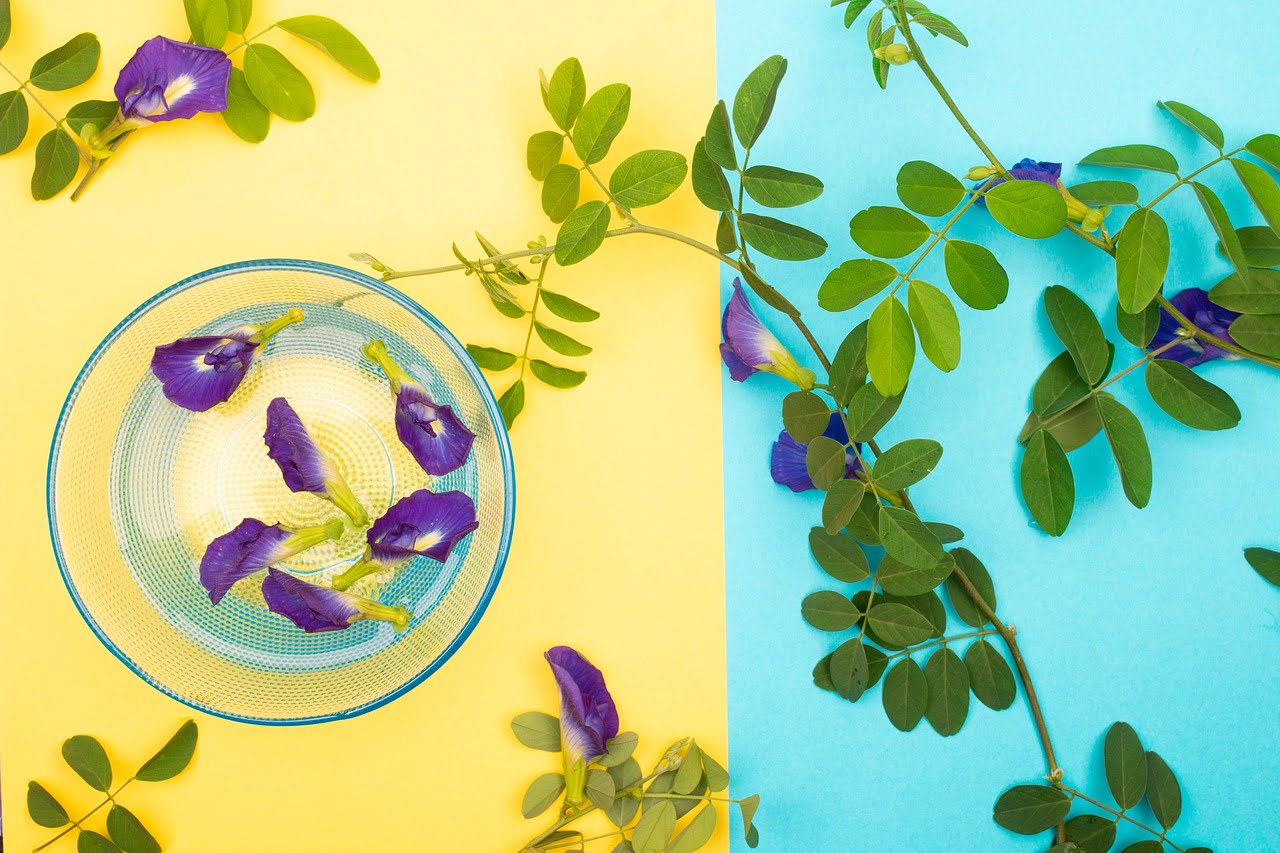
Blue butterfly pea flower (Clitoria ternatea) is a tropical flowering vine best known for its vivid blue, pea-shaped flowers. It is commonly called butterfly pea, blue pea, Asian pigeonwings, and blue ternate in the Philippines.
Beyond its ornamental value, butterfly pea has several practical uses. The flowers can be used in herbal infusions, to naturally color foods and drinks, and as an edible flower. Their intense blue color comes from anthocyanin pigments called ternatins, which can also change color when the acidity of a drink changes.
This guide covers what blue butterfly pea flower is, how to identify it, why it is blue, why butterfly pea tea changes color, how the flowers are used, how to grow the vine, whether the flowers are edible, and what current research says about its potential health benefits.
Last checked: October 6, 2026
Blue Butterfly Pea Flower at a Glance
| Characteristic | Details |
|---|---|
| Scientific name | Clitoria ternatea L. |
| Plant family | Fabaceae, the legume family |
| Plant type | Perennial, herbaceous climbing or trailing vine in tropical climates |
| Common names | Butterfly pea, blue pea, Asian pigeonwings, blue ternate |
| Flower colors | Blue to violet, with white and double-flowered forms also cultivated |
| Approximate height | Up to about 15 feet under suitable conditions |
| Light | Full sun is preferred, although the plant can tolerate some partial shade |
| Soil | Well-drained soil that stays reasonably moist during active growth |
| Propagation | Seeds are the standard propagation method |
| Common uses | Ornamental gardening, herbal infusions, edible flowers, natural food coloring, and agricultural uses |
North Carolina State University Extension describes butterfly pea as a fast-growing perennial vine that can reach about 15 feet, produces blue to violet flowers, and grows well in full sun and well-drained soil. N.C. State Extension’s butterfly pea profile is a useful reference for gardeners.
What Is Blue Butterfly Pea Flower?
Blue butterfly pea is the flower of Clitoria ternatea, a member of the Fabaceae or legume family. It is a twining, herbaceous vine that is widely cultivated in tropical and subtropical regions for its flowers, ornamental appearance, and practical uses.
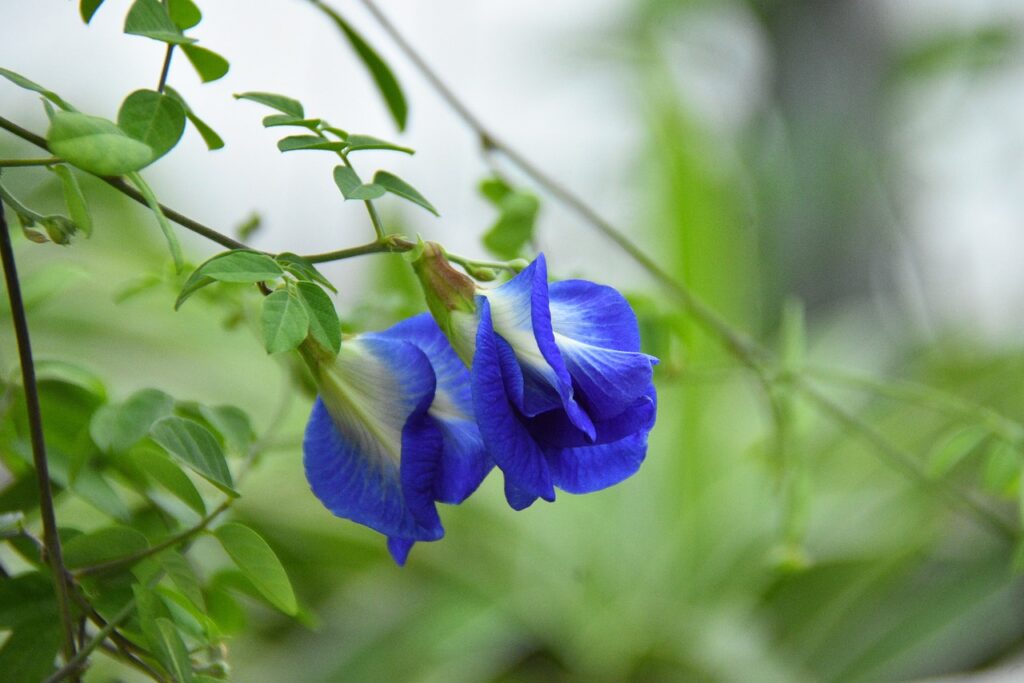
Although butterfly pea is often described online as a Southeast Asian native, its geographic origin is more complicated. Kew’s Plants of the World Online currently gives a native range that includes Cape Verde, tropical and southern Africa, and the Arabian Peninsula, while recording the species as introduced across many tropical regions, including the Philippines. North Carolina State University also notes that its exact native home is difficult to determine because the plant has become so widely naturalized.
In the Philippines, the Department of Agriculture’s Bureau of Agriculture and Fisheries Standards identifies butterfly pea or blue ternate as Clitoria ternatea and notes that it is found throughout the country in thickets and settled areas at low and medium elevations.
For home gardeners, butterfly pea is especially attractive because it combines ornamental flowers with edible and culinary uses. It can be trained along a fence, trellis, arbor, or other garden support.
For more general advice on planning and maintaining a home garden, see our complete gardening guide.
What Does Butterfly Pea Flower Look Like?
Butterfly pea is relatively easy to recognize when its main features are familiar.
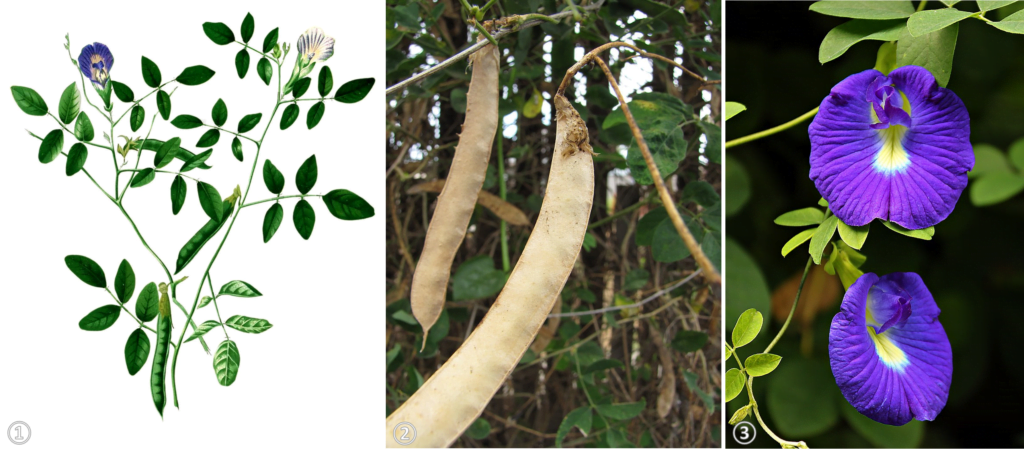
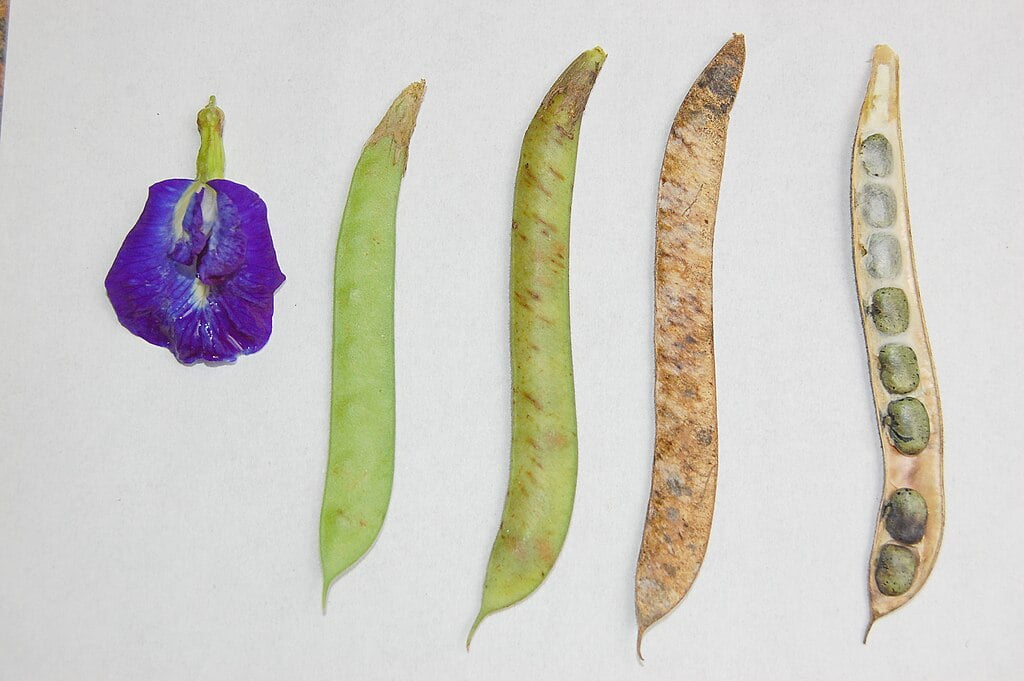
② Seedpods at Wailuku, Maui, Hawaii. August 06, 2009. © Forest & Kim Starr, CC BY 3.0 US, via Wikimedia Commons
③ Vibrant blue flowers of Clitoria ternatea. © Yuliani Liputo, CC BY-SA 4.0, via Wikimedia Commons
- Flowers: Large pea-like flowers are commonly deep blue to violet, often with a yellowish or pale center.
- Leaves: The plant has compound leaves made up of several oval to elliptical leaflets.
- Stems: Slender stems twine around nearby supports and allow the vine to climb.
- Seed pods: The plant produces flattened legume pods after flowering.
- Growth habit: It can trail along the ground or climb when provided with a suitable structure.
According to N.C. State Extension, individual flowers can reach about 2 inches across. Cultivated varieties may also produce white or double flowers, so the classic blue single flower is not the only form available. See the plant profile for additional botanical characteristics.
Why Is Butterfly Pea Flower Blue?
The intense blue color of butterfly pea flowers comes primarily from anthocyanin pigments. The species is particularly rich in a group of polyacylated anthocyanins known as ternatins.
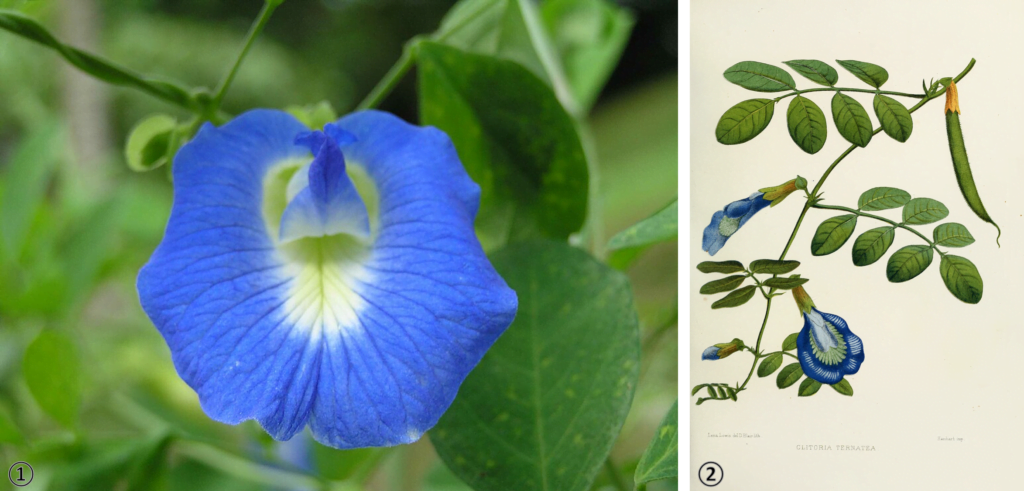
② Colour drawing of clitoria from Familiar Indian Flowers (1878) by Lena Lowis. Lena Lowis, Public domain, via Wikimedia Commons
These pigments are unusual because their structure helps stabilize the blue coloration. Scientific reviews have examined ternatins in detail because they give butterfly pea flowers their distinctive color and make the plant particularly interesting as a source of natural blue food coloring.
A detailed review published in Frontiers in Plant Science describes ternatins as major anthocyanins in butterfly pea flowers and discusses their extraction, stability, antioxidant activity, and potential use as natural colorants. Read the review on butterfly pea anthocyanins.
Why Does Butterfly Pea Tea Change Color?
One of the most recognizable characteristics of butterfly pea is its ability to produce a naturally blue infusion that changes color when its acidity changes.
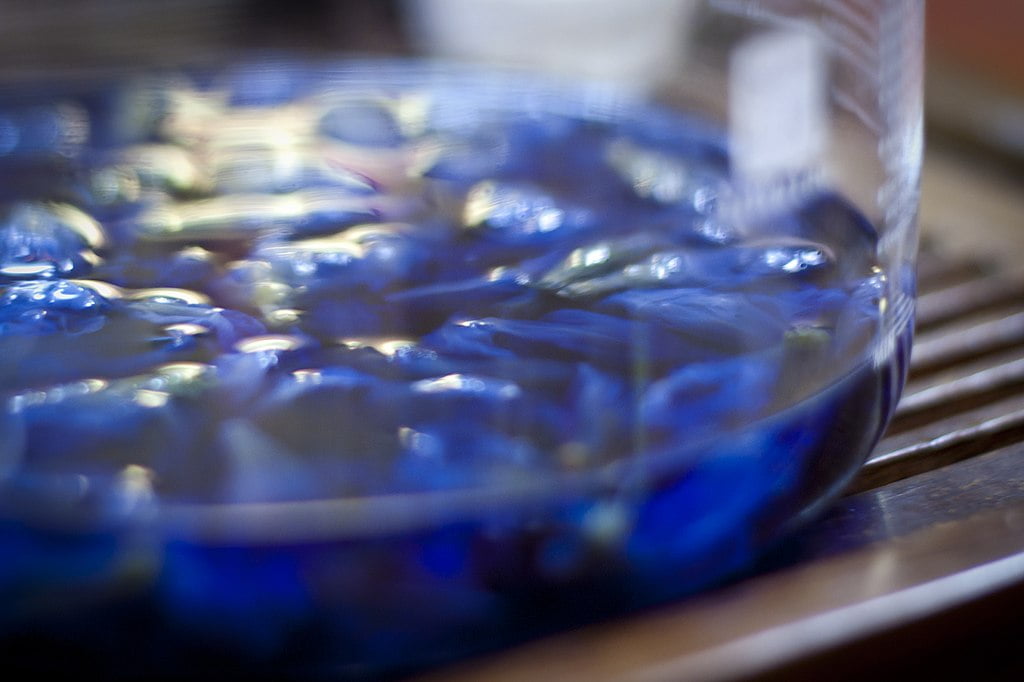
When butterfly pea flowers are steeped in water, the resulting liquid can appear blue or blue-violet. Adding an acidic ingredient such as lemon or calamansi shifts the anthocyanin chemistry and can change the drink toward violet, purple, or pink.
This is a consequence of the way anthocyanin molecules change their chemical structure at different pH levels. Research on butterfly pea extracts has demonstrated broad pH-dependent color changes, which is one reason the plant is being studied for natural food coloring and other color-changing applications.
The University of Florida IFAS Extension’s guide to butterfly pea flower extract discusses its use as a pH-dependent natural colorant, while scientific reviews explain the chemistry behind the color changes.
How to Make Butterfly Pea Tea
Butterfly pea tea is a simple herbal infusion made by steeping fresh or dried flowers in hot water.
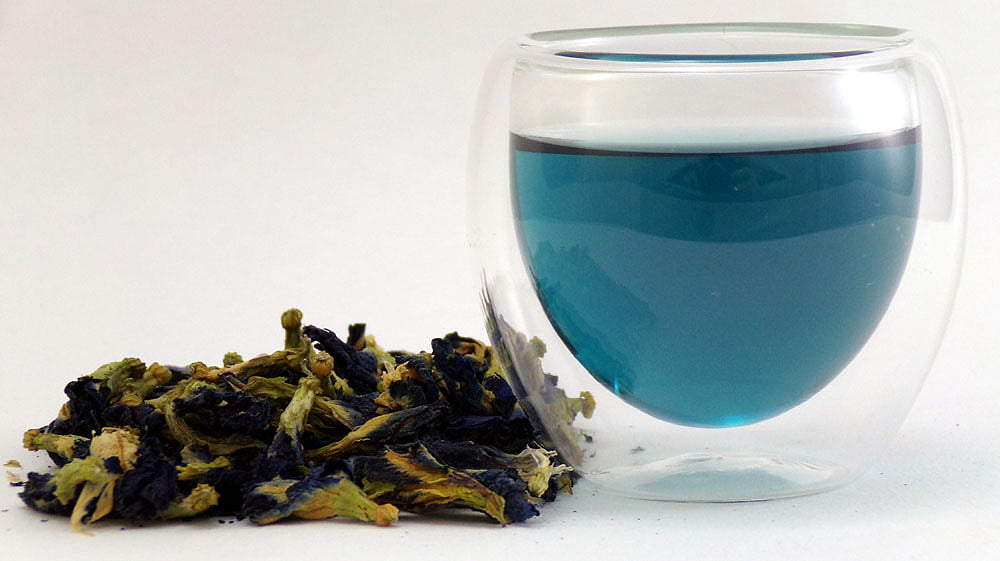
- Place clean fresh or dried butterfly pea flowers in a cup or teapot.
- Pour hot water over the flowers.
- Allow the flowers to steep until the water reaches the desired blue color.
- Drink it as a blue herbal infusion or add lemon or calamansi to create a purple or pink color change.
The exact color and intensity depend on the amount of flower used, steeping conditions, and the acidity of the water or other ingredients.
Butterfly pea flower tea is an herbal infusion rather than traditional tea made from Camellia sinensis. That distinction matters because products sold as butterfly pea tea may also contain other tea leaves or herbs, so the ingredient list should be checked when buying a commercial blend.
Common Uses of Blue Butterfly Pea Flower
1. Herbal Infusions
Fresh or dried butterfly pea flowers can be steeped in hot water to create a naturally blue herbal drink. The infusion is especially popular because of its unusual color and its ability to change color when acidic ingredients are added.
The flowers can also be combined with ingredients such as citrus, herbs, and other botanicals. The resulting drink can range from blue to violet or pink depending on its composition and acidity.
2. Natural Food Coloring
Butterfly pea flowers are an important natural source of blue pigment. Extracts rich in anthocyanins can be used to color certain foods and beverages, and their pH sensitivity can produce different shades.
The U.S. Food and Drug Administration lists butterfly pea flower extract as a color additive under 21 CFR 73.69 for specified food uses. The FDA’s current regulatory information includes beverages, teas, confectionery products, dairy products, and several other food categories.
Regulatory authorization applies to the specified extract and permitted uses. It should not be interpreted as meaning that every homemade preparation or concentrated supplement has the same regulatory status.
3. Coloring Rice and Desserts
Butterfly pea has a long culinary history in Southeast Asia, where the flowers are used to give food and drinks a natural blue color.
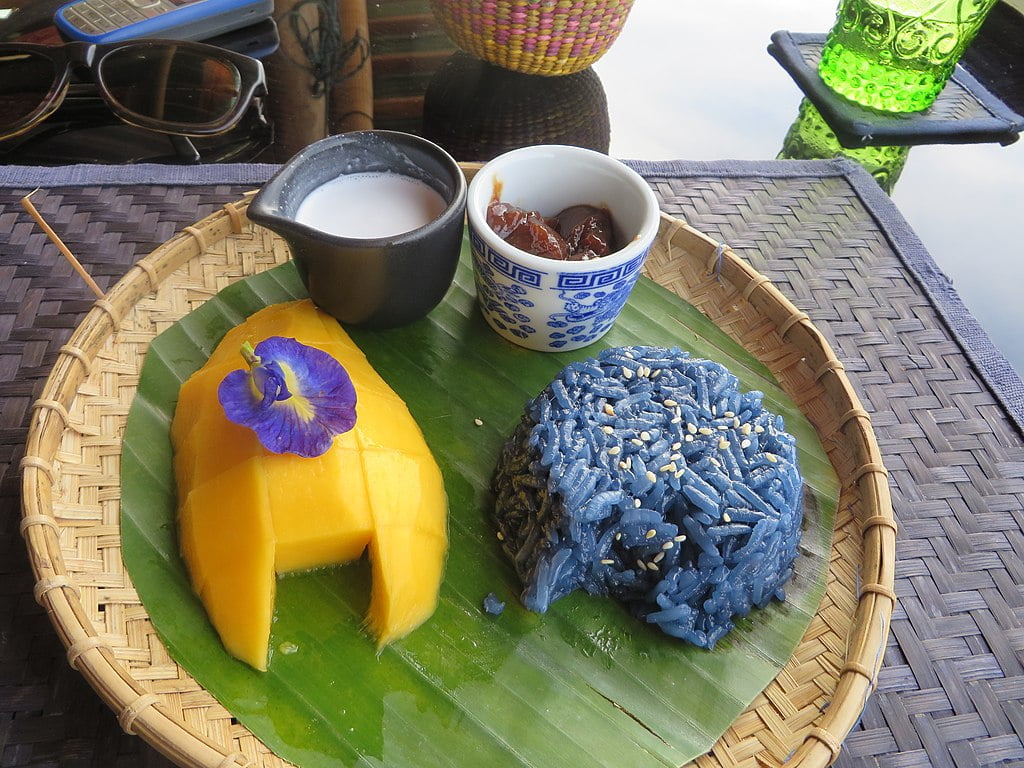
In the Philippines, the Department of Agriculture’s Bureau of Agriculture and Fisheries Standards specifically documents the use of butterfly pea flowers to tinge boiled rice cerulean. The same technical bulletin identifies the plant as blue ternate and Clitoria ternatea.
This makes butterfly pea particularly useful for naturally colored rice dishes, desserts, drinks, and other foods where blue or violet coloring is desired.
4. Edible Flower Gardening
Butterfly pea is useful for gardeners who want plants that are both ornamental and edible. The flowers can be harvested for culinary use while the vine provides vertical growth and colorful blooms.
The plant also fits well into tropical edible gardens because it can grow on a support rather than occupying a large area at ground level.
5. Ornamental Landscaping
The vivid flowers are attractive enough to make butterfly pea worthwhile even when its flowers are never harvested. The vine can be trained over trellises, fences, arbors, and other structures.
N.C. State Extension also notes that butterfly pea can attract butterflies, birds, and moths, giving it additional wildlife value in suitable landscapes.
6. Agricultural and Soil Uses
As a legume, butterfly pea can form root nodules containing nitrogen-fixing bacteria. Research has investigated Clitoria ternatea as a forage plant, cover crop, and nitrogen-fixing species in agricultural systems.
This does not mean that simply planting one butterfly pea vine will automatically fertilize an entire garden. Nitrogen fixation depends on an effective symbiotic relationship with appropriate bacteria and on growing conditions. Still, its leguminous nature makes it relevant to soil and agricultural systems.
A review of butterfly pea’s agricultural applications discusses its nitrogen-fixing root nodules and potential value in crop rotations and soil improvement. See the scientific review on butterfly pea.
For broader guidance on soil structure, organic matter, drainage, and other fundamentals, see our guide on how to improve soil health.
What Are the Potential Health Benefits of Butterfly Pea?
Butterfly pea is frequently marketed for antioxidant, blood sugar, anti-inflammatory, eye-health, brain-health, weight-management, and other potential benefits. Some of these claims are based on laboratory, animal, or small human studies, but the evidence should be interpreted carefully.
Antioxidant Activity
Butterfly pea flowers contain anthocyanins and other phenolic compounds that have demonstrated antioxidant activity in laboratory and experimental research.
A 2021 review of butterfly pea anthocyanins reported antioxidant activity from Clitoria ternatea flower extracts in laboratory and cellular studies. The review also noted that in vitro antioxidant activity should not be directly interpreted as proof of the same effect in humans.
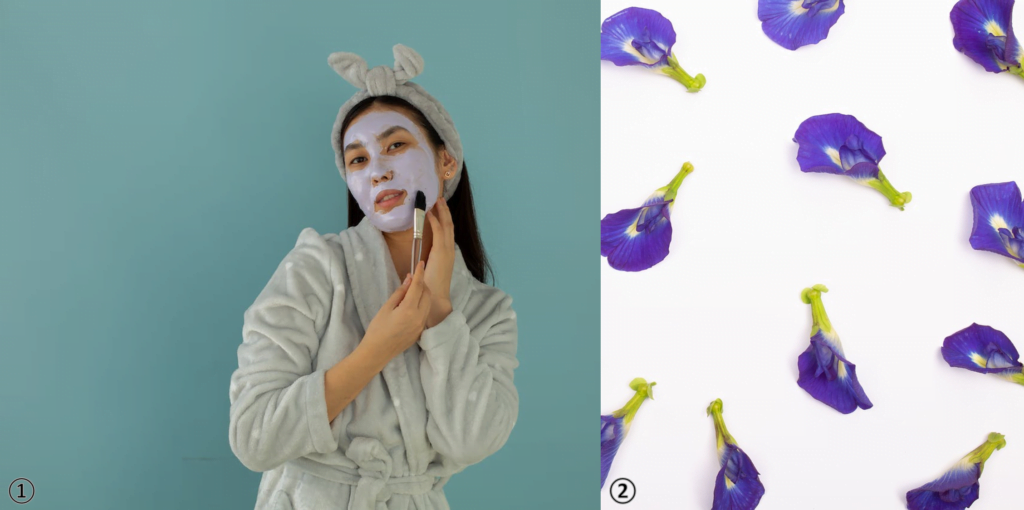
② Blue butterfly pea flowers are dried and used in commercial and diy skincare products. Image by Tamanna Rumee from Pixabay
More recent research continues to investigate butterfly pea’s anthocyanins and other bioactive compounds for potential health applications, but laboratory findings alone do not establish that drinking butterfly pea tea prevents disease or produces a specific health outcome in people.
Blood Sugar Research
There is some human research on butterfly pea and post-meal blood sugar responses. A small randomized crossover study involving 15 healthy men found that beverages containing butterfly pea flower extract affected post-meal glucose and insulin responses when consumed with sucrose. The study also reported changes in measures of antioxidant capacity.
That is an interesting finding, but it was a small, short-term study in healthy participants. It does not establish butterfly pea flower as a treatment for diabetes or prove that ordinary butterfly pea tea provides the same effect. Read the randomized crossover study.
Other Potential Health Effects
Research has also investigated butterfly pea extracts for possible anti-inflammatory, metabolic, neuroprotective, antimicrobial, and other biological effects.
A comprehensive review published in 2025 found that butterfly pea has promising food and health-related applications, but emphasized that most available evidence remains preclinical and clinical validation is limited. The authors called for additional human research to establish efficacy and safety.
For that reason, it is more accurate to describe butterfly pea as a plant containing potentially beneficial bioactive compounds than to say that it cures, prevents, or treats a specific disease. Read the 2025 review of Clitoria ternatea.
Does Butterfly Pea Flower Have Vitamins and Minerals?
Some articles make broad claims that butterfly pea flowers are significant sources of vitamins and minerals such as vitamins A and C, iron, and zinc. These claims should not be repeated without specifying the plant material, preparation, serving size, and laboratory analysis behind them.
For a typical cup of butterfly pea tea, the amount of flower consumed and the extraction process can vary considerably. The strongest and most consistent nutritional point is that the flowers contain anthocyanins and other plant compounds, especially ternatins, rather than that a cup of tea should be treated as a major source of essential vitamins or minerals.
How to Grow Blue Butterfly Pea
Butterfly pea is a good option for gardeners in warm climates because it grows quickly and can tolerate a range of conditions once established.
Choose a Warm Location
Butterfly pea performs best in warm, frost-free conditions. It behaves as a perennial in tropical climates but is often grown as an annual in colder regions because freezing temperatures can kill the plant.
For gardeners in the Philippines and other tropical areas, warm conditions are generally favorable for this vine. In cooler climates, growing it as an annual or protecting it from cold temperatures may be necessary.
Give It Plenty of Sun
Full sun is preferred for strong growth and flowering. N.C. State Extension defines full sun as at least six hours of direct sunlight per day and notes that butterfly pea can also tolerate partial shade.
Plants that receive insufficient light may produce less vigorous growth and fewer flowers, particularly when compared with plants growing in a bright location.
Use Well-Drained Soil
Butterfly pea is adaptable to different soil textures, but good drainage is important. Avoid keeping the root zone continuously waterlogged.
Butterfly pea tolerates relatively dry conditions, but it grows best with consistent watering. Keep the soil from becoming excessively dry during active growth, while avoiding waterlogged conditions. North Carolina State University Extension recommends well-drained soil that ranges from dry to slightly moist.
Provide a Trellis or Support
Butterfly pea is a twining vine, so give it something to climb. A trellis, fence, arbor, or other support allows the plant to grow vertically and makes it easier to manage.
Because the vine can grow rapidly and reach around 10 to 15 feet, a support system is particularly useful in smaller gardens.
Grow It From Seed
Seeds are the standard propagation method for butterfly pea. Start seeds when temperatures are warm and provide adequate moisture while they establish.
Recent UF/IFAS guidance notes that butterfly pea is started from seed when the soil is warm and that established plants can reseed themselves under suitable conditions. See the 2026 UF/IFAS butterfly pea growing guide.
Water Consistently
Although butterfly pea has a reputation for drought tolerance, regular watering generally supports better growth. The goal is to keep the plant from becoming severely dry while avoiding persistently saturated soil.
Prune and Train the Vine
Regular training helps keep the vine where you want it. Trim excessively long or unwanted growth when necessary and guide new shoots onto the support.
Pruning can also help keep the plant manageable in a small garden, particularly when it begins spreading into neighboring plants.
Watch for Pests and Diseases
Butterfly pea is generally easy to manage, but it can be affected by spider mites, whiteflies, anthracnose, and bacterial soft rot. North Carolina State University Extension lists these among the plant’s potential pest and disease problems.
Inspect new growth and leaves regularly. Good airflow, appropriate watering, and prompt removal of severely affected plant material can help reduce problems.
When Does Butterfly Pea Flower?
In warm, suitable climates, butterfly pea can produce flowers for an extended period. UF/IFAS describes butterfly pea as flowering year-round, with more vigorous growth in spring, while North Carolina State University Extension describes it as having a long bloom season, with flowers appearing from summer into fall.
In tropical climates, where the plant can grow as a perennial, flowering may continue for much of the year when growing conditions are favorable. In cooler climates, flowering is more seasonal and the plant is often grown as an annual.
How to Harvest Butterfly Pea Flowers
Harvest flowers when they are open and in good condition. Clean flowers can be used fresh or prepared for drying.
For culinary use, harvest only from plants that have been correctly identified and have not been exposed to pesticides, herbicides, or other chemicals that are unsuitable for edible crops.
If you intend to dry the flowers, make sure they are thoroughly dry before storing them in a clean, airtight container away from excessive heat, moisture, and strong light.
Are Blue Butterfly Pea Flowers Edible?
Yes. Butterfly pea flowers are used as an edible flower. They are commonly used in beverages, desserts, rice dishes, and other foods, particularly in Southeast Asian cuisine.
The Philippine Department of Agriculture’s technical bulletin on edible flowers identifies butterfly pea or blue ternate as Clitoria ternatea and documents the flowers’ use for coloring boiled rice.
UF/IFAS also describes the flowers as edible and notes their use for tea and natural coloring. See the University of Florida’s butterfly pea reference.
Is It Safe to Eat Butterfly Pea Flowers?
Butterfly pea flowers are used as an edible flower in foods and beverages, including herbal infusions and naturally colored rice. However, this established culinary use should be distinguished from the use of concentrated extracts or supplements.
Only eat butterfly pea flowers that have been correctly identified and grown under conditions suitable for food use. Avoid flowers collected from roadsides, unknown gardens, ornamental plantings, or plants that may have been treated with pesticides, herbicides, or other chemicals not intended for edible crops.
The evidence for concentrated extracts and medicinal uses is less established than the traditional food use of the flower. A 2025 review of Clitoria ternatea found that most evidence for reported health effects remains preclinical, with limited clinical validation. The review also noted that different studies use different extraction methods and concentrations, making results difficult to compare, and concluded that further human studies are needed to better establish the efficacy and safety of these effects.
For that reason, evidence about a concentrated butterfly pea extract should not automatically be applied to a typical cup of butterfly pea tea or flowers used as food. People considering concentrated extracts or supplements for a medical purpose should discuss them with a qualified healthcare professional.
Is Butterfly Pea Tea Safe?
Plain butterfly pea flower tea is a caffeine-free herbal infusion when it is made solely from the flowers of Clitoria ternatea. It is different from black, green, white, and oolong tea, which are made from Camellia sinensis and naturally contain caffeine.
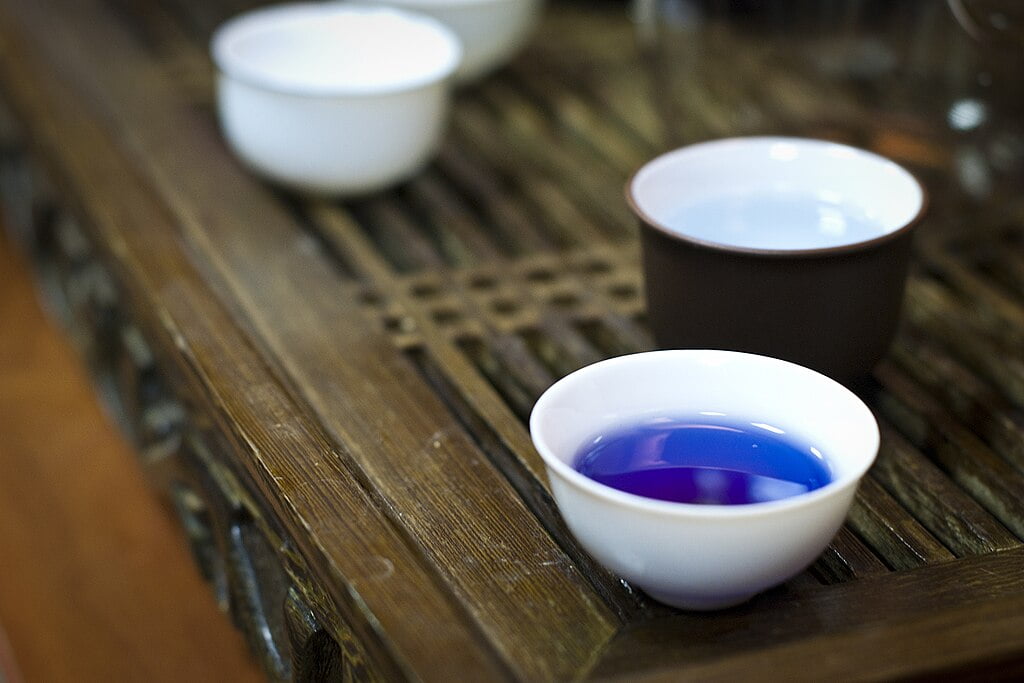
Commercial butterfly pea tea products can contain other herbs, tea leaves, or flavoring ingredients, so check the ingredient list if you want a caffeine-free drink or need to avoid a particular ingredient.
For ordinary beverage use, butterfly pea is commonly prepared by steeping the flowers in hot water. The amount and strength of the infusion can vary depending on how many flowers are used and how long they are steeped.
Butterfly pea tea is best treated as a beverage rather than a substitute for medical treatment. For information about the flower’s researched health effects and the limits of the current evidence, see our section on the potential health benefits of butterfly pea.
Does Butterfly Pea Help the Soil?
Butterfly pea is a legume that can develop root nodules containing nitrogen-fixing bacteria. This biological relationship allows the plant to obtain nitrogen from the atmosphere and is one reason the species has been studied for forage production, green manure, and crop rotations.
The benefit to soil depends on the plant, the associated microorganisms, and how the crop is managed. Simply growing a decorative vine does not guarantee a measurable improvement in the fertility of the entire garden.
For a broader discussion of soil organic matter, drainage, compaction, and garden soil management, visit our soil health guide.
Butterfly Pea Flower in the Philippines
Butterfly pea is widely encountered in the Philippines and is commonly known locally as blue ternate, among other regional names.
The Philippine Department of Agriculture’s Bureau of Agriculture and Fisheries Standards (BAFS) includes butterfly pea (Clitoria ternatea) in its technical bulletin on edible flowers. The bulletin states that the plant is found throughout the Philippines in thickets and settled areas at low and medium altitudes, and notes that it was introduced and is now pantropic in distribution. It also documents the use of the flowers to tint boiled rice blue.
The flower’s culinary use is especially notable because its blue pigment can be used to color rice and other foods. This makes butterfly pea relevant not only as a garden plant but also as a traditional and contemporary food ingredient in the Philippines.
Blue Butterfly Pea vs. Other Edible Flowers
Butterfly pea stands out among edible flowers because of its unusually intense blue color and its ability to change color with acidity.
Another tropical plant with edible flowers is katuray (Sesbania grandiflora). The two plants are quite different botanically, but both can be interesting additions to a tropical edible garden.
Butterfly pea is a vine that works well on vertical supports, while katuray is a small tree. Choosing between them therefore depends partly on the space and structure available in your garden.
Why Is Butterfly Pea So Popular?
Butterfly pea’s popularity is easier to understand from its practical characteristics than from social-media trends alone. It combines several useful features in one plant:
- Distinctive flowers: The deep blue blooms make it an attractive ornamental vine.
- Edible flowers: The blossoms can be used in foods and drinks.
- Natural blue pigment: Anthocyanins provide a useful source of blue color.
- Color-changing effect: Acidity can shift the color of butterfly pea infusions.
- Tropical adaptability: It grows vigorously in warm climates when given suitable conditions.
- Multiple garden uses: It can be grown for ornamental, culinary, and agricultural purposes.
Frequently Asked Questions About Blue Butterfly Pea Flower
What is the scientific name of blue butterfly pea flower?
The scientific name is Clitoria ternatea L. It belongs to the Fabaceae family, which includes legumes such as beans and peas.
What are other names for butterfly pea flower?
Common names include butterfly pea, blue pea, Asian pigeonwings, blue vine, and blue ternate. In the Philippines, regional names include blue ternate and other local names documented by agricultural references.
Why is butterfly pea flower blue?
The blue color comes mainly from anthocyanin pigments called ternatins. These pigments are particularly abundant in the blue flowers of Clitoria ternatea.
Why does butterfly pea tea turn purple or pink?
The flower contains pH-sensitive anthocyanins. Adding an acidic ingredient such as lemon or calamansi changes the chemical environment of the pigments, shifting the color from blue toward violet, purple, or pink.
Is butterfly pea tea caffeine-free?
A plain butterfly pea flower infusion does not contain the tea leaves used to make traditional black, green, or oolong tea. However, commercial products may combine butterfly pea with other caffeinated ingredients, so check the ingredient list when purchasing a blend.
Can you eat butterfly pea flowers?
Yes. Butterfly pea flowers are used as edible flowers in drinks and foods. They should only be harvested from correctly identified plants that have been grown without unsuitable pesticides or other contaminants.
Can butterfly pea flowers be used as natural food coloring?
Yes. The flowers contain anthocyanin pigments that can provide blue, violet, and other pH-dependent colors. Butterfly pea flower extract is also listed by the U.S. FDA as a permitted color additive for specified food uses.
Does butterfly pea need full sun?
Full sun is preferred for strong growth and flowering. N.C. State Extension defines full sun as at least six hours of direct sunlight per day, while also noting that butterfly pea can tolerate some partial shade.
How tall does butterfly pea grow?
Under suitable growing conditions, butterfly pea can reach approximately 10 to 15 feet. A trellis, arbor, or fence makes it easier to support and manage the vine.
Is butterfly pea a perennial?
Butterfly pea is a perennial in tropical climates. In colder regions it is often grown as an annual because freezing temperatures can kill the plant.
How do you propagate butterfly pea?
Seeds are the standard propagation method. Start them when conditions are warm and keep the growing medium appropriately moist while the seedlings establish.
Does butterfly pea fix nitrogen?
Yes. As a legume, Clitoria ternatea can form root nodules containing nitrogen-fixing bacteria. Its nitrogen-fixing ability has been studied in forage, crop rotation, green manure, and other agricultural systems.
Does butterfly pea cure diabetes?
No. Some laboratory, animal, and small human studies have investigated butterfly pea and glucose metabolism, but the available evidence is not sufficient to describe it as a treatment or cure for diabetes.
Does butterfly pea improve eyesight?
Traditional medicine and laboratory research have generated claims about possible eye-related benefits, but there is not enough clinical evidence to establish butterfly pea flower as a treatment for poor eyesight or eye disease.
Final Thoughts
Blue butterfly pea flower (Clitoria ternatea) is much more than a colorful garden vine. Its vivid flowers are edible, useful for natural food coloring, and capable of producing a striking color-changing herbal infusion.
For gardeners, the plant is relatively straightforward to grow in warm climates. Give it plenty of sunlight, well-drained soil, regular moisture during active growth, and a support to climb. With the right conditions, it can provide flowers for both ornamental and culinary purposes.
Its most scientifically interesting feature is its chemistry. Ternatins and other anthocyanins are responsible for much of the flower’s intense blue color and its pH-dependent color changes. Research also suggests potentially useful biological properties, but many health claims remain ahead of the clinical evidence.
That distinction is important. Butterfly pea is well established as an ornamental and edible flower, while its potential medicinal benefits remain an active area of research. For everyday gardening and culinary use, however, its combination of vivid flowers, vigorous growth, and natural blue pigmentation makes it an unusually versatile tropical plant.
Sources and Further Reading
- Royal Botanic Gardens, Kew. Plants of the World Online: Clitoria ternatea . Taxonomy, accepted species status, native range, and introduced distribution.
- North Carolina State University Extension: Butterfly Pea (Clitoria ternatea) . Plant characteristics, growth habit, sunlight, soil, propagation, flowers, pests, diseases, and edibility.
- University of Florida IFAS Extension: Butterfly Pea Flower Extract and Its Use as a pH-Dependent Natural Colorant . Background on butterfly pea flowers, edible uses, natural coloring, and pH-dependent color changes.
- UF/IFAS Extension: A Beauty in Blue . Recent gardening guidance on starting butterfly pea from seed, growing it in warm conditions, trellising, and harvesting flowers for tea.
- Philippine Department of Agriculture, Bureau of Agriculture and Fisheries Standards: Edible Flowers Technical Bulletin . Philippine information on blue ternate, distribution, and the culinary use of the flowers.
- Frontiers in Plant Science: Anthocyanins From Clitoria ternatea Flower . Review of ternatins, anthocyanins, color stability, antioxidant activity, and food-coloring applications.
- Plants: Clitoria ternatea, Perspectives on Its Application in Foods and Potential Health Benefits . Recent review covering food applications, bioactive compounds, health research, and the limitations of current clinical evidence.
- Randomized crossover study of Clitoria ternatea flower beverage . Small human study examining post-meal glucose, insulin, and antioxidant measures.
- Review: Butterfly Pea (Clitoria ternatea) and Its Applications in Agriculture and Medicine . Botany, propagation, nitrogen fixation, agricultural uses, food coloring, and other applications.
- U.S. Food and Drug Administration: Butterfly Pea Flower Extract . Current U.S. food-color additive information and regulatory reference to 21 CFR 73.69.
Also Read: Peperomia Plants 101: Care, Maintenance, and Propagation
Well, what do you think about the article?
Did you enjoy reading “What Is A Blue Butterfly Pea Flower: Characteristics, Usage, And Cultivation“?
We hope that you have enjoyed this article. If you have any thoughts or comments about this post, please feel free to share them in the comment section below. We appreciate your feedback and would be glad to hear from you.
To see more content like this check the gardening section of Money For My Beer.

Lara is a freelance content writer and a cat mom to three furbabies, Mizu, Haru and Sora.
She graduated with a Bachelor’s Degree in Architecture and is a registered and licensed Architect. Aside from writing, she is fond of growing cacti and succulents and is a DIY type of girl.
During her free time, she engages herself in water-colouring and crocheting, while catching-up with an old tv series she just discovered. Lara loves to explore new places, but most of the time stays in her hometown province, reading historical romance novels over a cup of coffee – or matcha.