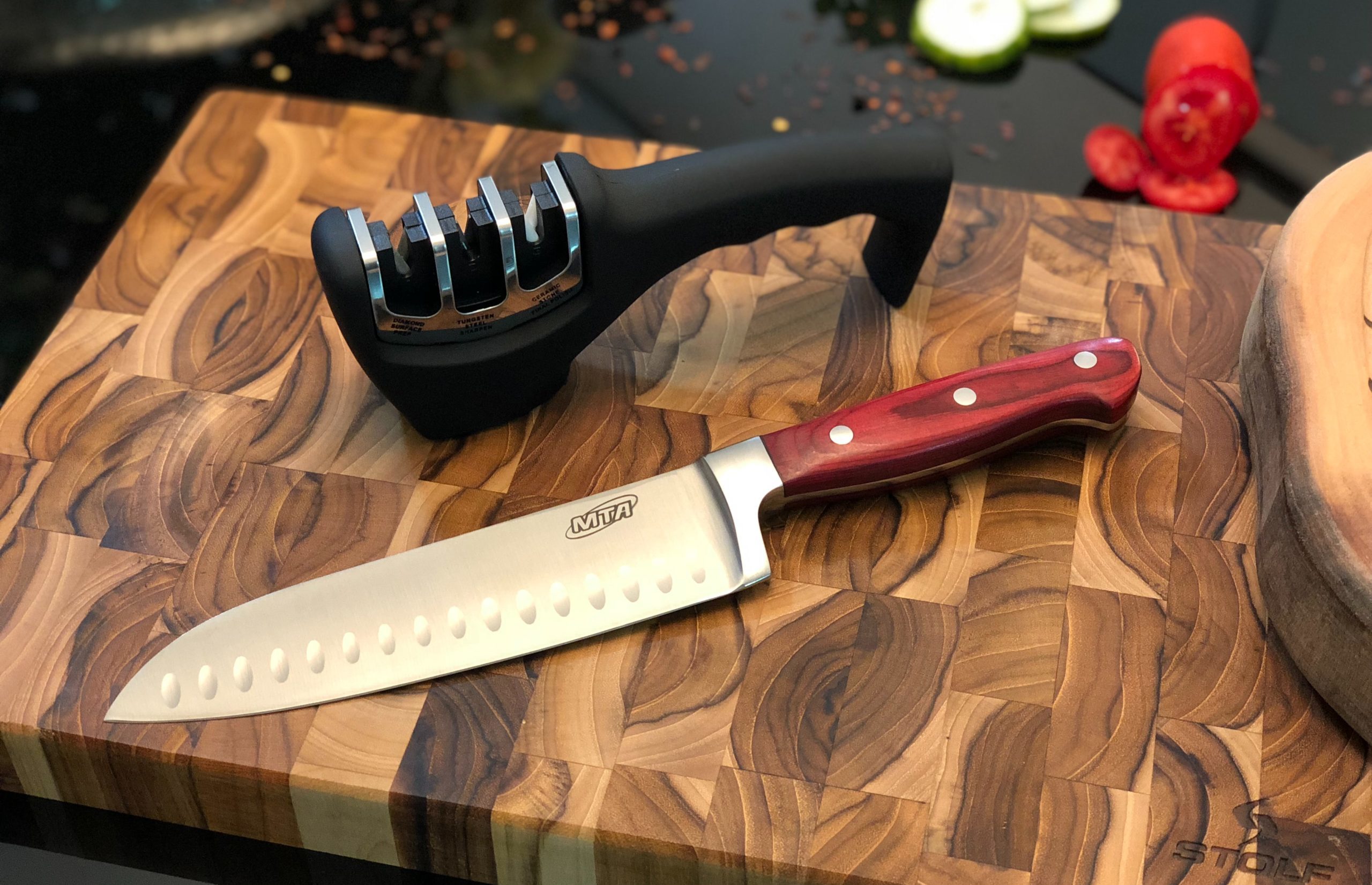
Kitchen knives are among the most frequently used tools in food preparation. However, even a good-quality knife gradually loses its cutting performance through regular use. A blade that once sliced effortlessly through vegetables, meat, and fruit may eventually become dull, making everyday cutting tasks more difficult.
This is why knife sharpening is an important part of kitchen maintenance. Keeping your knives sharp helps restore their cutting performance, makes food preparation easier, and gives you better control when slicing, chopping, and mincing ingredients.
However, sharpening is about more than simply making a blade sharp. Knowing when a knife needs attention, understanding the difference between honing and sharpening, and choosing the appropriate maintenance method are equally important.
In this guide, we’ll explain the importance and benefits of knife sharpening, how to recognize a dull blade, the difference between sharpening and honing, and practical ways to keep your kitchen knives in good condition.
Last reviewed: November 11, 2026
Why Is Knife Sharpening Important?
Knife sharpening restores a blade’s cutting edge by removing a small amount of material to create a new, functional edge. Over time, normal cutting can wear down or damage that edge, making the knife less effective.

A dull knife often requires more pressure to cut through food. This can make it harder to maintain consistent cuts and control the blade, particularly when working with ingredients that have smooth or slippery surfaces.
Regular knife maintenance helps keep your kitchen tools performing as intended. It also makes everyday activities, such as chopping vegetables, slicing meat, preparing fruit, and mincing herbs, more manageable.
The Occupational Safety and Health Administration (OSHA) recommends keeping cutlery sharp and in good condition because dull knives can slip and cause injuries. Maintaining your knives is therefore an important part of responsible kitchen safety.
Important Benefits of Keeping Your Kitchen Knives Sharp
Keeping your kitchen knives sharp offers several practical advantages. Here are some of the most important reasons to make knife maintenance part of your cooking routine.
1. Makes Cutting Easier and More Efficient
One of the most noticeable benefits of sharpening a knife is improved cutting performance.
A sharp blade moves through food more easily than a dull one. Instead of repeatedly pressing down or forcing the blade through an ingredient, you can make smoother cuts with less effort.
This is particularly helpful when preparing ingredients that require repeated chopping or slicing, such as onions, carrots, potatoes, tomatoes, and meat.
Maintaining sharp knives can also make lengthy food preparation sessions less tiring, especially for people who regularly cook at home.
2. Improves Cutting Control and Helps Promote Kitchen Safety
Knife sharpness is an important consideration when working safely in the kitchen. A dull blade often requires additional pressure to cut through food, which can make it harder to control the cutting motion.
When a knife struggles to cut an ingredient, the blade may slip unexpectedly. A properly maintained cutting edge generally allows you to cut more predictably without applying unnecessary force.
However, a sharp knife is not automatically a safe knife. Even a well-maintained blade can cause serious injuries when handled improperly.
Always use a stable cutting board, keep your fingers away from the cutting edge, direct cuts away from your body when appropriate, and store knives somewhere they cannot be accidentally touched.
Good knife maintenance should always go hand in hand with proper handling techniques.
3. Produces Cleaner Cuts and Better Food Presentation
A properly sharpened knife makes it easier to create clean, consistent cuts. This can improve the appearance of food, especially when preparing delicate ingredients that can be crushed or torn by a dull blade.
For example, a sharp knife can slice through ripe tomatoes, soft fruits, and fresh herbs more cleanly. This is particularly useful when preparing salads, garnishes, sandwiches, and other dishes where presentation matters.
Sharper blades do not make food inherently tastier or more nutritious. Their main benefit is that they help cut ingredients cleanly and maintain their intended shape and texture during preparation.
4. Helps You Maintain a Functional Kitchen Knife
A knife that has become dull through ordinary use does not necessarily need to be replaced. Proper sharpening can restore its cutting edge and allow you to continue using it effectively.
This can help you avoid replacing an otherwise serviceable kitchen knife simply because its cutting performance has declined.
However, sharpening itself removes a small amount of metal. Repeated or unnecessary sharpening can gradually wear down a blade. The goal is to maintain a functional cutting edge without removing more material than necessary.
Regular cleaning, appropriate storage, suitable cutting surfaces, and sharpening when needed all contribute to maintaining your knives.
Honing vs. Sharpening: What Is the Difference?
Honing and sharpening are two different parts of knife maintenance. Although people sometimes use these terms interchangeably, they perform different functions.
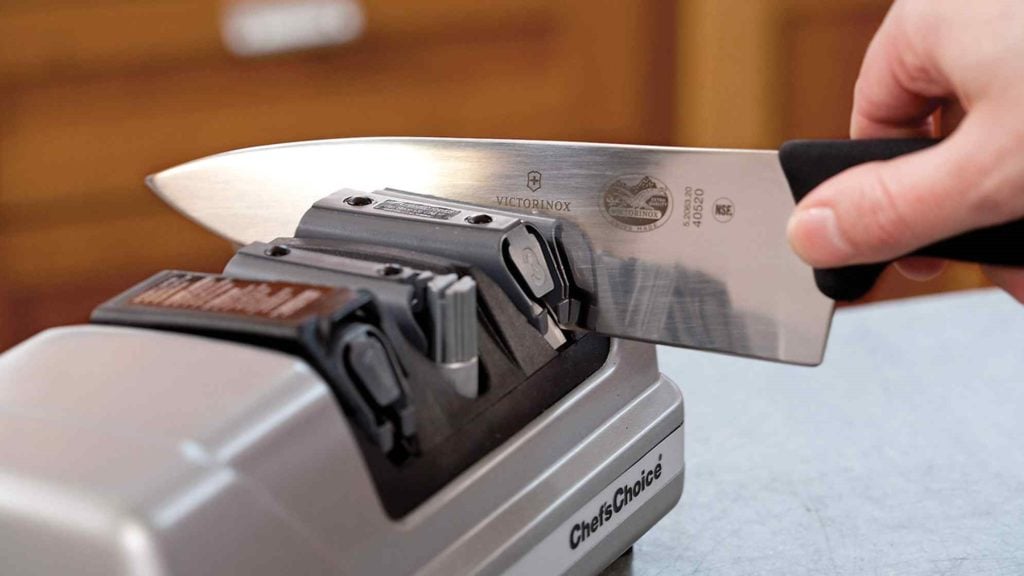
What Is Knife Honing?
Honing is a maintenance process used to refine or maintain a knife’s cutting edge between sharpening sessions. A honing rod is commonly used for this purpose.
Depending on its material and design, a honing tool may help realign minor edge distortions or use a fine abrasive surface to remove a very small amount of material.
Smooth steel honing rods, ceramic rods, and diamond-coated rods do not necessarily work in exactly the same way. It is important to understand the type of tool you are using.
What Is Knife Sharpening?
Sharpening removes material from the blade to create a new cutting edge. It is necessary when a knife has become too dull for ordinary honing to restore its cutting performance.
Sharpening can be performed using suitable tools such as whetstones, manual sharpeners, or electric sharpeners. The appropriate method depends on the knife’s construction and the condition of its blade.
Understanding the difference helps prevent unnecessary sharpening and excessive wear. Honing can help maintain an edge, but it cannot always restore a blade that has become significantly worn or damaged.
How Do You Know When a Knife Needs Sharpening?
There is no single sharpening schedule that works for every knife. How frequently you need to sharpen a blade depends on how often you use it, what you cut, the knife’s steel, and how well you maintain it.
Here are some common signs that your kitchen knife may need attention:
- It struggles to slice tomatoes: A properly maintained edge should cut through a ripe tomato without requiring excessive pressure.
- It crushes or tears ingredients: If your knife struggles to slice soft vegetables, fruit, or fresh herbs cleanly, its cutting edge may have become dull.
- You need more pressure when cutting: If ordinary food preparation becomes noticeably harder, the blade may have lost its cutting performance.
- Honing no longer helps: If suitable edge maintenance does not restore the blade’s performance, actual sharpening may be necessary.
- The edge has visible damage: Chips, substantial nicks, and other damage may require specialized sharpening or professional attention.
These signs are useful indicators, but they are not substitutes for inspecting the blade or following the manufacturer’s maintenance recommendations. Always handle knives carefully when checking their cutting performance.
How Often Should You Sharpen Kitchen Knives?
Sharpening frequency depends on how often you cook, the type of knife, the ingredients you cut, and how well you maintain the blade.
Some knives may need sharpening more frequently than others, particularly when they are used daily or on demanding cutting tasks. Knives used occasionally may retain their cutting performance for much longer.
Rather than following a strict calendar schedule, pay attention to how your knives perform.
Use a suitable honing tool for routine edge maintenance when needed, and sharpen the blade when honing no longer restores its performance. Follow the manufacturer’s recommendations for your particular knife instead of assuming that one schedule works for every blade.
What Is the Best Way to Sharpen a Kitchen Knife?
The right sharpening method depends on your knife, your experience, and the equipment available. Here are some commonly used options.
Whetstones or Sharpening Stones
A whetstone is a traditional sharpening tool that allows you to work directly on the knife’s cutting edge. It comes in different abrasive materials and grit levels.
Many sharpening stones offer good control over the sharpening process, but using one properly requires practice. You also need to understand whether your particular stone requires water, oil, or another form of preparation.
Always follow the stone manufacturer’s instructions, use a stable nonslip working surface, and maintain the recommended sharpening angle for your particular knife.
Remember that different sharpening stones have different preparation and lubrication requirements. Do not assume that every stone should be used with water.
Manual Knife Sharpeners
Manual sharpeners are designed to make sharpening more accessible to people who do not have experience with whetstones.
Some models use preset sharpening angles, making them relatively straightforward to operate. However, not every manual sharpener is compatible with every knife, so check the manufacturer’s recommendations before using one.
Electric Knife Sharpeners
Electric sharpeners offer a convenient way to restore a knife’s cutting edge with relatively little manual effort.
They can be useful for people who want a quicker sharpening process, but the correct model and sharpening setting matter. Using an incompatible or overly aggressive sharpener can remove more material than necessary.
Professional Knife Sharpening
Professional sharpening is worth considering when you have an expensive knife, a heavily damaged blade, or a knife with a specialized cutting edge.
Serrated knives, for example, require a different sharpening technique from ordinary straight-edged blades. Some Japanese knives also have specialized edge geometries that require particular care.
Rather than using an ordinary sharpening tool without understanding the blade design, consider a professional service when you are unsure how to maintain a particular knife.
For most home cooks, choosing a suitable maintenance method and sharpening only when necessary is more important than owning several different sharpening tools.
How to Keep Your Kitchen Knives Sharp Longer
Sharpening is only one part of proper knife maintenance. Your everyday habits also affect how long a knife retains its cutting performance.
Use an Appropriate Cutting Board
Choose a cutting board that is suitable for kitchen knives. Wood and food-safe plastic are commonly used options. Avoid routinely cutting on very hard surfaces such as glass, stone, or ceramic, as these can be harsh on a knife’s edge.
Cutting boards also need proper cleaning and maintenance. Plastic boards are generally easier to clean because they are nonporous, while wooden boards require appropriate washing and drying.
According to the USDA Food Safety and Inspection Service’s guidance on wooden and plastic cutting boards, boards should be washed properly and replaced when they become excessively worn or develop grooves that are difficult to clean.
For additional food safety, always use clean cutting boards. The USDA also recommends using separate boards for fresh produce and raw meat, poultry, and seafood when possible. Read its guidance on preventing cross-contamination.
Clean and Dry Your Knives After Use
Clean knives after food preparation to prevent food residue and moisture from remaining on the blade.
Hand washing is generally a gentle way to care for kitchen knives, although you should follow the instructions for your specific knife. Avoid leaving knives soaking in a sink where someone could accidentally reach into the water and touch the blade.
Dry the blade thoroughly before storing it, particularly if it is made from steel that can stain or corrode.
Store Knives Properly
Avoid throwing loose knives into a drawer where their blades can rub against other utensils. This can damage the cutting edge and create a safety hazard when reaching into the drawer.
Consider using a knife block, magnetic knife holder, in-drawer knife organizer, or protective blade guard. Choose an option that keeps the blade secure and prevents unnecessary contact with other objects.
Avoid Using Kitchen Knives for the Wrong Tasks
Kitchen knives are designed for specific cutting purposes. Using a regular kitchen knife to pry open containers, cut through frozen food, or handle materials it was not designed for can damage the blade.
Use the appropriate tool for tougher tasks, such as a suitable cleaver for cutting through bones.
Hone and Sharpen Only When Needed
Regular maintenance helps keep a knife’s cutting edge in good condition, but excessive sharpening can shorten the blade’s usable life.
Use a suitable honing tool between sharpening sessions and restore the cutting edge when the knife’s performance indicates that it is necessary. Follow the manufacturer’s instructions rather than relying on a fixed schedule.
Frequently Asked Questions About Knife Sharpening
Why is knife sharpening important?
Knife sharpening restores a dull cutting edge, making it easier to prepare food with less effort and better control. It also helps maintain the usefulness of kitchen knives and reduces the need to replace an otherwise serviceable blade simply because it has become dull.
Are sharp knives safer than dull knives?
A properly maintained knife generally requires less force and can provide better cutting control than a dull knife. This may help reduce the likelihood of slipping during food preparation. However, sharp knives still require careful handling and proper cutting techniques.
What is the difference between honing and sharpening a knife?
Honing is a maintenance process that helps refine or maintain the cutting edge. Sharpening removes material to create a new cutting edge. Honing is generally used more frequently, while sharpening is necessary when the blade has become too dull for routine maintenance to restore its performance.
Can you sharpen a knife too often?
Yes. Sharpening removes a small amount of metal, so unnecessary sharpening gradually wears down the blade. Maintain your knife regularly, but sharpen it only when its condition and cutting performance require it.
What angle should you use when sharpening a knife?
There is no universal sharpening angle for every kitchen knife. The recommended angle depends on the knife’s design, steel, intended use, and manufacturer. Always check the knife manufacturer’s sharpening recommendations instead of assuming that one angle works for all blades.
Can you sharpen serrated knives at home?
Serrated knives require a different approach from ordinary straight-edged blades because of their individual serrations. Some can be sharpened using specialized tools, but professional sharpening is a sensible option if you are unfamiliar with the process.
Do sharpening stones need water or oil?
It depends on the type of sharpening stone. Waterstones generally require water, while oil stones are designed for sharpening oil. Some diamond and ceramic stones have different preparation requirements. Always follow the product manufacturer’s instructions.
When should you replace a kitchen knife instead of sharpening it?
Consider replacing a knife if its handle is damaged or unsafe, its blade has severe structural damage, or it has become unsuitable for its intended use. Minor dullness and ordinary edge wear can often be corrected through proper sharpening, but serious damage deserves professional assessment.
Final Thoughts: Make Knife Sharpening Part of Your Kitchen Maintenance
Knife sharpening is an important part of keeping your kitchen equipment functional and ready for everyday food preparation. A properly maintained knife makes cutting easier, improves control, and helps produce cleaner, more consistent results.
However, good knife care involves more than sharpening. Appropriate cutting boards, proper cleaning, safe storage, and regular edge maintenance all contribute to keeping your knives in good condition.
You do not need to sharpen your knives constantly or invest in expensive equipment to maintain them. Understand what your knives need, choose compatible tools, and sharpen them when their cutting performance starts to decline.
With consistent care and proper handling, you can get more reliable use from your kitchen knives and make everyday food preparation more convenient.
For more practical food, wellness, and everyday living topics, explore our Lifestyle guides. To learn more about how we research and maintain our content, visit our About Money For My Beer page.
Sources and Further Reading
- Occupational Safety and Health Administration: Kitchen Equipment and Knife Safety – Guidance on maintaining sharp cutlery and safe knife handling, use, and storage.
- University of Nebraska–Lincoln: How to Use a Chef’s Knife – Practical guidance on knife handling, sharpening, cutting surfaces, and proper storage.
- USDA Food Safety and Inspection Service: Should I Use a Wooden Cutting Board or a Plastic One? – Information about cutting board materials, cleaning, and maintenance.
- USDA Food Safety and Inspection Service: How Can I Prevent Cross-Contamination When Using Cutting Boards? – Food safety recommendations for cleaning and using cutting boards.
Also Read: The Best Heat Protection Spray For Fine Hair
Well, what do you think about the article?
Do you like reading the “Importance and Benefits of Knife Sharpening“? If so, please comment down below. We would love to hear your thoughts about this.
To see more content like this check the Lifestyle section of Money For My Beer.

Chief Editor and Website Owner.
Hi, I’m Ryan. I write and edit everything on this site, which means I’m the last set of eyes on every post before it goes live. By day I’m a technical architect. I design and build enterprise systems, apps, websites, and the occasional game.
This site started because I wanted one place where money advice for regular people doesn’t read like it was written by a finance robot. My goal is simple: every article should be genuinely useful, actually tested against what real people are searching for, and written in plain English. No jargon, no “get rich quick,” no advice I wouldn’t follow myself.
You’ll see a lot of topics here that lean on my engineering background: software reviews, tools, and tech-adjacent money stuff. Where a topic needs real financial expertise, I say so plainly and point you to qualified sources rather than pretending.
You made a good point when you said that a sharpened knife is safer since it’s predictable and easier to control than a dull knife that may slide and cut you. The knives in my mom’s kitchen have become dull since it has never been sharpened since she bought it. I’ll share what you said with her, so she’ll have the blades sharpened soon. Thanks.
Great blog and excellent instructions. I have sharpened my knives western style alternating the direction and side of knife on each stroke. This is very hard to maintain the same level. Your method is much easier to control. My stones were in terrible shape. They are now flat and all my knives are very happy. Thanks for sharing your technique.
I’m glad that you like what we have written. Thanks.