Plants need the right growing conditions to develop healthy roots, leaves, stems, flowers, and fruit. Whether you grow houseplants, herbs, vegetables, or ornamental plants, the basics are similar: suitable light, water, air around the roots, appropriate nutrients, and an environment that matches the plant’s needs.
The challenge is that there is no single care routine that works for every plant. Some plants need direct sunlight, while others prefer shade. Some growing media dry quickly, while others retain moisture for longer. Understanding these differences helps you make better decisions and avoid common growing mistakes.
This guide explains the fundamentals of plant growth, how to recognize common problems, and when to adjust your growing conditions. For a broader guide covering garden planning, plant selection, containers, and garden maintenance, see our complete gardening guide.
Plant Growing Basics at a Glance
Healthy plant growth depends on several interconnected factors:
- Light: Provides the energy plants need for photosynthesis.
- Water: Supports nutrient transport and other essential plant processes.
- Growing medium: Provides root support, moisture, air, and, depending on the medium, nutrients.
- Nutrients: Supply essential elements needed for growth and development.
- Temperature and humidity: Influence plant growth, water loss, and how well a plant performs in its environment.
- Root health: Depends on adequate space, oxygen, moisture, and suitable growing conditions.
- Regular observation: Helps you notice changes in growth, leaves, soil moisture, and signs of pests.
When a plant struggles, check these factors before buying additional equipment or applying more fertilizer. The cause may be an unsuitable growing environment rather than a lack of plant-care products.
1. Give Plants the Right Amount of Light
Light powers photosynthesis, the process plants use to convert light energy into chemical energy. Without sufficient light, many plants cannot sustain healthy growth. However, too much direct sunlight can also damage plants that are not adapted to it.
Understand sunlight requirements
Different plants have different light preferences. Many fruiting vegetables need several hours of direct sunlight, while some foliage plants grow better in bright, indirect light or partial shade.
Before choosing a growing location, consider:
- How many hours of direct sunlight the area receives.
- Whether nearby buildings or trees block the light.
- Whether afternoon sun makes the location excessively hot for the plant.
- Whether the plant’s light requirements change as it matures.
Do not assume that a plant needs full sun simply because another plant in the same garden thrives under those conditions. Check the requirements of the species and, when applicable, the variety.
Growing plants indoors
Indoor plants receive light through windows or from supplemental lighting. A room that looks bright to you may not provide enough light for a plant that needs stronger illumination.

Insufficient light can contribute to elongated stems, pale leaves, weak growth, or plants leaning toward a window. These symptoms can have other causes, so consider watering, nutrition, and overall plant health before changing the lighting.
If you move a plant from shade to a brighter location, increase its exposure gradually when appropriate. A sudden change to intense direct sunlight can scorch leaves that have not acclimated.
For indoor growing, the University of Minnesota Extension guide to lighting for indoor plants explains light requirements and options for supplemental lighting.
2. Choose a Suitable Soil or Growing Medium
Roots need a growing environment that provides physical support, moisture, oxygen, and access to essential nutrients. The right growing medium depends on the plant and whether it is growing in garden soil, a raised bed, a container, or a soilless system.
Understand drainage and moisture retention
A growing medium needs to retain enough moisture for the plant while allowing excess water to drain where the growing method requires it. If the root zone stays saturated for too long, roots may not receive sufficient oxygen. A medium that dries too quickly may leave the plant without enough available water.
Clay-rich soils often retain more water than sandy soils, while many container potting mixes are designed to balance moisture retention and drainage. These characteristics influence how often you need to water.
Use the right medium for the plant
Container plants generally benefit from a potting mix suited to their needs rather than ordinary garden soil placed in a pot. Garden soil can become compacted in containers and may not provide suitable drainage or aeration.
Some plants require specialized growing media. Succulents, orchids, seedlings, and many tropical foliage plants may have different moisture and root requirements, so a single soil recipe is not appropriate for every species.
Also check the container itself. Drainage holes are important for most conventionally grown potted plants because they allow excess water to escape.
Understand soil health and pH
Soil health involves more than the amount of fertilizer available. Structure, organic matter, drainage, biological activity, nutrient availability, and pH all affect how well the soil supports plant growth.
Soil pH influences nutrient availability, but there is no universal target for every plant. Some plants prefer acidic conditions, while others tolerate or prefer a different pH range.
Before adding lime, sulfur, or large amounts of fertilizer, investigate whether the soil actually needs an adjustment. Our guide to improving soil health explains how testing, organic matter, drainage, and soil management can support better growing conditions.
You can also use our guide to soil health indicators to learn more about the physical, chemical, and biological characteristics associated with healthy soil.
3. Water Plants According to Their Needs
Water is essential for plant growth, but watering more frequently does not necessarily make a plant healthier. Too little water can cause dehydration and wilting, while excessive watering can reduce oxygen around roots and contribute to root damage.
The right watering frequency depends on several factors:
- Plant species and stage of growth.
- Soil type or growing medium.
- Container size and drainage.
- Temperature, humidity, sunlight, and wind.
- Recent rainfall and the amount of water the plant has already received.
Check moisture before watering
For many potted plants, feeling the growing medium below the surface is a useful way to judge whether watering is necessary. The surface may look dry while deeper layers remain moist, or the surface may appear damp while the root zone is already drying.
As you gain experience, observe how quickly the medium dries under different conditions. Small pots in warm, sunny locations may dry faster than large containers in cooler or shadier areas.
When a plant needs watering, apply enough water to reach the appropriate root zone, allowing excess water to drain when applicable. Avoid leaving plants sitting in collected water unless the growing method specifically requires it.
Recognize watering problems
Continuously wet growing media, unpleasant odors, yellowing leaves, and declining roots may point to excessive moisture or poor drainage. Dry soil, dry leaf edges, and wilting can indicate insufficient water, although these symptoms are not definitive.
Wilting deserves particular attention because both underwatering and waterlogged roots can cause it. Check the actual moisture conditions before adding more water.
For additional guidance, see Oregon State University Extension’s watering basics, which explains how soil type, weather, and moisture affect watering decisions.
If you want to monitor growing conditions more systematically, our guide to smart garden sensors explains the types of sensors available and what they can help you measure.
4. Understand Plant Nutrients and Fertilizer
Plants need essential mineral nutrients to develop roots, leaves, stems, flowers, and fruit. Depending on the plant and growing environment, the existing supply may be sufficient or additional fertilizer may be needed.
Fertilizer can help address nutrient needs, but it cannot compensate for every growing problem. A plant receiving insufficient light or experiencing root damage may continue to struggle even when you add nutrients.
What does N-P-K mean?
N-P-K refers to nitrogen, phosphorus, and potassium, three primary nutrients commonly listed on fertilizer labels.
- Nitrogen (N): Supports leaf and stem growth and is a component of proteins and chlorophyll.
- Phosphorus (P): Plays important roles in energy transfer, root development, and reproduction.
- Potassium (K): Supports several plant processes, including water regulation and enzyme activity.
Plants also need secondary nutrients and micronutrients. The appropriate nutrient balance depends on the species, growing medium, existing nutrient supply, and stage of growth.
Apply fertilizer carefully
Choose a fertilizer appropriate for the plant and follow the product label for the application rate and timing. Where practical, soil testing can help identify nutrient needs and avoid unnecessary applications.
Applying too much fertilizer can injure roots, increase soluble salts in the growing medium, or create nutrient imbalances. This applies to both synthetic and organic fertilizer products.
Avoid automatically increasing fertilizer whenever a plant looks unhealthy. Check light, moisture, drainage, root condition, and pests before assuming the problem is nutritional.
The University of Maryland Extension’s guide to garden fertilizer basics explains fertilizer selection, soil testing, label instructions, and the risks associated with excessive applications.
5. Match Temperature, Humidity, and Airflow to the Plant
Light, water, soil, and nutrients are not the only factors affecting growth. Temperature, humidity, and airflow can also influence how well a plant develops and how quickly it loses water.
Consider the following when choosing where to grow a plant:
- Temperature: Plants have different temperature ranges for healthy growth. Conditions that are suitable for one species may stress another.
- Humidity: Some tropical plants prefer more humid conditions, while other plants are adapted to drier air.
- Airflow: Suitable air movement can help prevent stagnant conditions around foliage, although strong winds can damage plants and increase water loss.
- Root space: A plant confined by a container that is too small may struggle as it grows. Consider the mature size of the plant when choosing a pot.
Indoor growing spaces may become warmer or cooler than expected, particularly near windows, air-conditioning vents, or heat-producing equipment. Observe the plant and its surroundings before making environmental adjustments.
For outdoor plants, account for local weather, rainfall, wind exposure, and seasonal changes. Growing advice developed for one climate may not work as expected in another.
6. Give Seeds and Young Plants a Good Start
Seeds and seedlings are still developing their root systems, so they need suitable conditions during establishment. Follow the instructions for the particular plant instead of assuming every seed should be planted at the same depth or kept equally moist.
When starting from seed:
- Check the recommended planting depth and spacing.
- Use a suitable growing medium for germination.
- Maintain the moisture and temperature conditions required by the species.
- Provide enough light when seedlings emerge.
- Avoid overcrowding seedlings if thinning or transplanting is necessary.
When transplanting, handle the roots carefully and water according to the plant’s needs. Plants moving from sheltered indoor conditions to a brighter outdoor environment may benefit from gradual acclimation before full exposure.
Follow the seed packet, nursery instructions, or a reliable species-specific growing guide for details such as germination time, planting depth, spacing, and transplanting requirements.
7. Recognize Common Plant Problems
Regular observation helps you notice changes early. Look at new growth, leaf color, stems, the condition of the growing medium, and any visible signs of pests or disease.
Common symptoms can provide useful clues, but they do not always identify the exact cause.
- Yellowing leaves: May be associated with excessive moisture, insufficient water, nutrient problems, aging leaves, pests, or environmental stress.
- Long, weak stems: Can indicate insufficient light, although other growing conditions may contribute.
- Wilting: May result from dry growing media, waterlogged roots, root damage, or other stress.
- Brown or scorched leaf edges: Can be associated with moisture stress, fertilizer salts, heat, or other environmental factors.
- Spots, holes, or distorted leaves: May indicate insect feeding, disease, physical damage, or environmental problems.
- Slow growth: Can result from poor light, unsuitable temperatures, restricted roots, nutrient issues, or normal periods of slower growth.
These symptoms are starting points for investigation, not diagnoses. Check the plant’s growing conditions and look for additional evidence before deciding how to respond.
Prevent pests and disease where possible
Inspect plants regularly, remove badly damaged material when appropriate, maintain suitable growing conditions, and avoid spreading pests between plants. Isolate affected indoor plants when necessary while you investigate the problem.
If treatment is needed, identify the pest or disease before selecting a control method. Use pesticides or horticultural products only when appropriate for the plant and intended problem, and follow all label instructions. A product described as natural is not automatically harmless to plants, beneficial insects, or people.
Penn State Extension’s guide to controlling insect pests in the garden explains how to identify problems and select suitable pest-management approaches.
8. Build a Simple Plant-Care Routine
You do not need to measure every environmental factor to care for plants successfully. A simple routine can help you understand what is working and recognize problems before they become more serious.
Use this checklist as a starting point, adapting it to the plants you grow:
- Check growing-medium moisture before watering.
- Look for healthy new growth and unusual changes in leaves or stems.
- Inspect foliage and stems for pests or signs of disease.
- Check that pots drain properly and roots have enough room.
- Review light exposure and temperature when growth changes.
- Apply fertilizer only when appropriate for the plant and growing conditions.
- Record useful observations, including planting dates, watering changes, and treatments.
If you grow many plants, a notebook or simple digital record can help you identify recurring problems. You can compare watering observations, growth patterns, and environmental changes instead of relying entirely on memory.
Over time, these observations can help you adjust your routine to suit your plants and local conditions.
Scientific Explanation: What Are the Core Elements of Growing Basics?
Light and Energy Requirements
Light quality determines how fast a plant photosynthesizes, directly affecting yield and flavor. For indoor setups, aim for 400–700 µmol m⁻² s⁻¹ of PAR (photosynthetic active radiation) using full‑spectrum LED panels; a 4000 K white light mimics midday sun, while a 6500 K blue‑rich light encourages vegetative growth.
Sunlight hours matter most for outdoor growers. Position crops where they receive at least six direct hours daily; a south‑facing balcony typically meets this criterion in the Northern Hemisphere.
Soil and Nutrient Fundamentals
Soil texture should balance aeration and moisture retention; a 1:1:1 mix of peat moss, perlite, and vermiculite provides a light yet water‑holding medium ideal for most herbs.
Nutrient balance hinges on the N‑P‑K ratio (nitrogen, phosphorus, potassium). A starter fertilizer labeled 20‑20‑20 supplies equal parts of each macro‑nutrient, supporting both leafy growth and root development.
Water Management Essentials
Water frequency depends on pot size and ambient humidity; a good rule is to water when the top inch of soil feels dry to the touch.
Irrigation methods such as drip lines or self‑watering reservoirs reduce over‑watering risk and free up time for other side‑hustle tasks.
Setting Up Your First Growing Space Using Growing Basics
Choosing Indoor Versus Outdoor Spaces
Indoor advantage lies in climate control; a closet or spare room can maintain 65–75 °F year‑round, eliminating seasonal setbacks.
Outdoor benefit is natural sunlight, which cuts electricity costs and can boost aromatic compounds in brewing herbs like hops and coriander.
Essential Equipment Checklist
- LED grow panel (30–45 W per square foot) – details
- Timer to automate 12‑hour light cycles – details
- pH meter for soil testing – details
- Ventilation fan to prevent heat buildup – details
- Reusable grow bags for easy transplanting – details
Budget‑friendly kits often bundle the first three items for under $150, making a low‑risk entry point for aspiring earners.
When choosing a LED grow panel, consider spectrum coverage, wattage per square foot, and energy efficiency; a quality fan should match the tent’s volume to maintain optimal temperature and humidity.

How to Master Soil Composition and Plant Nutrition
Understanding pH Levels
Optimal pH for most culinary herbs falls between 6.0 and 6.8; values outside this range lock nutrients and stunt growth.
Testing technique involves inserting a calibrated probe 2 inches deep and recording the reading; if the result is below 6.0, add a teaspoon of dolomite lime per gallon of soil.
Organic Versus Synthetic Nutrients
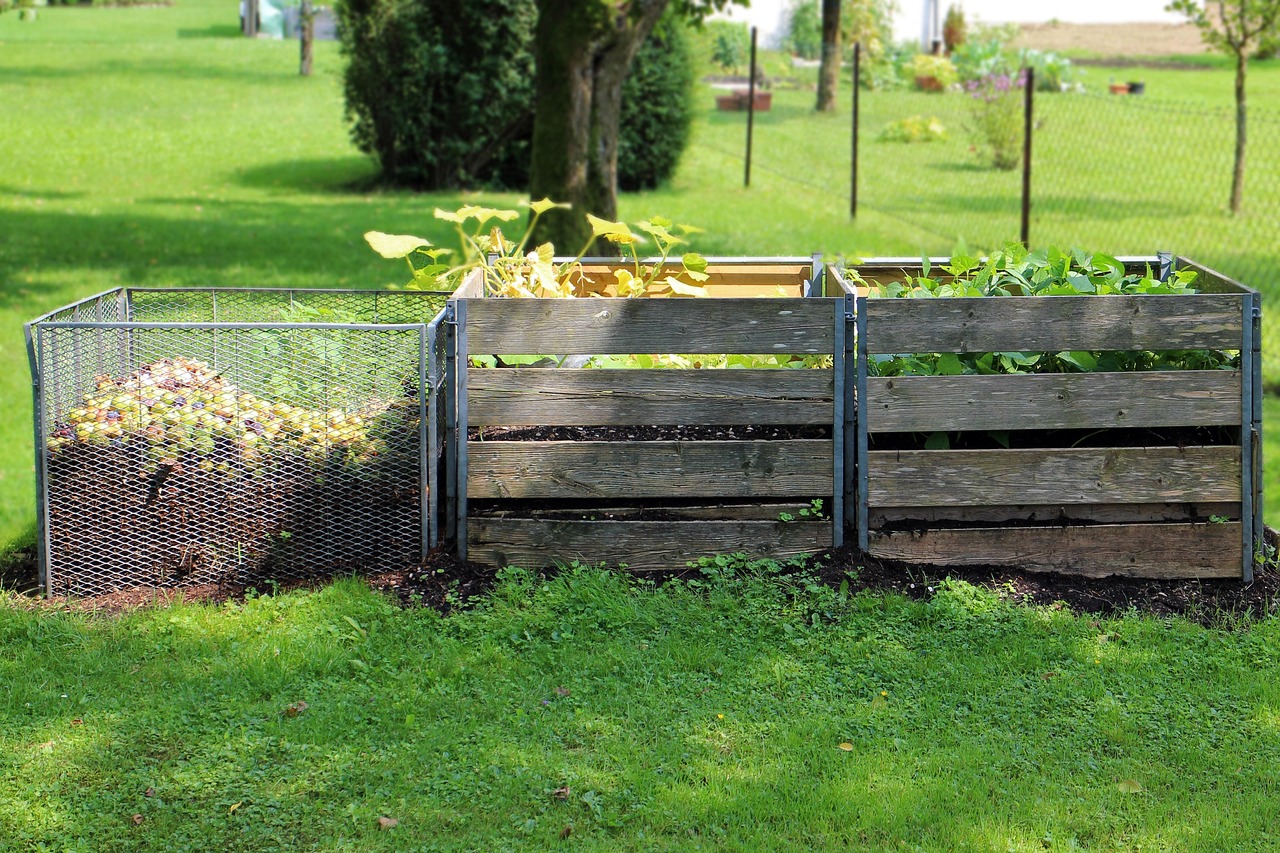
Organic options like fish emulsion or compost tea release nutrients slowly, improving soil biology and appealing to eco‑conscious consumers.
Synthetic blends provide precise ratios and faster results, which can be useful when scaling a harvest for a brewing batch.
When experimenting, start with half the recommended dose and observe plant response before adjusting upward.
Applying Growing Basics to Specialized Hobbies
Growing Crops for Home Brewing
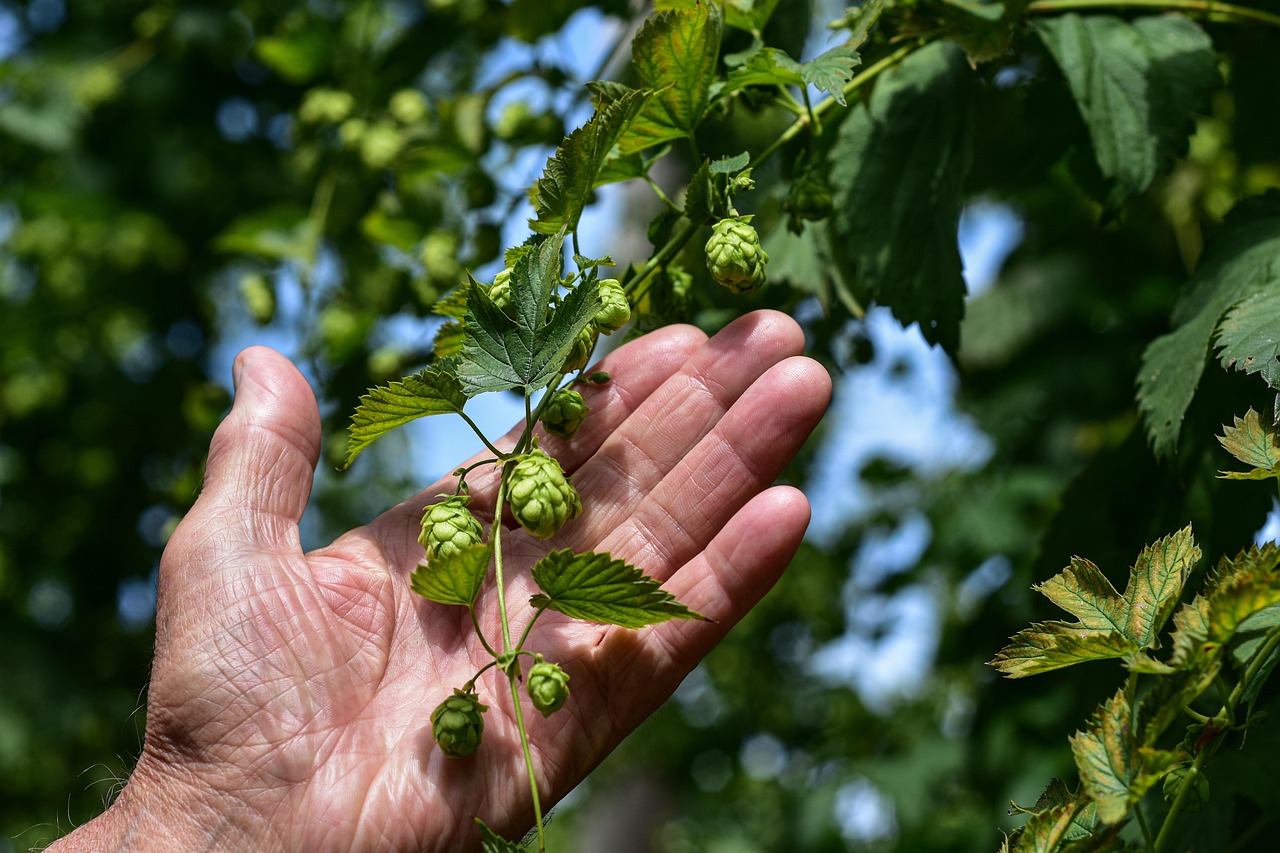
Hops thrive in a loamy, well‑drained soil with a pH of 6.0–7.0; a 12‑hour daylight schedule yields vigorous vines in 90 days.
Barley requires a longer cool season; planting in early spring and providing 14‑hour light cycles indoors can accelerate the grain development needed for malt.
Both crops benefit from a light‑rich environment; adding a UV‑B supplement can enhance resin production in hops, translating to richer bitterness in the final brew.
Scaling Up Your Harvest
Vertical farming multiplies output per square foot by stacking trays; a three‑tier system can triple a beginner’s yield without expanding floor space.
Batch scheduling staggers planting dates every two weeks, ensuring a continuous supply of fresh herbs for weekly brew sessions.
Keep detailed logs of planting dates, nutrient regimes, and harvest weights; this data helps you predict revenue per pound and refine your side‑hustle pricing.
Common Pitfalls in Growing Basics and How to Avoid Them
Overwatering and Root Rot
Symptoms include yellowing leaves and a foul, mushroom‑like smell from the pot; these indicate saturated roots and impending rot.
Prevention starts with using containers with drainage holes and a saucer to catch excess; a simple “finger test”—pressing the top inch of soil—helps gauge moisture accurately.
Pest Management Strategies
Aphids are the most common indoor pest; a quick spray of diluted neem oil (1 teaspoon per quart of water) controls them without harming beneficial microbes.
Prevention tip involves sealing entry points, using fine mesh screens on vents, and regularly inspecting the undersides of leaves.
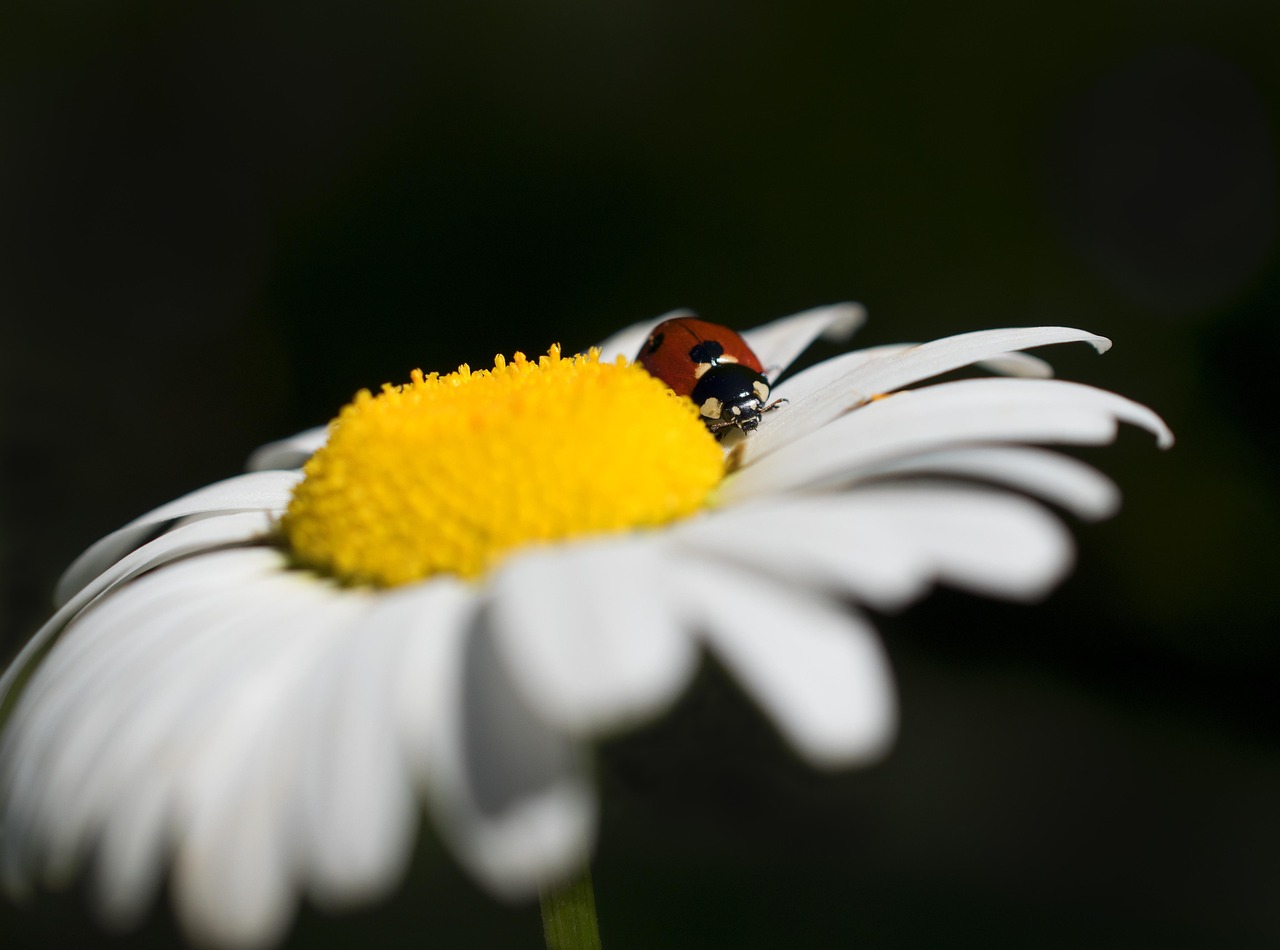
For larger infestations, introduce predatory insects like ladybugs; they consume aphids and spider mites, reducing the need for chemical interventions.
When leaves show yellowing or stunted growth despite proper watering, check for nutrient deficiencies; a quick tissue test can pinpoint missing macro‑nutrients and guide corrective feeding.
Frequently Asked Questions
What are the most important growing basics for beginners to learn first?
Start with light, soil, and water. Mastering the right light spectrum, a balanced soil mix, and a consistent watering schedule creates a solid foundation for any crop.
What role does soil pH play in growing basics?
Soil pH determines nutrient availability; a range of 6.0–6.8 keeps most macro‑nutrients soluble, preventing deficiencies that stunt growth and lower yield.
How do growing basics apply to cultivating home‑brewing ingredients?
For hops and barley, maintain proper pH, provide ample light, and use a nutrient regime that supports rapid vegetative growth; these steps translate directly into higher resin and grain quality for brewing.
What are the basic requirements for plant growth?
Most plants need suitable light, water, air, essential mineral nutrients, and an appropriate environment for their roots. Temperature, humidity, and growing space also matter. The exact requirements depend on the species and growing method.
How often should I water my plants?
There is no universal watering schedule. Frequency depends on plant species, growing medium, container size, temperature, sunlight, humidity, and rainfall. Check moisture and follow guidance appropriate for the plant rather than watering every plant on the same schedule.
Do all plants need direct sunlight?
No. Some plants need strong direct sunlight, while others grow better with filtered light, partial shade, or suitable indoor lighting. Choose plants according to the light available in your growing space.
Should I fertilize a plant that is not growing well?
Not automatically. Poor growth can result from insufficient light, watering problems, damaged roots, unsuitable temperatures, pests, or nutrient deficiencies. Check the growing conditions first and use fertilizer when there is a reasonable basis for doing so.
Can I grow plants indoors without a grow light?
Yes, if the available natural light meets the plant’s needs. A suitable windowsill may be sufficient for some plants, while others need stronger illumination or supplemental lighting. Choose plants suited to your actual indoor conditions.
What is the easiest way to learn plant care?
Start with a few plants whose requirements match your growing space. Learn how they respond to light, watering, and temperature, then make adjustments based on observation. Starting small makes it easier to understand what works before adding more plants.
Sources and Further Reading
These university extension and government resources provide additional information on plant care, growing conditions, fertilizer use, pest management, and soil health.
- University of Minnesota Extension: Lighting for Indoor Plants and Starting Seeds
- Oregon State University Extension: Watering Basics
- University of Maryland Extension: Garden Fertilizer Basics
- Penn State Extension: Steps to Controlling Insect Pests in the Garden
- Department of Agriculture, Bureau of Soils and Water Management: National Soil Health Program
For more practical gardening advice, visit the Money For My Beer Gardening library. You can explore additional articles about soil, plant care, indoor growing, gardening tools, and individual plant species.
Also Read: Complete Gardening Guide: How to Start, Grow, and Care for a Home Garden
Well, what do you think about the article?
Did you enjoy reading “Plant Growing Basics: Light, Water, Soil, and Nutrients”? We really hope that you have enjoyed.
If you have any thoughts or comments about this post, please feel free to share them in the comment section below. We appreciate your feedback and would be glad to hear from you.
To see more content like this check the Gardening section of Money For My Beer.

Chief Editor and Website Owner.
Hi, I’m Ryan. I write and edit everything on this site, which means I’m the last set of eyes on every post before it goes live. By day I’m a technical architect. I design and build enterprise systems, apps, websites, and the occasional game.
This site started because I wanted one place where money advice for regular people doesn’t read like it was written by a finance robot. My goal is simple: every article should be genuinely useful, actually tested against what real people are searching for, and written in plain English. No jargon, no “get rich quick,” no advice I wouldn’t follow myself.
You’ll see a lot of topics here that lean on my engineering background: software reviews, tools, and tech-adjacent money stuff. Where a topic needs real financial expertise, I say so plainly and point you to qualified sources rather than pretending.