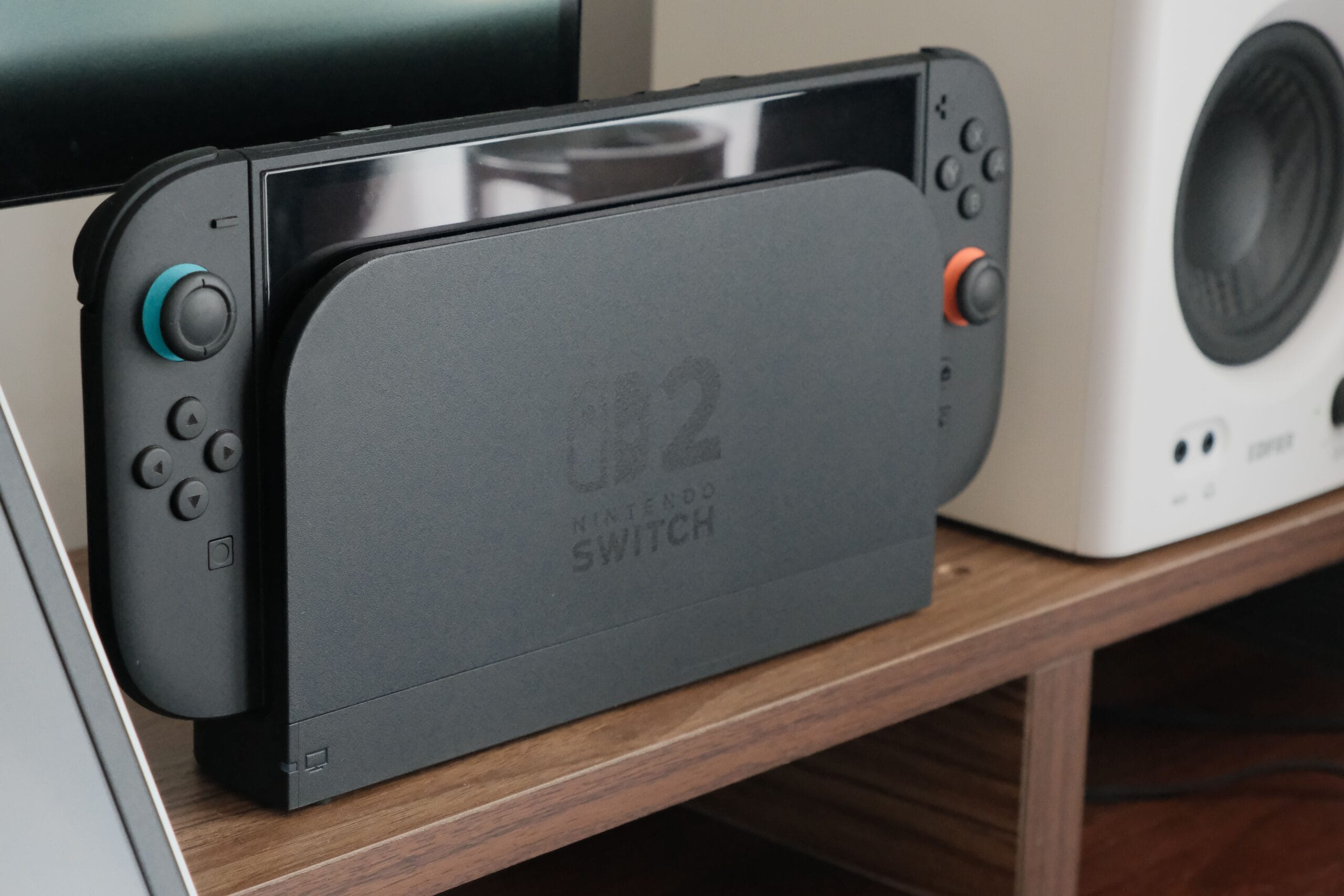
Quick answer: Nintendo stock can be an interesting long-term investment because Nintendo combines a valuable portfolio of intellectual property, video game hardware, software, digital sales, and other entertainment businesses. However, it should not be considered a “safe” stock. Nintendo remains exposed to console cycles, game-release risk, competition, foreign exchange movements, consumer spending, and valuation risk.
For investors researching Nintendo stock in 2026, there is also an important distinction between the company’s Japanese ordinary shares and the U.S. ticker many investors see online. Nintendo’s ordinary shares trade in Japan under 7974 on the Tokyo Stock Exchange Prime Market, while NTDOY is an over-the-counter American Depositary Receipt (ADR).
This guide explains what Nintendo stock is, where it trades, the difference between 7974 and NTDOY, the latest Nintendo financial results, Switch 2 sales, dividends, the stock split, major investment opportunities and risks, and what to consider before buying the shares.
Last checked: October 8, 2026
Nintendo Stock at a Glance
| Item | Latest information |
|---|---|
| Company | Nintendo Co., Ltd. |
| Japanese stock code | 7974 |
| Japanese listing | Tokyo Stock Exchange Prime Market |
| Japanese trading unit | 100 shares |
| U.S. ADR | NTDOY |
| ADR market | OTC |
| ADR ratio | 4 NTDOY ADRs represent 1 Nintendo ordinary share |
| FY2027 revenue forecast | 2.05 trillion yen |
| FY2027 operating profit forecast | 370 billion yen |
| FY2027 profit forecast | 310 billion yen |
| FY2027 annual dividend forecast | 162 yen per ordinary share |
| Nintendo Switch 2 hardware | 23.68 million units as of June 30, 2026 |
| Original Nintendo Switch hardware | 156.59 million units as of June 30, 2026 |
These figures come primarily from Nintendo’s official investor relations materials and Citi’s depositary receipt information. Because stock prices, exchange rates, forecasts, and dividends can change, use the company’s latest filings and announcements when making an investment decision.
What Is Nintendo Stock?
Nintendo stock represents ownership in Nintendo Co., Ltd., the Japanese entertainment company behind franchises such as Mario, The Legend of Zelda, Animal Crossing, Super Smash Bros., and other well-known properties.
Nintendo’s business is centered on its dedicated video game platform business, which includes hardware and software. The company also generates revenue from digital content, Nintendo Switch Online, and an IP-related business that includes areas such as movie and video content, licensing, and merchandise-related activities.
This makes Nintendo different from a company whose revenue depends on a single game or a single hardware product. At the same time, the business remains closely connected to the success of its platforms and software releases.
What Is Nintendo’s Stock Ticker?
Nintendo’s ordinary shares trade in Japan under the stock code 7974.
Nintendo is listed on the Tokyo Stock Exchange Prime Market, and the company’s stated trading unit is 100 shares. This means buying the Japanese ordinary shares directly can require significantly more capital than buying a fractional position through a brokerage that supports fractional investing.
There is also a U.S.-traded ADR called NTDOY, which can make Nintendo more accessible to investors whose brokerage accounts do not provide direct access to Japanese exchanges.
NTDOY vs. Nintendo 7974: What’s the Difference?
7974 is Nintendo’s ordinary share listed in Japan. NTDOY is an American Depositary Receipt representing Nintendo shares and trading over the counter in the United States.
| Feature | Nintendo 7974 | NTDOY |
|---|---|---|
| Security | Japanese ordinary share | American Depositary Receipt |
| Market | Tokyo Stock Exchange | OTC market |
| Currency | Japanese yen | U.S. dollar quotation |
| Trading unit | 100 shares | Depends on brokerage order capabilities |
| ADR ratio | Not applicable | 4 ADRs represent 1 ordinary share |
Citi, the depositary for Nintendo’s ADR program, currently lists NTDOY as an OTC ADR with a ratio of 1 ordinary share to 4 depositary receipts.
The distinction matters because NTDOY’s quoted price cannot simply be compared one-for-one with the price of a single Nintendo ordinary share. The ADR ratio, exchange rate, market liquidity, trading hours, fees, and other factors can affect the price an investor sees and the actual cost of ownership.
Before placing an order, check your broker carefully to confirm which Nintendo security you are buying.
What Is the Nintendo Stock Price?
Nintendo’s stock price changes continuously while the relevant market is open, so using a fixed price in an evergreen article quickly becomes outdated.

For the latest Nintendo stock price, check your brokerage account or a current market-data provider. For company announcements, financial statements, dividend information, share information, and sales figures, use Nintendo’s official Investor Relations website.
It is also important to distinguish between the price of 7974 in Japan and the price of NTDOY in the OTC market. They are linked, but they do not represent an identical one-to-one quote.
When Did Nintendo Split Its Stock?
Nintendo completed a 10-for-1 stock split effective October 1, 2022.
Under the split, each existing Nintendo common share was divided into 10 shares. Nintendo said the decision was intended in part to lower the investment unit and improve accessibility and liquidity for investors.
This is important when reading older Nintendo stock articles because historical share prices and dividend figures published before the split may not be directly comparable with today’s per-share figures.
You can read the company’s official documentation about the Nintendo 10-for-1 stock split for additional details.
What Are Nintendo’s Latest Financial Results?
Nintendo’s latest reported results cover the three months ended June 30, 2026, released on August 6, 2026.
| Q1 FY2027 metric | Result | Year-over-year change |
|---|---|---|
| Net sales | 517.8 billion yen | -9.5% |
| Operating profit | 142.6 billion yen | +150.5% |
| Ordinary profit | 206.1 billion yen | +115.1% |
| Profit attributable to owners | 147.4 billion yen | +53.5% |
The headline numbers need some context.
Nintendo reported that sales declined year over year, but operating profit rose sharply. The company attributed the operating-profit increase partly to the greater proportion of software in total sales and to refunds of U.S. IEEPA tariffs that had previously been recorded in cost of sales.
That means investors should not assume that the 150.5% operating-profit increase represents a normal recurring growth rate. Looking at margins, product mix, software sales, digital revenue, hardware demand, and unusual items gives a more useful picture.
Nintendo’s Digital Sales Are Growing
Digital sales from Nintendo’s dedicated video game platforms totaled 132.7 billion yen in the latest quarter, an increase of 90.0% year over year.
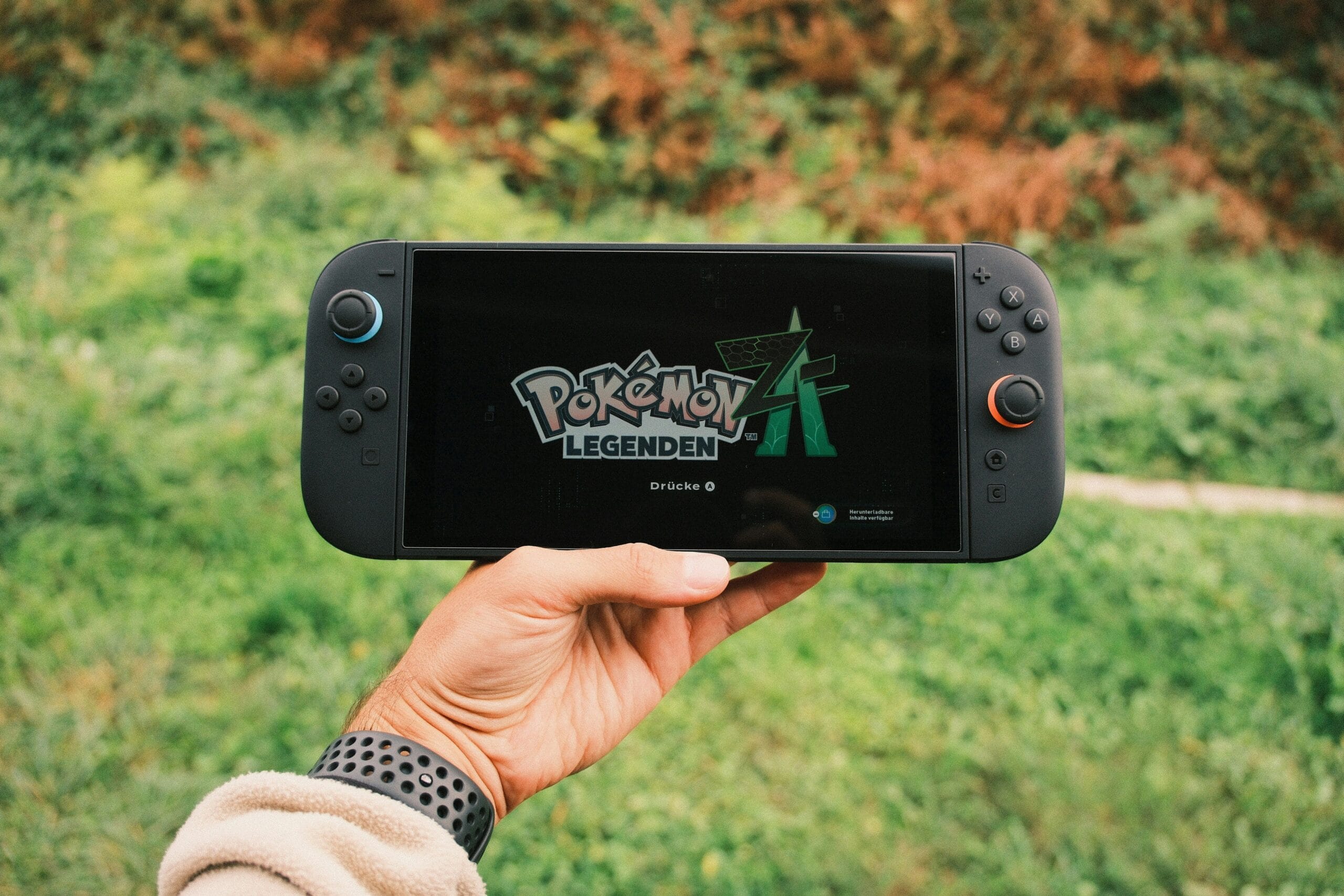
Nintendo said the increase was mainly due to higher sales of downloadable versions of packaged software.
Digital sales are worth watching because they represent an increasingly important part of Nintendo’s software ecosystem. Investors should still remember that digital growth does not eliminate the company’s dependence on successful games and platforms.
Nintendo Switch 2 Sales in 2026
The Nintendo Switch 2 is one of the most important factors in the current Nintendo investment story.
As of June 30, 2026, Nintendo reported cumulative worldwide sales of:
| Platform | Hardware | Software |
|---|---|---|
| Nintendo Switch 2 | 23.68 million | 58.17 million |
| Nintendo Switch | 156.59 million | 1.562 billion |
During the June quarter, Nintendo sold 3.82 million Switch 2 systems and 9.46 million Switch 2 software units. The original Nintendo Switch sold 0.66 million hardware units and 33.81 million software units during the same quarter.
The original Switch therefore remains commercially relevant even as Nintendo moves deeper into the Switch 2 generation.
What Are Nintendo Switch 2’s Best-Selling Games?
Nintendo’s official sales figures through June 30, 2026 show strong results for several Switch 2 titles.
| Game | Worldwide units |
|---|---|
| Mario Kart World | 15.39 million |
| Donkey Kong Bananza | 4.78 million |
| Pokémon Legends: Z-A – Nintendo Switch 2 Edition | 3.99 million |
| Pokémon Pokopia | 3.68 million |
These figures show why Nintendo investors should look beyond hardware sales. A larger installed base creates an opportunity to sell first-party games, third-party software, downloadable content, digital games, and subscriptions over the life of the platform.
However, strong early sales do not guarantee that a console generation will remain equally profitable throughout its entire lifecycle.
Nintendo’s FY2027 Financial Forecast
Nintendo’s current financial forecast for the fiscal year ending March 31, 2027 was unchanged in its August 2026 results release.
| FY2027 forecast | Forecast | Change from FY2026 actual |
|---|---|---|
| Net sales | 2.05 trillion yen | -11.4% |
| Operating profit | 370 billion yen | +2.7% |
| Ordinary profit | 430 billion yen | -20.7% |
| Profit attributable to owners | 310 billion yen | -26.9% |
| Forecast profit per share | 268.90 yen | Company forecast |
| Annual dividend | 162 yen | Company forecast |
These forecasts provide useful context because Nintendo is expecting lower overall sales and net profit while still forecasting modest operating-profit growth.
For the fiscal year ended March 31, 2026, Nintendo reported net sales of approximately 2.313 trillion yen, operating profit of 360.1 billion yen, ordinary profit of 542.1 billion yen, and profit attributable to owners of approximately 424.0 billion yen.
The comparison is also affected by extraordinary and non-operating items. Nintendo reported a 32.6 billion yen gain on the sale of investment securities as extraordinary income in FY2026, while the FY2027 forecast is based on a different expected earnings mix.
Does Nintendo Pay a Dividend?
Yes. Nintendo pays dividends twice a year based on the profit levels achieved during the fiscal year, subject to the company’s dividend policy and the relevant shareholder record dates.
For the fiscal year ended March 31, 2026, Nintendo paid a total dividend of 219 yen per ordinary share.
| Fiscal year | Interim dividend | Year-end dividend | Annual dividend |
|---|---|---|---|
| FY2026 | 42 yen | 177 yen | 219 yen |
| FY2027 | To be determined | To be determined | 162 yen forecast |
Nintendo revised its dividend policy effective with the FY2026 year-end dividend. Its current annual policy uses the higher of an amount based on 40% of consolidated operating profit or an amount based on a 60% consolidated payout ratio, subject to the company’s calculation methodology.
For FY2027, Nintendo currently forecasts an annual dividend of 162 yen per ordinary share.
It is therefore more useful to discuss Nintendo as a company that combines potential capital appreciation with shareholder distributions than to treat it as a high-yield dividend stock.
Do not use a fixed dividend yield from an older Nintendo article because the yield changes with the share price and the expected or actual dividend.
The latest information is available on Nintendo’s official dividend information page.
Why Investors May Like Nintendo Stock
1. Valuable Intellectual Property
Nintendo owns or controls access to some of the most recognizable franchises in gaming. Mario, The Legend of Zelda, Animal Crossing, Kirby, and other properties can support multiple products and forms of entertainment over long periods.
This creates a competitive advantage, although strong intellectual property does not guarantee strong future financial performance.
2. A Large Existing Customer Base
The original Nintendo Switch reached 156.59 million units worldwide by June 30, 2026. That large installed base gives Nintendo a substantial audience for software, downloadable content, subscriptions, and other products.
3. Switch 2 Creates a New Hardware Cycle
Switch 2 reached 23.68 million cumulative hardware units by June 30, 2026. The early performance of the platform is therefore an important indicator for Nintendo’s future software and digital sales.
4. Strong Digital Business
Digital sales increased 90.0% year over year to 132.7 billion yen in the latest quarter. A growing digital business can increase the importance of software and services relative to physical hardware sales.
5. Significant Financial Resources
Nintendo ended the fiscal year on March 31, 2026 with 1.3166 trillion yen in cash and cash equivalents. Its balance sheet also included substantial securities and investment securities.
A strong balance sheet can give Nintendo flexibility to invest in new products, technology, infrastructure, marketing, and other opportunities. It does not, however, eliminate investment risk.
What Are the Risks of Nintendo Stock?
Console Cycle Risk
Nintendo’s financial results can change significantly during a hardware generation. A successful launch can increase hardware and software sales, while demand can slow later in the lifecycle.
Investors should therefore avoid extrapolating one exceptionally strong quarter into many years of future growth.
Game Release Risk
Major Nintendo games can have a meaningful effect on sales and profitability. Delays, disappointing launches, or weaker-than-expected demand can affect both financial results and investor expectations.
Competition
Nintendo competes for consumer attention against PlayStation, Xbox, PC gaming, mobile games, and many other entertainment products.
Nintendo’s hardware and software strategy differentiates it from its competitors, but consumers still have limited time and money to spend.
Foreign Exchange Risk
Nintendo generates a large proportion of its sales outside Japan. In the latest quarter, sales outside Japan represented 77.9% of total sales.
Changes in exchange rates can therefore affect Nintendo’s reported results after overseas revenue is translated into yen.
Valuation Risk
A strong business is not automatically a good investment at every price.
Investors should consider Nintendo’s expected future earnings, growth prospects, cash position, dividend, competitive advantages, and risks alongside the price of the shares.
ADR Risk
Investors buying NTDOY also need to consider the characteristics of the ADR itself, including its OTC trading environment, currency exposure, liquidity, depositary fees, and the policies of their brokerage.
How to Buy Nintendo Stock
The exact process depends on your country and brokerage, but the general process is straightforward.
- Choose a brokerage. Check whether it supports Japanese stocks, Nintendo’s Japanese ordinary shares, or the NTDOY ADR.
- Confirm the security. Make sure you understand whether the ticker you are buying is 7974 or NTDOY.
- Check fees. Look for trading commissions, currency-conversion costs, ADR fees, custody charges, and other applicable expenses.
- Check minimum investment requirements. Nintendo’s official Japanese trading unit is 100 shares. Fractional-share availability depends on the brokerage and security.
- Fund your brokerage account. Deposit the amount you are comfortable investing.
- Place your order. Review the ticker, price, order type, and quantity before submitting the trade.
- Review your portfolio allocation. Avoid treating one individual company as your entire investment portfolio.
The U.S. Securities and Exchange Commission’s Investor.gov guide to investing on your own emphasizes having a financial plan, researching investments, understanding risk, and making decisions based on your own circumstances.
Can You Buy Nintendo Stock With a Small Amount of Money?
Possibly. The answer depends on the security and brokerage.
Nintendo’s Japanese ordinary shares have a stated trading unit of 100 shares. That can make a direct purchase more expensive than some investors expect.
A brokerage that supports fractional investing may allow a much smaller position in an eligible security. However, fractional shares are not universally available, and the rules can differ between ordinary shares and ADRs.
Fees also matter. A very small purchase can become relatively expensive if your broker applies currency-conversion charges, ADR fees, or other costs.
Should You Buy Nintendo Stock for Passive Income?
Nintendo does pay dividends, but it should not be treated as a pure passive-income investment.
The dividend is only one part of a stock’s potential return. The share price can rise or fall significantly, and the dividend itself can change based on Nintendo’s earnings and dividend policy.
For readers who are still working on increasing the amount of money available for investing, our guide to passive income streams covers several ways to build additional income. Just remember that investment returns are not guaranteed income.
Likewise, readers earning money from freelance or gig work can explore our guide on building multiple income streams as a gig worker before deciding how much money they can comfortably dedicate to long-term investing.
Nintendo Stock vs. Diversified Investments
One of the biggest mistakes a new investor can make is confusing a good company with a diversified investment strategy.
Buying Nintendo gives you exposure to one company and one business model. Even a financially strong company can experience falling profits, weaker demand, unexpected expenses, or a declining share price.
The SEC’s Investor.gov explains that diversification involves spreading money among different investments to reduce the effect of any single investment performing poorly.
That can mean combining individual stocks with broader investments such as diversified mutual funds or ETFs, depending on your goals, time horizon, and risk tolerance.
Read more from Investor.gov’s guide to asset allocation and diversification.
What Should Nintendo Investors Watch Next?
If you are researching Nintendo stock as a long-term investment, these indicators are particularly useful to follow:
- Switch 2 hardware sales: Watch whether the installed base continues to expand.
- Software sales: Follow major Nintendo releases as well as recurring sales of older titles.
- Digital revenue: Monitor downloadable software, digital content, and Nintendo Switch Online.
- Operating margins: Strong revenue growth is less useful if profitability does not follow.
- Foreign exchange: Nintendo’s international exposure means currency movements can affect reported results.
- Management guidance: Watch whether Nintendo raises, maintains, or lowers its forecasts.
- Major releases: New games and entertainment projects can influence consumer engagement and revenue.
When Is Nintendo’s Next Earnings Report?
Nintendo’s next scheduled financial results announcement is the six-month earnings release on November 5, 2026.
That release should provide investors with updated information about the first half of Nintendo’s fiscal year ending March 31, 2027, including progress against management’s current forecasts.
Schedules can change, so verify the date on Nintendo’s official IR calendar.
Is Nintendo Stock a Good Investment in 2026?
There are reasonable arguments on both sides.
The bullish case is built around Nintendo’s intellectual property, enormous installed user base, Switch 2 growth, software sales, digital revenue, financial resources, and ability to monetize its franchises across multiple forms of entertainment.
The cautious case is that Nintendo is still a cyclical entertainment company. Its results depend heavily on hardware generations, software releases, consumer demand, foreign exchange, competition, and the valuation investors place on future earnings.
The latest results illustrate this complexity. Nintendo reported lower quarterly sales but substantially higher operating profit, with part of the profit improvement helped by tariff refunds and a more favorable sales mix. At the same time, management’s full-year forecast calls for slightly higher operating profit but lower revenue and net profit compared with FY2026.
That makes Nintendo stock worth researching, but it is not accurate to describe it as a guaranteed safe investment.
How Nintendo Could Fit Into a Long-Term Portfolio
Nintendo may make sense as one part of a diversified portfolio for an investor who understands the company’s business and is comfortable with individual-stock risk.
The key is position size.
If Nintendo performs extremely well, a concentrated position can produce significant gains. If the business or valuation disappoints, the same concentration can produce significant losses.
A broader portfolio can reduce that company-specific risk. Investor.gov explains that diversification can help reduce the impact of one investment performing poorly, although diversification cannot eliminate investment losses.
Before investing money you may need soon, consider keeping an appropriate cash reserve separate from long-term investments. Money needed for rent, bills, emergencies, or near-term purchases generally has a different time horizon from money being invested for many years.
Frequently Asked Questions About Nintendo Stock
What is Nintendo’s stock ticker?
Nintendo’s ordinary shares trade in Japan under 7974. Investors may also encounter NTDOY, an over-the-counter American Depositary Receipt.
Is NTDOY the same as Nintendo stock?
NTDOY represents Nintendo through an ADR rather than being the ordinary Japanese share itself. Citi currently lists four NTDOY ADRs as representing one Nintendo ordinary share.
Where is Nintendo stock listed?
Nintendo’s ordinary shares are listed on the Tokyo Stock Exchange Prime Market under stock code 7974.
Does Nintendo pay dividends?
Yes. Nintendo paid a total dividend of 219 yen per ordinary share for the fiscal year ended March 31, 2026. The current forecast for the fiscal year ending March 31, 2027 is 162 yen per ordinary share.
What is Nintendo’s dividend yield?
The dividend yield changes as the share price changes, so there is no single permanent yield. Calculate the latest yield using the current share price and the latest actual or forecast annual dividend rather than relying on an older percentage.
Did Nintendo split its stock?
Yes. Nintendo completed a 10-for-1 stock split effective October 1, 2022. Historical share prices and per-share dividend figures from before the split therefore need to be interpreted carefully.
How many Nintendo Switch 2 consoles have been sold?
Nintendo reported 23.68 million cumulative Nintendo Switch 2 hardware units worldwide as of June 30, 2026.
How many Nintendo Switch consoles have been sold?
Nintendo reported 156.59 million cumulative original Nintendo Switch hardware units worldwide as of June 30, 2026.
Can I buy Nintendo stock with $10?
That depends on your brokerage and the security you are buying. Nintendo’s Japanese ordinary shares have a 100-share trading unit, while some brokerage platforms may support fractional investing in eligible securities. Check the specific brokerage rules before assuming a $10 purchase is available.
Is Nintendo stock safe?
No individual stock is risk-free. Nintendo has strong brands and substantial financial resources, but investors remain exposed to hardware cycles, game releases, competition, foreign exchange, valuation changes, and broader market conditions.
Is Nintendo stock good for beginners?
A beginner can research Nintendo and potentially invest in it, but familiarity with the company does not remove investment risk. New investors should understand diversification, fees, time horizon, and risk tolerance before buying an individual stock.
What are the biggest risks of investing in Nintendo?
The main risks include dependence on successful hardware and software cycles, weaker-than-expected game sales, competition, foreign exchange movements, changing consumer demand, valuation risk, and the additional considerations associated with owning an ADR.
Where can I find Nintendo’s latest financial results?
The best primary source is Nintendo Investor Relations. Nintendo publishes financial results, forecasts, hardware and software sales data, dividend information, annual reports, and stock information there.
Our Approach to Nintendo Stock Research
Because investing information can become outdated quickly, this article prioritizes Nintendo’s own investor relations materials for company-specific figures such as revenue, profit, hardware sales, software sales, forecasts, dividends, and stock information.
For general investing concepts such as diversification and risk, we use educational material from Investor.gov, the U.S. Securities and Exchange Commission’s investor education website.
We do not treat historical stock performance, brand recognition, or dividend payments as guarantees of future returns. Company forecasts can also change as business conditions change.
You can learn more about how Money For My Beer approaches financial and other practical topics on our About Us and Editorial Approach page. Our Disclosure Policy also explains how affiliate links, recommendations, and financial content are handled.
Final Thoughts
Nintendo stock has a compelling long-term story, but the investment case is more nuanced than simply owning a famous gaming company.

Nintendo has valuable intellectual property, a huge existing customer base, a growing Switch 2 platform, strong software franchises, substantial digital sales, and considerable financial resources. The company also continues to return capital to shareholders through dividends.
At the same time, Nintendo remains exposed to the natural ups and downs of the entertainment business. Console cycles matter. Game releases matter. Currency movements matter. Valuation matters.
For that reason, the better question is not whether Nintendo stock is automatically “safe.” It is whether Nintendo’s expected future earnings and business prospects justify the price at which you can buy the shares and whether the investment fits into a diversified portfolio.
For Money For My Beer readers, there is also an important distinction between earning extra money and investing extra money. Side hustles, cashback, freelance work, and other income sources can help create money that you may eventually invest, but stock returns are never guaranteed.
Our guides to passive income streams, multiple income streams for gig workers, and cashback apps cover practical ways to increase or stretch your available money before you decide how much belongs in long-term investments.
Sources and Further Reading
- Nintendo Investor Relations
- Nintendo Q1 FY2027 Consolidated Financial Highlights
- Nintendo Hardware and Software Sales Data
- Nintendo Top Selling Software Sales Data
- Nintendo Stock Information
- Nintendo Dividend Information
- Nintendo 10-for-1 Stock Split Information
- Citi Depositary Receipt Information for NTDOY
- Investor.gov: Investing on Your Own
- Investor.gov: Asset Allocation and Diversification
Editorial note: This article is for general educational and informational purposes only. It is not personalized investment, financial, tax, or legal advice. Stock prices, exchange rates, company forecasts, dividends, brokerage availability, fees, and tax rules can change. Verify current information with the relevant company, regulator, broker, or qualified professional before making an investment decision.
Well, what do you think about the article?
Did you enjoy reading “Nintendo Stock (7974 & NTDOY): Ticker, Dividend, Risks & Outlook”? We really hope that you have enjoyed.
If you have any thoughts or comments about this post, please feel free to share them in the comment section below. We appreciate your feedback and would be glad to hear from you.
To see more content like this check the Business section of Money For My Beer.

Chief Editor and Website Owner.
Hi, I’m Ryan. I write and edit everything on this site, which means I’m the last set of eyes on every post before it goes live. By day I’m a technical architect. I design and build enterprise systems, apps, websites, and the occasional game.
This site started because I wanted one place where money advice for regular people doesn’t read like it was written by a finance robot. My goal is simple: every article should be genuinely useful, actually tested against what real people are searching for, and written in plain English. No jargon, no “get rich quick,” no advice I wouldn’t follow myself.
You’ll see a lot of topics here that lean on my engineering background: software reviews, tools, and tech-adjacent money stuff. Where a topic needs real financial expertise, I say so plainly and point you to qualified sources rather than pretending.