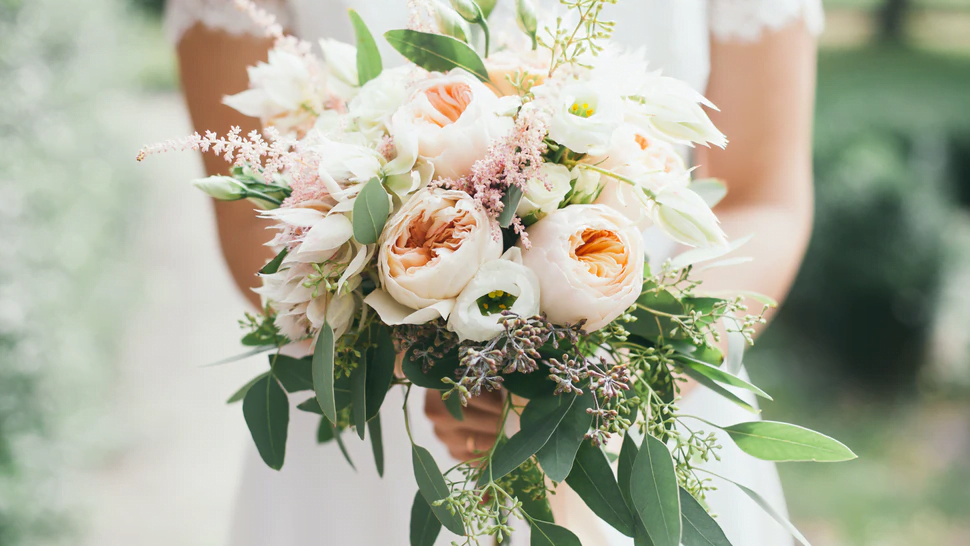
After a wedding, bouquets and centerpieces can still have plenty of life left in them. Instead of throwing away every arrangement after the celebration, you can donate fresh flowers, reuse them as decorations, turn them into keepsakes, or compost suitable plant material.
The best option depends on the condition of the flowers, the materials used in the arrangements, and how quickly you can organize collection or reuse. Planning ahead with your florist and venue makes it easier to give leftover wedding flowers a second life.
Quick answer: The most practical ways to recycle leftover wedding flowers are to donate fresh arrangements to willing recipients, reuse them at the reception, give smaller bouquets to guests, preserve selected blooms, and compost suitable stems, leaves, and petals. Arrange donations before the wedding whenever possible, and remove floral foam, wire, ribbons, and other non-compostable materials before composting.
Last reviewed: October 24, 2026
Can Wedding Flowers Be Recycled?
Cut flowers generally cannot be recycled through the same systems used for glass, metal, or plastic packaging. In this context, recycling wedding flowers usually means finding another use for the blooms or composting suitable plant material.
You have several options depending on the flowers’ condition:
- Fresh flowers: Donate them, reuse the arrangements, or give them to guests.
- Flowers worth keeping: Dry or press selected blooms to create keepsakes.
- Flowers past their best: Compost suitable plant material where an appropriate composting system is available.
- Artificial flowers: Reuse, store, or offer them to someone who can use them again.
You do not need to choose just one option. You could donate the reception centerpieces, preserve your bridal bouquet, and compost the remaining greenery. The goal is to avoid discarding materials that can still be used.
7 Ways to Recycle Leftover Wedding Flowers
1. Donate Fresh Flowers to Your Community
Donating wedding flowers can extend their usefulness beyond the celebration. Senior living communities, hospices, community organizations, places of worship, and flower-redistribution programs may welcome suitable arrangements.
However, not every organization accepts fresh flowers. Some facilities have restrictions, and others may not have the staff or space to handle large arrangements. Always contact the recipient before delivering anything.
Here are a few places to start:
- Flower-redistribution organizations: Look for services that collect event flowers and arrange for them to reach recipients in the community.
- Senior living communities: Ask whether the facility accepts fresh flowers and whether smaller bouquets would be more practical than large centerpieces.
- Hospices and hospitals: Check the recipient facility’s rules first, as flowers may be restricted in certain patient-care areas.
- Churches and community groups: Ask whether they can use the arrangements for services, gatherings, or other events.
- Local florists: Ask whether they know of a suitable flower donation program or can help arrange redistribution.
In the United States, Repeat Roses is one example of a service that connects event hosts with flower recipients. Contact the organization to check its current service area and arrangements.
Another example is Petals Please. Its wedding donation page lists a pickup area within 15 miles of Downingtown, Pennsylvania, and provides information about drop-offs at its workroom. Check its current requirements before making arrangements.
Tip: Do not wait until the reception ends to search for a recipient. Contact organizations beforehand, agree on the pickup or delivery time, and confirm that someone will be available to receive the flowers.
2. Reuse Ceremony Flowers at the Reception
If your wedding includes both a ceremony and a reception, consider moving suitable floral arrangements from one location to another.

For example, flowers used near the ceremony entrance could decorate the reception entrance, while arrangements from the altar or ceremony backdrop could be reused in another suitable area.
Discuss this plan with your florist or wedding coordinator in advance. Some arrangements are difficult to dismantle or transport, so reuse works best when it is considered during the original floral design.
This approach can help you get more value from the flowers you have already purchased without ordering additional arrangements for every part of the celebration.
3. Give Flowers to Guests as Wedding Favors
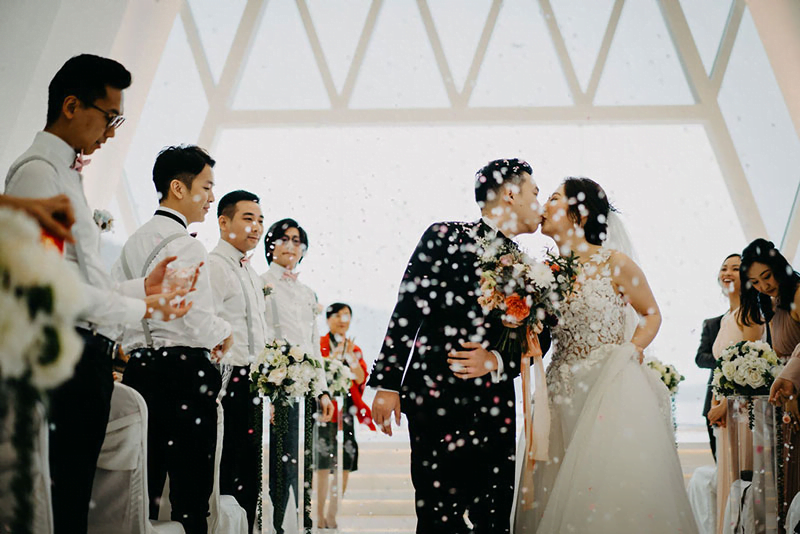
Fresh flowers can make thoughtful take-home gifts for wedding guests. Instead of leaving every centerpiece behind, divide suitable arrangements into smaller bouquets that guests can take home after the reception.
To make the process easier:
- Ask your florist to design arrangements that can be separated without damaging the flowers.
- Prepare small vases, paper wraps, or other suitable containers in advance.
- Assign helpers to prepare the bouquets near the end of the reception.
- Tell guests when and where they can collect the flowers.
You can also offer suitable arrangements to family members or members of the wedding party. Make sure the flowers can be removed safely and that the venue permits them to be taken away.
For larger weddings, consult your florist or coordinator. Breaking down dozens of elaborate arrangements can take longer than expected, especially when flowers are attached to structures or supported by floral foam.
4. Use the Flowers to Honor a Loved One
Leftover wedding flowers can also become a personal tribute to someone who could not attend the celebration. You might place a suitable arrangement at a memorial site or cemetery, or give flowers to family members who would appreciate the gesture.
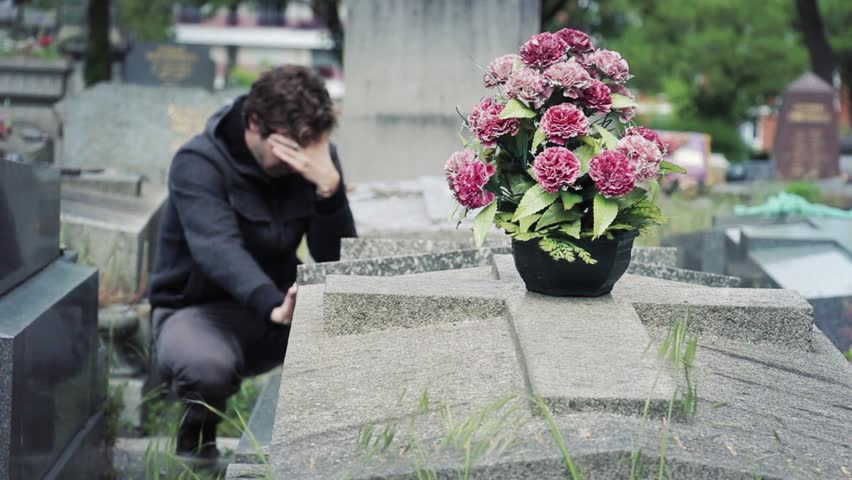
If you plan to take flowers to a cemetery or memorial location, check its rules about fresh flowers, containers, decorations, and removal dates. Assign someone to handle the delivery if you and your partner cannot do so immediately after the wedding.
This option is particularly meaningful when the flowers were originally chosen to honor or remember someone important to the couple.
5. Preserve Your Wedding Bouquet as a Keepsake
You do not have to part with every flower after the wedding. Preserving selected blooms can turn part of your bouquet into a keepsake that reminds you of the celebration.
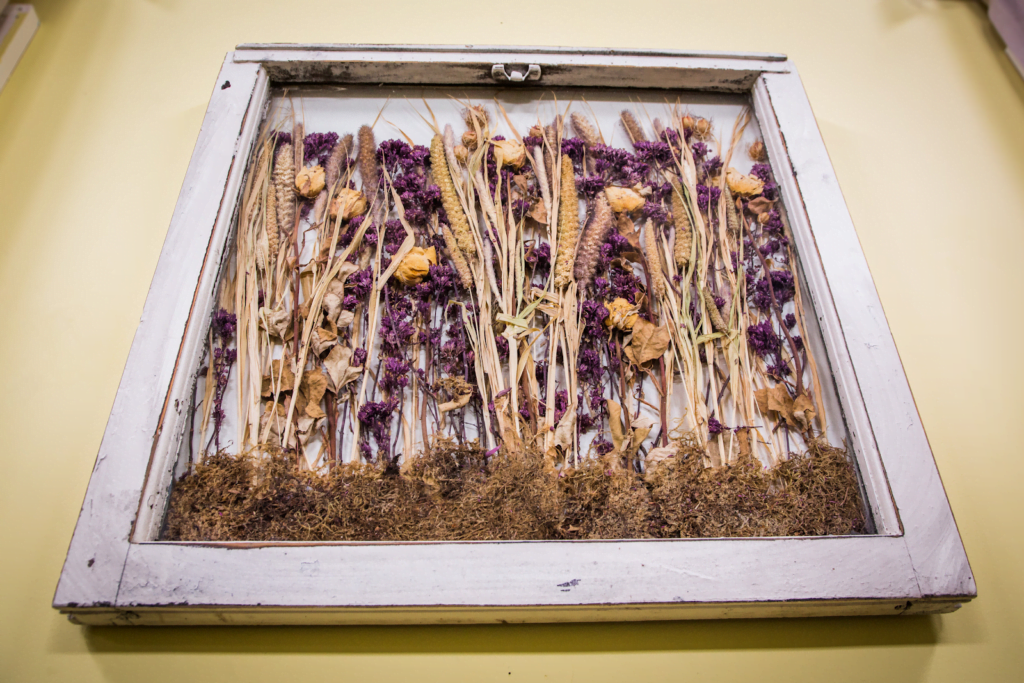
The best preservation method depends on the flower type, condition, and appearance you want to retain.
Air-dry the flowers
Air drying works for many flowers, although the results vary by variety and condition. Remove excess foliage, secure small bunches, and hang them upside down in a dry, dark, well-ventilated location.
Many flowers take around two to three weeks to dry, but thicker blooms and humid conditions can extend the process. Flowers may also change color or become more fragile as they dry.
Press selected blooms
Pressed flowers are suitable for framed artwork, bookmarks, greeting cards, and other flat decorations. Thin flowers and individual petals are generally easier to press than large, densely layered blooms.
Place the flowers between absorbent paper and press them inside a heavy book or dedicated flower press. Keep the materials dry and replace damp paper as needed to reduce the risk of mold.
Use silica gel or professional preservation
Silica gel can help preserve the shape of some flowers better than ordinary air drying. Follow the product instructions and select a method appropriate for the flower type.
If your bridal bouquet has significant sentimental value, consider a flower-preservation specialist. Ask about available methods, expected results, costs, and how the finished keepsake will be stored or displayed.
The University of Florida IFAS Extension guide to drying and preserving plant materials explains several preservation methods and their uses for decorative arrangements.
6. Make Dried Floral Decorations
If you have more flowers than you want to preserve as a single bouquet, consider using individual blooms, petals, and foliage for smaller projects.
- Dried arrangements: Combine suitable dried flowers and foliage in a vase.
- Pressed floral art: Frame pressed blooms or use them to decorate handmade cards.
- Wreaths: Use dried flowers and suitable foliage to create a decorative wreath.
- Shadow boxes: Display selected blooms with wedding photographs, invitations, or other keepsakes.
Not every flower dries well. Some blooms lose their color, change shape, or become brittle. Start with a few flowers before attempting a larger project, and store finished decorations away from excessive moisture and open flames.
For additional techniques, see the University of Florida’s guide to preserving flowers and other plant materials.
7. Compost the Remaining Flowers and Greenery
If flowers can no longer be donated, reused, or preserved, composting may be an option for suitable plant material. Composting allows microorganisms to break down organic matter into a soil amendment.
Before adding wedding flowers to a home compost pile or collection bin, prepare them properly:
- Separate the plant material. Remove flowers, leaves, and stems from vases and decorative supports.
- Remove non-compostable items. Take out ribbons, wire, tape, plastic picks, rubber bands, and other decorations.
- Remove floral foam. Floral foam is not compostable. Keep it out of your compost pile and follow local waste-disposal guidance.
- Cut thicker stems into smaller pieces. Smaller pieces can be easier to manage and break down in a compost pile.
- Use suitable composting materials. For home composting, combine fresh plant material with appropriate dry materials, such as dry leaves, according to your composting system’s guidance.
Not every arrangement is suitable for every composting program. If the flowers contain glitter, artificial leaves, plastic decorations, or substantial amounts of floral foam, separate those items first. Check your local green-waste or commercial composting program’s accepted-material list before adding anything uncertain.
Mississippi State University Extension’s guide to eco-friendly floristry explains how florists can reduce waste through reuse and compost suitable green material. The U.S. Environmental Protection Agency’s home composting guide provides further information about managing organic materials.
If you plan to use the finished compost in your garden, read our complete gardening guide for an overview of soil preparation, composting, and other gardening fundamentals. Our guide to improving soil health provides additional background on organic matter and soil management.
How to Arrange Wedding Flower Donations
Donating flowers successfully requires more than finding a willing recipient. The arrangements must remain in suitable condition, and the recipient needs to know when and how they will arrive.
Start planning before the wedding
Contact potential recipients or flower-redistribution organizations before the event. Ask whether they accept wedding flowers, which arrangements they can use, and whether they offer pickup or require delivery.
Confirm the service area, collection deadline, expected quantity, fees if applicable, and any preparation requirements. Get a clear agreement rather than assuming a donation will be accepted after the celebration.
Coordinate with your florist and venue
Tell your florist which arrangements are intended for donation, reuse, or preservation. This helps the team plan the design and separate the flowers later.
Ask the venue how the flowers will be handled after the event and whether there is a suitable place to hold them temporarily. Assign one person to coordinate the handoff so the arrangements are not discarded during cleanup.
Keep the flowers fresh until collection
Fresh flowers are generally more useful for donation when they have not wilted or deteriorated significantly. Keep suitable arrangements hydrated and away from unnecessary heat while waiting for collection.
Follow the recipient’s instructions about trimming stems, using containers, or preparing the arrangements for transport. Arrange pickup as soon as practical instead of leaving fresh flowers unattended for an extended period.
Confirm that the recipient can accept them
Do not assume a hospital, care facility, or community organization will accept an unsolicited delivery. Some hospitals restrict flowers in particular patient-care areas, and individual facilities may have additional rules.
For example, Brigham and Women’s Hospital’s flower-delivery guidance describes restrictions in certain areas. Contact your intended recipient directly before arranging delivery.
How to Reduce Wedding Flower Waste Before the Event
The easiest way to deal with leftover flowers is to plan for them before the wedding. A few practical decisions can make donation, reuse, and composting much easier.
- Discuss reuse with your florist. Ask which ceremony arrangements can also be used at the reception.
- Choose arrangements that can be separated easily. Smaller bouquets and reusable vases can make redistribution more convenient.
- Plan donations early. Confirm a recipient and pickup or delivery arrangements before the wedding day.
- Ask about floral foam. If reducing non-compostable materials is a priority, discuss alternative floral mechanics with your florist.
- Assign a coordinator. Give one person responsibility for directing arrangements to the right destination after the celebration.
- Set aside keepsake flowers. Choose the blooms you want to preserve before the remaining arrangements are dismantled.
These decisions can reduce the number of arrangements that go unused and make cleanup more manageable for your wedding party, florist, and venue staff.
Frequently Asked Questions
What should you do with leftover wedding flowers the next day?
Start by checking which arrangements are still fresh enough to donate or reuse. Contact your planned recipient, keep the flowers hydrated while waiting, and arrange collection or delivery as soon as practical. Flowers that are no longer suitable for reuse may be composted if the material and local system allow it.
Will a charity collect leftover wedding flowers for free?
Not necessarily. Some local organizations may arrange pickups or accept drop-offs, while other services have specific booking requirements or charges. Check the organization’s current service area, costs, and collection arrangements before relying on it.
Can you donate wedding flowers to a hospital?
Only if the hospital or intended recipient agrees to accept them. Some patient-care areas prohibit flowers. Contact the facility first, or ask a flower-redistribution organization whether it can identify suitable recipients.
Can leftover wedding flowers be composted?
Yes, suitable flowers, stems, and leaves can generally be composted in an appropriate system. Remove floral foam, wire, ribbon, plastic decorations, and other non-compostable materials. If you use a municipal or commercial composting service, check its accepted-material requirements.
Can floral foam be recycled or composted?
Floral foam is not compostable. Do not put it in your compost pile or green-waste bin unless a specific local program explicitly accepts that material. Follow your local waste authority’s disposal guidance and separate the foam from flowers that can be reused or composted.
How can you preserve a wedding bouquet?
You can air-dry selected flowers, press individual blooms, use an appropriate desiccant, or hire a flower-preservation specialist. Results vary by flower type and condition, so choose a method that suits the bouquet and the keepsake you want to create.
How do you keep leftover wedding flowers fresh for donation?
Keep suitable stems in clean water, remove leaves that would sit below the waterline, and store arrangements in a cool location away from direct sunlight and heat. Contact the intended recipient promptly and follow its instructions for preparing flowers for delivery.
Sources and Further Reading
- Mississippi State University Extension: A Primer for the Eco-Friendly Florist. Guidance on flower reuse, reducing floral waste, and composting suitable green material.
- University of Florida IFAS Extension: Drying and Preserving Plant Materials for Decorative Uses. Information about drying, pressing, and using preserved flowers as decorations.
- U.S. Environmental Protection Agency: Composting at Home. Guidance on composting organic materials and using finished compost.
- Repeat Roses: How It Works. An example of a service connecting event hosts with flower recipients.
- Petals Please: Wedding Flower Donations. Information about arranging wedding flower donations through a regional service.
- Brigham and Women’s Hospital: Mail and Flower Deliveries. An example of why hospital flower-delivery restrictions should be checked in advance.
Also Read: Can Recycling Side Hustle: How to Make Money Recycling Cans
Well, what do you think about the article?
Do you like what you have read about the ways on “How to Recycle Leftover Wedding Flowers“? If so, please comment down below. We would love to hear your thoughts about these and maybe we can add more with your contribution.
To see more content like this check the Lifestyle section of Money For My Beer.
I am Jamie Chu and I work as the SEO Manager at the LOCALSEO, which provides SEO service for businesses based in Hong Kong.