If you have a gift card you’ll never use, you can sell unused gift cards for cash on reputable marketplaces and receive money within days. Most sites typically pay between 80% and 95% of the card’s face value, and the fastest platforms can transfer funds in under 24 hours. Below is a quick rundown of the top five options, how rates are set, and the safest way to complete a sale. How to verify gift card balance and best ways to avoid gift card scams are also covered in our other guides.
| Platform | Payout Speed | Typical Exchange Rate | Fees | Payment Options | Best For |
|---|---|---|---|---|---|
| CardCash | 1–3 business days | 85‑92% of face value | None (rate includes fee) | Bank transfer, PayPal | Steady payouts, low‑fee |
| Raise | Instant to 5 days (buyer‑driven) | 90‑95% (buyer‑set) | 5% commission on sale price | Bank transfer, check | Maximum payout when demand is high |
| Gift Card Granny | 2–4 days | 80‑88% (aggregated offers) | Variable, up to 3% | PayPal, direct deposit | Comparing multiple offers |
| CardSwap | Same‑day to 24 hours | 82‑90% (instant offers) | 2% processing fee | PayPal, Venmo | Speed over maximum rate |
| Gift Card Zen | 24 hours to 48 hours | 84‑91% (fixed offers) | Flat $2 fee per transaction | Bank transfer, ACH | Simple, no‑surprise fees |
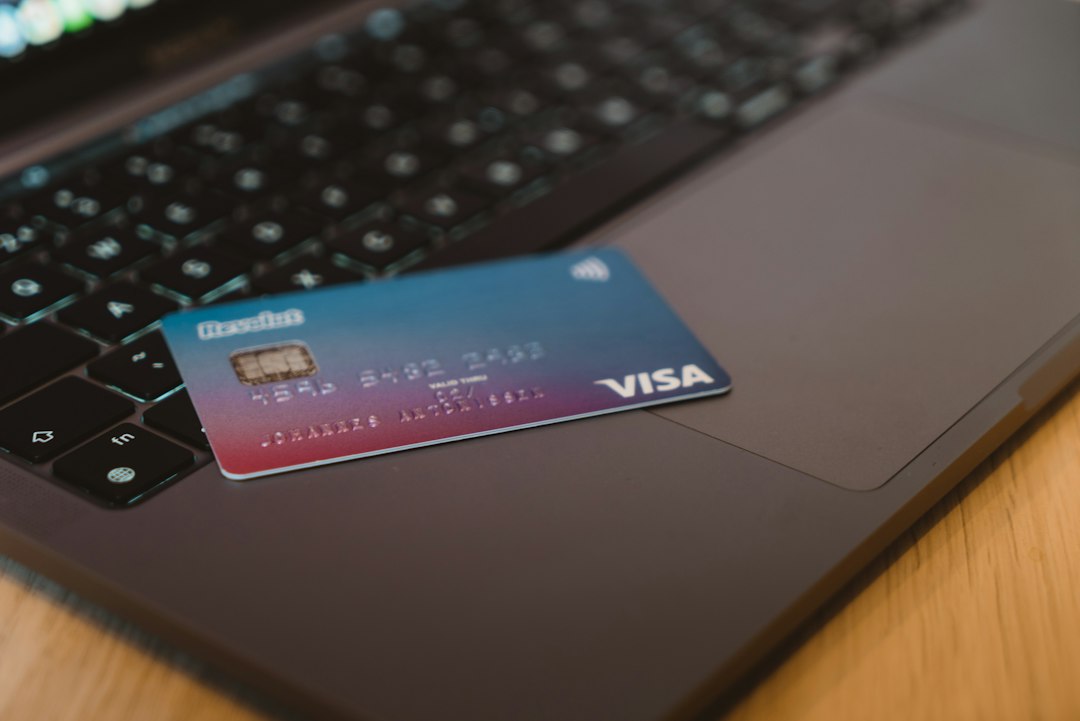


Best Platforms to Sell Unused Gift Cards for Cash – Best Sites to Sell Gift Cards
Top 5 Marketplaces Ranked by Payout Speed
When speed matters, CardSwap and CardCash lead the pack. CardSwap’s instant‑offer engine can lock in a price and push funds to PayPal within minutes, while CardCash guarantees a bank transfer in 1–3 business days.
- CardSwap – same‑day payout, 2% processing fee.
- CardCash – 1–3 days, no explicit fee.
- Gift Card Zen – 24–48 hours, flat $2 fee.
- Raise – varies; if a buyer purchases immediately, you can get cash in under 24 hours.
- Gift Card Granny – 2–4 days, aggregates offers from multiple buyers.
If you need money tonight, consider the “instant cash‑out” option on CardSwap, but remember that speed usually trims the exchange rate by a few points. This helps you cash out gift cards quickly.
Quick Comparison: Fees vs. Exchange Rates
Higher rates often come with a commission, while “no‑fee” platforms embed their cost into the offered percentage. For example, Raise advertises up to 95% of face value, but it takes a 5% commission on the final sale price, effectively lowering the net payout.
CardCash’s “no‑fee” claim means the 85‑92% range already reflects its margin, making it a transparent choice for sellers who dislike hidden charges.
Use this decision rule: if your priority is cash fast, pick the platform with the shortest payout window even if the rate is 3‑5 points lower. If maximizing cash is key, choose the site with the highest advertised percentage and calculate the net after fees.
How Gift Card Exchange Rates Are Calculated
Why You Never Get 100% of the Card Value
Marketplaces must cover transaction costs, potential fraud, and the risk of holding a card that could be deactivated. To stay profitable, they buy at a discount and resell at a markup, which is why sellers receive 80‑95% of the original value.
For instance, a $100 Amazon card might fetch $88 on CardCash (12% discount). It could be listed for $95 on Raise after a buyer’s bid, illustrating the spread between wholesale and retail resale.
High-Demand vs. Low-Demand Retailers
Cards for popular retailers like Amazon, Target, or Starbucks usually command higher percentages because many buyers need them quickly. Niche or regional cards (e.g., a local grocery chain) often sell for 70‑80% because demand is limited.
To estimate your earnings, check the platform’s current offers for the same retailer and note the “buy‑back” percentage. A quick rule of thumb: subtract 5‑10% from the face value for low‑demand cards and 2‑5% for high‑demand cards.
Step‑By‑Step Guide to Cashing Out Gift Cards Quickly
Verifying Card Balance and Validity
Before you list, confirm the remaining balance using the issuer’s online checker or by calling customer service. Record the exact amount, as most platforms require the balance to be within a 1‑2% margin of the listed value.
Take a clear photo of the front and back of the card, covering the CVV only if the site asks for it. A screenshot of the balance check (with personal info blurred) builds buyer trust and speeds up verification.
Choosing the Right Payout Method
Bank transfers are the cheapest but can take 2–3 days. PayPal and Venmo are instant but may incur a 2‑3% fee. If you need cash today, select a platform that offers “instant PayPal payout” and be prepared for a slightly lower exchange rate.
For example, selling a $50 Starbucks card on CardSwap via PayPal yields a 2% processing fee, resulting in roughly $49 net. The same sale to a bank account would net $50 but arrive later.
Match the payout method to your urgency: use PayPal for fast cash, bank transfer for larger sums where fee savings matter.
Safety Checks for Safe Gift Card Trading Platforms
Red Flags to Avoid Before You List
Beware of sites that ask for your full credit‑card number, social‑security number, or payment for “verification.” Legitimate marketplaces only need the card number and possibly the CVV.
Another warning sign is a promise to pay “more than market value” without a clear fee structure. Such offers often turn out to be scams that collect your card details and disappear.
Check for SSL encryption (https://) and read user reviews on independent forums before committing. If a platform’s support email is a generic “noreply@” address, it’s a red flag.
How Reputable Sites Protect Sellers
Established platforms escrow the card details until the buyer confirms receipt. CardCash, for example, holds the card in a secure database and releases funds only after the transaction clears.
They also monitor transaction patterns for fraud and may freeze a sale if the card shows recent activity. This protects sellers from chargebacks that could otherwise reverse the payout.
For added peace of mind, read the site’s privacy policy; reputable services explicitly state they do not share your personal data with third‑party marketers.
Common Pitfalls and Hidden Gift Card Resale Fees
Processing Fees vs. Commission Rates
Some platforms list a “processing fee” of 2% but also apply a commission on the final sale price, effectively doubling the cost. Always add both numbers to see the true expense.
For instance, a $100 card sold on Raise with a 5% commission and a 2% processing fee leaves you with $93, not $95 as the headline rate might suggest.
Why Instant Cash‑Outs Cost More
Instant payouts require the platform to front the money before a buyer is secured, so they discount the rate by an extra 3‑5 points. CardSwap’s “instant” offer typically sits 3% lower than its standard 24‑hour rate.
If you’re not in a rush, wait 24‑48 hours for the “standard” offer; the higher percentage usually outweighs the benefit of receiving cash a few hours earlier.
Remember to factor in any withdrawal fees from your chosen payment method. A PayPal transfer may cost $0.30 + 2.9% on top of the platform’s fee, which can shave a few dollars off a small‑balance card.
Frequently Asked Questions
Is it safe to sell gift cards online?
Yes, as long as you use reputable platforms that escrow the card details and have clear privacy policies. Avoid sites that request unnecessary personal data or promise unusually high payouts.
How much can I expect to get for a gift card?
Typical payouts range from 80% to 95% of the card’s face value, depending on the retailer’s demand and the platform’s fee structure. High‑demand cards like Amazon or Starbucks usually sit at the upper end of that range.
What is the fastest way to cash out a gift card?
Choose a platform that offers “instant cash‑out” via PayPal or Venmo, such as CardSwap. Expect a slightly lower exchange rate, but the funds can appear in your account within minutes of the buyer’s confirmation.
Do I need to pay taxes on gift card sales?
In most jurisdictions, cash received from selling a personal gift card is considered taxable income if the amount exceeds the annual reporting threshold. Keep records of each transaction in case you need to report it on your tax return.
Can I sell expired or low‑balance gift cards?
Expired cards are generally rejected by reputable platforms because they hold no value. Low‑balance cards can be sold, but the exchange rate will be lower, often near the platform’s minimum payout threshold.
Also Read: Where to Sell Old Electronics for Cash: Best Places & Tips
Well, what do you think about the article?
Did you enjoy reading “Sell Unused Gift Cards for Cash: 5 Best Platforms Compared”? We really hope that you have enjoyed.
If you have any thoughts or comments about this post, please feel free to share them in the comment section below. We appreciate your feedback and would be glad to hear from you.
To see more content like this check the Beermoney section of Money For My Beer.

Chief Editor and Website Owner.
Hi, I’m Ryan. I write and edit everything on this site, which means I’m the last set of eyes on every post before it goes live. By day I’m a technical architect. I design and build enterprise systems, apps, websites, and the occasional game.
This site started because I wanted one place where money advice for regular people doesn’t read like it was written by a finance robot. My goal is simple: every article should be genuinely useful, actually tested against what real people are searching for, and written in plain English. No jargon, no “get rich quick,” no advice I wouldn’t follow myself.
You’ll see a lot of topics here that lean on my engineering background: software reviews, tools, and tech-adjacent money stuff. Where a topic needs real financial expertise, I say so plainly and point you to qualified sources rather than pretending.