Selling craft beer merch online lets you turn passion for hops into profit by using print‑on‑demand services that handle production, shipping, and customer service. You create designs, list them on an ecommerce store, and earn a margin on each sale without ever stocking inventory. This model works for anyone with a few hours a week and a modest budget.
How Selling Craft Beer Merch Online Works
The print‑on‑demand (POD) model connects your online store to a supplier that prints a product only after a customer buys it. The supplier charges a base cost, you set a retail price, and the difference is your profit. Because the supplier ships directly, you avoid warehousing fees and can scale instantly.
Why craft beer culture drives merch sales lies in the strong community identity of brewers and fans. Limited‑edition releases, local brewery pride, and inside jokes create demand for apparel that lets fans show allegiance. A well‑targeted design can generate repeat purchases from the same enthusiast.
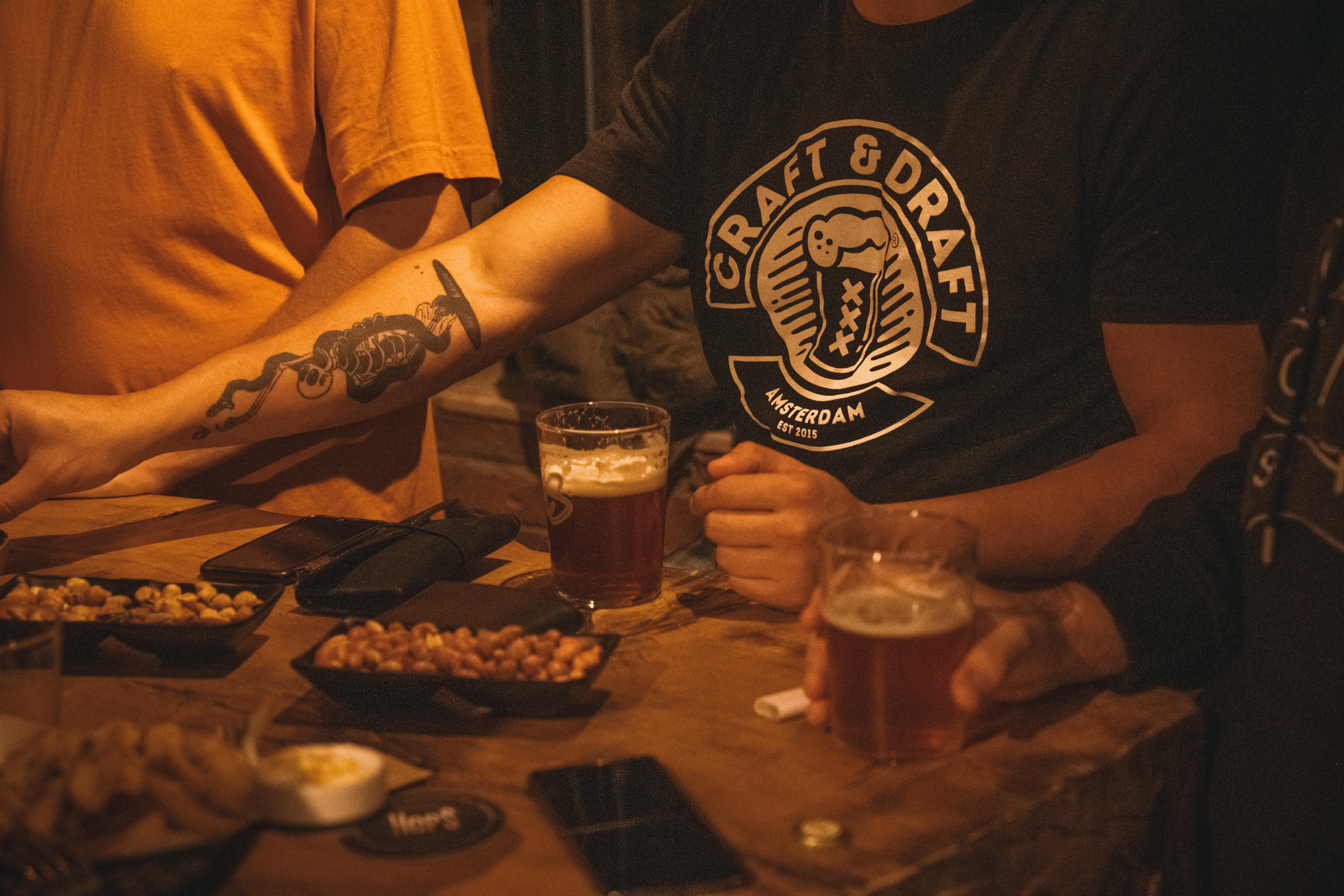
Finding Profitable Craft Beer Side Hustle Ideas and Niches
Targeting micro‑niches within beer culture means focusing on sub‑communities such as homebrewers, IPA collectors, or brewery‑tour tourists. Each group has distinct language and symbols you can weave into designs, increasing relevance and conversion rates.
For example, a design that reads “IPA‑Addict” paired with a hop‑cone illustration resonates with hop‑heavy beer lovers, while a “Brew‑Tour 2026” graphic appeals to travelers attending local taproom events.
Validating design ideas before launching saves time and money. Use social‑media polls on Instagram Stories or Reddit’s r/beer community to gauge interest. If a concept receives more than 30% positive feedback, move forward; otherwise, iterate.

Setting Up Your Print on Demand for Beer Fans Store
Selecting an ecommerce platform that integrates smoothly with POD providers is critical. Shopify offers a robust app marketplace, while WooCommerce gives WordPress flexibility. Both support automatic order routing to suppliers.
When choosing a POD supplier, compare base costs, product catalog, and fulfillment speed. Printful, Printify, and TeeLaunch all provide beer‑friendly apparel, but Printful’s higher print quality may justify its slightly higher base price for premium designs.
Integrating the supplier usually involves installing a plugin, connecting your store’s API key, and mapping product SKUs. After syncing, new designs appear as ready‑to‑sell items without manual uploads.

How to Monetize Beer Blog Online Traffic With Merch
Embedding products into blog content turns readers into buyers. After a review of a local IPA, insert a product carousel showcasing a matching “Hoppy Days” tee. Use a clear call‑to‑action like “Grab yours while supplies last.”
Leverage social media by sharing behind‑the‑scenes design sketches on Instagram Reels and linking directly to the product page. Communities such as Facebook’s craft‑beer groups respond well to limited‑run drops announced via a short video.
How to earn extra money online provides additional ideas for driving traffic, such as running a giveaway that requires participants to sign up for your newsletter before accessing a discount code.

Legal and Trademark Considerations for a Custom Brewery Merchandise Business
Avoiding brewery copyright infringement starts with using original artwork instead of protected logos. If you want to feature a brewery’s name, obtain written permission or stick to generic terms like “Local Brew” that do not reference a specific brand.
Platform policies on alcohol‑themed products vary. Shopify allows beer‑related designs as long as they do not promote under‑age drinking, while Etsy restricts any mention of alcohol in the product title. Review each marketplace’s terms of service before launching.
When in doubt, consult a trademark attorney or use a trademark search tool to ensure your design phrase isn’t already registered. This precaution prevents costly takedown notices and protects your brand’s reputation.
Scaling Your Beer Enthusiast Ecommerce Niche for Long‑Term Profit
Partnering with local breweries can unlock exclusive designs and co‑branding opportunities. Offer a “Brewery‑Collab” series where a portion of each sale funds a taproom event, creating a win‑win for both parties.
Expanding beyond t‑shirts includes mugs, bottle openers, and canvas wall art. Diversifying product lines raises average order value; a customer buying a shirt often adds a matching sticker or coaster.
Invest in retargeting ads that show visitors the exact product they viewed, paired with a limited‑time discount. According to industry benchmarks, retargeted ads can improve conversion rates by up to 30%.
Frequently Asked Questions
How do I start selling craft beer merch online with no upfront inventory?
Choose a POD supplier, create an ecommerce store on Shopify or WooCommerce, and upload your designs. The supplier prints and ships each item only after a sale, so you never purchase inventory ahead of time.
Can I use real brewery names and logos when selling craft beer merch online?
Only with explicit permission from the brewery. Otherwise, use original artwork or generic beer‑related wording to avoid trademark infringement.
What are the best print‑on‑demand platforms for craft beer side hustle ideas?
Printful, Printify, and TeeLaunch all support apparel and accessories popular with beer fans. Compare base costs, product variety, and fulfillment speed to pick the best fit for your budget.
How can I monetize a beer blog online using custom merchandise?
Embed product carousels in review posts, promote limited‑run drops on social media, and offer exclusive discounts to newsletter subscribers. Each touchpoint turns readers into buyers.
What products sell best in a beer enthusiast ecommerce niche?
T‑shirts and hoodies top the list, followed by mugs, stickers, and bottle openers. Adding complementary items like wall art or coasters boosts average order value.
Scaling Your Beer Enthusiast Ecommerce Niche for Long-Term Profit
Once your store generates steady traffic, look for growth levers that turn a side hustle into a sustainable brand.
Partnering With Local Breweries
Collaborations let you tap into an existing fan base while offering breweries a low‑risk merch channel.
Start by reaching out to nearby taprooms with a concise pitch: a custom line of coasters, shirts, or glassware featuring their seasonal release.
Offer a revenue‑share model—e.g., 70% of sales to the brewery—so they see immediate upside without inventory costs.
Promote the partnership on both your channels and the brewery’s social feeds. Cross‑posting doubles exposure and often yields a 15‑20% lift in first‑week sales.
Document the collaboration with behind‑the‑scenes videos; authenticity resonates with beer fans and fuels word‑of‑mouth referrals.
Expanding Beyond T‑Shirts
Diversifying product categories reduces reliance on a single SKU and raises average order value.
Consider adding beer‑themed aprons, glassware, and reusable tote bags—items that naturally complement a home‑brew or tasting‑room experience.
Print‑on‑demand providers now offer ceramic mugs, enamel pins, and even bamboo cutting boards, all printable with your artwork.

Bundle complementary products (e.g., a hoodie + matching coaster set) to encourage higher spend per checkout.
Use seasonal bundles around major beer events—like Oktoberfest or local brew festivals—to create urgency and capitalize on heightened interest.
Running limited‑edition drops also triggers scarcity psychology, prompting collectors to purchase before stock runs out.
To keep the catalog fresh, rotate designs based on trending beer styles. A quick beer styles guide helps you spot hot categories like hazy IPAs or sour ales.
When expanding, monitor profit margins closely; some accessories have higher base costs, so price them to maintain a healthy margin.
Finally, reinvest a portion of earnings into paid advertising and SEO content that targets “earn extra money online” queries, attracting new hobbyists looking for side‑income ideas.
By aligning with local breweries and broadening your product mix, you create multiple revenue streams that protect your business against seasonal dips and keep growth on an upward trajectory.
Frequently Asked Questions
How do I start selling craft beer merch online with no upfront inventory?
Choose a POD supplier, create an ecommerce store on Shopify or WooCommerce, and upload your designs. The supplier prints and ships each item only after a sale, so you never purchase inventory ahead of time.
Can I use real brewery names and logos when selling craft beer merch online?
Only with explicit permission from the brewery. Otherwise, use original artwork or generic beer‑related wording to avoid trademark infringement.
What are the best print‑on‑demand platforms for craft beer side hustle ideas?
Printful, Printify, and TeeLaunch all support apparel and accessories popular with beer fans. Compare base costs, product variety, and fulfillment speed to pick the best fit for your budget.
How can I monetize a beer blog online using custom merchandise?
Embed product carousels in review posts, promote limited‑run drops on social media, and offer exclusive discounts to newsletter subscribers. Each touchpoint turns readers into buyers.
What products sell best in a beer enthusiast ecommerce niche?
T‑shirts and hoodies top the list, followed by mugs, stickers, and bottle openers. Adding complementary items like wall art or coasters boosts average order value.
Also Read: Beermoney: How to Earn Extra Money Online
Well, what do you think about the article?
Did you enjoy reading “How to Make Money Selling Craft Beer Merch Online”? We really hope that you have enjoyed.
If you have any thoughts or comments about this post, please feel free to share them in the comment section below. We appreciate your feedback and would be glad to hear from you.
To see more content like this check the Beermoney section of Money For My Beer.

Chief Editor and Website Owner.
Hi, I’m Ryan. I write and edit everything on this site, which means I’m the last set of eyes on every post before it goes live. By day I’m a technical architect. I design and build enterprise systems, apps, websites, and the occasional game.
This site started because I wanted one place where money advice for regular people doesn’t read like it was written by a finance robot. My goal is simple: every article should be genuinely useful, actually tested against what real people are searching for, and written in plain English. No jargon, no “get rich quick,” no advice I wouldn’t follow myself.
You’ll see a lot of topics here that lean on my engineering background: software reviews, tools, and tech-adjacent money stuff. Where a topic needs real financial expertise, I say so plainly and point you to qualified sources rather than pretending.