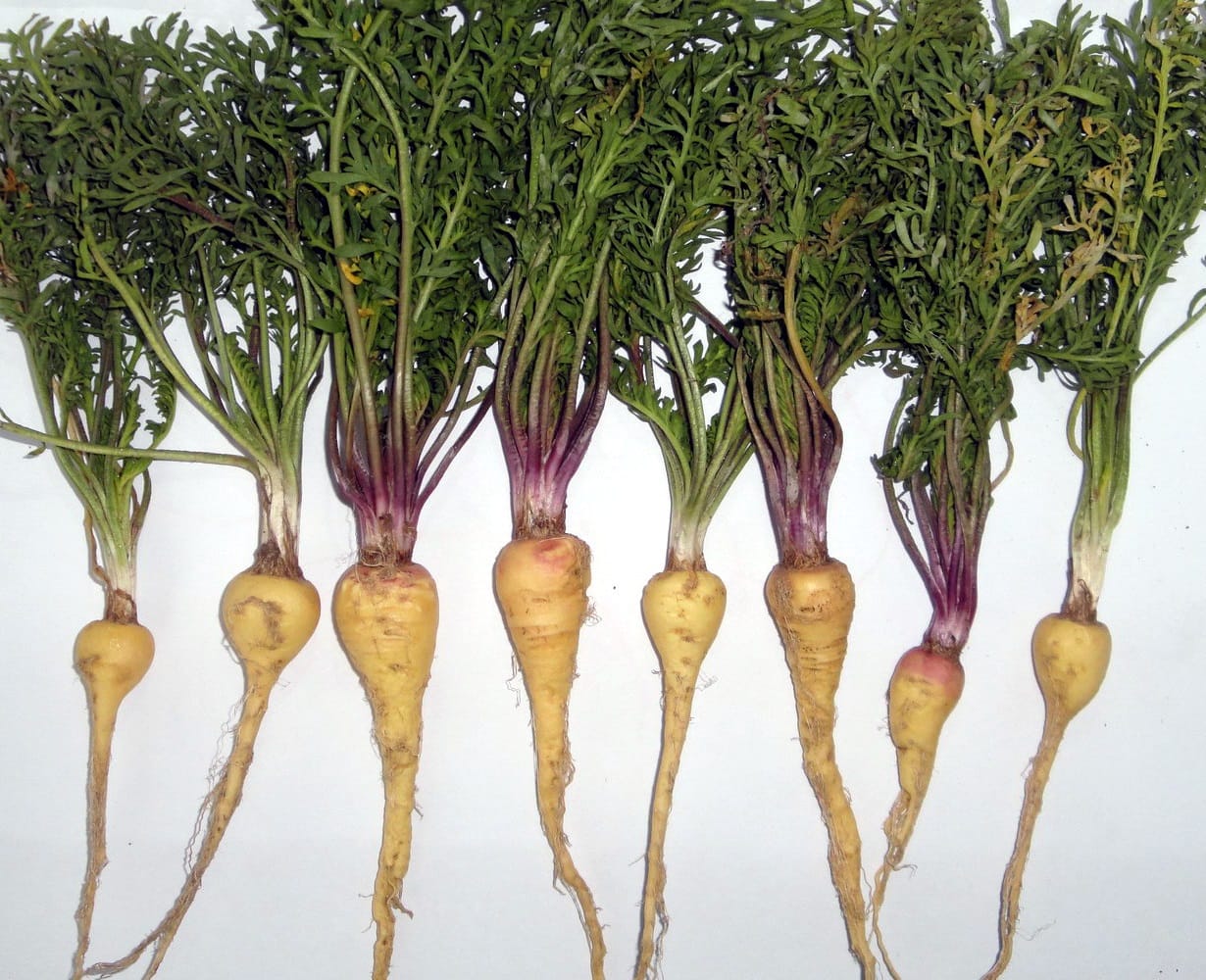
Maca root (Lepidium meyenii) is a traditional food crop native to the high Andes of Peru. Also known as Peruvian ginseng, it is commonly eaten as a prepared food or sold as a powder, capsule, or other dietary supplement. Maca has attracted attention for its potential effects on sexual desire, energy, fertility, and menopausal symptoms.
Research into the benefits of maca root has produced some promising findings, particularly for sexual desire. However, the strength of the evidence varies by health concern, and many proposed benefits have not been firmly established in humans. Maca is not a proven testosterone booster, fertility treatment, or replacement for medical care.
This guide examines what scientific research says about maca root benefits for men and women, its nutritional value, common uses, recommended precautions, possible side effects, and what to consider before taking a supplement.
Last reviewed: October 24, 2026
Quick Facts About Maca Root
- Scientific name: Lepidium meyenii
- Common name: Peruvian ginseng
- Plant family: Brassicaceae, the mustard or cabbage family
- Native region: The high Andes of Peru
- Part commonly consumed: The storage root, commonly called the root
- Common forms: Cooked maca, dried powder, capsules, tablets, and extracts
- Main research interests: Sexual desire, sexual function, menopausal symptoms, and possible effects on energy and well-being
- Evidence status: Preliminary human research, with important limitations
What Is Maca Root?
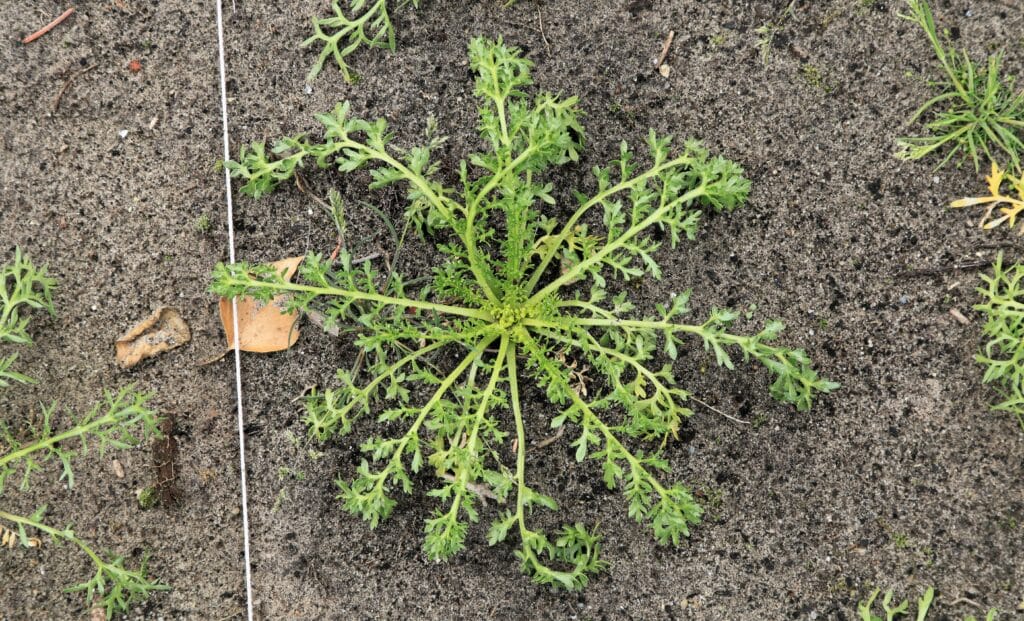
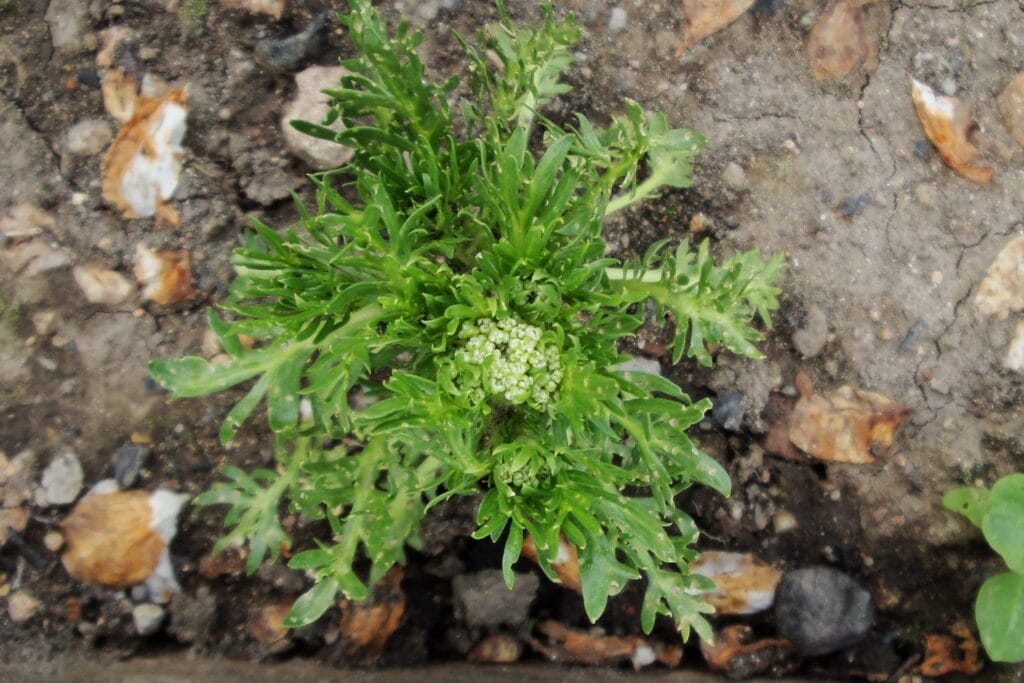
Maca is a small, hardy plant that grows in the high-altitude environment of the Peruvian Andes. It belongs to the same botanical family as cabbage, mustard, broccoli, and radishes.
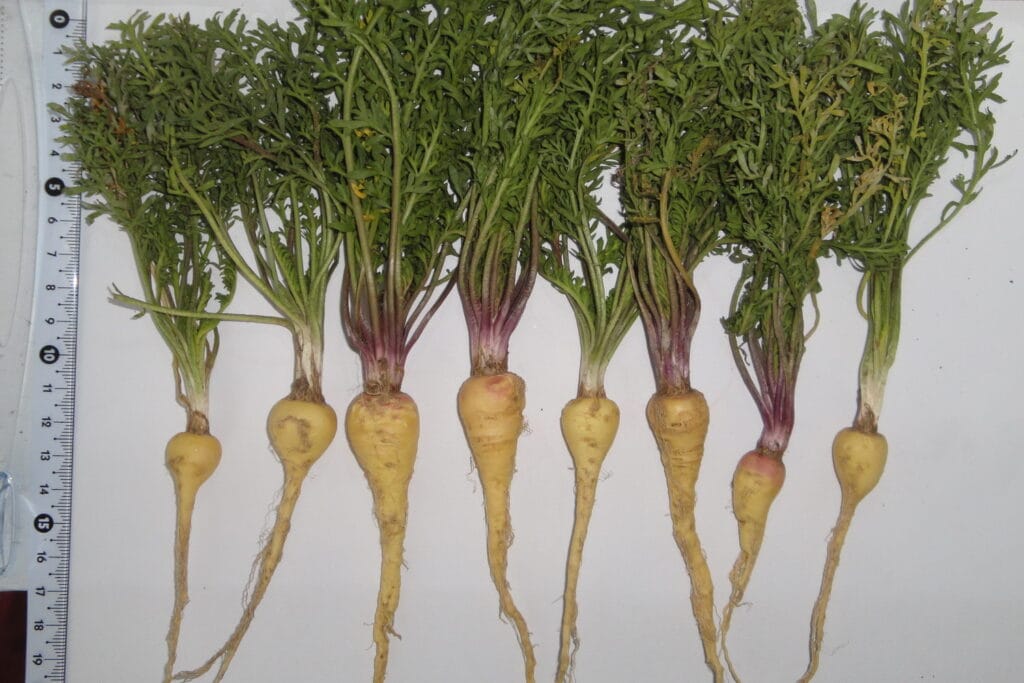
The plant’s enlarged storage root is valued as a traditional food. It is also processed into powders and supplements marketed for various health and wellness purposes.
Maca is sometimes called Peruvian ginseng because of its reputation as a plant associated with energy and vitality. However, maca is not a type of ginseng. The two belong to different plant families and have different chemical compositions.
Researchers have investigated maca’s plant compounds, including glucosinolates and macamides. These substances are scientifically interesting, but their presence does not establish that maca can treat a particular disease or produce a predictable health benefit.
Maca is also available in different root colors, commonly described as yellow, red, and black. Although some studies have investigated differences between these forms, current evidence is not sufficient to assign a specific, clinically proven health benefit to each color.
What Are the Potential Benefits of Maca Root?
Maca has been studied for several possible health effects. The most relevant human research concerns sexual desire and aspects of sexual function. Other proposed benefits, including fertility, menopause relief, and improved physical performance, remain less certain.
1. May Help Support Sexual Desire
Sexual desire, or libido, is one of the main reasons people use maca supplements. Some small human studies have reported improvements in self-reported sexual desire after maca supplementation.
A 2010 systematic review examined four randomized controlled trials involving maca and sexual function. Some trials reported positive results, while another found no benefit for the outcome it measured. The reviewers concluded that the available evidence was limited because the studies involved relatively few participants and had methodological limitations.
A review published in 2026 examined research on maca and sexual health. It reported generally favorable findings in studies involving men, while findings from studies involving women alone, many of whom were postmenopausal, were mixed. The review also emphasized that additional research is needed.
You can read both reviews in the medical literature:
- Maca for Improving Sexual Function: A Systematic Review, published in 2010.
- Effects of Maca on Sexual Health and Libido: A Review, published in 2026.
What this means: Maca may help some people with sexual desire, but the evidence is not strong enough to guarantee results. Improvements in libido should also be distinguished from improvements in erectile function, fertility, or other aspects of sexual health.
2. Potential Benefits of Maca Root for Men
Maca is frequently marketed to men as a supplement for libido, testosterone, fertility, and physical performance. These claims need to be considered separately because evidence for one outcome does not establish benefits for the others.
Some clinical studies have reported improvements in self-reported sexual desire or sexual well-being among men taking maca. A 2023 randomized, double-blind, placebo-controlled trial enrolled 80 men with symptoms associated with late-onset hypogonadism. After 12 weeks, the researchers reported improvements in several symptom questionnaires among participants receiving maca compared with the placebo group.
This is an encouraging finding, but a single trial involving 80 participants cannot establish that maca works for every man experiencing similar symptoms. The results also do not make maca a substitute for the medical assessment of low testosterone or other causes of sexual difficulties.
You can read the trial, Efficacy and Safety of Maca in Patients with Symptoms of Late-Onset Hypogonadism, through PubMed.
What this means: Maca may have potential for certain aspects of male sexual well-being, but its effectiveness remains uncertain. It has not been established as a reliable fertility treatment or a replacement for prescribed testosterone therapy.
3. Possible Benefits for Women and Menopausal Symptoms
Maca has been investigated for its possible effects on menopausal symptoms, including psychological symptoms and sexual well-being.
A systematic review published in 2011 evaluated randomized controlled trials of maca for menopausal symptoms. The included studies reported some favorable results, but the reviewers concluded that the small number of trials, limited participant numbers, and methodological weaknesses prevented firm conclusions. The safety of maca for this purpose was also not adequately established.
Read the original review, Maca for the Treatment of Menopausal Symptoms: A Systematic Review.
Maca has also been studied for sexual dysfunction associated with antidepressant use. Some preliminary findings are encouraging, but the evidence does not establish maca as a reliable treatment for medication-related sexual side effects.
What this means: Maca may have potential for certain menopausal or sexual health concerns, but the evidence remains preliminary. It should not replace prescribed treatment or hormone therapy without medical guidance.
4. Possible Effects on Energy and Physical Performance
Maca is often marketed as a natural way to increase energy, stamina, and exercise performance. Its traditional use as a food helps explain this reputation, but evidence from human studies remains limited.
Some laboratory and animal studies have investigated possible effects on endurance and physical performance. These findings do not establish that maca supplements improve athletic performance, reduce fatigue, or increase energy in people.
Sleep, nutrition, hydration, physical activity, and underlying health conditions can all influence energy levels. Maca should not be relied on to investigate or treat persistent fatigue.
5. Nutritional Value of Maca Root
Maca is a traditional food crop, and dried maca powder provides nutrients as well as plant compounds. Its exact nutritional composition depends on the product and how it is processed.
Depending on the preparation, maca powder can contribute carbohydrates, dietary fiber, protein, and some minerals to the diet. However, it should not automatically be described as a complete nutritional supplement or a concentrated source of every essential nutrient.
Its nutritional contribution also depends on serving size. A small quantity added to a smoothie provides a different amount of nutrients than a larger portion used as a food ingredient.
Maca can be one part of a varied diet, but there is insufficient evidence that it independently prevents nutritional deficiencies or improves overall health beyond its contribution as a food.
6. Antioxidant Activity and Other Proposed Benefits
Laboratory research has investigated maca extracts and individual compounds for antioxidant and other biological activities. These findings can help scientists identify possible mechanisms for future study.
However, laboratory activity does not establish that eating maca or taking a supplement produces the same effect in the human body. It also does not prove that maca prevents chronic disease, improves memory, treats depression, or slows aging.
These remain areas where stronger evidence is needed before specific health claims can be made.
Does Maca Root Increase Testosterone?
Maca has not been shown consistently to increase testosterone levels in humans. Although it is often marketed for male hormone support, some studies have reported changes in sexual desire without corresponding changes in circulating reproductive hormones.
Sexual desire and testosterone are related but distinct. A change in libido does not necessarily indicate an increase in testosterone, and a supplement that affects one measurement should not automatically be expected to improve the other.
Although a 2023 trial reported improvements in several symptom scores among men taking maca, the findings do not establish maca as a reliable treatment for low testosterone. The available research is not sufficient to recommend maca as an alternative to medically indicated testosterone treatment.
Maca has also been associated with interference in certain laboratory tests used to measure testosterone. Memorial Sloan Kettering Cancer Center advises people to tell their healthcare professionals about maca use before hormone testing.
For additional clinical information, see Memorial Sloan Kettering Cancer Center’s maca reference.
Does Maca Root Improve Fertility?
Maca has a long history of traditional use associated with reproduction. Researchers have investigated its effects on sperm parameters and other measures of reproductive health.
However, the available evidence does not establish maca as a reliable treatment for infertility. Research on semen quality and sperm concentration has produced mixed findings, and there is insufficient evidence that maca increases the likelihood of conception.
Fertility involves many factors, including age, reproductive health, medical conditions, and other influences. A supplement should not delay an appropriate fertility evaluation when conception is difficult.
People trying to conceive should discuss maca supplementation with a qualified healthcare professional, particularly when taking medication or other supplements.
How to Use Maca Root
Maca is available in several forms. The most suitable form depends on whether you intend to use it as a food ingredient or are considering a concentrated dietary supplement.
Maca Powder
Maca powder can be added to foods and beverages, including:
- Smoothies and shakes
- Oatmeal or breakfast porridge
- Yogurt or other suitable food mixtures
- Baked goods
- Warm beverages
Maca has an earthy, somewhat nutty flavor that may work well with cocoa, fruit, milk, or plant-based drinks. Follow the preparation instructions on the product label, especially when using a product that is intended to be cooked or otherwise prepared before consumption.
Maca Capsules and Extracts
Capsules and extracts offer a convenient way to consume maca, but their composition can differ substantially from ordinary food-grade powder.
Concentrated supplements may contain different amounts of plant compounds depending on how they are manufactured. A study that used one preparation does not automatically establish the effects or safety of another product.
Check the label for ingredients, serving size, and product instructions. Avoid assuming that a larger serving will produce better results.
How Much Maca Root Should You Take Daily?
There is no universally established daily dose of maca that has been proven safe and effective for all the conditions for which it is marketed.

A 2026 review of maca and sexual health noted that most human trials used approximately 3 grams per day of maca powder or an equivalent preparation. These amounts reflect doses used in research, not a standardized dosage recommendation. The appropriate amount, if any, may depend on the preparation and individual health circumstances. Read the 2026 review of maca research on PubMed.
Food-grade maca powder and concentrated extracts should not be treated as interchangeable. Their composition and potency may differ.
If you are considering maca for a medical concern, speak with a qualified healthcare professional before using it. This is particularly important if you take medication, have a hormone-sensitive condition, or are pregnant or breastfeeding.
Maca Root Side Effects and Safety
Available research does not establish the long-term safety of every maca preparation. Although some clinical references report few documented side effects, limited reporting should not be interpreted as proof that a supplement is risk-free.
Possible Side Effects
Some reports in the medical literature have described digestive symptoms, menstrual changes, cramps, mood changes, and insomnia in people using maca. In some cases, it is unclear whether maca caused the reported problem.
Stop using a supplement and seek medical advice if you experience an unexpected or persistent reaction. Seek urgent medical attention for a severe reaction.
Pregnancy and Breastfeeding
There is insufficient reliable information to establish the safety of medicinal maca supplementation during pregnancy or breastfeeding. People in these circumstances should consult a qualified healthcare professional before using maca supplements rather than assuming that traditional food use establishes the safety of a concentrated product.
Hormone-Sensitive Conditions
People with hormone-sensitive conditions, including certain breast or uterine cancers, should consult their healthcare team before taking maca supplements. Maca may affect treatment decisions, and the available evidence is not sufficient to establish safety for every condition.
Medication and Laboratory Testing
Tell your doctor or pharmacist about maca and other supplements you use. Potential interactions may depend on the product, medication, and your medical circumstances.
Maca has also been associated with interference in certain testosterone laboratory tests. Let your healthcare professional know about supplementation before hormone testing so the result can be interpreted appropriately.
The Memorial Sloan Kettering Cancer Center’s maca guidance provides additional information about reported effects and precautions.
Frequently Asked Questions About Maca Root
What are the main benefits of maca root?
Maca is primarily studied for possible effects on sexual desire, aspects of sexual function, and menopausal symptoms. Some findings are promising, but evidence is limited, and many other advertised benefits have not been established in humans.
Is maca root good for men?
Maca has been studied for sexual desire and other aspects of male reproductive health. Some studies report improvements in self-reported sexual desire or symptom scores, but evidence is insufficient to establish maca as a reliable fertility treatment, testosterone booster, or treatment for erectile dysfunction.
Is maca root good for women?
Maca has been studied for menopausal symptoms and sexual well-being in women. Some small studies report potential benefits, but the overall evidence remains limited and findings are not consistent across all outcomes.
Does maca root increase testosterone?
Human studies have not consistently shown that maca increases circulating testosterone. A change in sexual desire does not necessarily mean testosterone has increased. Maca may also interfere with some testosterone laboratory tests.
Does maca root help with weight loss?
There is insufficient reliable clinical evidence that maca produces meaningful or sustained weight loss. It should not be considered an established weight-management supplement.
Can maca root improve fertility?
Maca has been investigated for effects on semen quality and other reproductive measurements, but results are mixed. It has not been established as a reliable treatment for infertility or as a way to guarantee conception.
Can maca root help with menopause?
Small studies have investigated maca for menopausal symptoms and sexual well-being. The findings are promising in some cases, but the evidence remains limited, and larger, more rigorous studies are needed.
Can you take maca root every day?
The safety of daily use depends on the product, amount, and individual health circumstances. Long-term safety is not established for every preparation. People taking medication or managing an existing health condition should consult a healthcare professional before regular supplement use.
Is maca root the same as ginseng?
No. Maca is sometimes called Peruvian ginseng, but it belongs to the Brassicaceae family, which also includes cabbage and mustard. It is botanically different from true ginseng.
Final Thoughts on Maca Root Benefits
Maca root is a traditional Andean food that has attracted scientific interest because of its possible effects on sexual desire, sexual function, and menopausal symptoms.
Some human studies and recent reviews report promising findings, particularly for sexual desire. However, the evidence remains limited for many proposed uses, and research does not establish maca as a reliable testosterone booster, fertility treatment, weight-loss supplement, or cure for a medical condition.
Maca powder can be used as a food ingredient, but concentrated supplements deserve more careful consideration. Product composition varies, and long-term safety is not established for every preparation.
If you are considering maca for a health concern, discuss the potential benefits and risks with a qualified healthcare professional. Treat it as a food or supplement with ongoing research, not as a substitute for evidence-based treatment.
Related Plant Guides
If you are exploring the traditional uses and research surrounding other plants, read our guides to banaba benefits and safety, lemongrass benefits, uses, and tea, and yerba buena benefits and traditional uses.
For practical information on plant selection, growing conditions, and caring for plants at home, visit our complete gardening guide or browse the wider Gardening collection.
Sources and Further Reading
- Effects of Maca (Lepidium meyenii) on Sexual Health and Libido: A Review. Journal of Dietary Supplements. 2026.
- Maca (L. meyenii) for Improving Sexual Function: A Systematic Review. BMC Complementary and Alternative Medicine. 2010.
- Maca (Lepidium meyenii) for Treatment of Menopausal Symptoms: A Systematic Review. Maturitas. 2011.
- Efficacy and Safety of Maca (Lepidium meyenii) in Patients with Symptoms of Late-Onset Hypogonadism: A Randomized, Double-Blind, Placebo-Controlled Clinical Trial. The World Journal of Men’s Health. 2023.
- Maca: Purported Benefits, Side Effects, and More. Memorial Sloan Kettering Cancer Center.
Health information notice: This article is for educational purposes only and is not medical advice. Research findings may change as new evidence becomes available. Consult a qualified healthcare professional about individual health concerns, supplement use, and potential interactions.
Also Read: Strawberry Apple: Benefits, Nutrition, Uses, Taste & Safety
Well, what do you think about the article?
Did you enjoy reading “Maca Root Benefits: Uses, Research, Dosage & Safety“?
We really hope that you have found this article informative and engaging. If you have any thoughts or comments about this post, please feel free to share them in the comment section below. We appreciate your feedback and would be glad to hear from you.
To see more content like this check the gardening section of Money For My Beer.