same day pay gig jobs let you finish a task and see the money in your bank account before the day ends. Instant payouts are offered by a handful of platforms that skip the typical weekly or bi‑weekly cycle, but they often involve small transfer fees or verification steps. If you need cash fast, these gigs can work—provided you understand the true earnings and hidden costs.
| Platform | Instant Pay Option | Typical Transfer Fee | Minimum Earnings for Same‑Day | Best For |
|---|---|---|---|---|
| DoorDash | Fast Pay | $1.99 per transfer (DoorDash Fast Pay) | $5‑$10 per shift | Food delivery |
| Instacart | Instacart Express | $1.00 per transfer (Instacart Express) | $10 per batch | Grocery shopping |
| TaskRabbit | Instant Transfer | 2% of earnings (min $0.25) (TaskRabbit fees) | $15 per task | Handyman & errands |
| Rover | Instant Payout | $2 per payout (Rover instant payouts) | $20 per pet‑sitting job | Pet care |
Fees are subject to change; see the platform’s help center for the latest policy.
What Are Same Day Pay Gig Jobs and Do They Really Pay?
Defining true same‑day payout vs. instant transfer fees
True same‑day payout means the platform deposits your earnings into your bank account on the same calendar day you complete the work, usually after a short processing window. Instant transfer fees are the small charges platforms levy to move money quickly; they can be a flat fee or a percentage of the payout.
Instant transfer is different from “instant‑access” credits that merely let you view earnings in an app wallet. Only when the money lands in a linked debit card or bank account can you spend it outside the platform.
Top platforms with proven instant pay features
DoorDash’s Fast Pay unlocks same‑day payouts after you complete a shift, with a $1.99 fee per transfer. Instacart Express works similarly for grocery shoppers, charging a $1 fee and requiring a minimum $10 earnings before release.
TaskRabbit’s Instant Transfer lets freelancers cash out earnings the moment a client approves the work, applying a 2% fee (minimum $0.25). Rover offers a $2 flat fee for instant payouts after a pet‑sitting job is marked complete.
These platforms have documented instant‑pay options in their help centers and are repeatedly cited by gig‑worker forums as reliable. For a broader view of fast‑pay options, see same‑day PayPal survey sites.
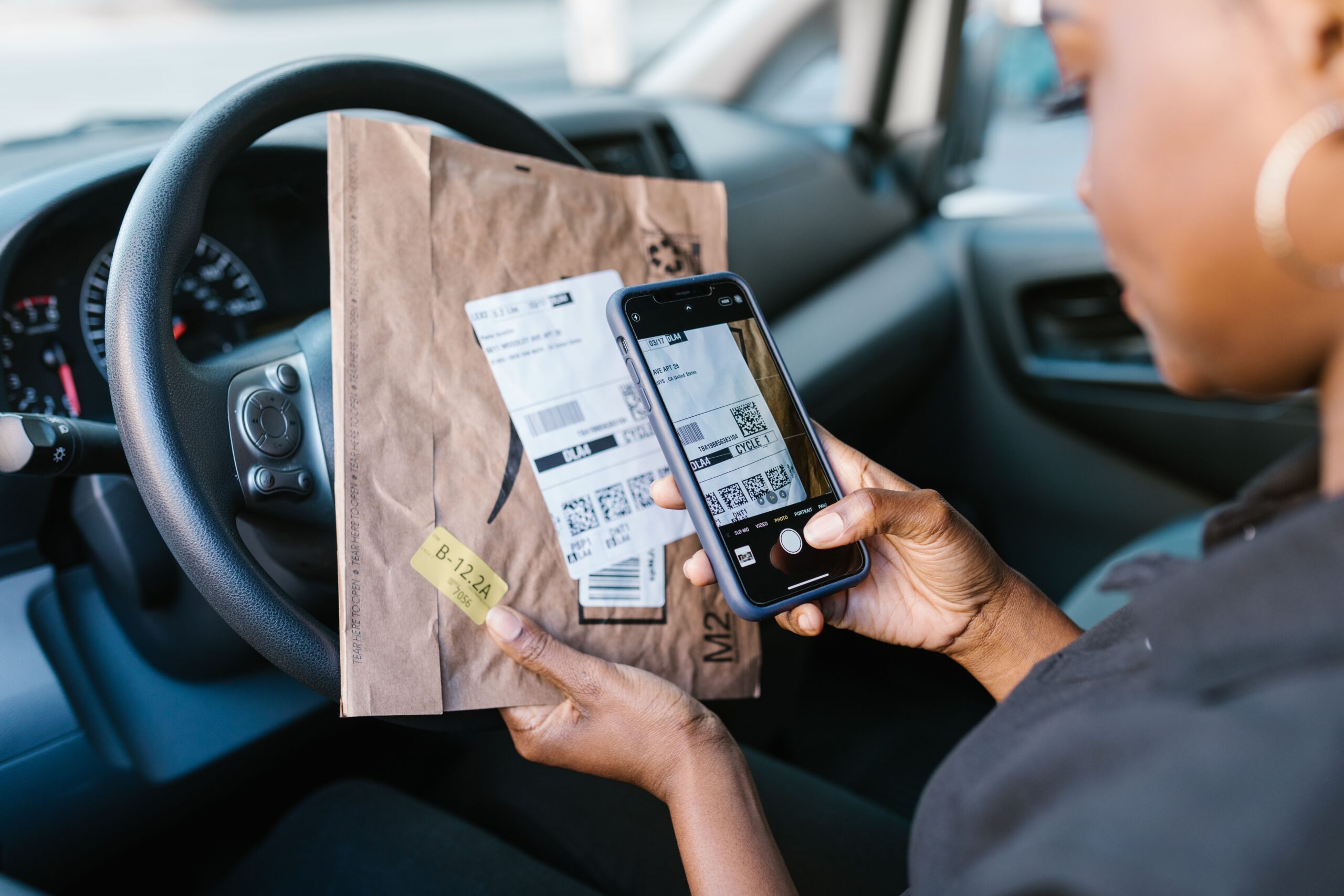
How to Get Paid Same Day: Step‑by‑Step Setup Guide
Required identity and bank verification steps
First, upload a government‑issued ID (driver’s license or passport) to satisfy KYC (Know Your Customer) requirements. Platforms typically approve this within minutes to a few hours, though some may take up to 24 hours during peak sign‑up periods.
Next, link a debit card or bank account that supports ACH transfers. The verification often involves a small test deposit (e.g., $0.01) that you confirm in the app.
Ensure the name on your bank account matches the ID you provided; mismatches trigger manual reviews that can delay same‑day payouts.
Triggering the first payout: when to apply
Complete a qualifying shift that meets the platform’s minimum earnings threshold (e.g., $5 for DoorDash Fast Pay). Once the shift ends, navigate to the “Earned” or “Payout” tab and select “Instant Transfer.”
Confirm the transfer and watch for a confirmation screen that states the expected arrival time—usually within 30 minutes for debit‑card payouts, up to 2 hours for ACH.
Real Earnings: What You Can Actually Make per Hour
Base rates vs. net take‑home pay
Base rates advertised by platforms often range from $8 to $15 per hour before fees. Instant transfer fees (e.g., $1.99 on DoorDash) and platform service fees can shave 5‑15% off that figure.
For example, a driver earning $12 / hour who uses Fast Pay three times a week pays roughly $6 /week in fees, reducing net earnings to about $11 / hour.
Calculating true hourly rate including downtime
Include idle time such as waiting for orders, traveling between pickups, or brief breaks. If a 4‑hour shift yields 2.5 hours of active work, the effective hourly rate drops.
Use this simple formula: (Total earnings – fees) ÷ (Active work + downtime). A courier who makes $30 after fees in a 4‑hour window with 1 hour of downtime ends up with a net $7.50 / hour.

Common Pitfalls and Fees That Eat Into Same Day Pay
Instant transfer fee structures explained
Flat fees (e.g., $1.99 per Fast Pay) are easy to predict but become costly for low‑earning shifts. Percentage‑based fees (e.g., 2% on TaskRabbit) scale with your earnings, which can be advantageous for high‑pay jobs.
Some platforms waive fees after a certain number of transfers per month; check the latest policy in the app’s “Payments” FAQ.
Hidden costs: insurance, fuel, and equipment
Vehicle‑related expenses like gas, maintenance, and insurance can quickly erode profit. A typical delivery driver spends $0.30‑$0.50 per mile on fuel; a 20‑mile shift could cost $6‑$10 before taxes.
Platforms may also require background‑check fees ($10‑$30) or optional insurance coverage ($5‑$15 per week). Factor these recurring costs into your net hourly calculation.

Which Same Day Pay Gig Jobs Fit Your Schedule?
High‑flexibility options for irregular schedules
Food delivery (DoorDash, Uber Eats) lets you log in whenever you have a free hour, making it ideal for students or shift workers. Instant payouts are available after each completed batch.
Task‑based platforms like TaskRabbit let you accept one‑off jobs that fit into short windows—e.g., assembling furniture for a two‑hour block on a weekend.
For a curated list of daily‑pay side hustles, see daily‑pay side hustles.
Matching physical requirements to gig types
Low‑impact gigs such as virtual assistance or online tutoring (via platforms like Fiverr or Upwork) can also offer same‑day payouts through PayPal instant transfers, though fees may be higher.
Physically demanding gigs like pet sitting (Rover) or heavy‑lifting tasks (TaskRabbit) require stamina and may involve additional insurance. Assess your comfort level before committing.
Safety, Taxes, and Long‑Term Viability of Gig Work
Tax obligations for gig workers
Gig income is taxable and reported on Schedule C as self‑employment earnings. You must set aside roughly 25‑30% of net profit for federal and state taxes.
Quarterly estimated tax payments are required if you expect to owe more than $1,000 for the year. Use a simple spreadsheet or a free tool like the IRS Estimated Tax Calculator to track earnings.
For example, if you earn $800 in a month, setting aside $200 now can prevent a large year‑end payment. If your net profit is $2,000, consider contributing $500 to a SEP‑IRA to reduce taxable income while building retirement savings.
For bookkeeping basics, see bookkeeping side jobs.
Safety tips for in‑person gigs
Verify the address before heading out. Use the app’s built‑in navigation and share your live location with a trusted friend.
Carry a basic safety kit (phone charger, pepper spray where legal). Keep personal belongings secure. If a client’s behavior feels unsafe, most platforms allow you to cancel the job without penalty.
Frequently Asked Questions
What are the best same day pay gig jobs right now?
The most reliable options are food‑delivery services like DoorDash (Fast Pay), grocery‑shopping apps such as Instacart (Express), task‑based platforms like TaskRabbit, and pet‑care services via Rover. Each offers an instant‑transfer feature that moves earnings to your bank the same day you complete a job.
Do same day pay gig jobs charge high fees?
Fees vary: DoorDash Fast Pay costs $1.99 per transfer, Instacart charges $1, TaskRabbit takes 2% of earnings (minimum $0.25), and Rover adds a flat $2 fee. While these fees reduce net pay, they are generally lower than the cost of waiting a week for a standard payout.
How fast can I get my first same day pay gig job payout?
After completing a qualifying shift and selecting the instant‑transfer option, most platforms credit your bank or debit card within 30 minutes to 2 hours. The exact timing depends on your bank’s processing speed and the chosen payout method.
Are same day pay gig jobs worth it compared to part‑time jobs?
When you factor in fees, vehicle costs, and tax obligations, net hourly earnings often fall between $7 and $12 for many delivery gigs—comparable to low‑wage part‑time work but with greater schedule flexibility. High‑skill tasks (e.g., specialized TaskRabbit jobs) can exceed $20 / hour after expenses.
What ID do I need to start a same day pay gig job?
All major platforms require a government‑issued photo ID—typically a driver’s license or passport—plus a valid U.S. bank account or debit card for payouts. Some may also request a Social Security number for tax reporting.
Also Read: Gig Economy Side Hustles That Pay Daily or Fast in 2026
Well, what do you think about the article?
Did you enjoy reading “Same Day Pay Gig Jobs: Real Numbers and Pitfalls”? We really hope that you have enjoyed.
If you have any thoughts or comments about this post, please feel free to share them in the comment section below. We appreciate your feedback and would be glad to hear from you.
To see more content like this check the Beermoney section of Money For My Beer.

Chief Editor and Website Owner.
Hi, I’m Ryan. I write and edit everything on this site, which means I’m the last set of eyes on every post before it goes live. By day I’m a technical architect. I design and build enterprise systems, apps, websites, and the occasional game.
This site started because I wanted one place where money advice for regular people doesn’t read like it was written by a finance robot. My goal is simple: every article should be genuinely useful, actually tested against what real people are searching for, and written in plain English. No jargon, no “get rich quick,” no advice I wouldn’t follow myself.
You’ll see a lot of topics here that lean on my engineering background: software reviews, tools, and tech-adjacent money stuff. Where a topic needs real financial expertise, I say so plainly and point you to qualified sources rather than pretending.